6 Days
Jebel Saghro Winter Trek
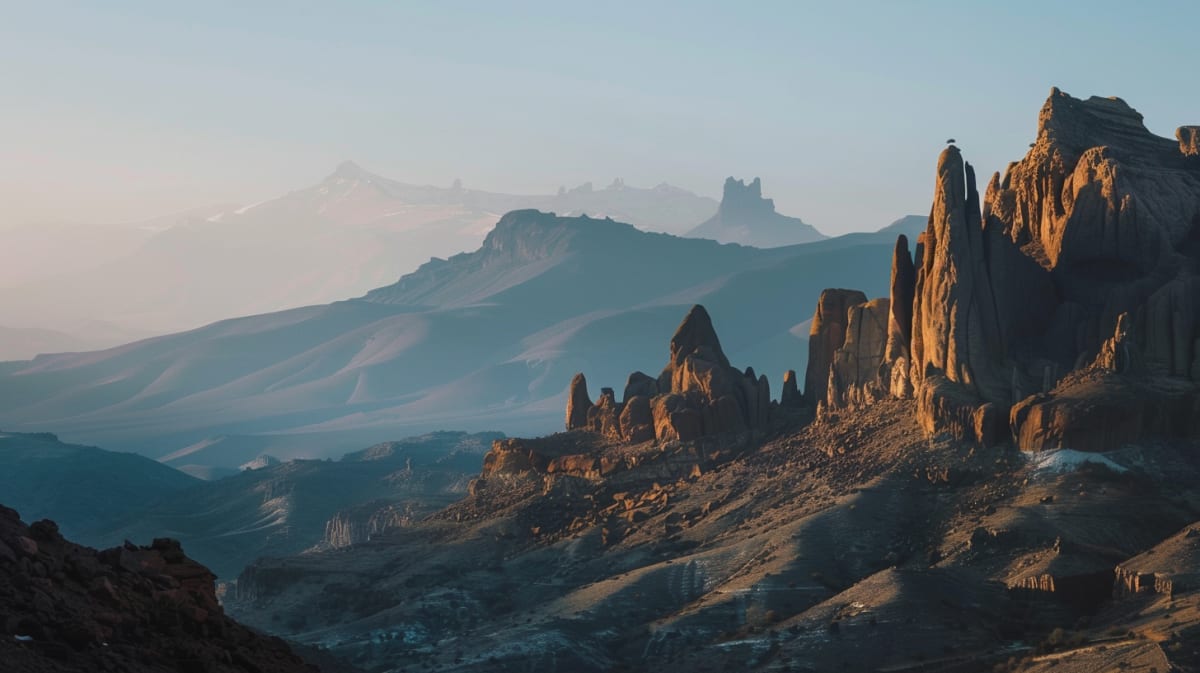
Jebel Saghro rises between the Atlas and the Sahara — volcanic spires and basalt plateaus where Aït Atta nomads still move their flocks across terrain that looks like Mars in winter light. When Toubkal is buried in snow and the high passes are closed, Saghro opens — cool days, skies so clear the stars arrive before sunset finishes, and nobody. Not nobody as in few people. Nobody. You walk through landscapes that crunch under your boots, the volcanic rock sharp-edged, the nomad tents appearing in valleys where the water collects. The fire at night crackles with tamarisk. The tagine arrives blackened from the flames. Six days in the mountains that wait for December and reward you for coming.

Day 1
Ouarzazate
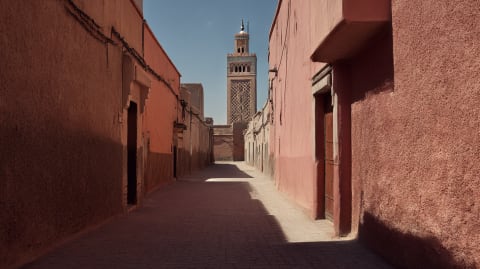
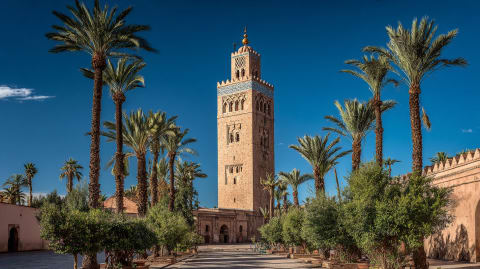
The road climbs until Marrakech disappears — first the palms, then the minarets, then the haze. Stone villages cling to slopes where the light shifts by the hour, women carrying bundles of firewood along paths that predate the tarmac by centuries. Switchbacks tighten around you like a held breath. Your ears pop at the pass — 2,260 metres, the highest paved road in Morocco. The south side is different. Drier. Warmer. The colour changes from green to ochre in the space of a single bend. By afternoon, the mountains release you into silence. Ouarzazate waits — not as a destination but as a threshold. A glass of tea arrives before you ask. The mint cuts through the dust on your tongue.
Day 2
Dades
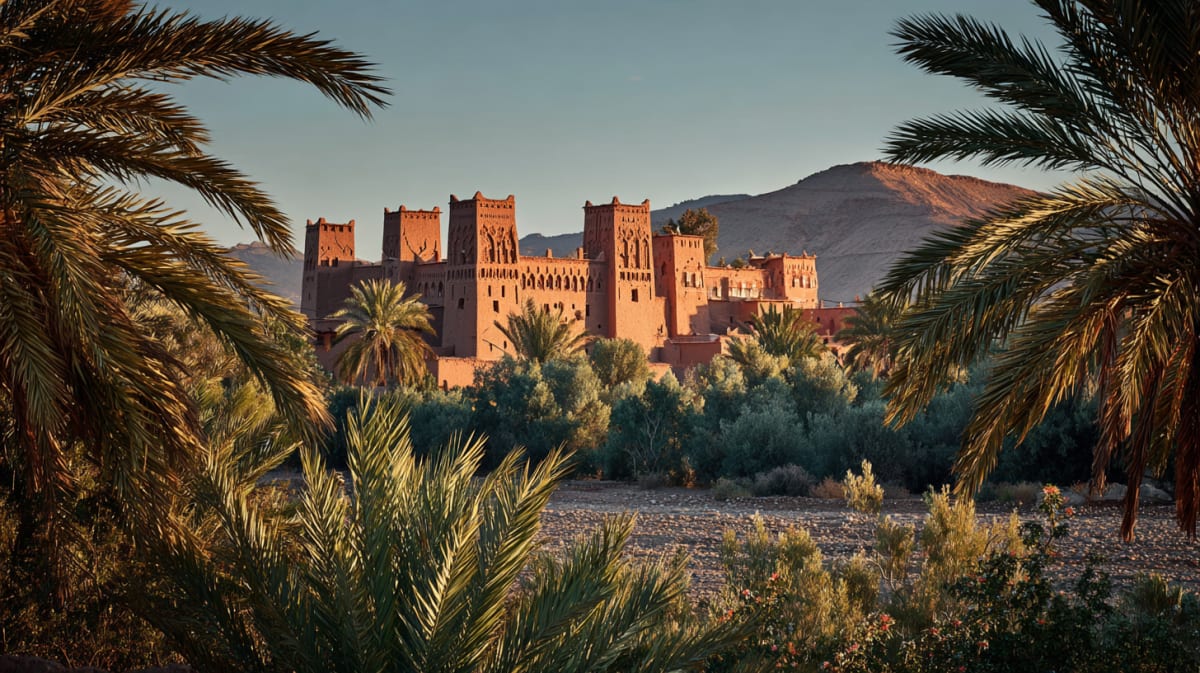
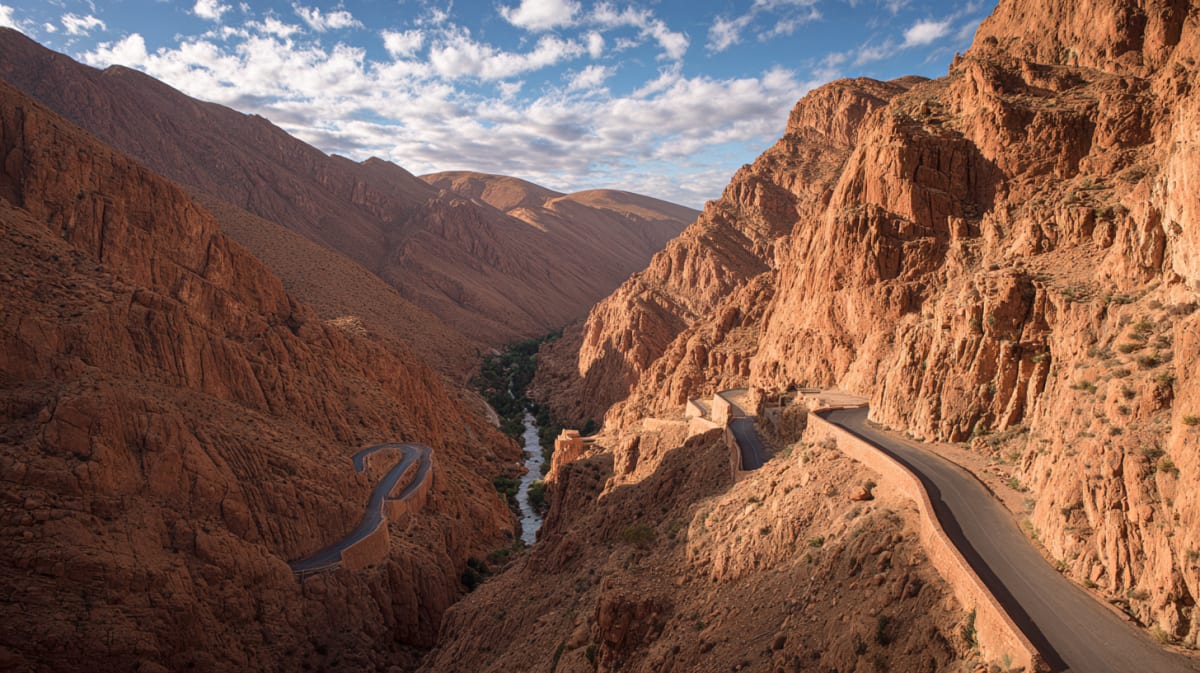
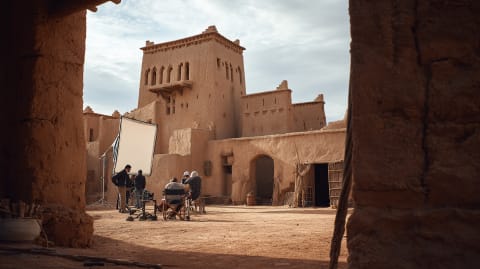
East from Ouarzazate into the valley of roses. Skoura's palmeraie hides kasbahs behind every turn — Amridil still standing, still occupied, its tower catching light that changes all day long. The road narrows through Kalaat M'Gouna where the harvest perfumes entire towns each spring — damask rose, so thick in the air you taste it on your lips. By evening, the Dades Gorge walls close in. The rock twists into formations they call monkey fingers — columns of stone eroded into impossible balancing acts. You understand why they call this the road of a thousand kasbahs. Each one is a sentence in a story written in mud.
Day 3
Ouarzazate
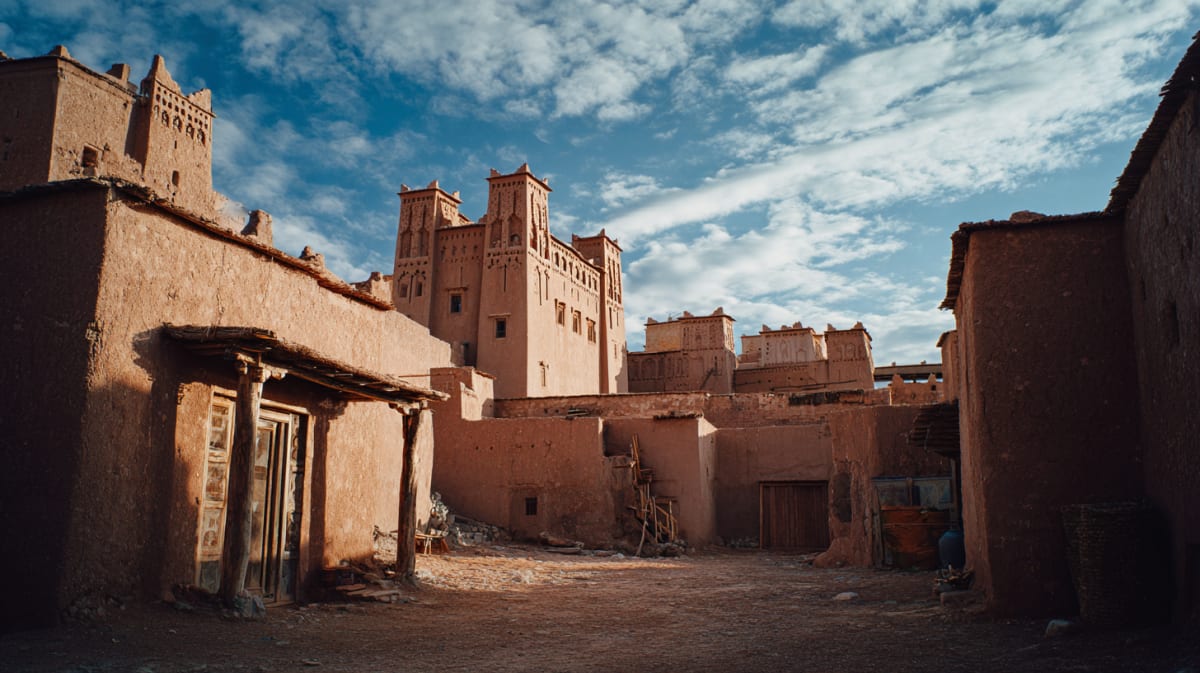
West through the valley they call the Road of a Thousand Kasbahs. Every bend reveals another — mud towers rising from the green, some crumbling, some still lived in, their walls the exact colour of the earth they grew from. Skoura's palmeraie stretches for seventeen kilometres, date groves hiding structures that were fortresses once and are stories now. In spring the Rose Valley blooms pink along every irrigation channel, the air so sweet your lungs feel rinsed. Ouarzazate waits at the crossroads where the valley meets the mountain. Gateway to somewhere. Threshold to everywhere. The café on the main street serves coffee and the view of the Atlas.
Day 4
Marrakech
The crossing in reverse. Aït Benhaddou in morning light — the clay glows different at this hour, amber and warm, the ksar casting long shadows across the river. Then the climb. Tizi n'Tichka at 2,260 metres, the road switching back through shepherd country where the air tastes of thyme and cold stone. Your ears pop. The pass holds its breath. The descent reveals the Haouz plain — flat, green, impossibly different from the desert you woke in. Marrakech appears under the Atlas like it's been waiting for you specifically. The first glass of orange juice costs five dirhams and tastes like sunlight.
Private Journeys
Plan this journey.
This route is private, and shaped around how you want to move through the country. Tell us what you're hoping to find — we'll design the trip around it.
There is more
This is just the shape of the route.
The full story — where the road changes, what the maps don't name, which detours are worth the dust — lives in the Slow Morocco letter. Written from the medina. Sent when it matters.
No frequency promises. Unsubscribe anytime.





From the Archive