10 Days
Deep South Morocco
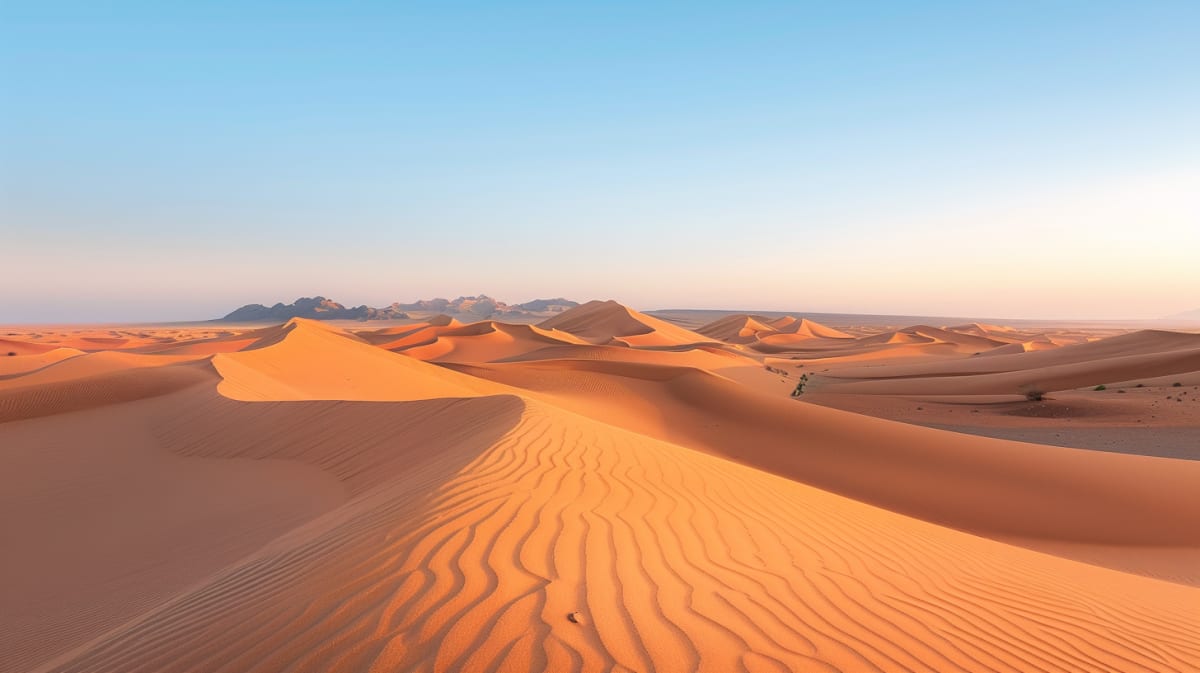
Most visitors turn back at Merzouga. This route keeps going — past the tourist dunes, past the last paved road, into the Morocco that doesn't appear on Instagram because the Wi-Fi disappeared two days ago and nobody misses it. Erg Chigaga's pristine sand, untouched and enormous. The Draa Valley's oasis ribbon where palms line the river for 200 kilometres. Towns where Saharan Africa begins and the faces and the music and the food shift toward something the north doesn't know and hasn't asked about. Foum Zguid where the road remembers how to be a road again. Tata where the Anti-Atlas rises from the desert floor. Ten days reaching places that feel like the end of the mapped world. You come back quieter. The silence follows you home and unpacks its bags.
Day 1
Marrakech
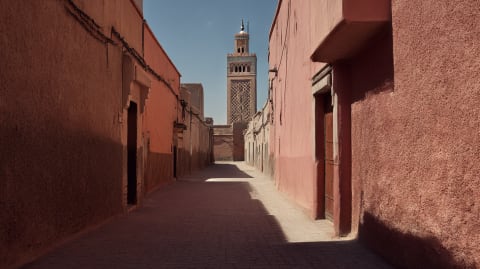
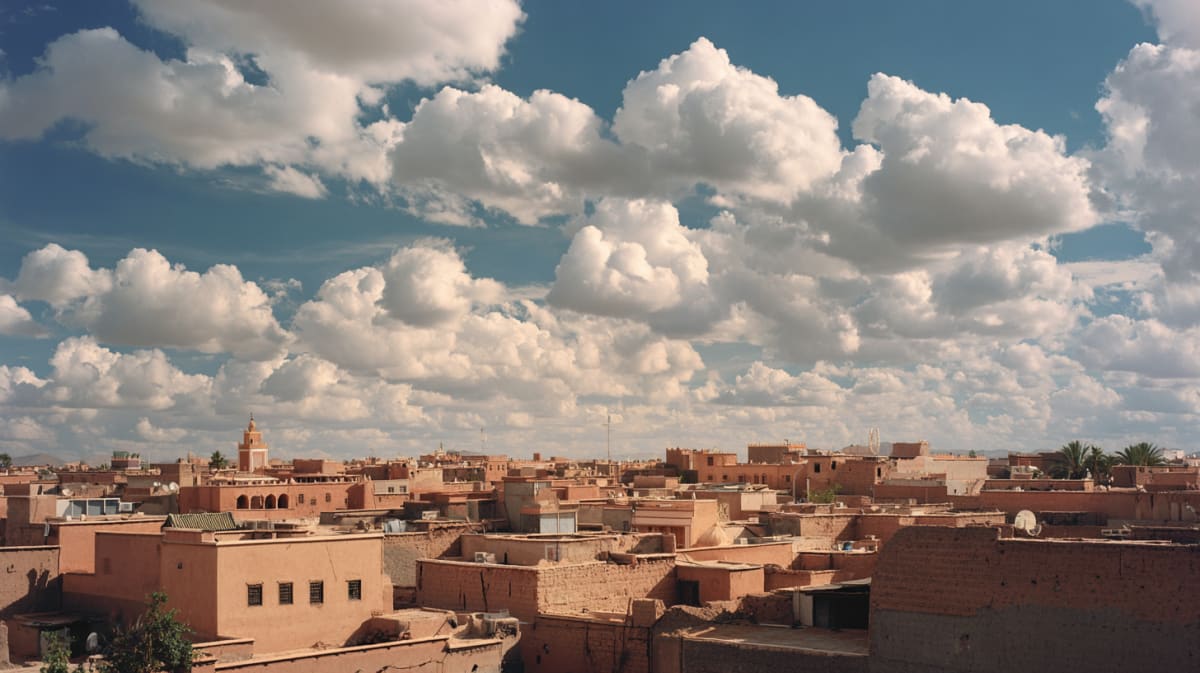
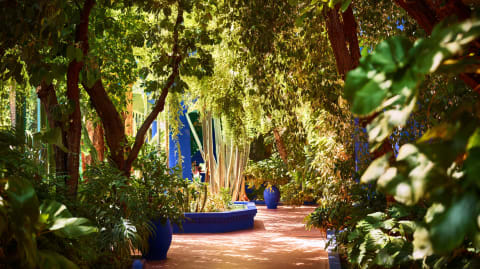
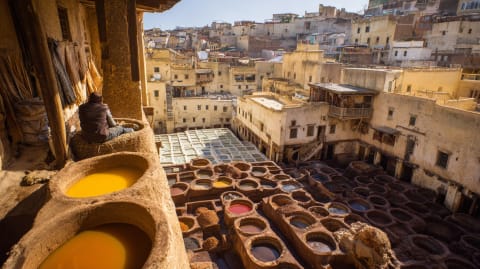
The souks spiral inward by specialty—leather, brass, carpets, spices. Each turn narrows. Bahia Palace holds its painted ceilings in afternoon shadow. The hammam strips you down to quiet. By evening, Jemaa el-Fna transforms. Smoke rises from a hundred grills. Storytellers gather crowds. The square has done this for centuries. It doesn't need your permission.
Day 2
Tamnougalt
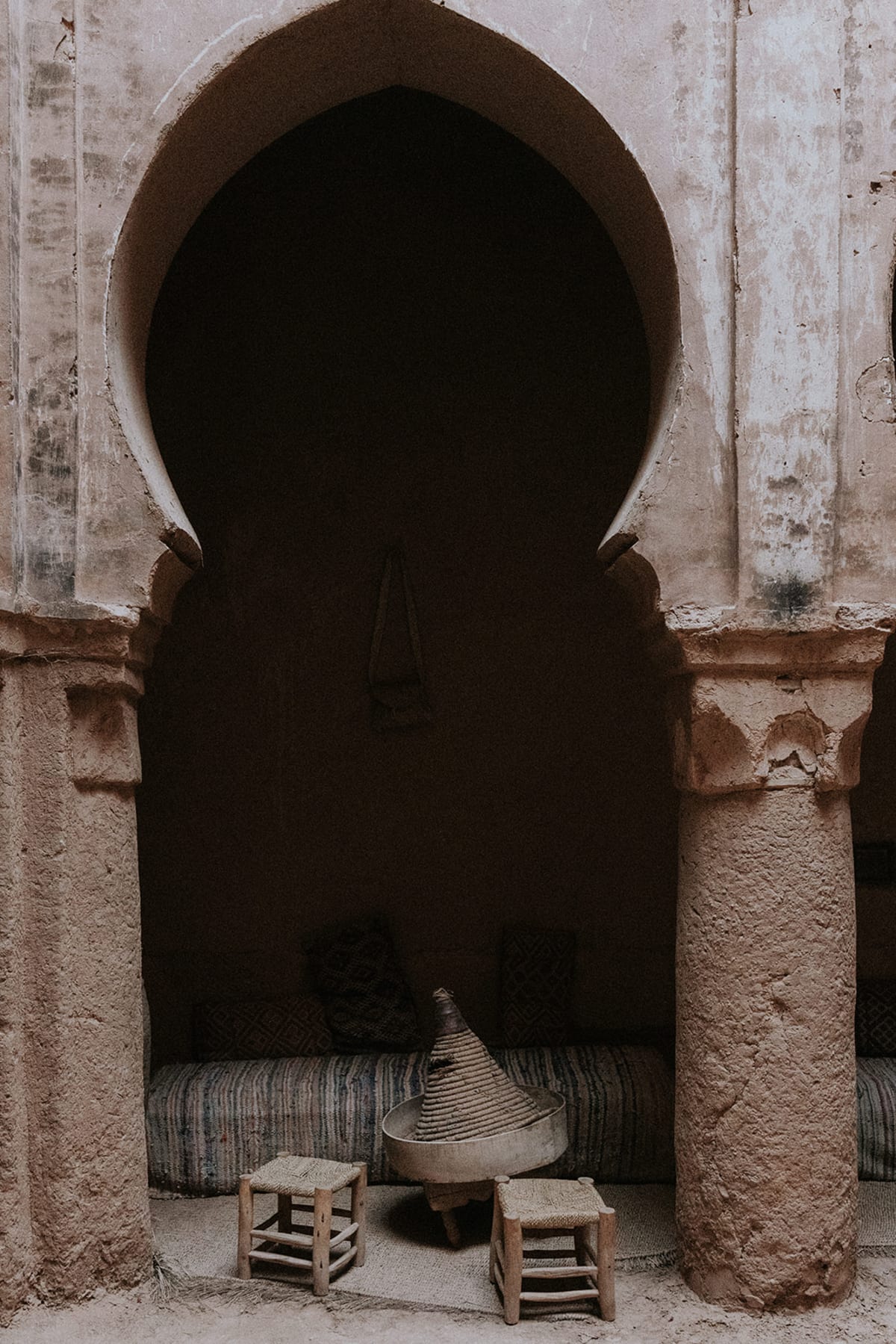
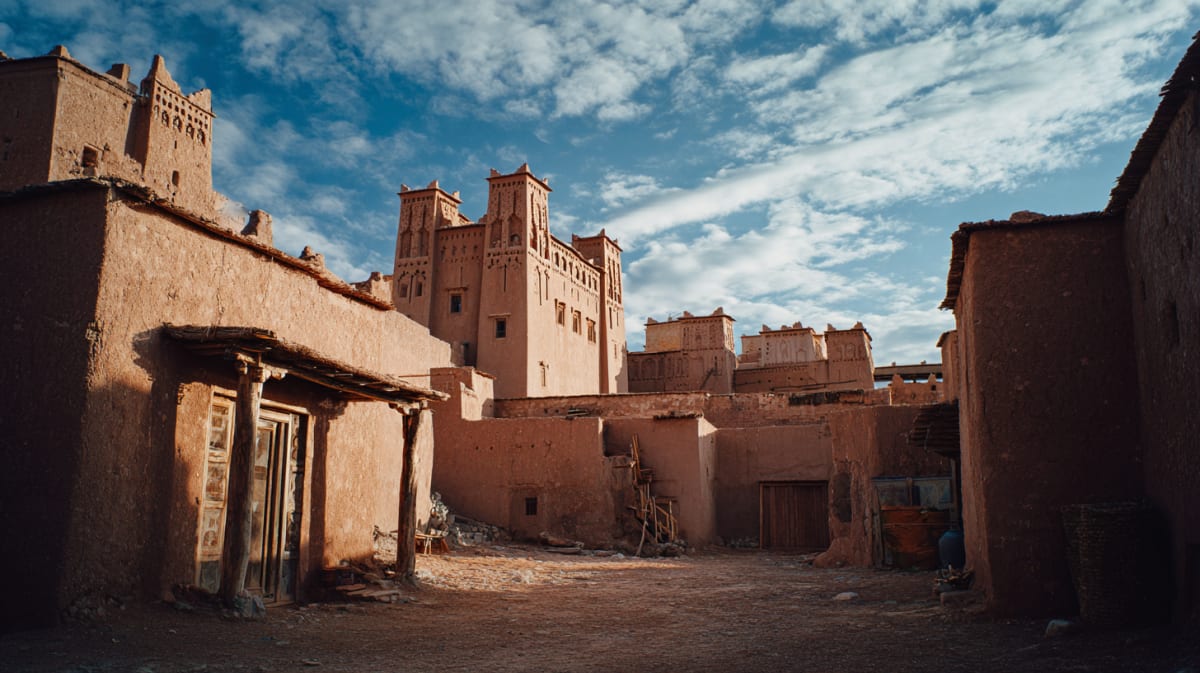
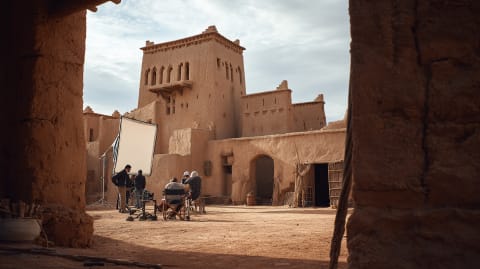
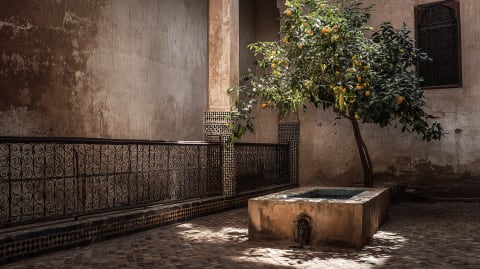
The Atlas swallows you whole — switchbacks, ears popping, Marrakech dissolving behind you. Past the summit the colour changes. Green to gold to rust. Past Ouarzazate the land exhales into the Draa — an impossible ribbon of palms splitting the red earth, the smell of date flowers drifting through the vents like warm honey. Tamnougalt doesn't announce itself. Inside the kasbah your hand finds a wall and it's cool — four hundred years of mud and straw holding the afternoon at bay. A man brings tea. The glass burns your fingers. The mint is sharp, then sweet. Nobody speaks. The silence here isn't empty. It is full.
Day 3
Erg Chigaga
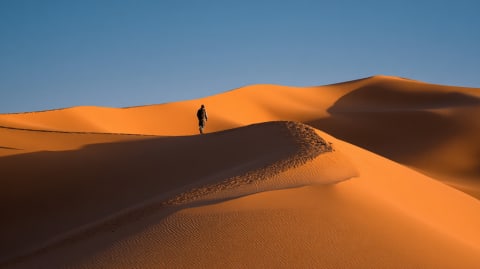
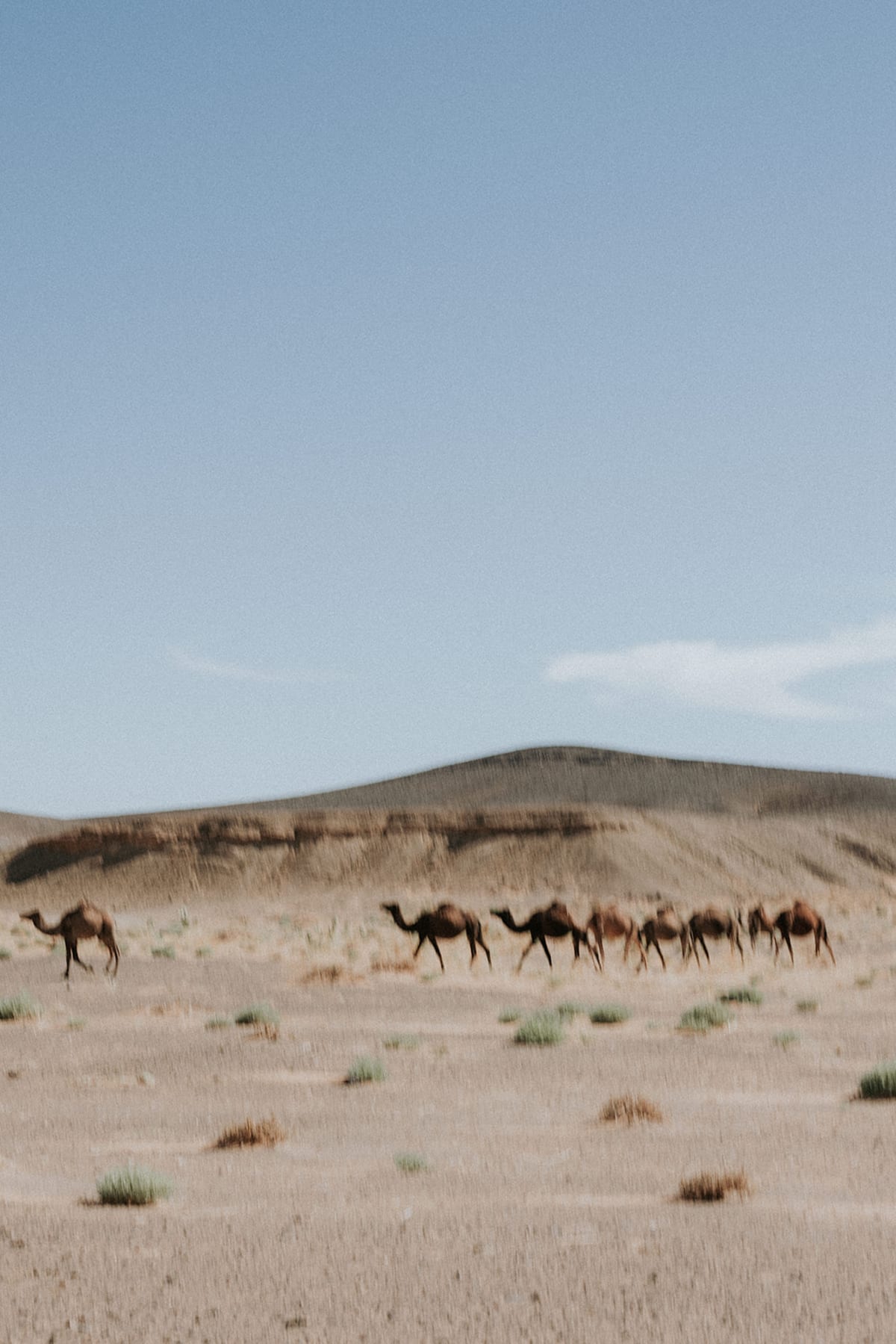
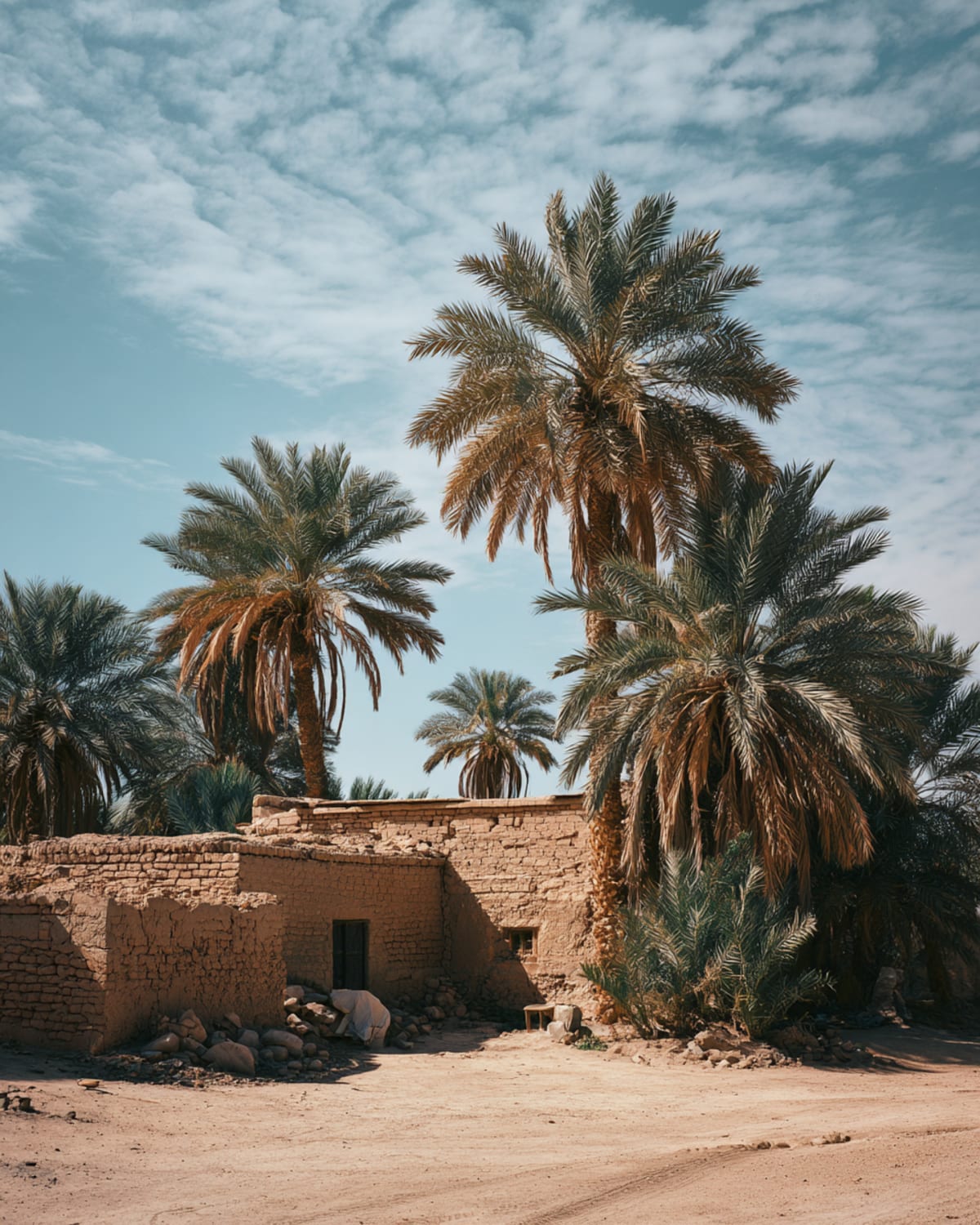
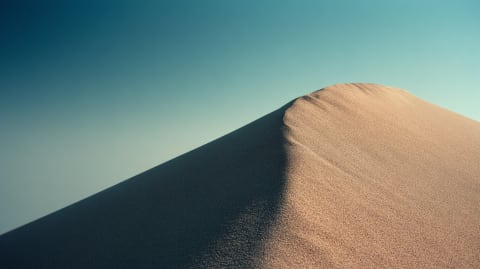
The Draa Valley stretches south. Zagora passes like a half-remembered name. Beyond M'Hamid, the road ends and the desert begins. Erg Chigaga rises in golden waves—pristine, remote, untouched by easy access. Camp appears at the edge of dunes. No generators. No performance. Just sand still warm from the day, and stars arriving early.
Day 4
Foum Zguid
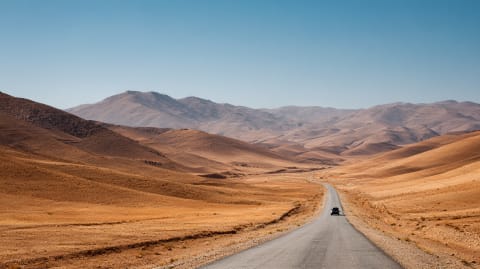
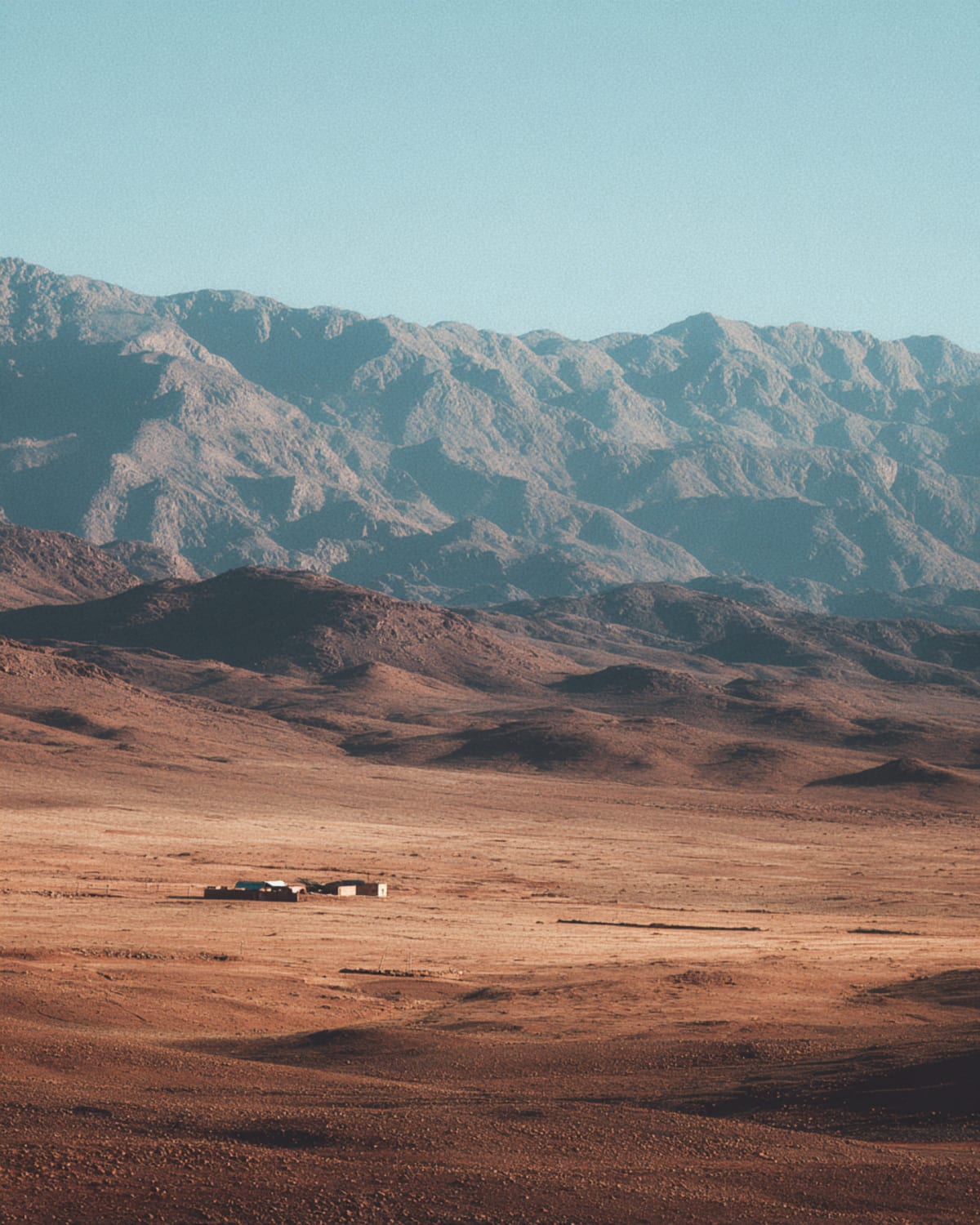
North from the pristine dunes. The sand releases you slowly, reluctantly — soft track giving way to rocky hammada, the camp shrinking to a point in the mirror. M'Hamid passes, the last town before nothing, where the tarmac starts again like a promise kept. Then the track finds Foum Zguid — an outpost at the edge of the Sahara where the road remembers how to be a road again. The café serves coffee so strong and sweet it makes your teeth ache. The silence of the dunes is still ringing in your ears. You carry sand in places you didn't know sand could reach.
Day 5
Marrakech
The long road home. Taznakht passes where the women weave — geometric rugs in natural dyes, each one a map of something the weaver won't explain. Ouarzazate marks the turn north. Then the climb — Tizi n'Tichka winding upward through shepherd country, the Atlas showing its spine, the air cooling degree by degree. You pass through the altitude where the landscape changes from desert amber to mountain green. Marrakech appears below as the pass releases you, red and sprawling under the haze. The desert stays in your skin. You can still feel the sand between your fingers when you close your hand.
Day 6
Marrakech
The souks spiral inward by specialty—leather, brass, carpets, spices. Each turn narrows. Bahia Palace holds its painted ceilings in afternoon shadow. The hammam strips you down to quiet. By evening, Jemaa el-Fna transforms. Smoke rises from a hundred grills. Storytellers gather crowds. The square has done this for centuries. It doesn't need your permission.
Day 7
Zagora
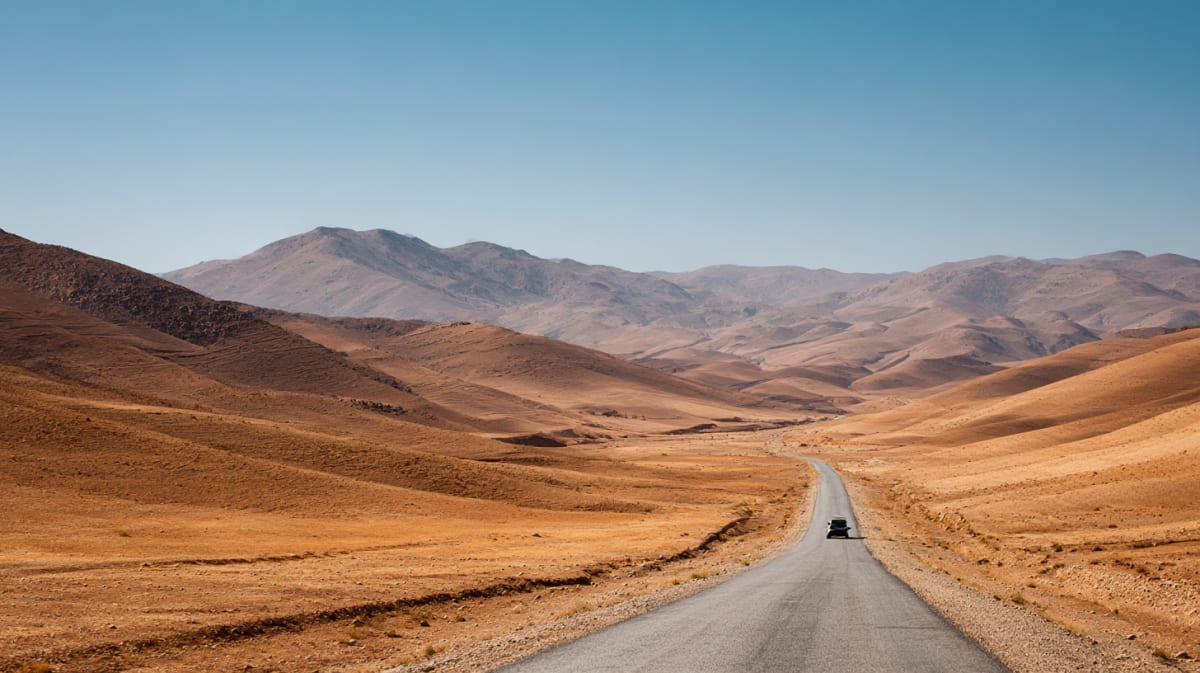
Over the Atlas at Tizi n'Tichka. The pass doesn't announce itself — you're just suddenly above everything, the air thin and cold, the road carved into the mountainside. Aït Benhaddou rises from red earth on the south side like it grew there, clay walls that have watched caravans for seven centuries. Then Ouarzazate, then the Draa. For two hundred kilometres the road follows Morocco's longest river — palm groves and kasbahs repeating like breathing, the green impossible against the rust. A roadside stop for dates, warm and amber, bought from a man whose hands are the same colour as the earth. Zagora marks where the road used to end. Beyond here, fifty-two days to Timbuktu. The sign still says so.

Day 8
Marrakech
North through the Draa. Palm groves repeat for two hundred kilometers—green against rust, kasbahs rising and falling. Ouarzazate, then Ait Benhaddou in different light. The climb to Tizi n'Tichka. The descent into the Haouz. Marrakech appears and the desert becomes a dream you can't quite remember. But it stays in your skin.

Day 9
Ouarzazate
The road climbs until Marrakech disappears — first the palms, then the minarets, then the haze. Stone villages cling to slopes where the light shifts by the hour, women carrying bundles of firewood along paths that predate the tarmac by centuries. Switchbacks tighten around you like a held breath. Your ears pop at the pass — 2,260 metres, the highest paved road in Morocco. The south side is different. Drier. Warmer. The colour changes from green to ochre in the space of a single bend. By afternoon, the mountains release you into silence. Ouarzazate waits — not as a destination but as a threshold. A glass of tea arrives before you ask. The mint cuts through the dust on your tongue.
Day 10
Marrakech
The crossing in reverse. Aït Benhaddou in morning light — the clay glows different at this hour, amber and warm, the ksar casting long shadows across the river. Then the climb. Tizi n'Tichka at 2,260 metres, the road switching back through shepherd country where the air tastes of thyme and cold stone. Your ears pop. The pass holds its breath. The descent reveals the Haouz plain — flat, green, impossibly different from the desert you woke in. Marrakech appears under the Atlas like it's been waiting for you specifically. The first glass of orange juice costs five dirhams and tastes like sunlight.
Private Journeys
Plan this journey.
This route is private, and shaped around how you want to move through the country. Tell us what you're hoping to find — we'll design the trip around it.
There is more
This is just the shape of the route.
The full story — where the road changes, what the maps don't name, which detours are worth the dust — lives in the Slow Morocco letter. Written from the medina. Sent when it matters.
No frequency promises. Unsubscribe anytime.




From the Archive