8 Days
Morocco Through Painters' Eyes
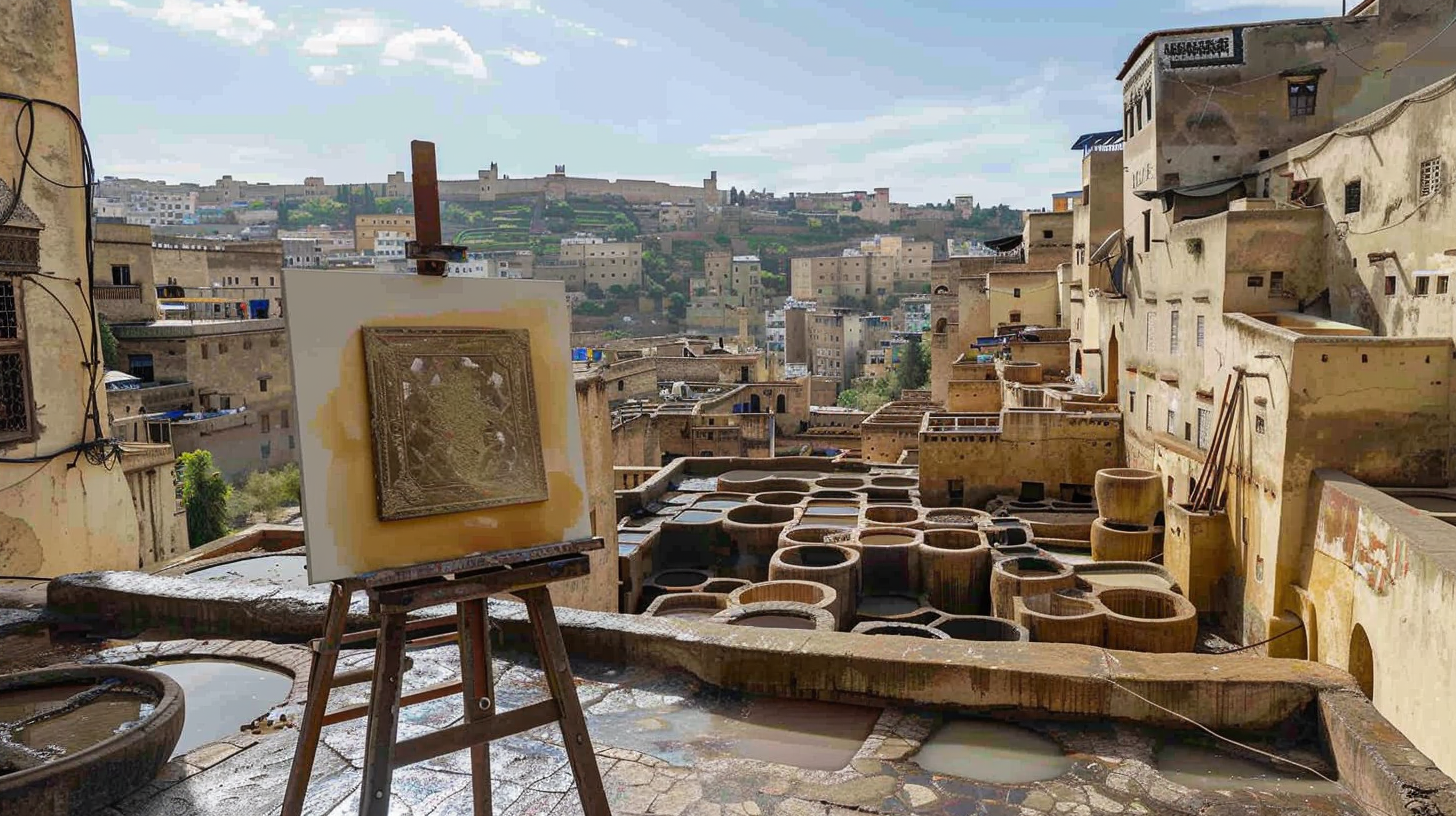
For two centuries, painters came to Morocco and left transformed — their palettes wider, their confidence shaken, their understanding of light permanently altered. Delacroix found Romanticism's palette in Tangier's Jewish quarter in 1832. Matisse discovered Fauvism's light in the same city eighty years later — the same doorways, the same blue, as if the light had been waiting for someone to paint it properly and had not yet been satisfied. Majorelle came to Marrakech and invented a colour that bears his name — electric, absolute, the kind of blue that rewires your optic nerve. Eight days following their footsteps through the cities and landscapes that changed how Europe saw colour. You stand where they stood. The same light falls. You understand it wasn't genius alone — it was Morocco, and Morocco has not finished with painters yet.
Day 1
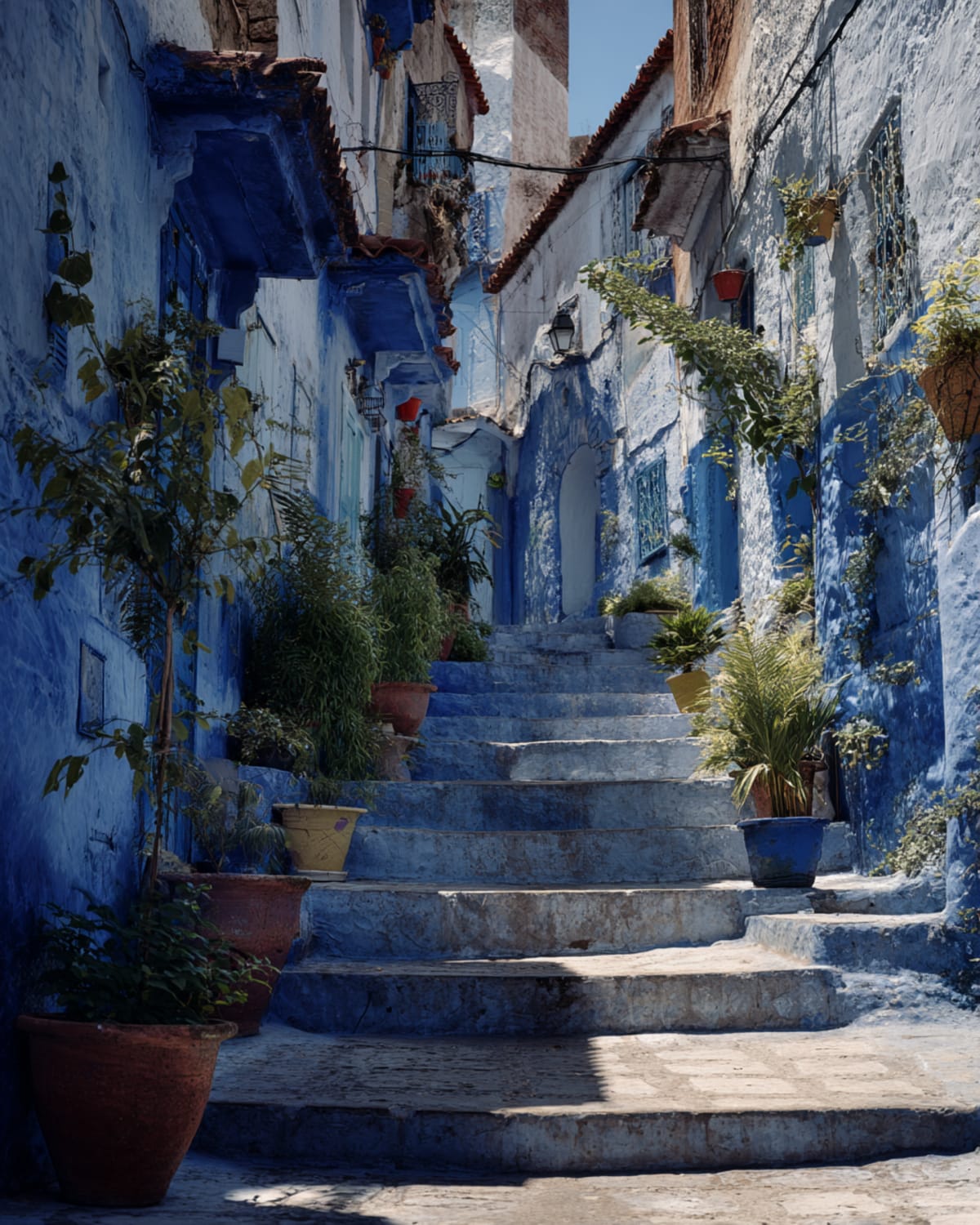
Chefchaouen
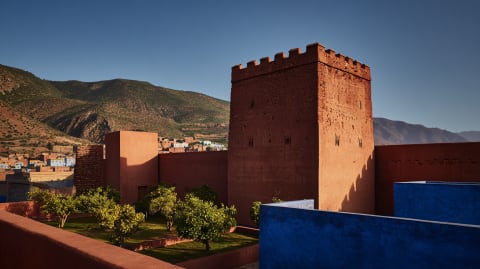
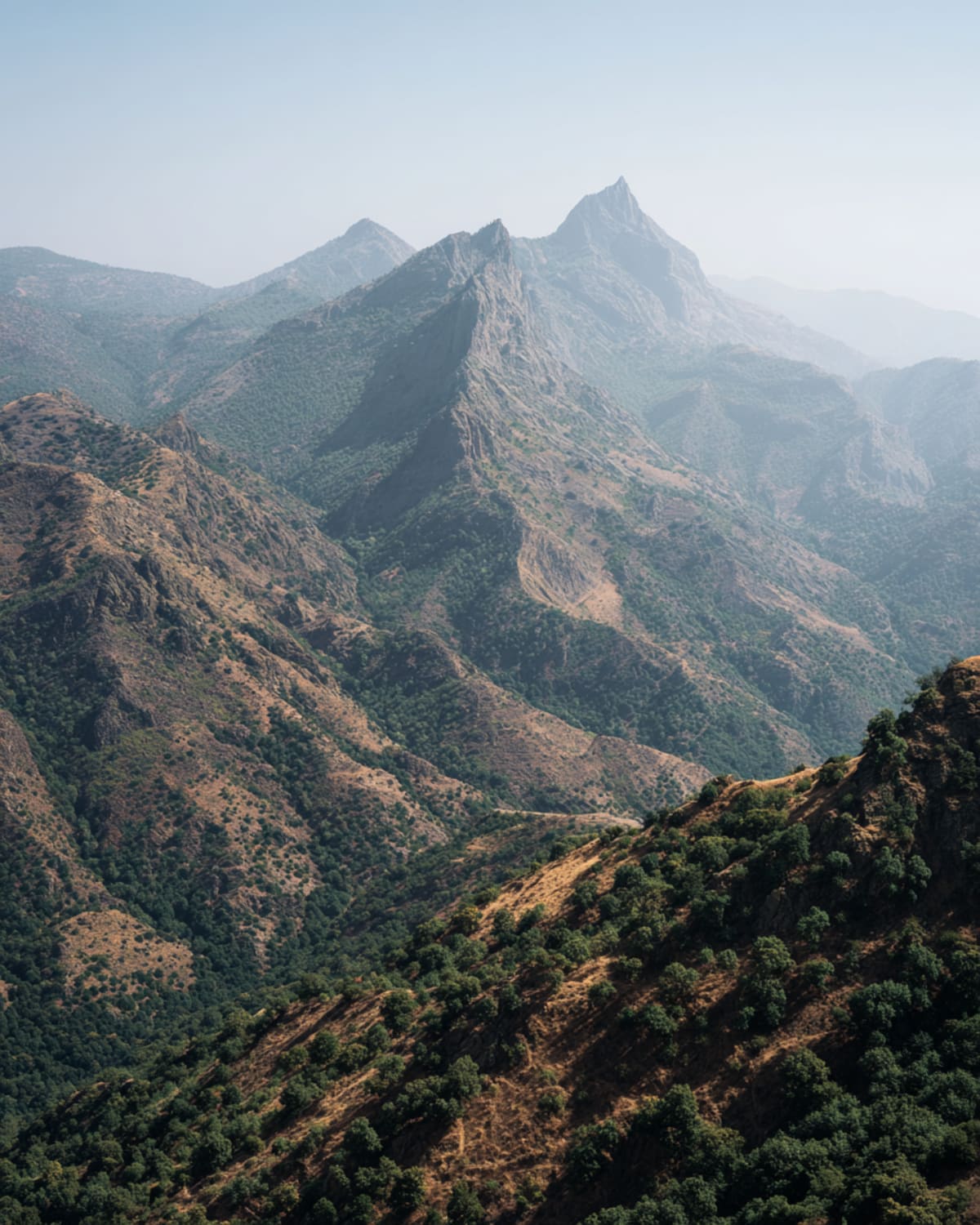
A drive south from Tangier into the Rif Mountains to reach the blue town of Chefchaouen.
Day 2
Fes
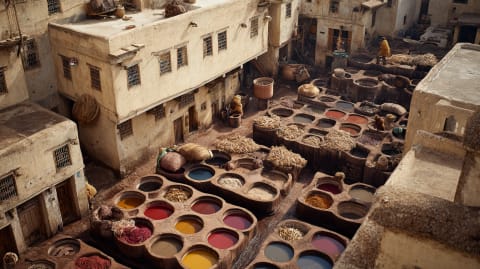
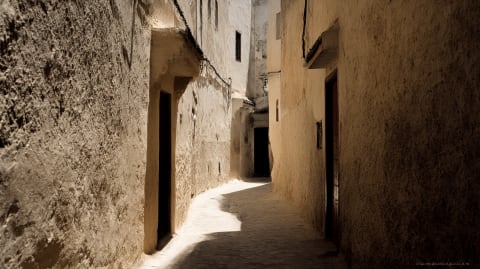
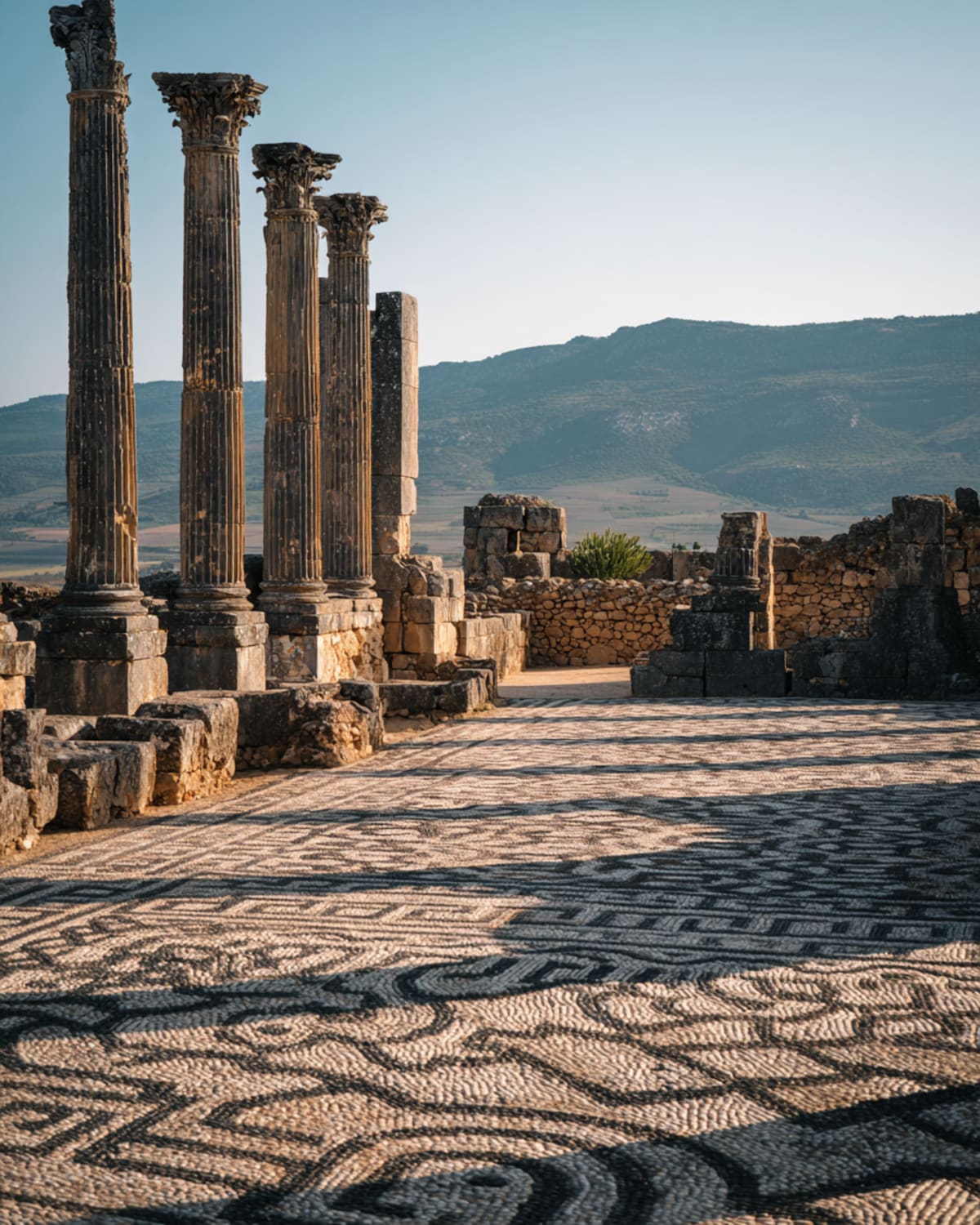
South from the blue hills. The Rif releases you in stages — blue walls fading, green slopes opening, the road finding its rhythm through olive groves and small towns where men play cards outside cafés that have served the same coffee for thirty years. The land flattens into the Saïss plain, golden and vast. Fes appears in its valley the way all great cities should — gradually, the minarets first, then the walls, then the scent of cedar and leather reaching you before you've parked. The medina awaits with its twelve centuries of accumulated intensity. You enter and the maze begins.
Day 3
Meknes
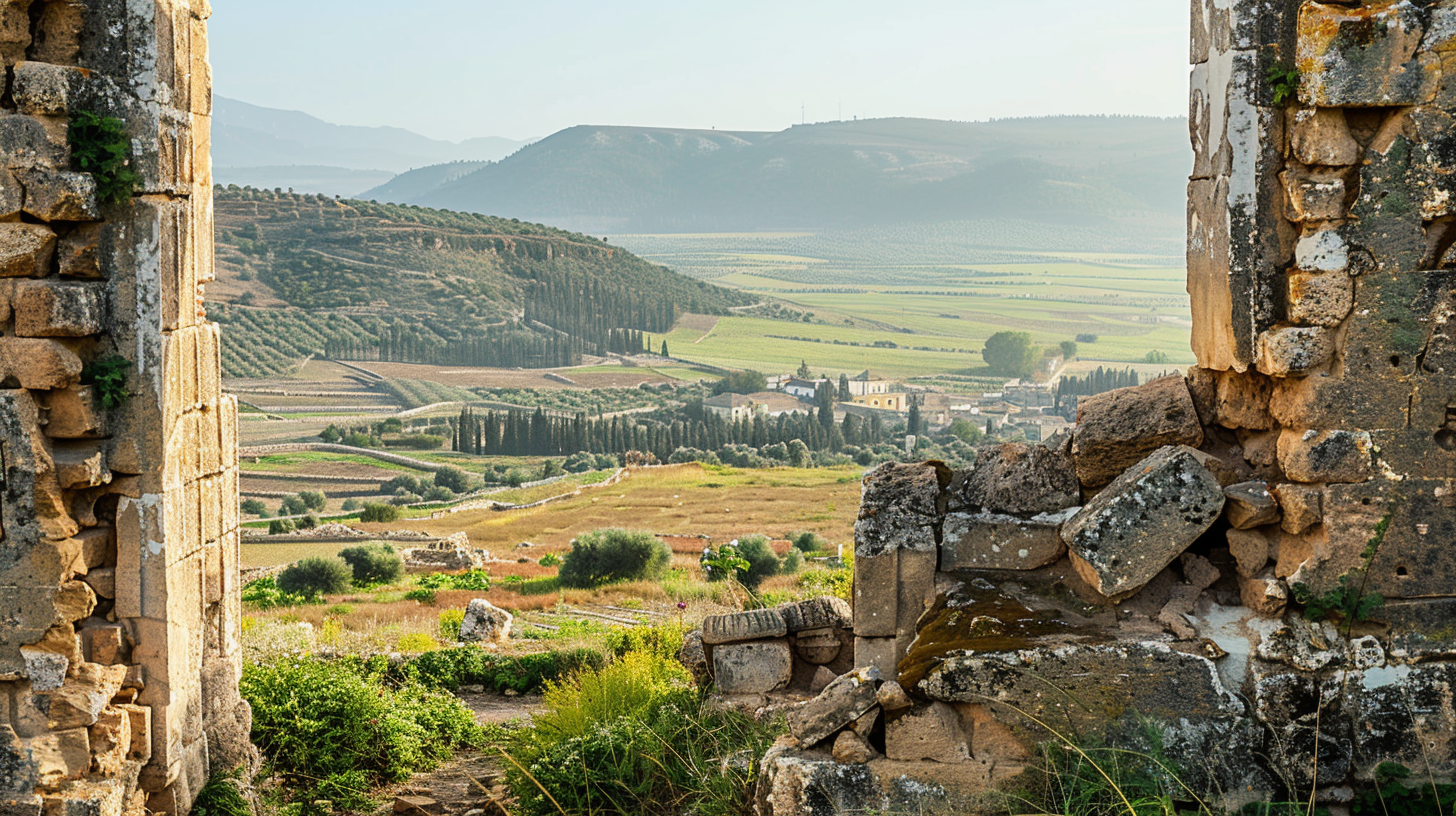
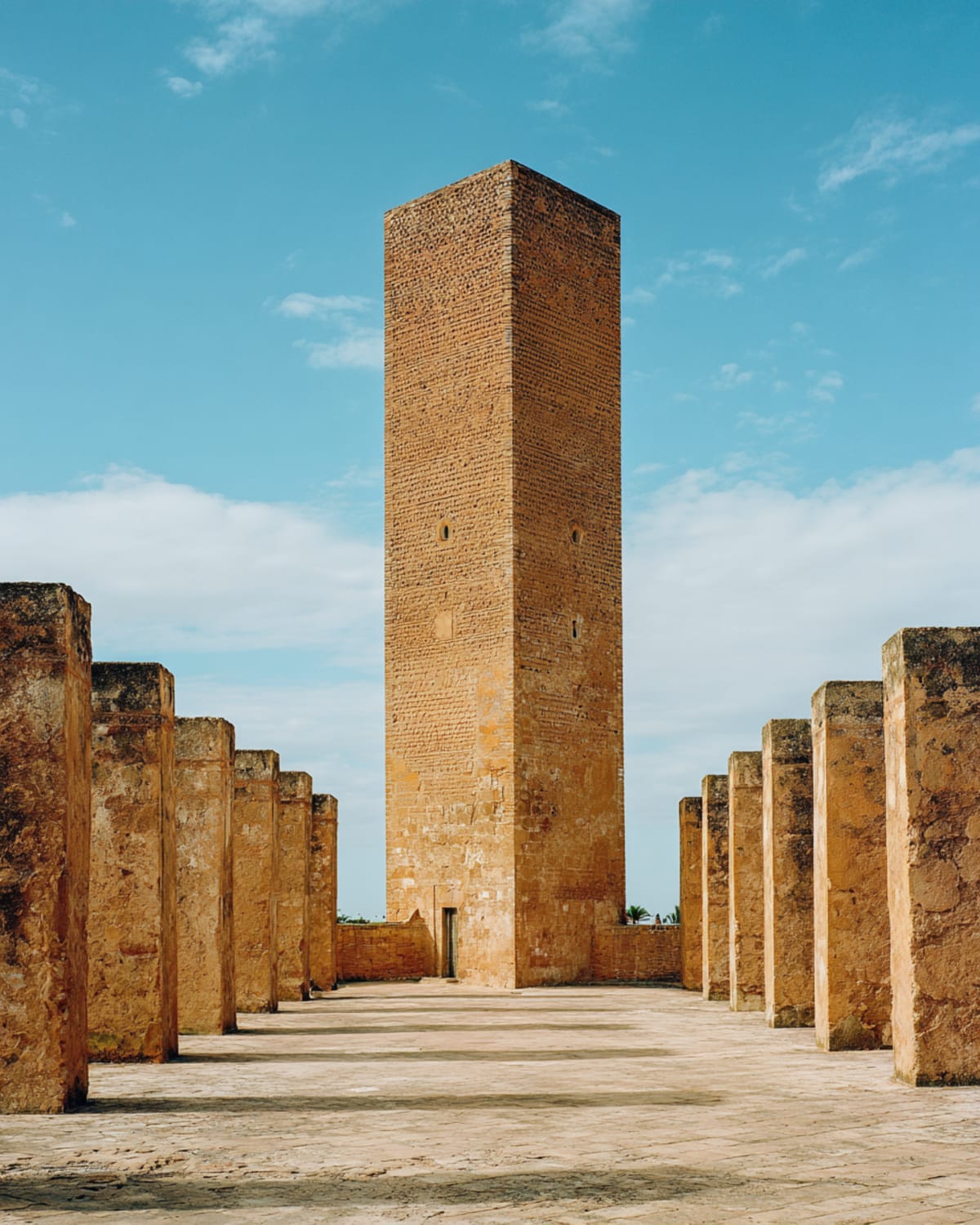
West through the Saïss. The road is short — barely an hour — but the detour changes everything. Volubilis rises from wheat fields like a dream Rome forgot to finish. Columns catch morning light. Mosaic floors lie open to the sky — Orpheus, Bacchus, acrobats and beasts, still vivid after two thousand years. Storks nest on the capitals. The silence is the kind that comes after something enormous has left. Then Meknes — Moulay Ismail's obsession, his answer to Versailles. Bab Mansour's tilework glints. The granaries stretch dark and cool. Two empires in one afternoon.
Day 4
Rabat
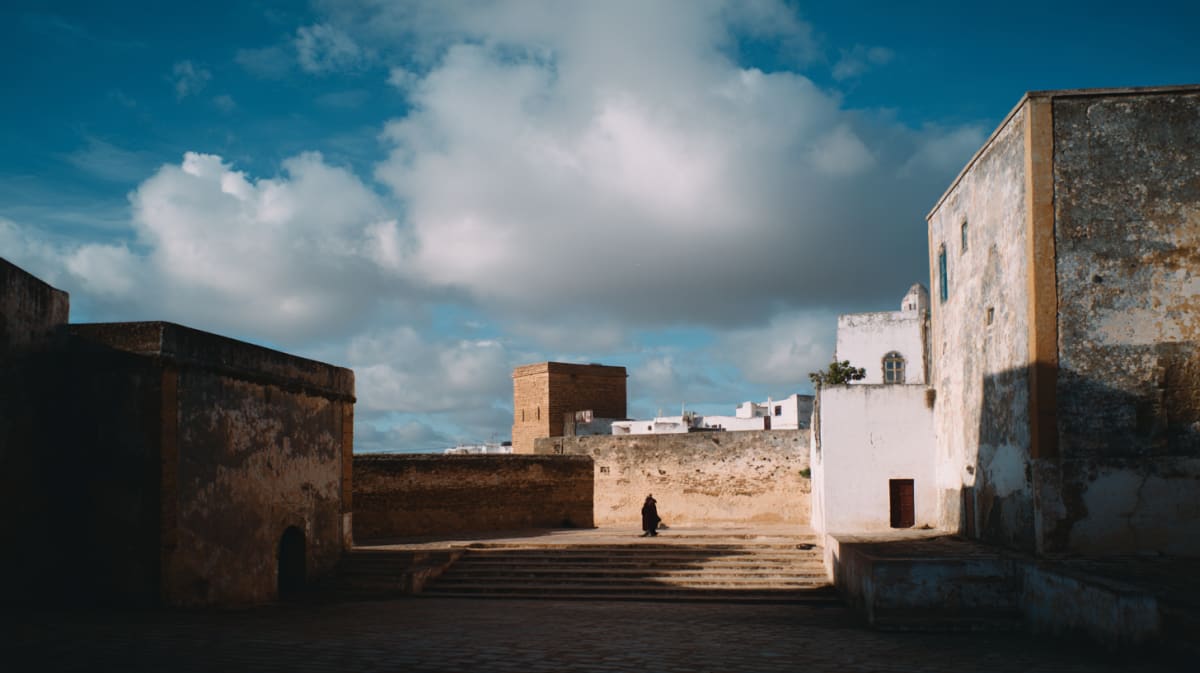
West toward the Atlantic. The Saïss plain stretches under a sky that gets bigger as the land gets flatter. The road cuts through farmland — wheat, sunflowers, the occasional village where a café spills plastic chairs onto the pavement. Rabat appears where the Bou Regreg meets the ocean — white, diplomatic, composed. The kasbah faces the Atlantic from its cliff. The medina is ordered, almost European in its navigability. After Meknes's imperial excess, Rabat feels like the quiet sibling who ended up running the family.
Day 5
Marrakech
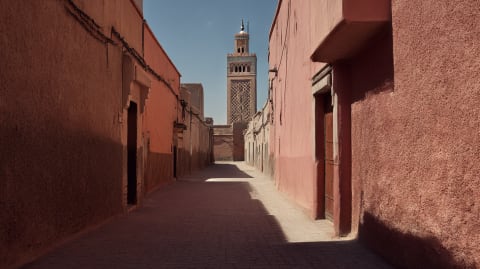
South along the Atlantic corridor. Casablanca passes in concrete and ambition — a city you could spend a week in but today you don't. The Haouz plain opens beyond it, flat and hot, the Atlas growing with each kilometre until the mountains fill the windshield. Snow on peaks. Red city below. Marrakech appears under the Atlas, drawing you in. The medina waits. The souks spiral inward. Jemaa el-Fna begins its evening transformation — smoke from grills, drums from the Gnawa circles, storytellers gathering crowds. The mountain air follows you into the square. The city swallows you whole.
Private Journeys
Plan this journey.
This route is private, and shaped around how you want to move through the country. Tell us what you're hoping to find — we'll design the trip around it.
There is more
This is just the shape of the route.
The full story — where the road changes, what the maps don't name, which detours are worth the dust — lives in the Slow Morocco letter. Written from the medina. Sent when it matters.
No frequency promises. Unsubscribe anytime.