The Languages of Morocco
Darija, Tashelhit, Tamazight, Tarifit, French, Spanish, English — the linguistic landscape
Darija is what Moroccans speak. It is Moroccan Arabic — a spoken language with no standardised written form, distinct enough from Modern Standard Arabic that speakers from the Gulf often cannot understand it. Darija absorbs freely from French, Spanish, Amazigh, and increasingly English. The word for car is tomobil. The word for fridge is frigidir. The word for clever is fhim — pure Arabic.
Modern Standard Arabic — fusha — is the language of government, education, and the Quran. Every Moroccan studies it in school. Almost no one speaks it spontaneously. It is read, written, and recited. It is not conversational.
French is the language of business, higher education, and the urban elite. The legacy of 44 years of protectorate, it remains the primary language of instruction in medicine, engineering, and commerce. Job listings in Casablanca routinely require fluency. The relationship with French is complex — necessary but resented, ubiquitous but not constitutionally official.
Spanish survives in the north. Tangier, Tetouan, Nador, and the former Spanish zones retain Spanish as a working language. Older residents in Tetouan speak it fluently. The Spanish enclaves of Ceuta and Melilla create a living border where Spanish and Darija mix daily.
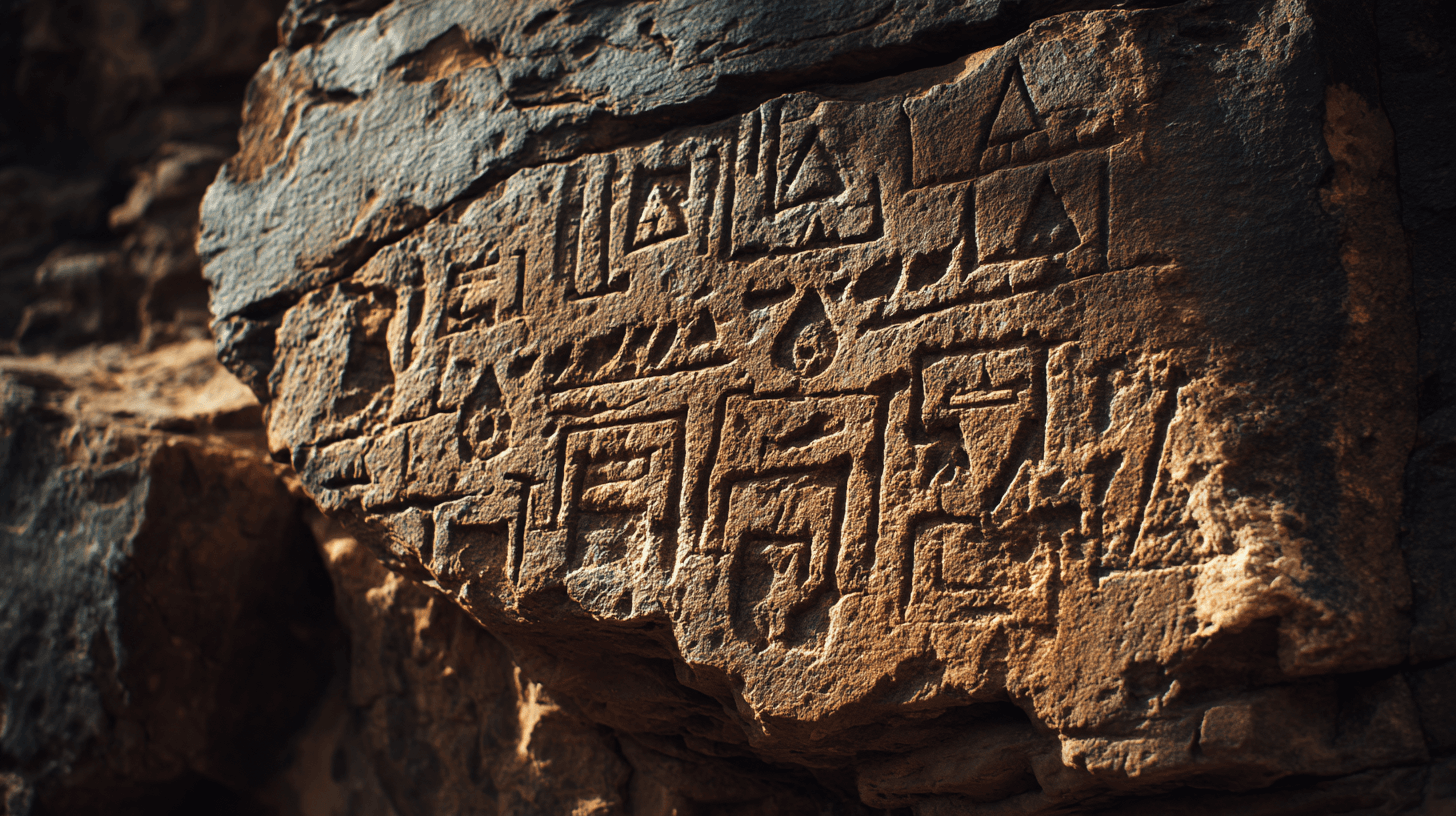
The three Amazigh languages — Tashelhit, Tamazight, and Tarifit — became constitutionally official in 2011. Amazigh is taught in some primary schools and appears on official signage in Tifinagh script. But implementation is slow. Urban Amazigh speakers increasingly shift to Darija with their children.
English is the rising language. Young Moroccans learn it from YouTube, Netflix, and gaming. English-language call centres are a major employer. In tourism, English has overtaken French as the most useful foreign language. The shift is generational — anyone under 30 in a tourist city speaks some English. Anyone over 50 speaks French.
Explore the full interactive module — with language distribution maps, code-switching patterns, and the demographic data behind Morocco's linguistic kaleidoscope — at Dancing with Lions: https://www.dancingwiththelions.com/data/languages-of-morocco
Interactive Module
Data and visualisation by Dancing with Lions