The Moroccan Calendar
Three calendars in one country — Hijri, Gregorian, and Amazigh agricultural
The Hijri calendar is lunar — twelve months of 29 or 30 days, totalling 354 or 355 days per year. It governs all religious observance: Ramadan, Eid al-Fitr, Eid al-Adha, Mawlid (the Prophet's birthday), and the Hajj pilgrimage season. Because the lunar year is shorter than the solar year, Islamic holidays drift backward through the Gregorian calendar by approximately 11 days annually. Ramadan in 2026 falls in late February to March; a decade later it will fall in winter.
The Gregorian calendar governs civil life — government, business, international trade, education, and daily scheduling. Morocco adopted the Gregorian calendar for civil purposes under the French protectorate and retained it after independence. New Year's Day on January 1 is a public holiday but carries less cultural weight than the Islamic and Amazigh new years.
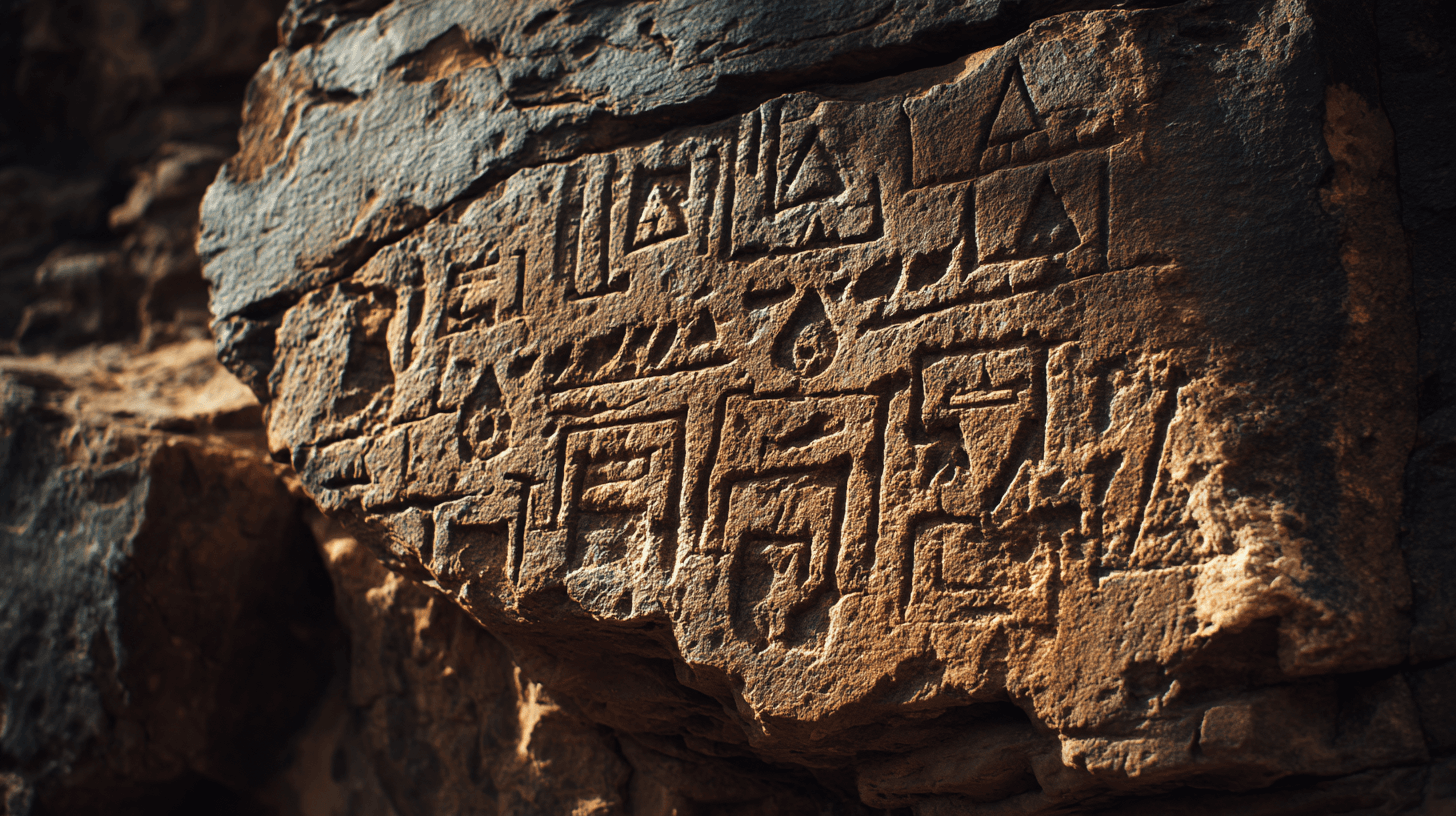
The Amazigh calendar — Yennayer — is agricultural. It begins on January 13 (Gregorian), corresponding to the Julian calendar's January 1. The year count starts from 950 BCE, when the Amazigh king Sheshonq I became pharaoh of Egypt. Yennayer 2976 corresponds to Gregorian 2026. Morocco officially recognised Yennayer as a national holiday in 2024 — a significant cultural acknowledgment.
The three calendars create overlapping rhythms. A Moroccan farmer in the Atlas might plant according to the Amazigh agricultural calendar, fast during Ramadan according to the Hijri calendar, and sell produce at the weekly souk on a Gregorian schedule. The three systems are not competing — they govern different domains of life.
Public holidays reflect the layering: Throne Day (July 30, Gregorian), Eid al-Adha (Hijri), Yennayer (Amazigh), Independence Day (November 18, Gregorian), Mawlid (Hijri). Government offices and banks close on all of them. The result is a country with more public holidays than almost any other — the price and the privilege of running three calendars.
Explore the full interactive module — with all three calendars synchronised, holiday dates, and the agricultural timing mapped — at Dancing with Lions: https://www.dancingwiththelions.com/data/moroccan-calendar
Interactive Module
Data and visualisation by Dancing with Lions