The Route of a Thousand Kasbahs
Aït Benhaddou to Skoura — fortified mud-brick architecture of the Drâa-Tafilalet
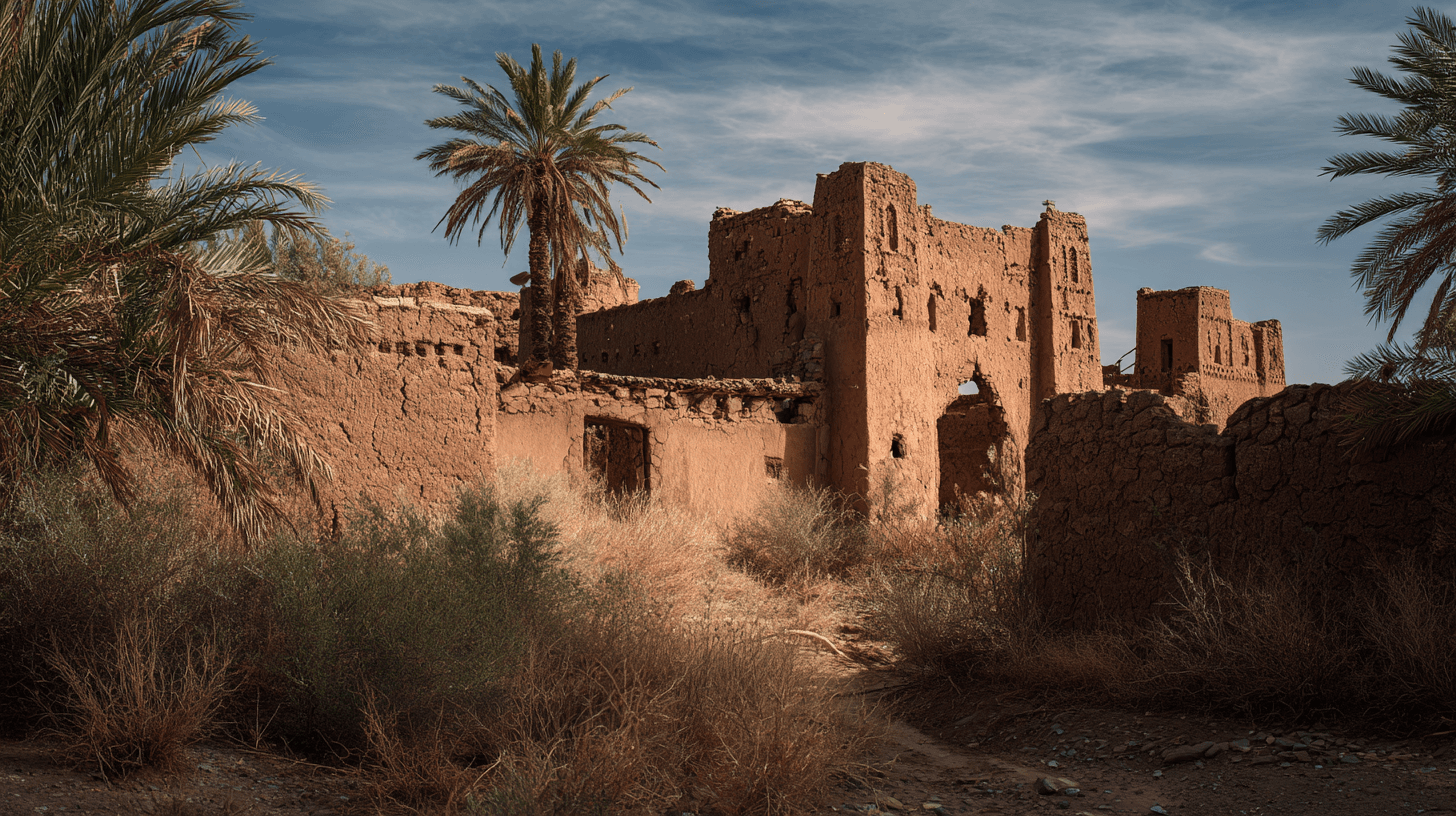
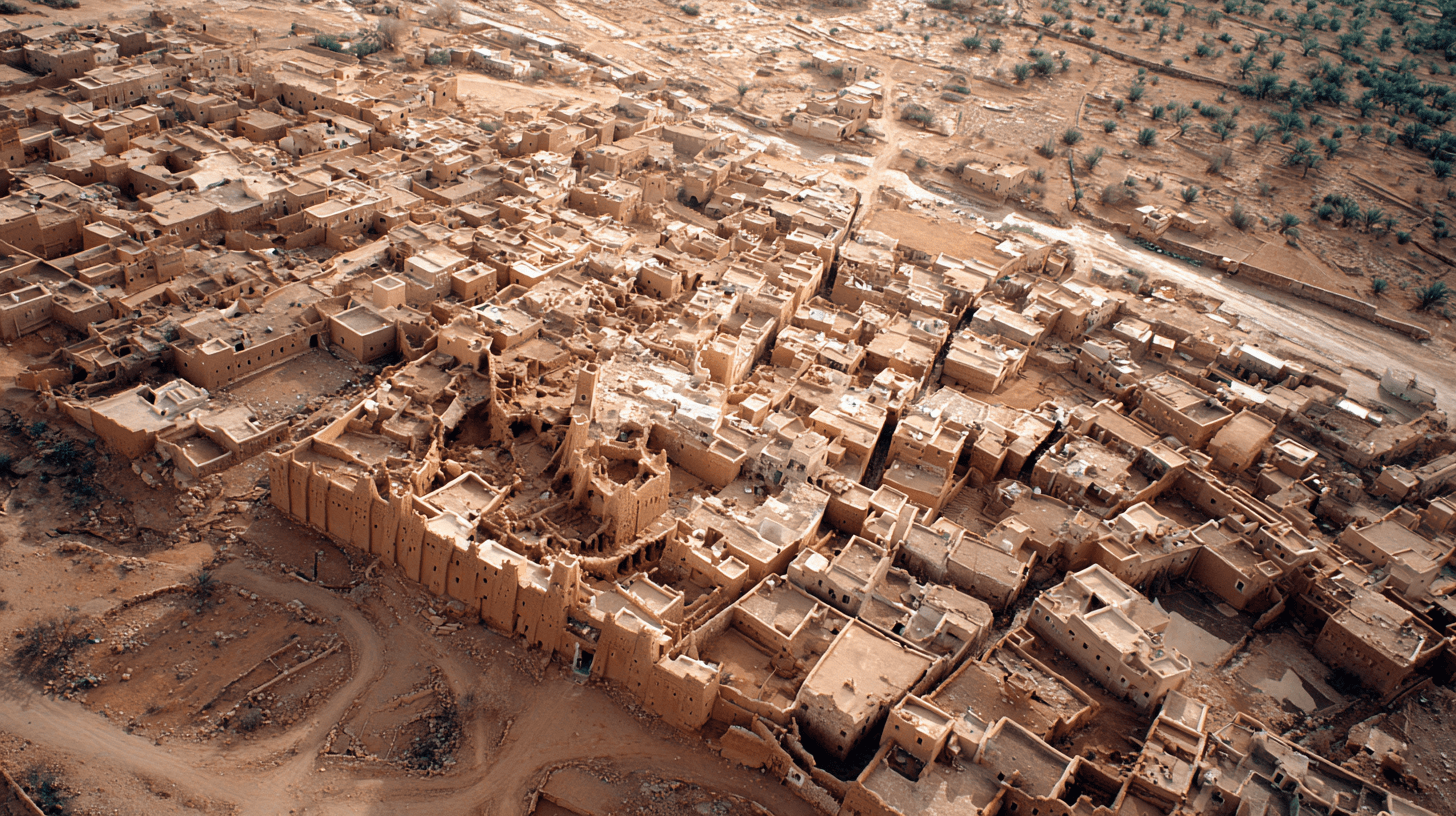
A kasbah is a fortified house. A ksar is a fortified village. Southern Morocco has over 4,000 of them — clustered along the Drâa and Dadès valleys, perched on ridges above palm oases, guarding the passes through the High Atlas.
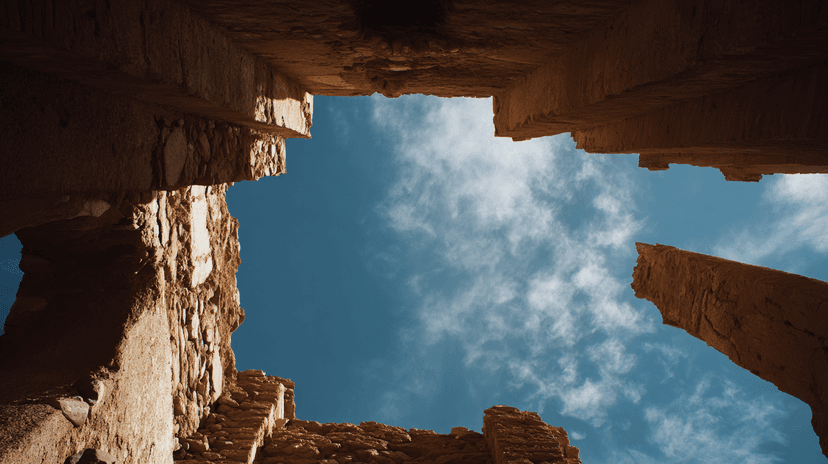
The material is pisé — rammed earth. A wooden form is filled with a mixture of earth, straw, and water, then compacted by hand or foot. The form is raised, and another layer is added. A wall rises at roughly 60 centimetres per day. When the form is removed, the wall stands — massive, thick, and naturally insulated. Cool in summer. Warm in winter.
Aït Benhaddou is the most famous — UNESCO World Heritage since 1987, film location for Lawrence of Arabia, Gladiator, and Game of Thrones. It sits on a hillside above the Ounila River, its towers and walls cascading downward in a geometry that looks sculpted rather than built. Six families still live inside. The rest have moved to the modern village across the river.
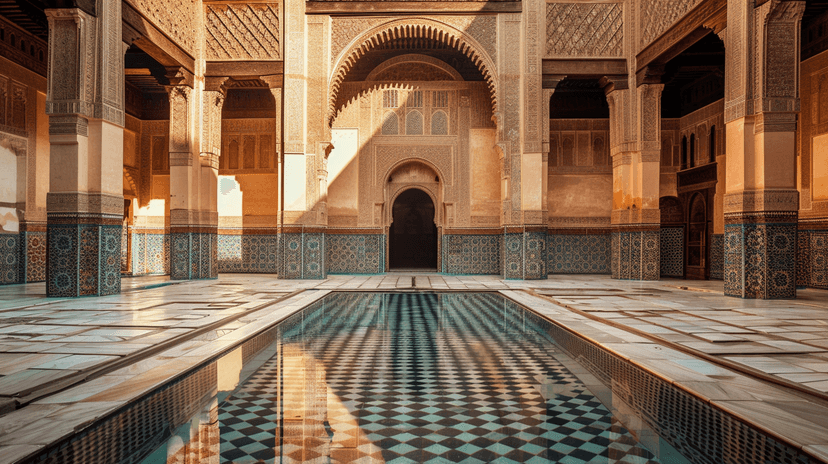
The Glaoui dynasty controlled this corridor in the 19th and early 20th centuries. Thami el-Glaoui, the Pasha of Marrakech, built or expanded kasbahs from Telouet to Ouarzazate. The Kasbah of Telouet — his mountain stronghold — contains some of the finest zellige and painted cedar work in Morocco, slowly crumbling because no one has maintained it since his fall from power in 1956.
Skoura's palm groves contain over 40 kasbahs in various states of preservation. The Kasbah Amridil — still inhabited — is one of the most photogenic in the country. The palm grove itself is a three-tier agricultural system: date palms above, fruit trees in the middle, vegetables and cereals on the ground.
The buildings are dissolving. Pisé requires annual maintenance — mud plaster applied before the rains. Without it, the walls melt. Climate change has intensified the rains in some years and extended the droughts in others. Both are destructive. Every year, kasbahs collapse that will never be rebuilt.
Explore the full interactive module — with the Drâa-Tafilalet mapped, kasbah typologies, and the Glaoui corridor architecture — at Dancing with Lions: https://www.dancingwiththelions.com/data/route-thousand-kasbahs
Interactive Module
Data and visualisation by Dancing with Lions