The Gnawa Road
From West Africa to Morocco to the world — trans-Saharan slave routes, seven spirit colours, the lila ceremony
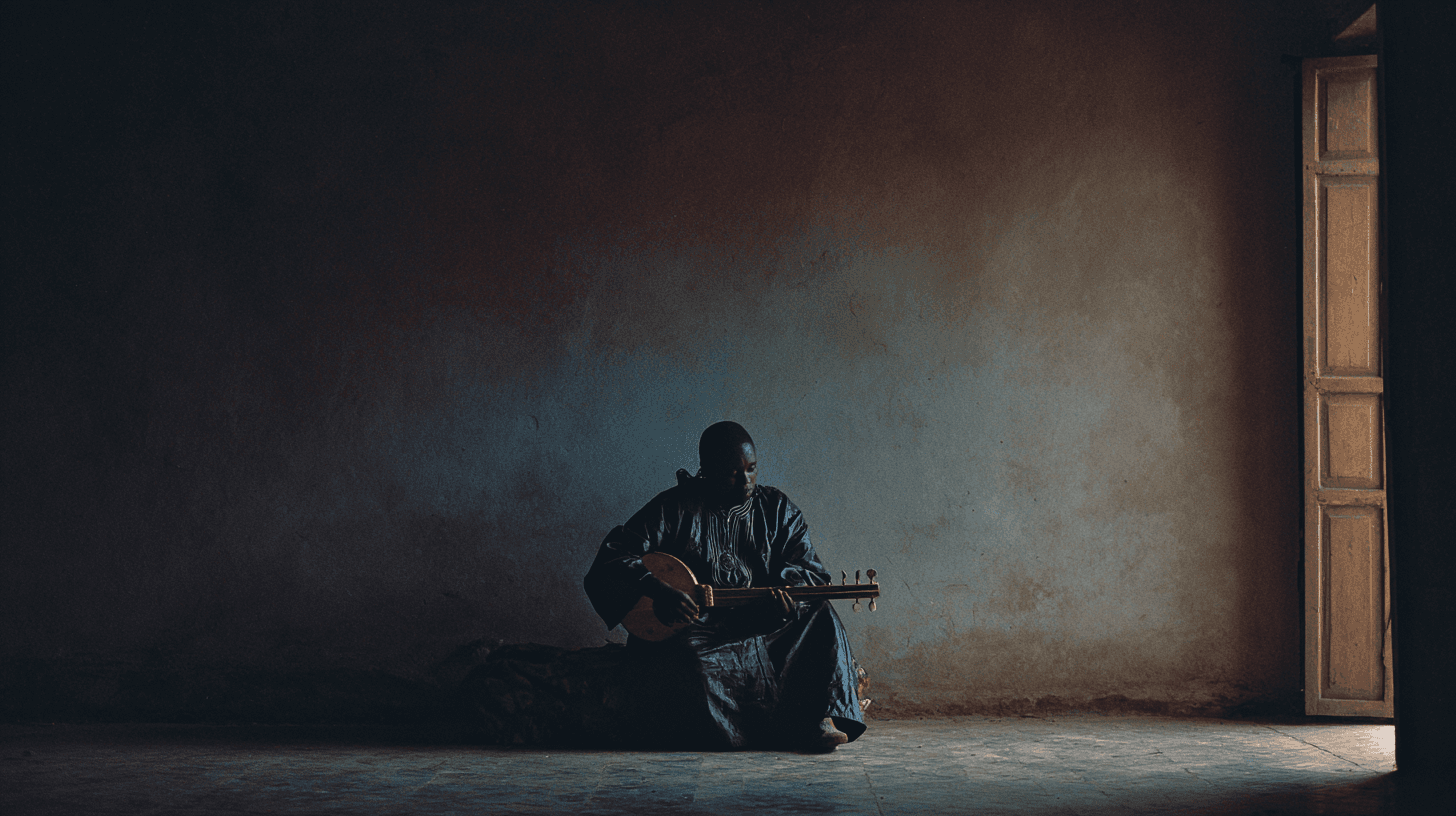
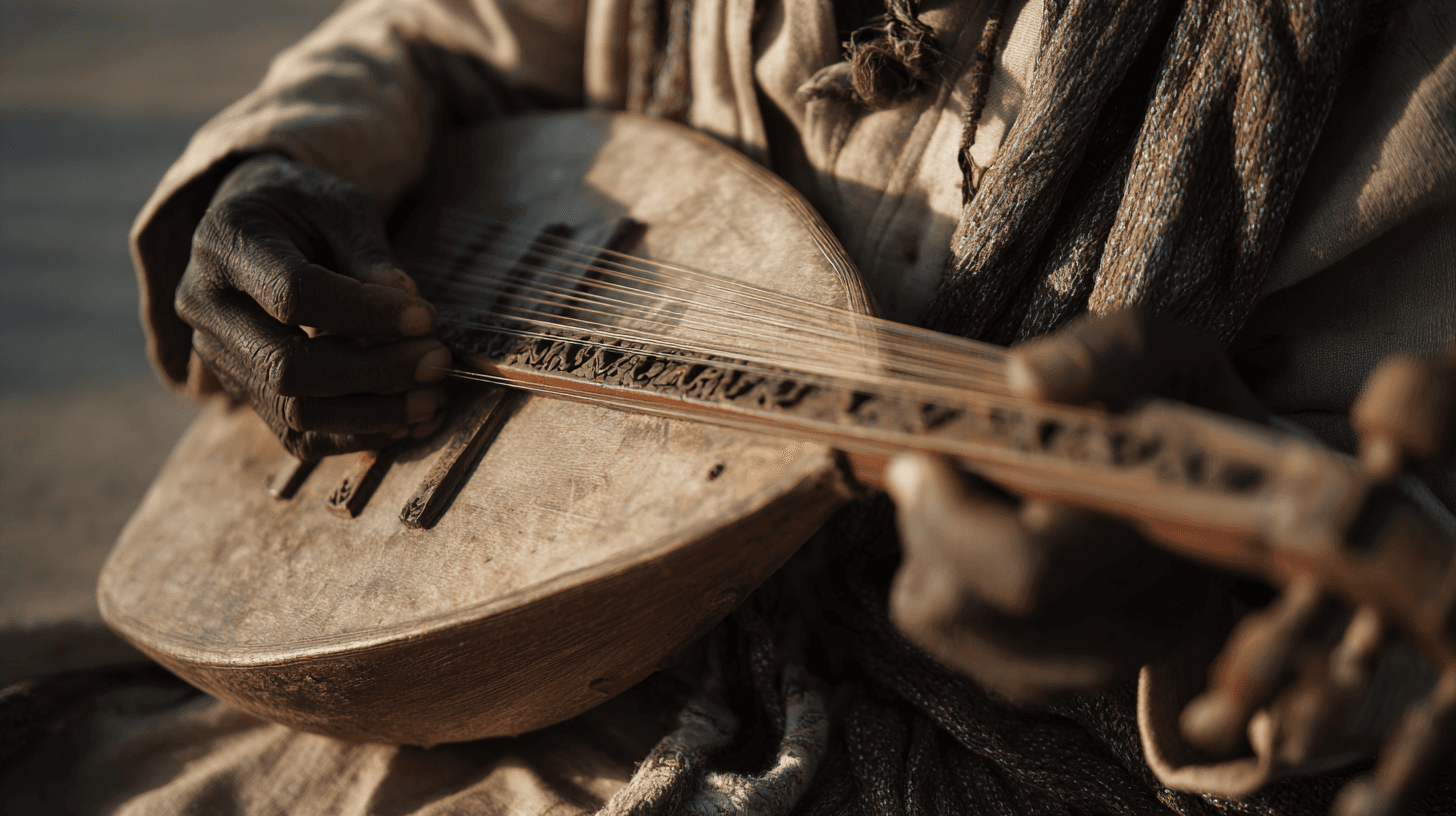
The guembri has three strings. It is carved from a single piece of wood — typically walnut or mahogany — and covered with camel skin. The sound is deep, percussive, and hypnotic. It is not played for entertainment. It is played to call spirits.
The Gnawa are descendants of enslaved people brought from West Africa — primarily from what is now Mali, Guinea, Ghana, and Senegal — along trans-Saharan trade routes. The routes that carried gold and salt northward also carried human beings. The music they brought survived the crossing.
In Morocco, these West African rhythmic traditions fused with Sufi Islam — specifically the trance practices of the zaouias. The result was the lila: an all-night ceremony of music, dance, and spiritual healing that can last from sunset to sunrise.
The lila follows a colour sequence. Each colour corresponds to a spirit family — the mlouk. White for the saints. Blue for the sea spirits. Red for the slaughterhouse spirits. Black for the Gnawa ancestors. Green for the forest. Yellow for the feminine spirits. The maalem — the master musician — moves through these colour-coded suites in a fixed order. Participants dressed in the corresponding colour may enter trance during their suite.
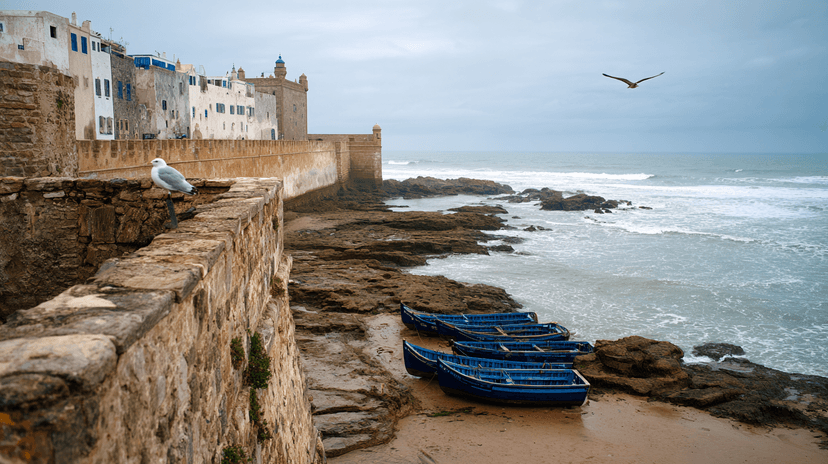
Essaouira is the spiritual capital of Gnawa music. The annual Gnawa and World Music Festival, founded in 1998, draws hundreds of thousands. But the real practice happens in private — in homes, at shrines, at the zaouias of Marrakech's Rahba Kedima and the Mellah.
UNESCO inscribed Gnawa on the Intangible Cultural Heritage list in 2019. The maalem lineages — families that have passed the guembri and the repertoire through generations — are the living archive.
The diaspora extends further than most people know. Stambali in Tunisia. Bori in Nigeria. Vodou, Candomblé, Santería across the Atlantic. Different names, different geographies, one root: West African spirit possession practices that survived enslavement and merged with local sacred traditions.
Explore the full interactive module — with source kingdoms mapped, spirit colour sequences, maalem lineages, and the trans-Saharan routes — at Dancing with Lions: https://www.dancingwiththelions.com/data/the-gnawa-road
Interactive Module
Data and visualisation by Dancing with Lions