Amazigh Identity Map
Three languages, three ancient confederations, 3,000 years of script — from 45% to 24.8%
The word Amazigh means free people. The word Berber is Greek — barbaroi — meaning those who do not speak Greek. The Amazigh prefer their own name.
Three languages survive. Tashelhit in the Souss and Anti-Atlas — roughly 8 million speakers, the largest group. Tamazight in the Middle Atlas and central Morocco — roughly 5 million. Tarifit in the Rif mountains of the north — roughly 4 million. These are not dialects of a single language. They are distinct languages, mutually unintelligible in many cases.
The script is Tifinagh — one of the oldest writing systems in continuous use. Libyco-Berber inscriptions have been found dating to at least the 3rd century BCE. The modern Neo-Tifinagh alphabet was standardised by IRCAM — the Royal Institute of Amazigh Culture — and became an official script of Morocco in the 2011 constitution. You see it on government buildings, road signs, and banknotes.
The decline is measurable. In the 1960 census, approximately 45% of Moroccans spoke an Amazigh language as their mother tongue. By 2014, the figure was 24.8%. The shift is not persecution — it is urbanisation, intermarriage, and the dominance of Darija Arabic in cities, media, and commerce.
The Amazigh organised themselves historically into three great confederations: the Masmuda of the plains and western mountains, the Sanhaja of the Sahara and central regions, and the Zenata of the eastern territories. The Almoravids were Sanhaja. The Almohads were Masmuda. The dynasties that built Morocco's greatest monuments were Amazigh.
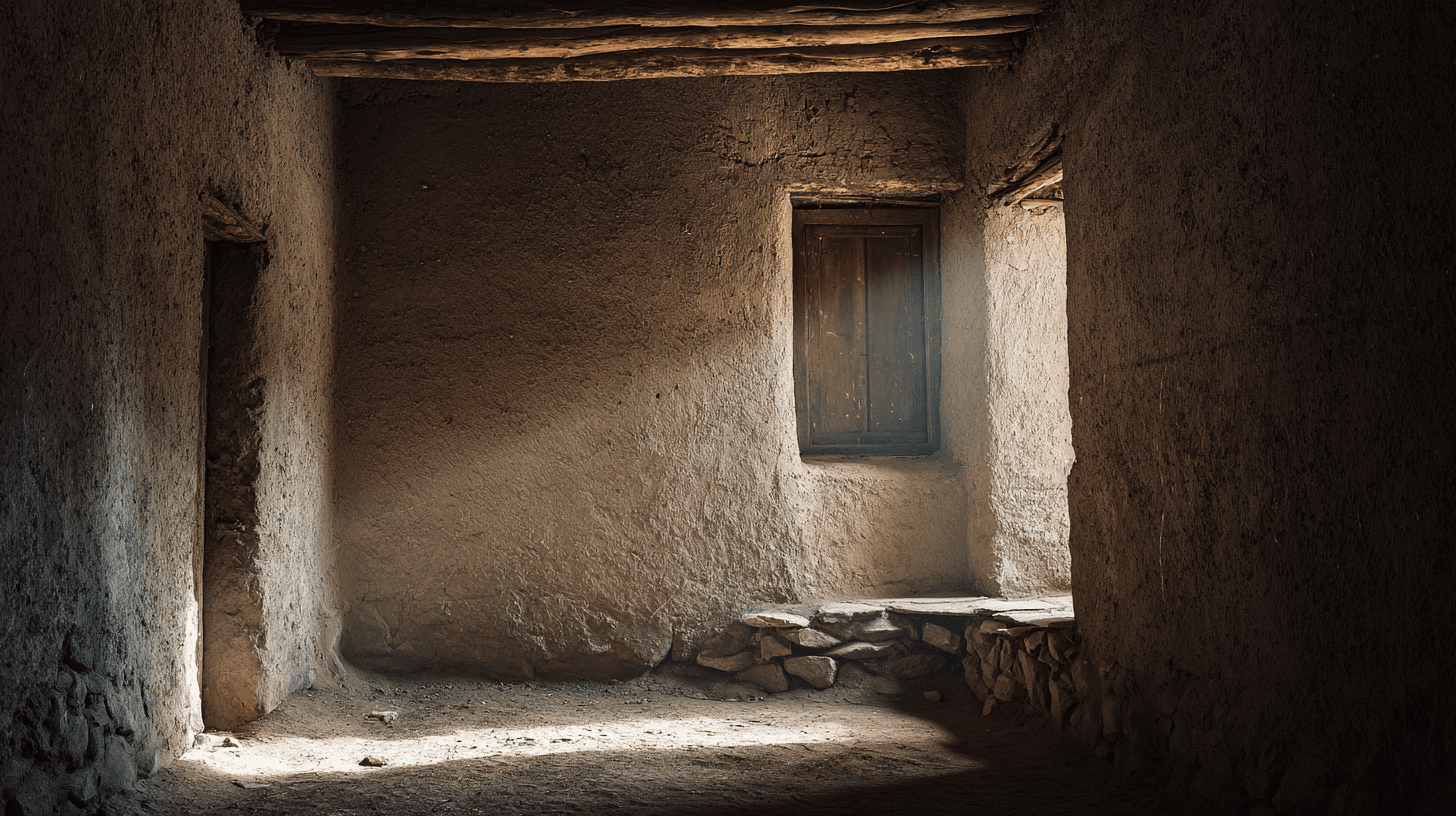
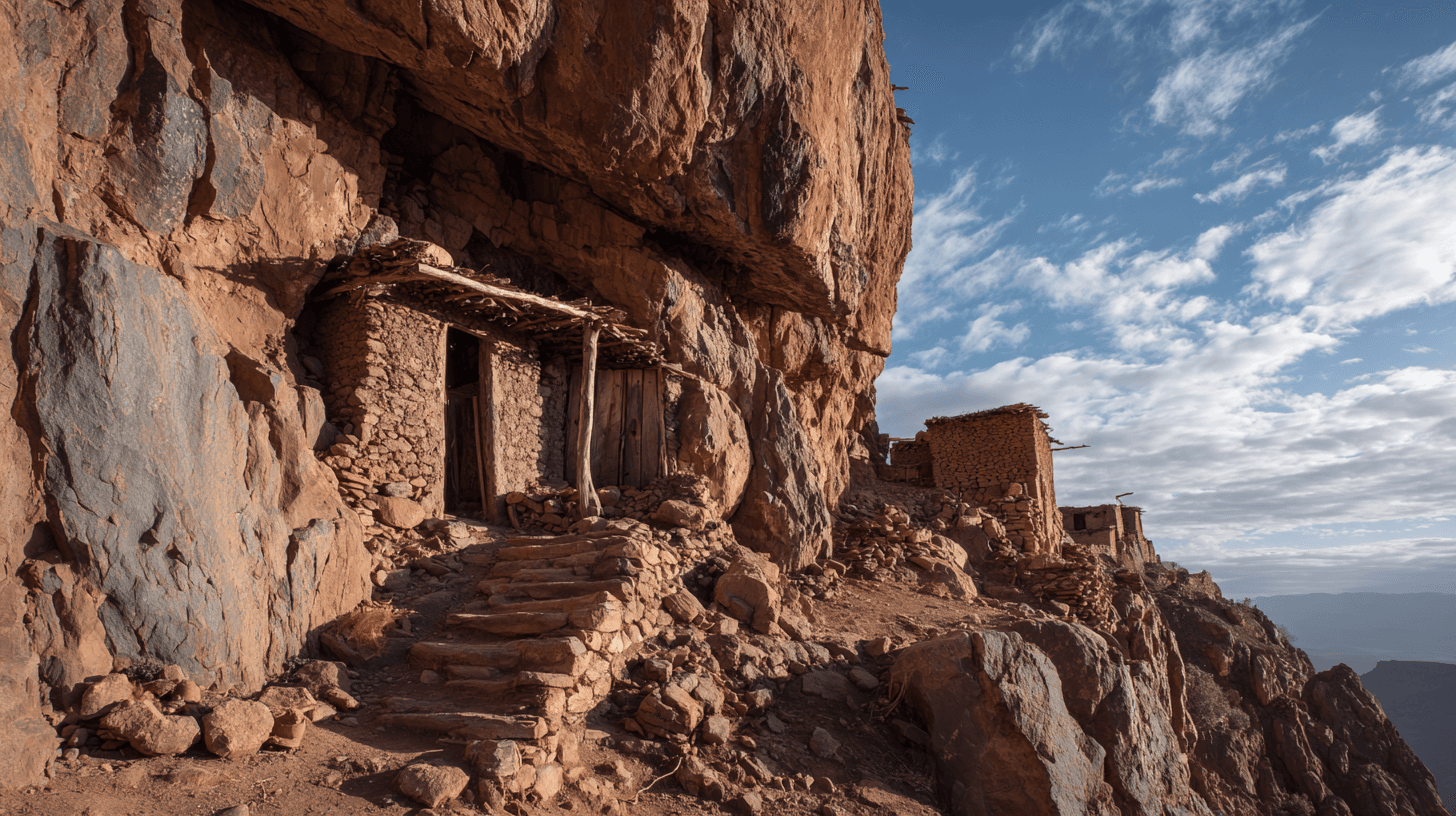
The jemâa — the village assembly — governed Amazigh communities for centuries without kings or sultans. Decisions were collective. Governance was horizontal. The system still functions in remote High Atlas and Anti-Atlas villages.
Explore the full interactive module — with language distribution maps, tribal territories, Tifinagh script, and the demographic data — at Dancing with Lions: https://www.dancingwiththelions.com/data/amazigh-identity
Interactive Module
Data and visualisation by Dancing with Lions