The Pottery Traditions
Fes blue, Safi polychrome, Tamegroute green, Rif pottery — regional ceramics mapped
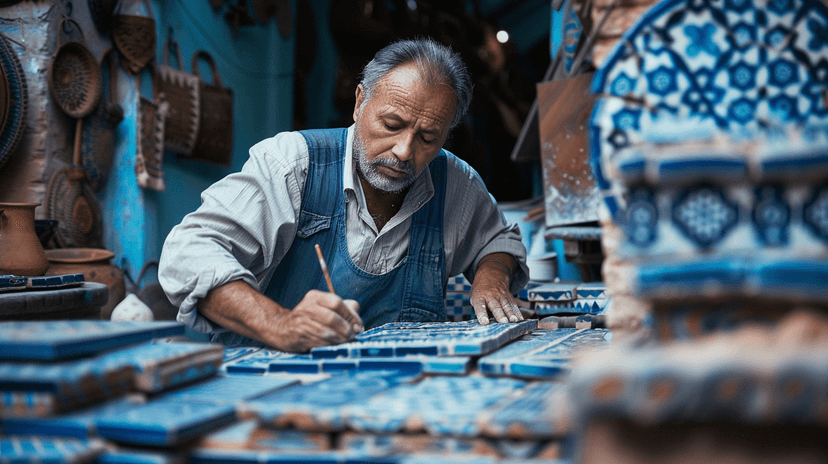
Fes produces blue and white. The tradition mirrors Delftware and Chinese porcelain — not by coincidence. The Marinid dynasty in the 14th century established Fes as a centre of ceramic production, and trade links brought Chinese blue-and-white examples to Morocco. Fassi potters adapted the aesthetic to local geometric and floral patterns. The blue is cobalt oxide. The white is tin glaze. The work is painted freehand — no stencils, no transfers.
Safi is the industrial capital. Morocco's largest pottery centre produces everything from tagine pots to decorative platters. The Safi style is polychrome — multiple colours on a single piece, with bold geometric and figurative designs. The kaolin clay comes from deposits near the city. The kilns line the hillside above the medina in rows. Safi also produces the unglazed cooking tagines used across the country — undecorated, functional, seasoned with use.
Tamegroute green is singular. The small town south of Zagora produces one thing: green-glazed pottery. The glaze is copper oxide, applied unevenly, crackled by the wood-fired kiln. The imperfection is the signature. Tamegroute bowls, plates, and candlesticks are found in every souk in Morocco. The pottery cooperative in the village is open to visitors.
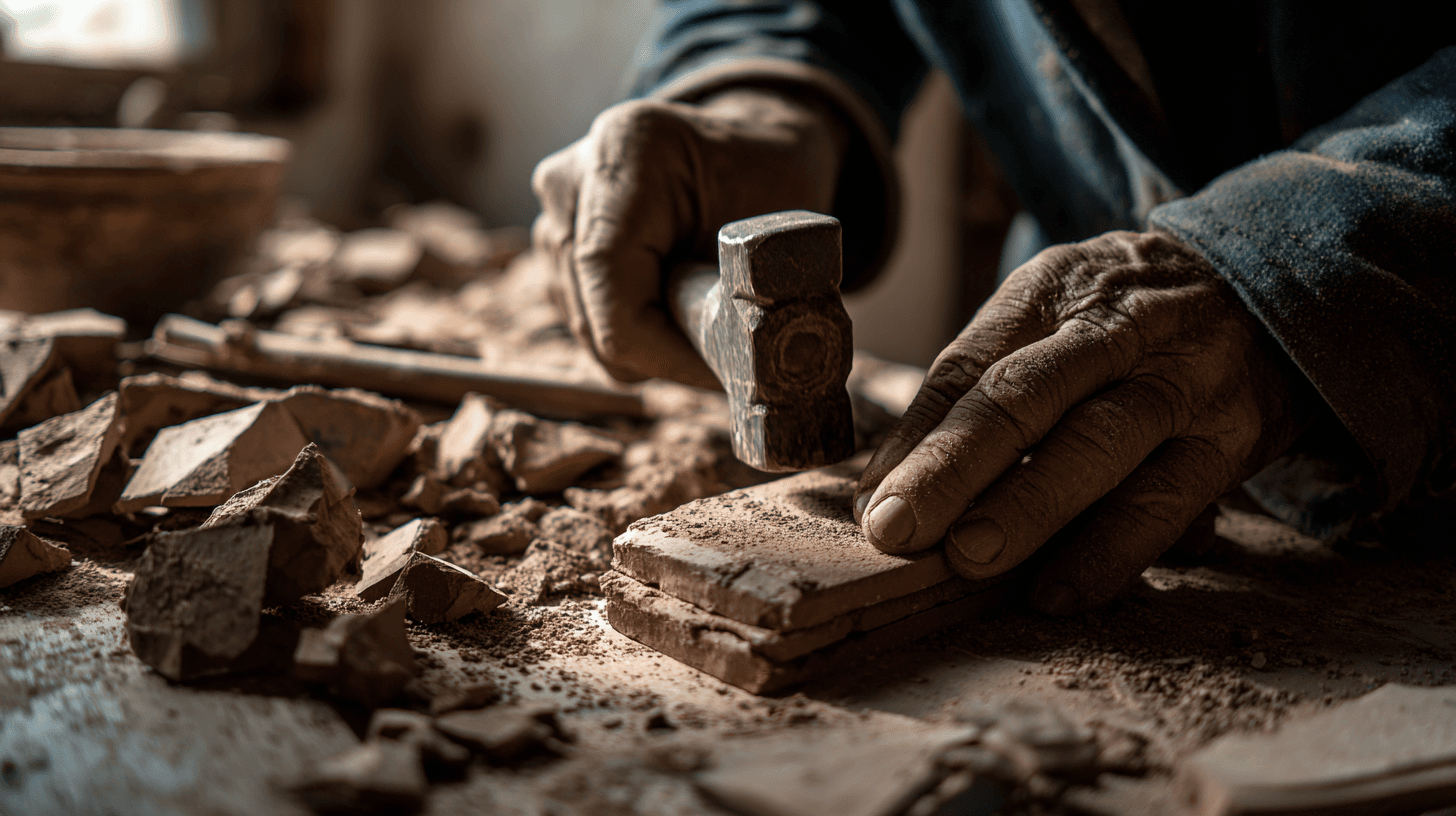
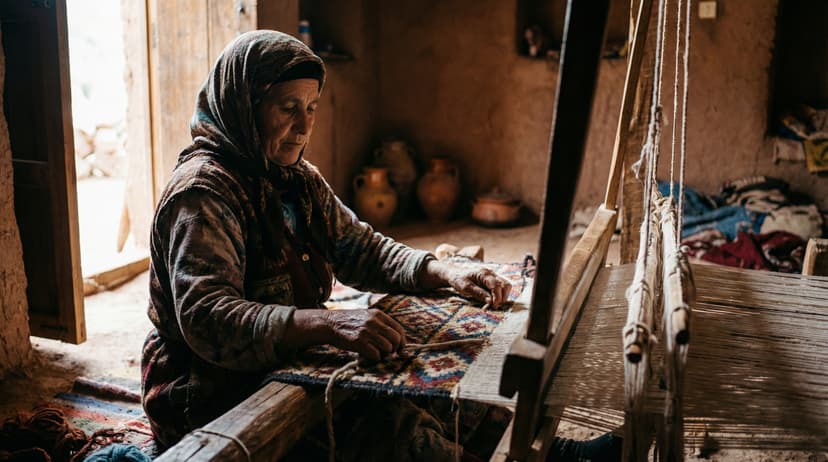
Rif pottery is the most ancient in character. Unglazed, hand-built (not wheel-thrown), decorated with geometric patterns in natural pigments. The women of the Rif Mountains produce pottery for domestic use — cooking vessels, water jars, storage pots — using techniques that have not fundamentally changed in millennia. The forms are functional. The decoration is identity.
The wheel-thrown and kiln-fired traditions of Fes and Safi are urban. The hand-built traditions of the Rif and rural areas are Amazigh. Both coexist, but the rural traditions are declining as plastic and metal replace clay in everyday use.
Explore the full interactive module — with regional ceramics mapped, glaze chemistry, and the production centres of Morocco's pottery traditions — at Dancing with Lions: https://www.dancingwiththelions.com/data/pottery-traditions
Interactive Module
Data and visualisation by Dancing with Lions