The Bread of Morocco
Khobz, msemen, baghrir, rghaif, harcha — eight breads, communal ovens, and a 60% wheat import dependency
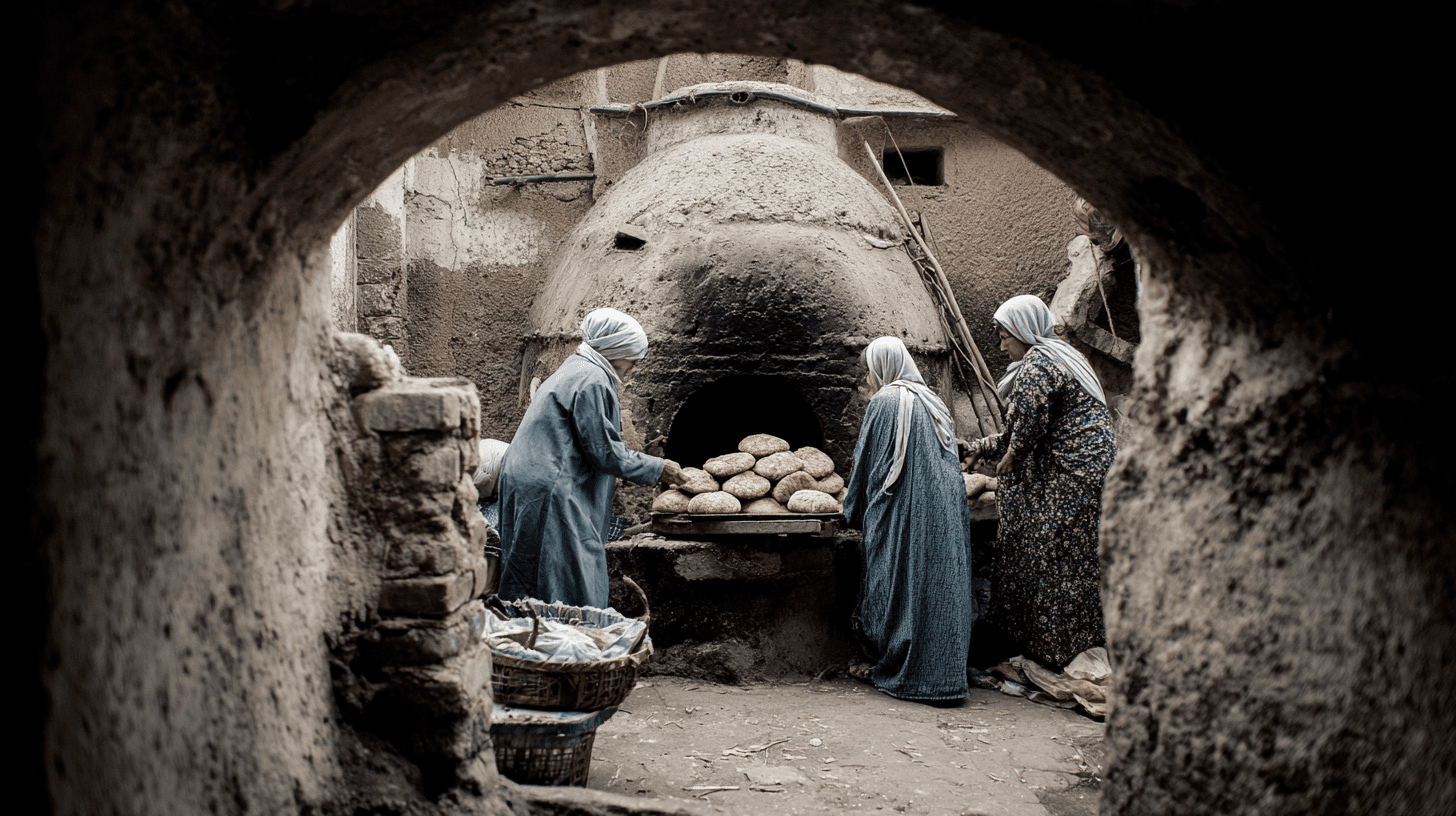
Khobz is the daily bread — a round, slightly flattened loaf baked in the communal oven or ferran. Every neighbourhood has one. Women prepare the dough at home, mark their loaves with a distinctive pattern to identify them, and send them to the ferran on a wooden board carried by a child or balanced on the head. The baker knows every family's mark.
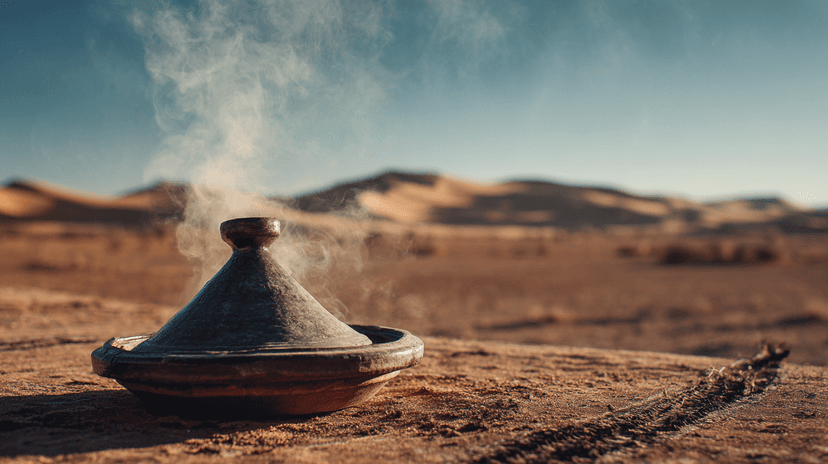
The ferran charges by the loaf — a few dirhams. The oven is wood-fired, often fuelled by olive pits or sawdust. The same oven bakes tagines on slow afternoons, the residual heat doing the work. The ferran is infrastructure. When a neighbourhood loses its ferran, it loses a thread of the social fabric.
Msemen is the layered flatbread — square, folded like an envelope, pan-fried until crisp and golden. The technique is the same as puff pastry: dough is stretched thin, oiled, folded, stretched again. Each fold creates a layer. A good msemen has five to seven layers. It is breakfast food, served with honey and soft cheese, or stuffed with onions and herbs as a street snack.
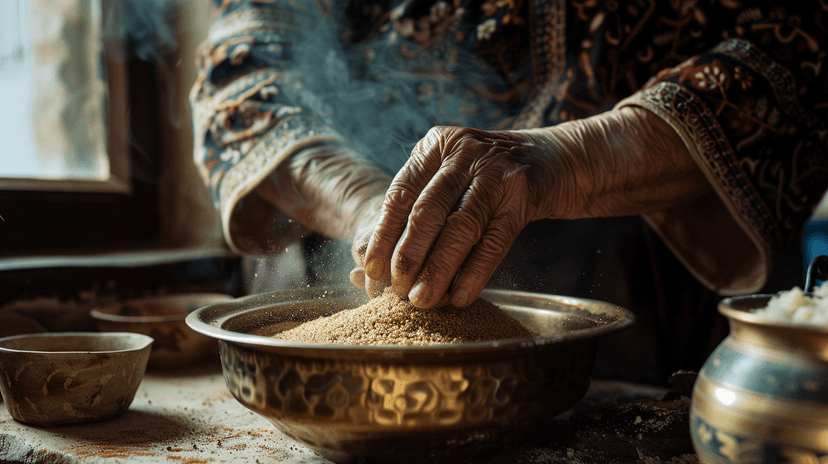
Baghrir is the thousand-hole crepe — a yeasted semolina batter poured onto a hot griddle and cooked on one side only. The bubbles rise through the batter and burst on the surface, creating a spongy texture that absorbs melted butter and honey. Baghrir is Ramadan food — served at ftour, the breaking of the fast.
Rghaif is msemen's cousin — same folding technique but smaller, crispier, often stuffed with kefta or vegetables. Harcha is a semolina griddle cake, dense and crumbly, split and filled with butter and jam.
Morocco imports over 60% of its wheat. Domestic production varies wildly with rainfall — a good year produces 10 million tonnes, a drought year half that. The price of bread is politically sensitive. The government subsidises flour through the Caisse de Compensation. When bread prices rise, governments fall.
Explore the full interactive module — with the eight breads mapped, the communal oven system, and the economics of Morocco's wheat dependency — at Dancing with Lions: https://www.dancingwiththelions.com/data/bread-of-morocco
Interactive Module
Data and visualisation by Dancing with Lions