Ras el-Maa Waterfall
Hours
Always open
Entry
Free
Duration
20 minutes
Location
Eastern edge of medina
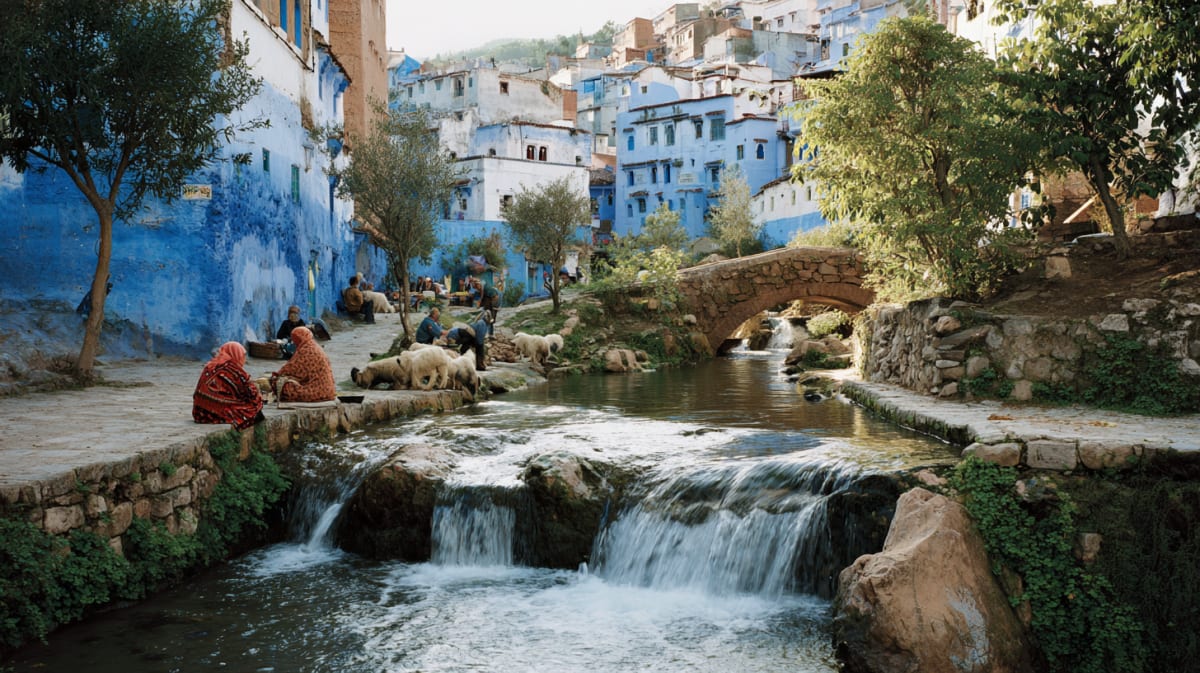
Where the mountain spring emerges into Chefchaouen. Women wash laundry on rocks. Children splash. The painted blue meets actual blue — water and sky.
01
The Spring That Built the Town
Chefchaouen exists because of this water. When Moulay Ali ibn Rachid founded the town in 1471, he chose the site for two reasons: the defensive valley and the spring. Ras el-Maa — "head of the water" — emerges from the rock at the northeastern edge of the medina and has supplied the town since the beginning. Mosques, fountains, hammams, and households all drew from this single source.
The spring is also where Chefchaouen's domestic life happens in public. Women wash laundry and wool in the cascade pools. Carpets are scrubbed on the flat rocks. Children play in the lower pools. It is not a tourist site in any curated sense — it is the town's utility room with a view of the Rif Mountains behind it.
02
Where Water Meets Stone
The water emerges through natural rock, falls through a series of stone-channelled pools, and then enters the town's water distribution system. The pools are tiered — higher pools for drinking water, lower pools for washing. This hierarchy is old and still broadly observed.
The setting is the thing. The spring sits at the edge where town meets mountain. Behind it, the Rif foothills climb steeply into pine and oak forest. In front, the white and blue walls of the medina. The sound of water is constant. In a region that is increasingly drought-stressed, the persistence of Ras el-Maa feels significant.
03
Visiting
From Place Outa el-Hammam, walk uphill through the medina — follow the signs or the sound of water. It is a 10-minute walk, mostly uphill, through the blue streets. The path narrows as you approach the edge of town.
There is nothing to pay, nothing to enter. You arrive at the cascade, watch the washing, listen to the water, and either continue up the hill toward the Spanish Mosque viewpoint or turn back into the medina. The Spanish Mosque — a 20-minute climb further up — gives the best panoramic view of Chefchaouen.
The area around the spring has a few small café terraces. Mint tea here, with the sound of the spring and the Rif behind you, is one of the quieter pleasures in northern Morocco.
Best Time to Visit
Morning. The washing activity — carpets, wool, laundry — happens early. The cascade faces east and catches morning light.
Getting There
A 10-minute uphill walk from Place Outa el-Hammam through the northeastern medina. Follow the signs or ask anyone — the spring is the town's compass point.
Local Tip
Local women wash laundry here. Respect the space.
Common Questions
More of a cascade — water emerging from the rock and flowing through tiered pools. It is modest in scale but central to the town's identity and daily life.
Yes. The trail to the Spanish Mosque viewpoint starts near Ras el-Maa — a 20-minute uphill walk for the best panoramic view of Chefchaouen.
No. It is open and public.
Morning, when local women are washing wool and carpets. The domestic activity is the scene.
Walking Distance
Nearby
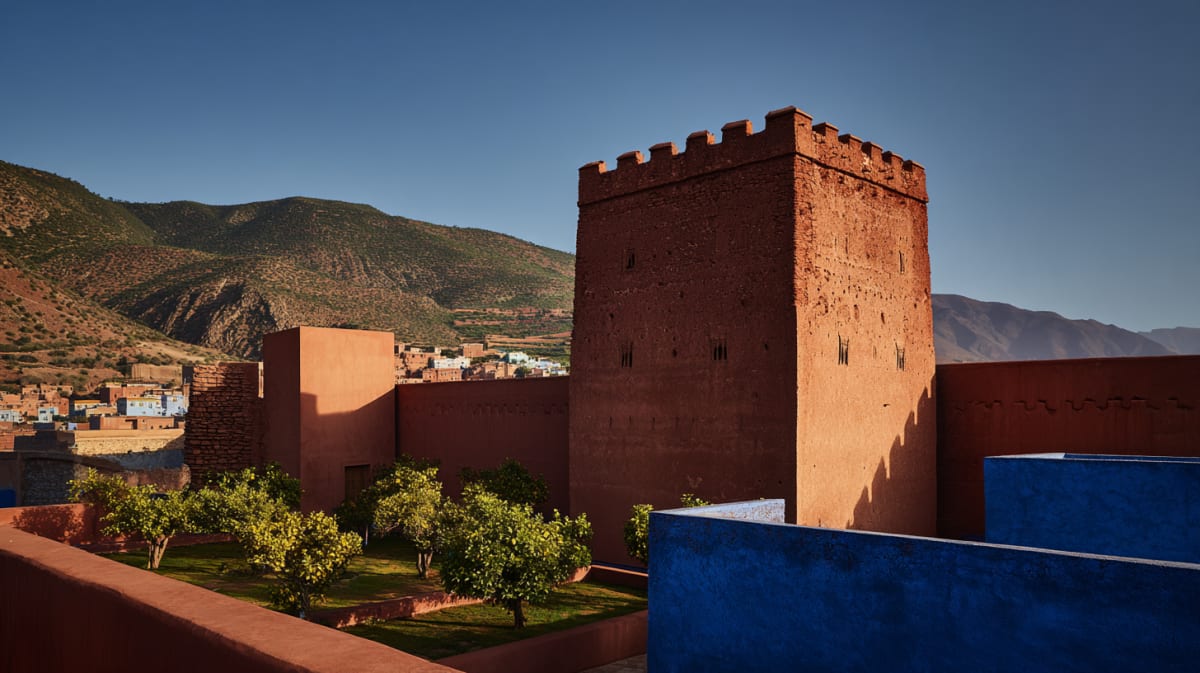
Ras el-Maa is where the locals go, not the tourists. We walk our guests there because the sound of the water changes the pace of the day.
Plan a private journey →Explore More
Related Stories
Discover the history and culture of Chefchaouen

Explore More
Multi-day journeys featuring this place
Curated routes that pass through Chefchaouen
4 Days
Literary Tangier
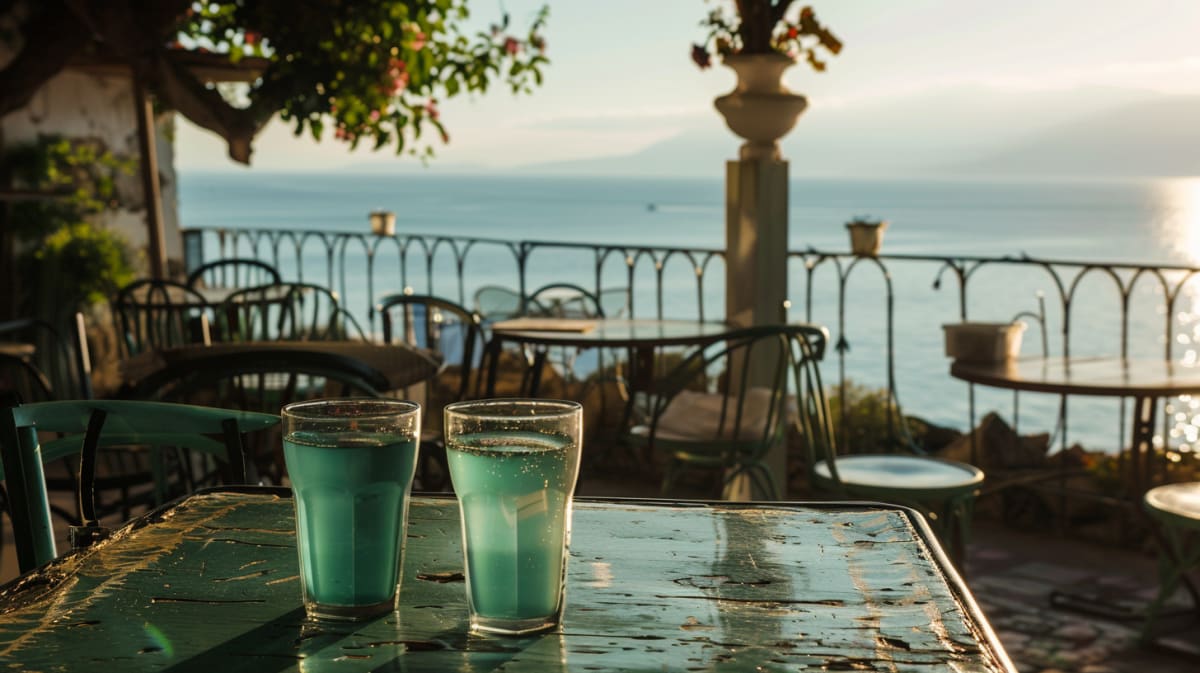
Bowles, Burroughs, and the writers who made Tangier legendary — the cafés still serve the same mint tea and the city still doesn't explain itself.
5 Days
5-Day The Rif Mountains
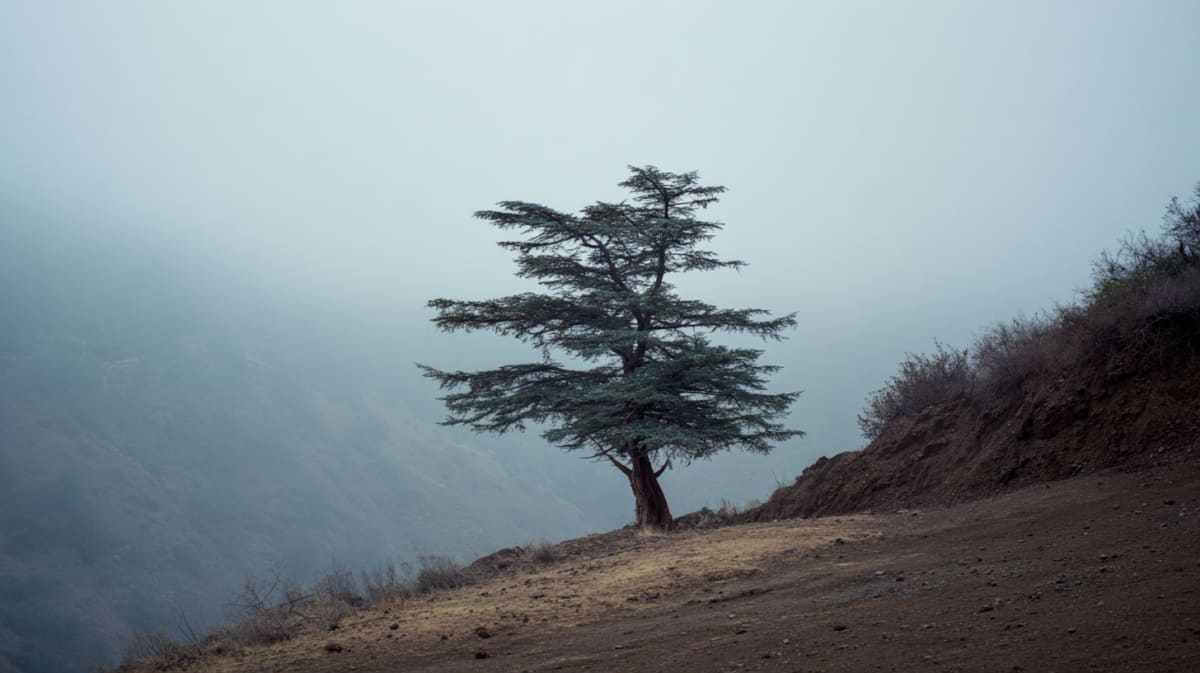
Indigo walls, cedar forests, and cannabis fields nobody mentions — the Rif runs on a frequency the rest of Morocco can't quite tune into.

5 Days
Rif Mountains Trek
Chefchaouen to Akchour — waterfalls, cannabis fields, and the greenest mountains in Morocco.
Sources: UNESCO Tentative List: Medina of Chefchaouen;;Chefchaouen municipal authority