Chefchaouen

Chefchaouen

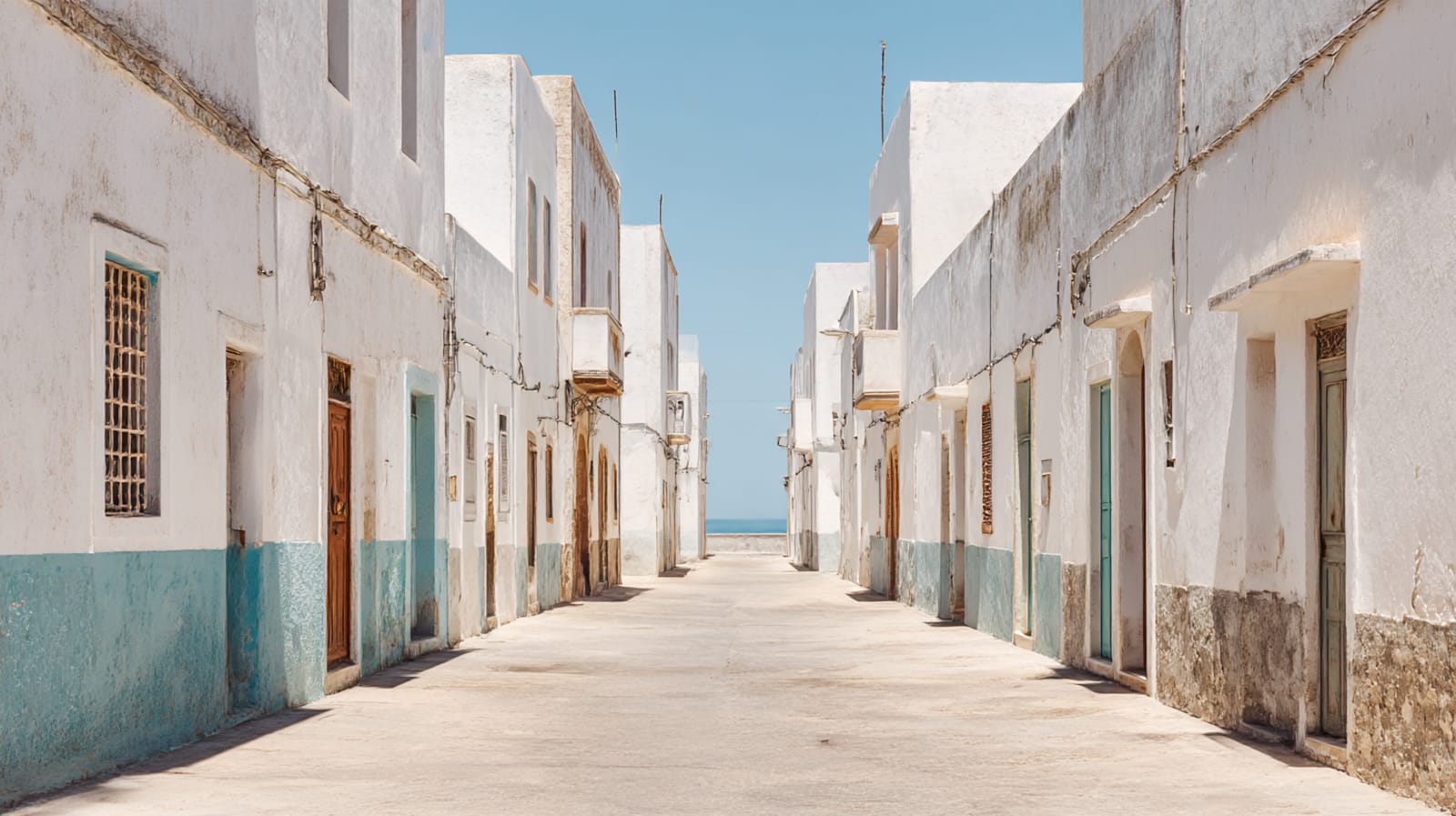
Why is it blue? The theories are several and none is definitive. The most persistent holds that Jewish refugees from the Spanish Reconquista, arriving in the late fifteenth century, painted their homes blue as a reminder of the sky and of God — blue representing the heavens in Jewish tradition. A second theory points to the Andalusian origin of the city's founders, who carried a preference for indigo-washed walls from Spain. A third, more practical, holds that the blue paint contains chemicals that repel mosquitoes. What is documented is that the blue paint is relatively recent — photographs from the 1930s show the medina in white — and that it was applied in stages rather than all at once, which means the decision to be blue was accumulated rather than planned.

The city was founded in 1471 by Moulay Ali ibn Rashid to serve as a base for Moroccan resistance against the Portuguese, who were advancing along the Atlantic coast. For the first four hundred years of its existence, Chefchaouen was closed to non-Muslims — Christians and Jews were forbidden to enter on pain of death. An exception was made for the Jewish traders who serviced the city's markets from outside its walls. The American journalist Walter Harris managed to enter in disguise in 1889. The Spanish took the city in 1920 and found a community that had preserved Andalusian Arabic, Andalusian music, and Andalusian ceramic traditions in a kind of cultural refrigeration for five centuries.

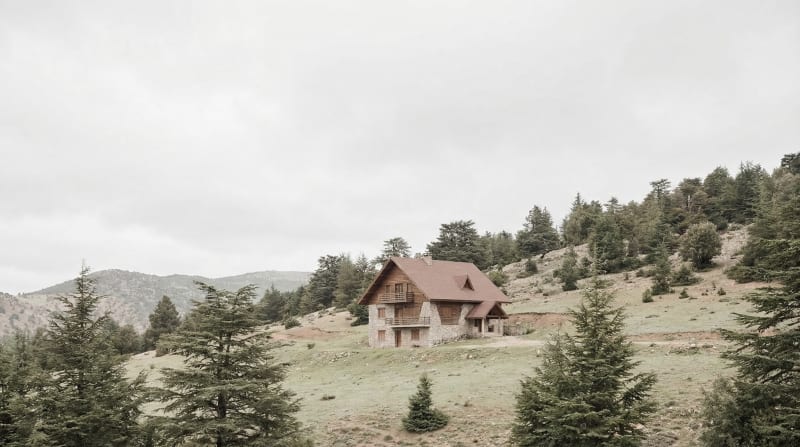
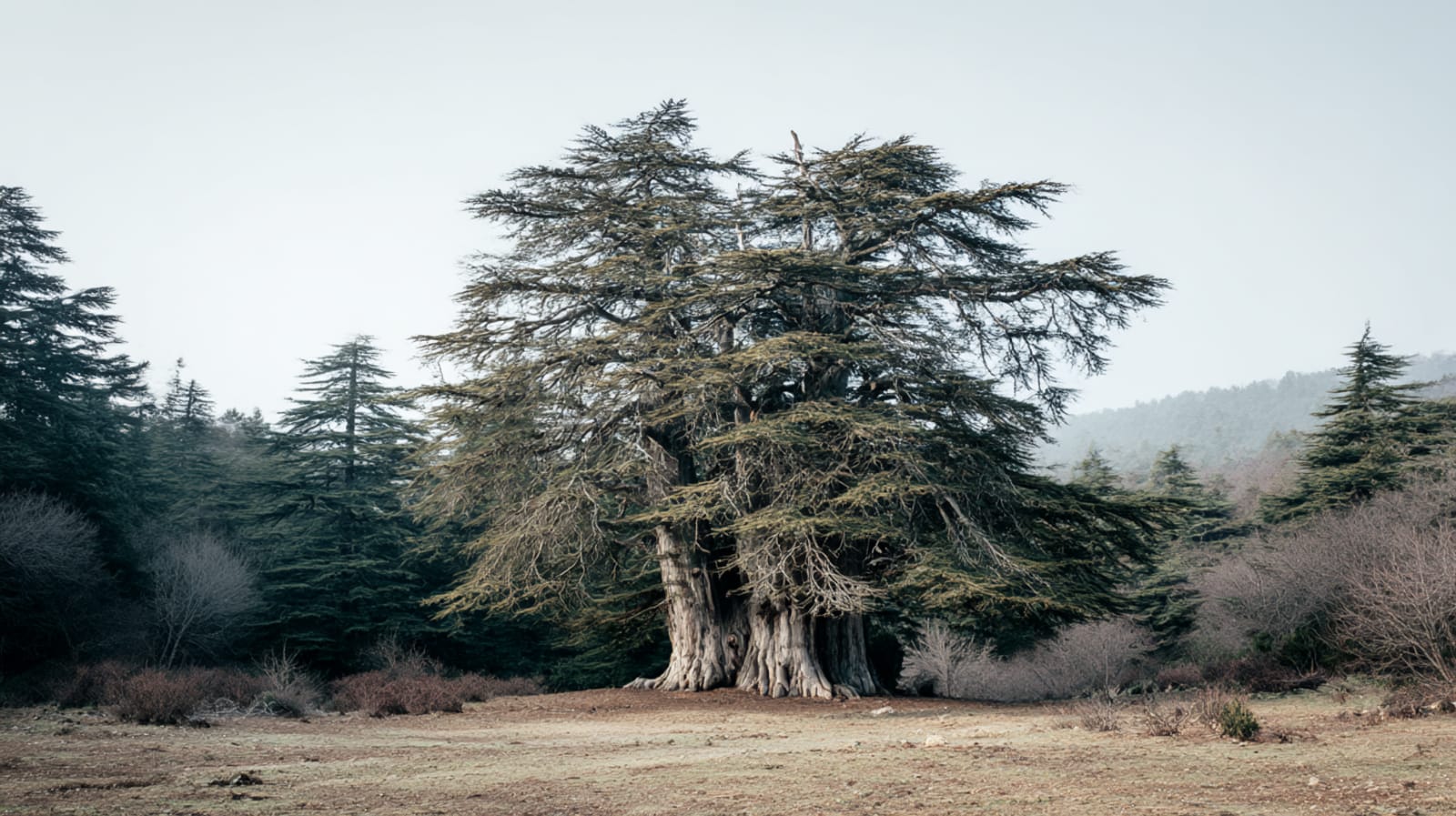
The medina is small — an hour covers it end to end — and built on a slope rising toward two peaks that give the Rif mountains their local character: cedar-forested, steep, and consistently green in a country that the coastal visitor assumes is mostly dry. The main square, the Plaza Uta el-Hammam, has a kasbah and a Grand Mosque with an octagonal minaret — unusual in Morocco, where square minarets are the rule, the octagonal form reflecting Andalusian influence. The cafés in the square serve mint tea and kefta to backpackers and local families in roughly equal proportion.

The Rif mountains are Morocco's cannabis-producing region — a fact that shapes the economy of the province and the behaviour of some visitors in ways worth knowing before arrival. The cannabis culture is open, the quality is famous, and the legal status is technically illegal while practically tolerated in small quantities for personal use. The same ambiguity that produced Tangier's international zone operates here at a different scale.

The best approach is to arrive in the late afternoon, when the light on the blue walls does what every photograph promises. The worst time to be here is a July or August weekend: the medina has a capacity problem and the summer crowds reach densities that defeat the intimacy the city is selling. October and November are the best months — warm enough, empty enough, and the Rif cedars turning colour on the slopes above the town. The bus from Tangier takes two hours. The bus from Fes takes about four.

Places

01

Museums

Chefchaouen Kasbah

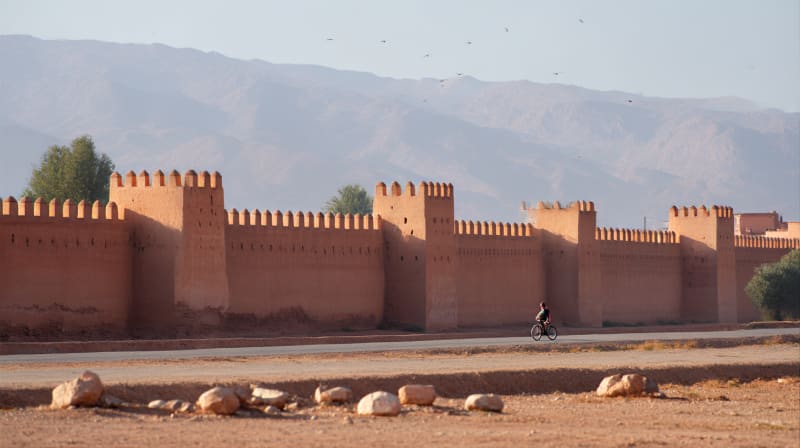
The red-brown fortress stands out against the town's famous blue. Built by an exiled Andalusian prince in the 15th century, its gardens now offer quiet refuge from the medina's tourist traffic.

02

Natural

Ras el-Maa Waterfall

Where the mountain spring emerges into town. Women wash laundry on rocks; children splash in pools. This is where Chefchaouen's painted blue meets actual blue — water and sky.

03

Neighborhoods

Chefchaouen Blue Medina

The medina of Chefchaouen is painted in shades of blue that have no single explanation — theories include Jewish settlers who associated blue with heaven, a colonial-era pest deterrent, or simply a mayor in the 1930s who liked the color. None of the theories are conclusive. The blue is real. It covers every surface, shifts with the light through the day, and makes the city look like an idea rather than a place.

04

Market

Chefchaouen Souks

The souk lanes of Chefchaouen run off Place Outa el-Hammam into a network of blue-walled workshops selling the things the Rif Mountains produce: rough-woven wool blankets in natural undyed tones, cannabis-leaf motif pottery, hand-embroidered djellabas, and baskets of dried herbs from the hillsides above the city. The craft tradition here is Riffian, not Andalusian — coarser, more geometric, less refined.

05

Neighborhoods

Andalusian Quarter Chefchaouen

Chefchaouen was founded in 1471 by Moulay Ali ben Rachid as a refuge for Moorish and Jewish exiles from Andalusia. The upper quarter of the medina still carries this origin — the house forms, the tiled doorsteps, the small private courtyards are Andalusian in proportion and detail, adapted to the Rif mountain climate. The blue came later. The structure beneath it is 15th-century Córdoba.

06

Nature

Rif Mountains

Chefchaouen sits at 600 metres in the western Rif Mountains — a range that runs parallel to the Mediterranean coast and catches the Atlantic moisture before it reaches the interior. The mountains are covered in cedar, pine, and wild herbs. The trails above the city climb through them to viewpoints from which the blue medina below looks like a painted tile dropped in a valley of green.

07

Nature

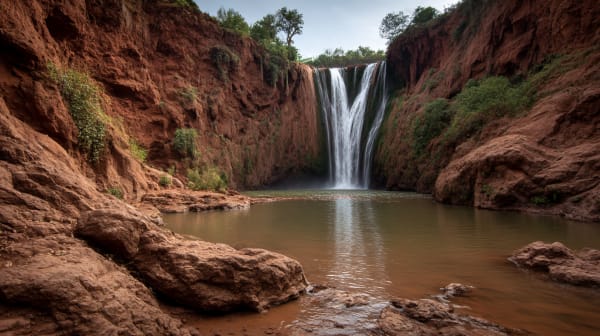
Akchour Waterfalls

A series of waterfalls in the Talassemtane National Park, 28 kilometres east of Chefchaouen — the most dramatic natural landscape in the western Rif. The trail follows the Oued Farda river through a gorge of limestone cliffs to reach the main falls. Hikers come from Chefchaouen as a full-day excursion. The park also holds the last surviving stands of Moroccan fir.

08

Nature

Chefchaouen Mountain Viewpoint

The hillside above the Spanish Mosque offers the view of Chefchaouen that has been reproduced on a million travel posters — the entire medina spread across a valley bowl, its blue rooftops and white walls visible from above, the Rif Mountains rising behind. The walk takes twenty minutes from Place Outa el-Hammam. Go at sunrise before the light flattens.

Stories from Chefchaouen

You might also consider

Journeys that pass through Chefchaouen

The intelligence layer. History, culture, craft.

Plan your visit

Coming to Chefchaouen?

Every journey we design includes private guiding, accommodation chosen for character rather than category, and the kind of access that takes years in Morocco to arrange.

Plan Your Trip

The Letter

Written from the medina. Sent when it matters.