Nature
The Surf Coast
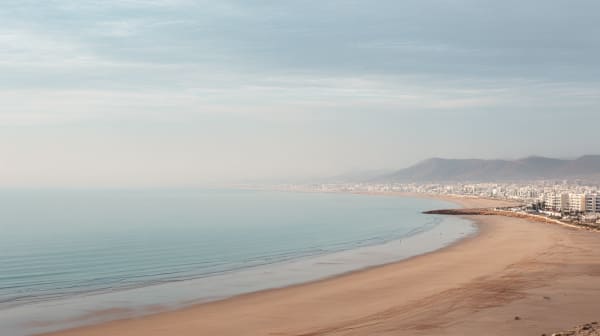
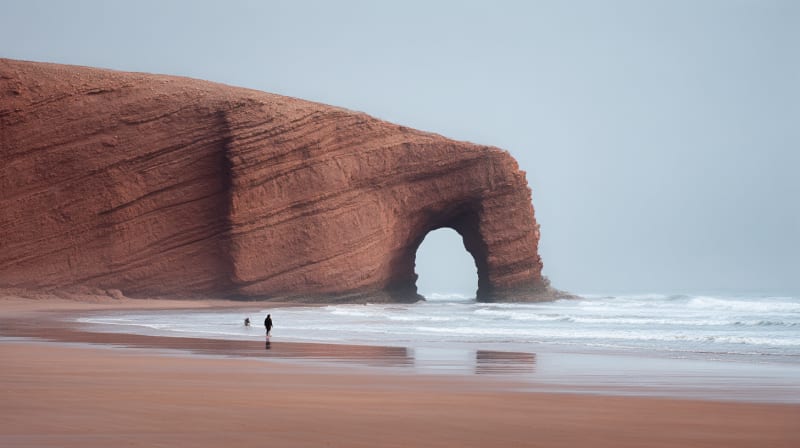
One of the longest, most consistent surf coastlines in the world. Atlantic swells travel uninterrupted from the North American coast.

The distance from Marrakech to Dakhla is 1,700 kilometres. There are no trains. The bus takes twenty-two hours. The road south passes through Agadir, then Tiznit, then Guelmim — the last significant city before the Western Sahara — then four hundred kilometres of hammada: flat gravel desert, no shade, one military checkpoint every hundred kilometres, the Atlantic a constant presence to the right. Dakhla is at the end of a narrow peninsula that juts fifty kilometres into the ocean. The lagoon between the peninsula and the mainland is turquoise and shallow and almost always windy. The wind is the reason to come.
Dakhla is the kitesurfing capital of Africa and a serious contender for the world. The lagoon provides flat water with consistent wind — the same alizé trade wind that cools Essaouira, concentrated here into conditions that attract the world's best riders every autumn. The speed records set in this lagoon — 53.27 knots in 2012, by Paul Larsen in a different vessel — are a different discipline, but the infrastructure that grew around the records (camps, instructors, equipment rental, flat-water access) benefits everyone who arrives with a kite.
The oysters are unexpected. The cold Atlantic upwelling that makes the water visible from space — you can see the plankton bloom in satellite images — feeds the oyster farms that operate in the lagoon. The restaurants along the corniche serve them fresh, with lemon and hot sauce, at prices that seem improbable. A plate of twelve costs less than a coffee in Paris. This is either a reason to come or a detail that makes no difference to how you feel standing at the edge of the Sahara watching the Atlantic catch the last light.
The territory is disputed. Dakhla is administered by Morocco as part of the Southern Provinces — the official Moroccan term for the Western Sahara. The Sahrawi independence movement, the Polisario Front, claims the territory and is supported by Algeria. The United Nations has monitored the ceasefire since 1991. For the visitor, the practical consequence is a checkpoint at the administrative boundary south of Guelmim, a passport stamp that differs from the one applied at Casablanca, and a question at some borders about whether you have visited 'Western Sahara' — which is technically the answer, even if you flew directly to Dakhla Airport.
The best time to visit is October to April. The summer brings Calima — dust winds from the Sahara — that reduce visibility and make the lagoon uncomfortable. October and November deliver the most consistent kitesurfing conditions and the most accessible flamingos: between November and February, the shallow flats north of the city hold several thousand flamingos in the morning light. They are not in a reserve. They are simply there, standing in water that comes to their knees, doing what flamingos do, indifferent to the spectacle they constitute.
Places
Culture
Dakhla is consistently rated among the top five kitesurfing destinations in the world — the lagoon provides flat water for beginners, the open ocean provides waves for advanced riders, and the trade winds blow at 20-30 knots for most of the year without interruption. The kitesurfing infrastructure arrived in the 2000s and transformed a remote Saharan outpost into an international destination.
Nature
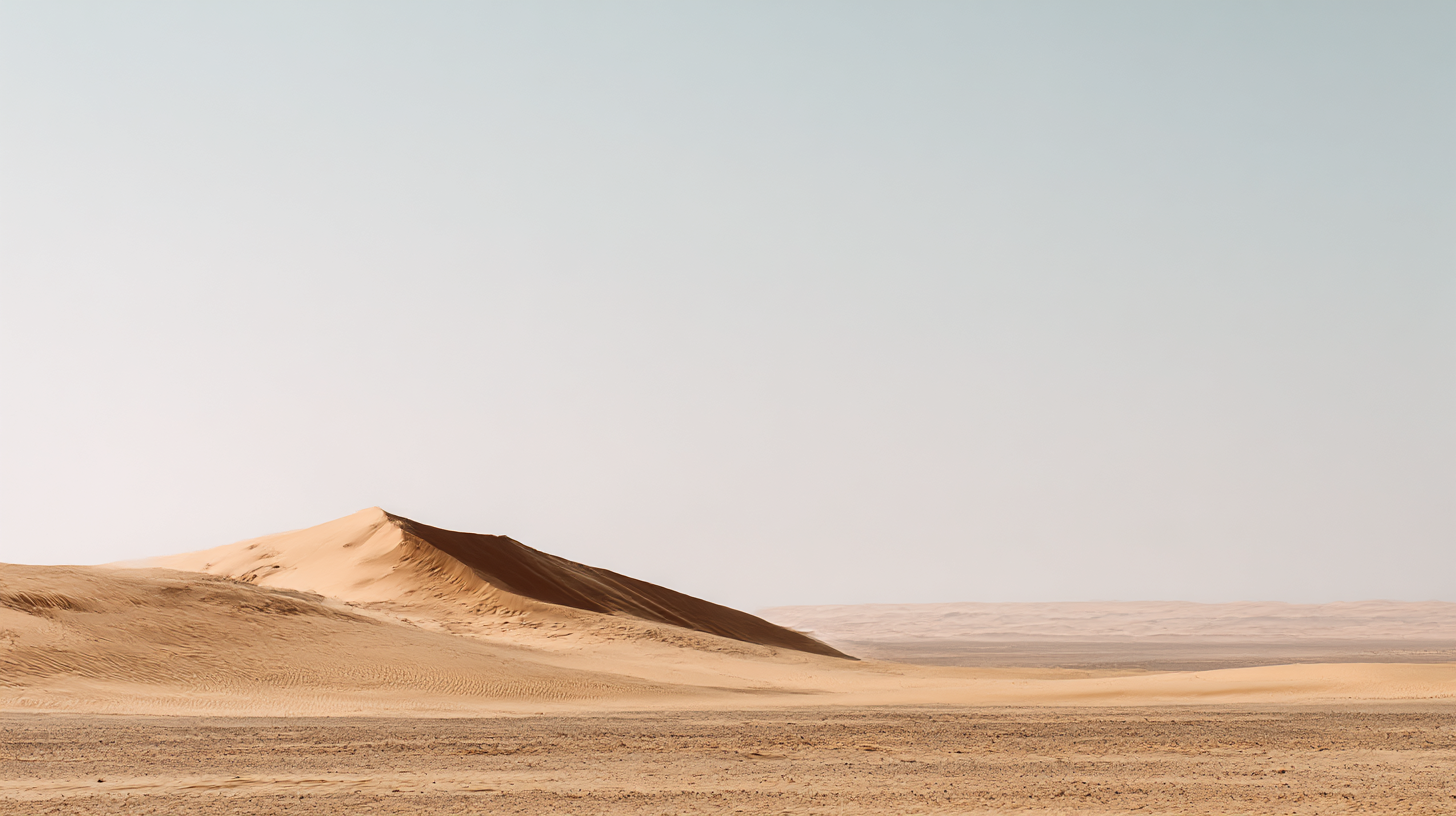
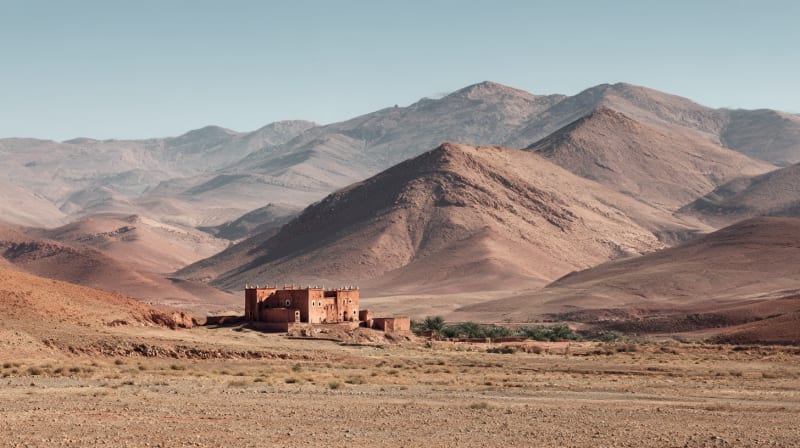
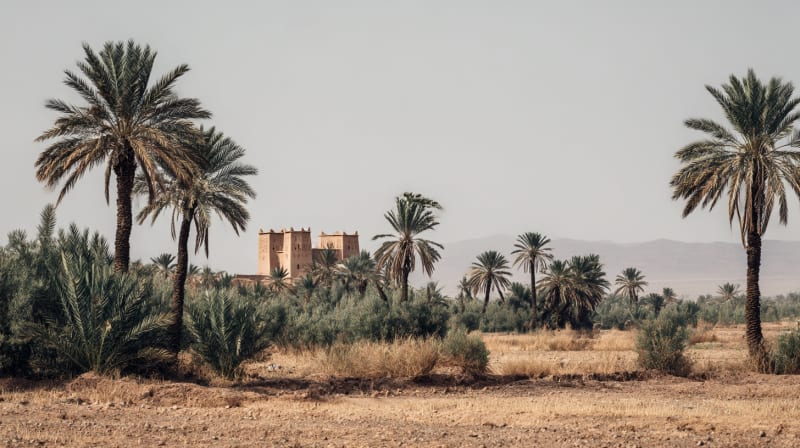
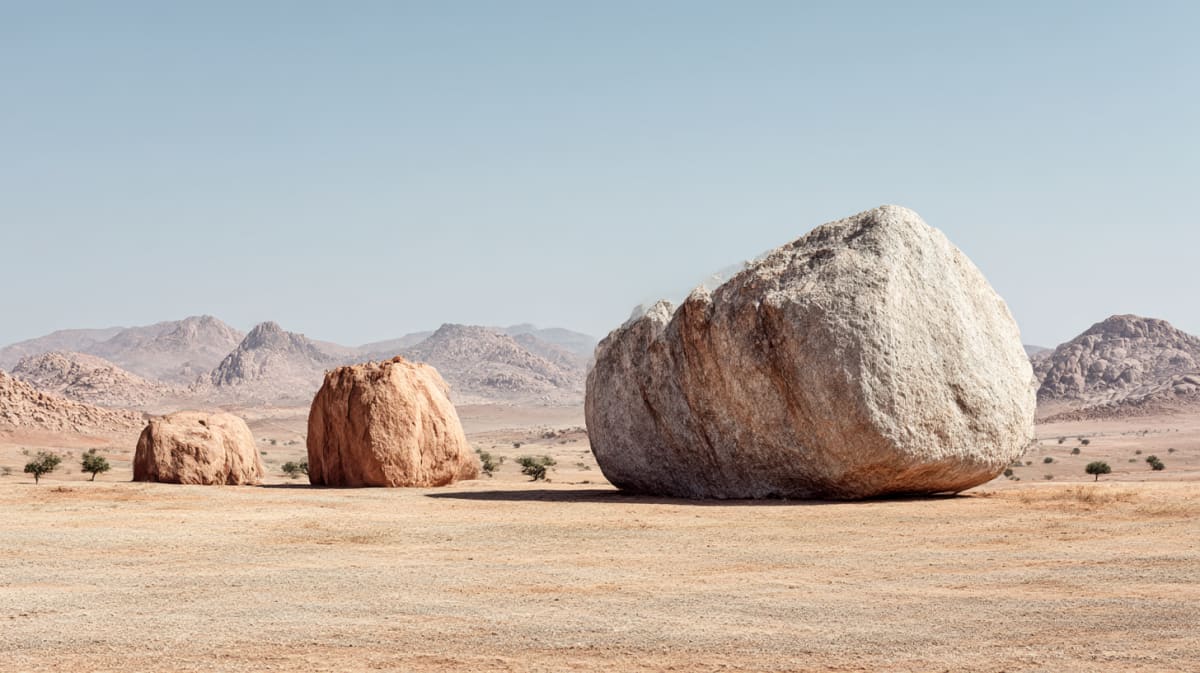
The Saharan desert that surrounds Dakhla — flat hammada of gravel and black rock stretching in every direction, interrupted only by the occasional sandy depression and the distant shimmer of the Atlantic. The desert here is technically the Sahara but feels different from the dune deserts of Merzouga or Mhamid — drier, flatter, more absolute. The light is extraordinary.
Food
Oyster farming in the Dakhla lagoon began in the 1990s and has grown into one of Morocco's most prized food products — Dakhla oysters, fattened in cold Atlantic-fed lagoon water, are sold in Casablanca, Paris, and Madrid. The farms are visible from the lagoon shore: rows of floating cages in the turquoise shallows. Eating them fresh at a lagoon-side table is the best possible argument for coming this far south.
Natural
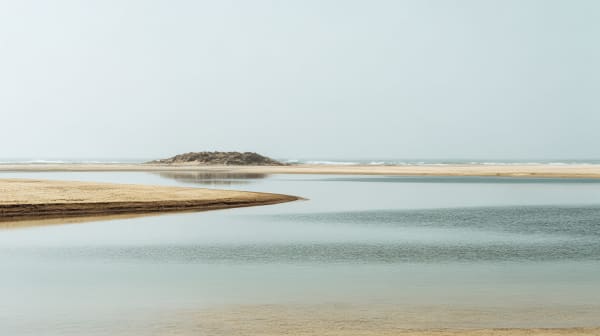
A 40-kilometre lagoon on the edge of the Sahara where the wind never stops.
Stories from Dakhla

Nature
One of the longest, most consistent surf coastlines in the world. Atlantic swells travel uninterrupted from the North American coast.

Nature
3,500 kilometres of Atlantic coastline. Morocco's economic spine, its playground, and its weather engine. From the Strait to Mauritania.
You might also consider
Journeys that pass through Dakhla

Beyond the border—where the desert meets the Atlantic and flamingos wade in lagoons.

The long south — Agadir to the Saharan peninsula where the wind never stops and the Atlantic never rests.

The full Atlantic — 2,500 kilometres from the Strait to the Saharan peninsula. One coastline. One country.
Plan your visit
Every journey we design includes private guiding, accommodation chosen for character rather than category, and the kind of access that takes years in Morocco to arrange.
Plan Your TripWritten from the medina. Sent when it matters.