The Definitive Guide
Every destination we cover


The Quiet Capital
Rabat

Morocco's Atlantic Soul
Essaouira

Beyond Rick's Cafe
Casablanca

The Forgotten Imperial City
Meknes

Gateway to the South
Ouarzazate
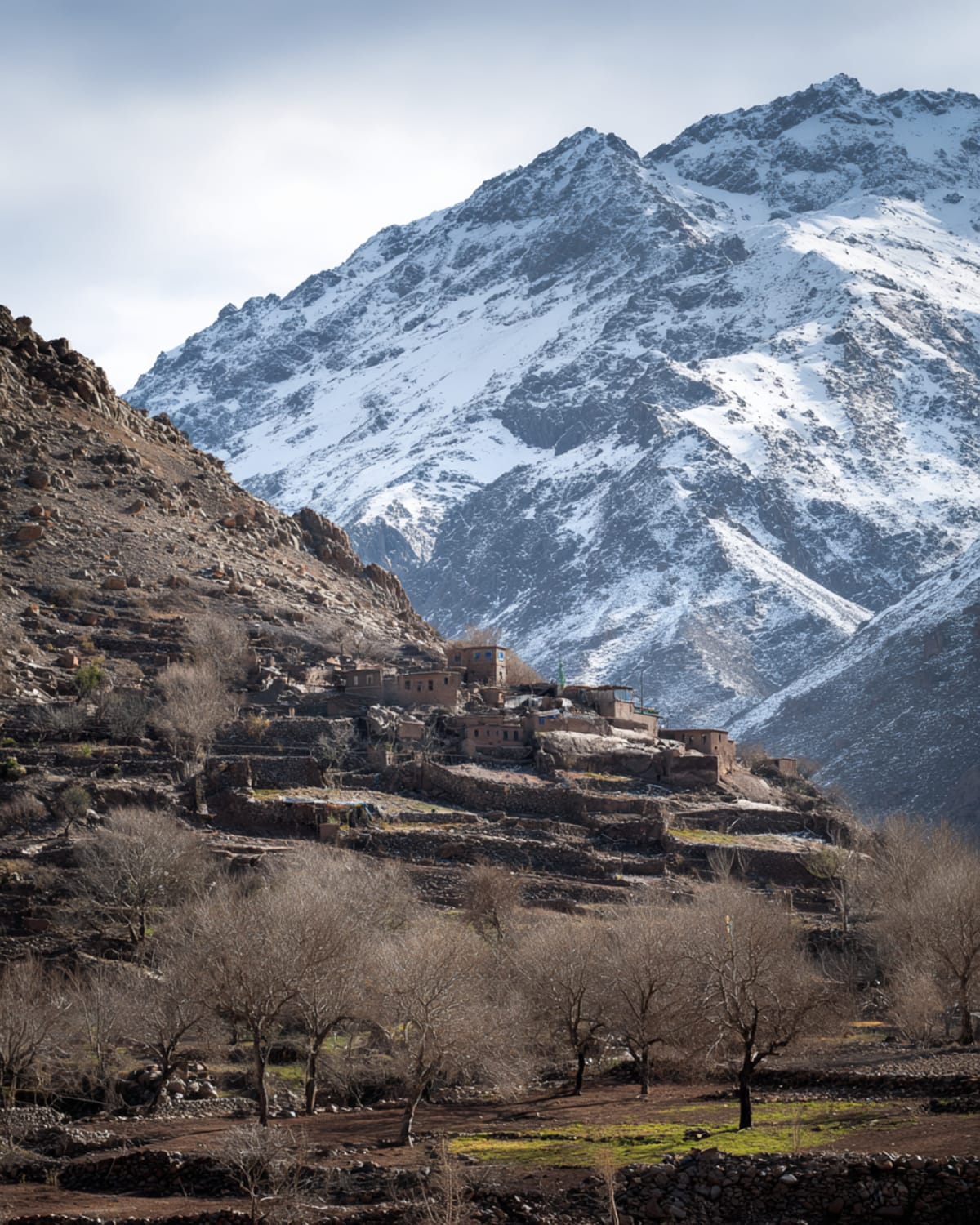
The gateway to Toubkal
Imlil
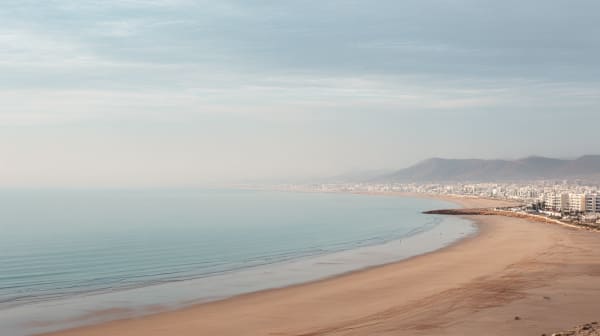
Morocco's Atlantic Coast
Agadir

The gorge where water won
Todra Gorge

The End of the Road
Dakhla

The Blue City
Chefchaouen
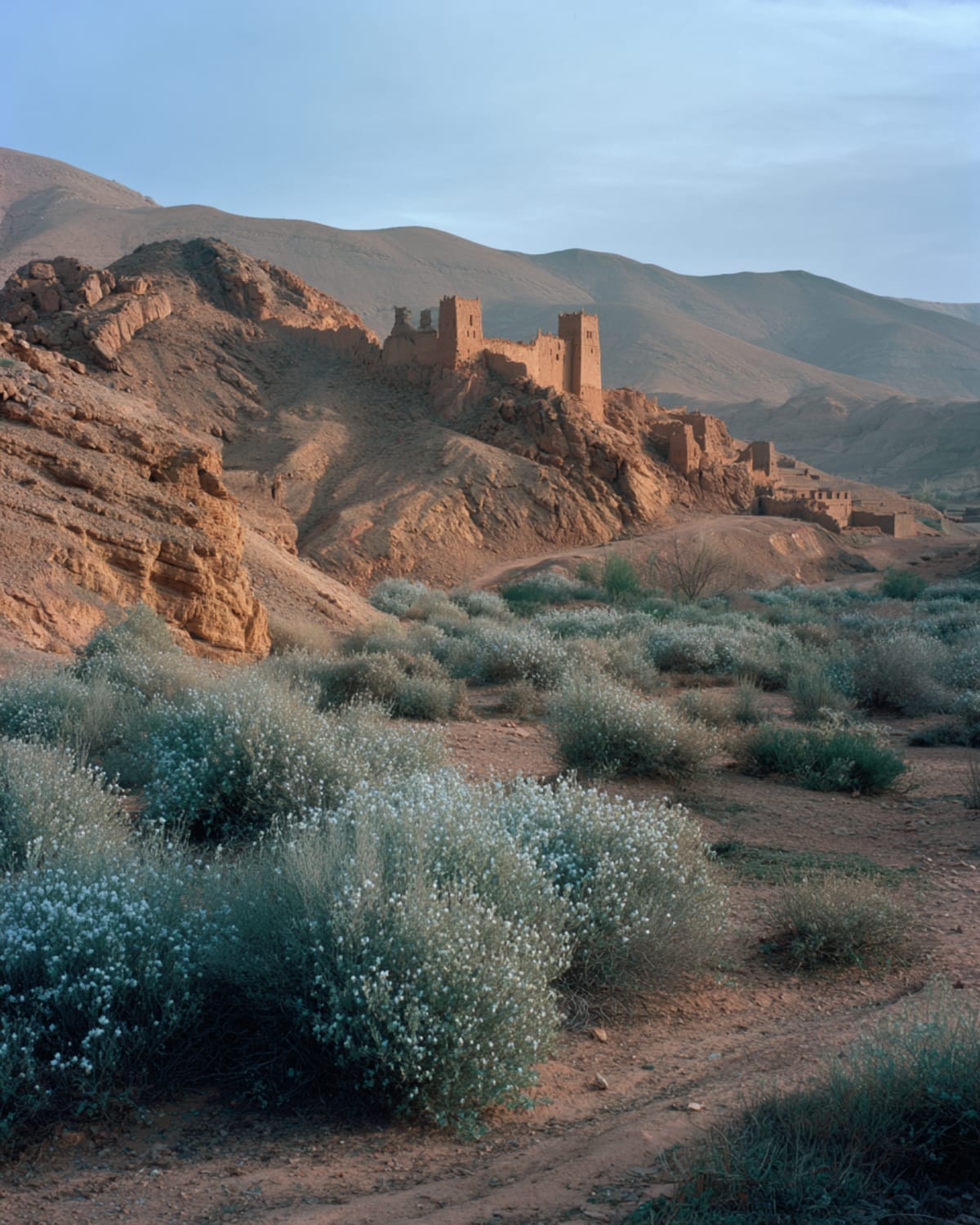
The road of a thousand kasbahs
Dades Valley

The dunes everyone comes for
Merzouga

The river, the kasbahs, the route south
Draa Valley

The kasbah on the road from Marrakech to everywhere
Ait Benhaddou

Surf, goats in trees, and the Anti-Atlas coast
Taghazout

The holiest town in Morocco
Moulay Idriss
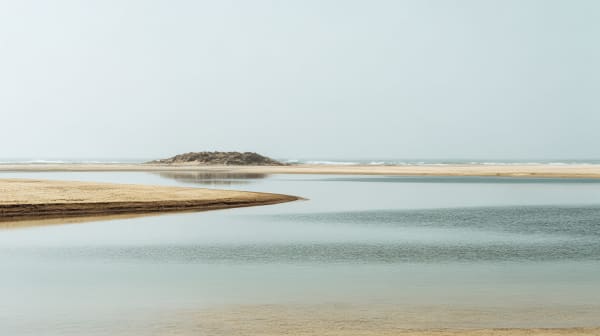
The oyster lagoon on the Atlantic
Oualidia

The valley that smells like roses for three weeks in May
Kelaat M'Gouna
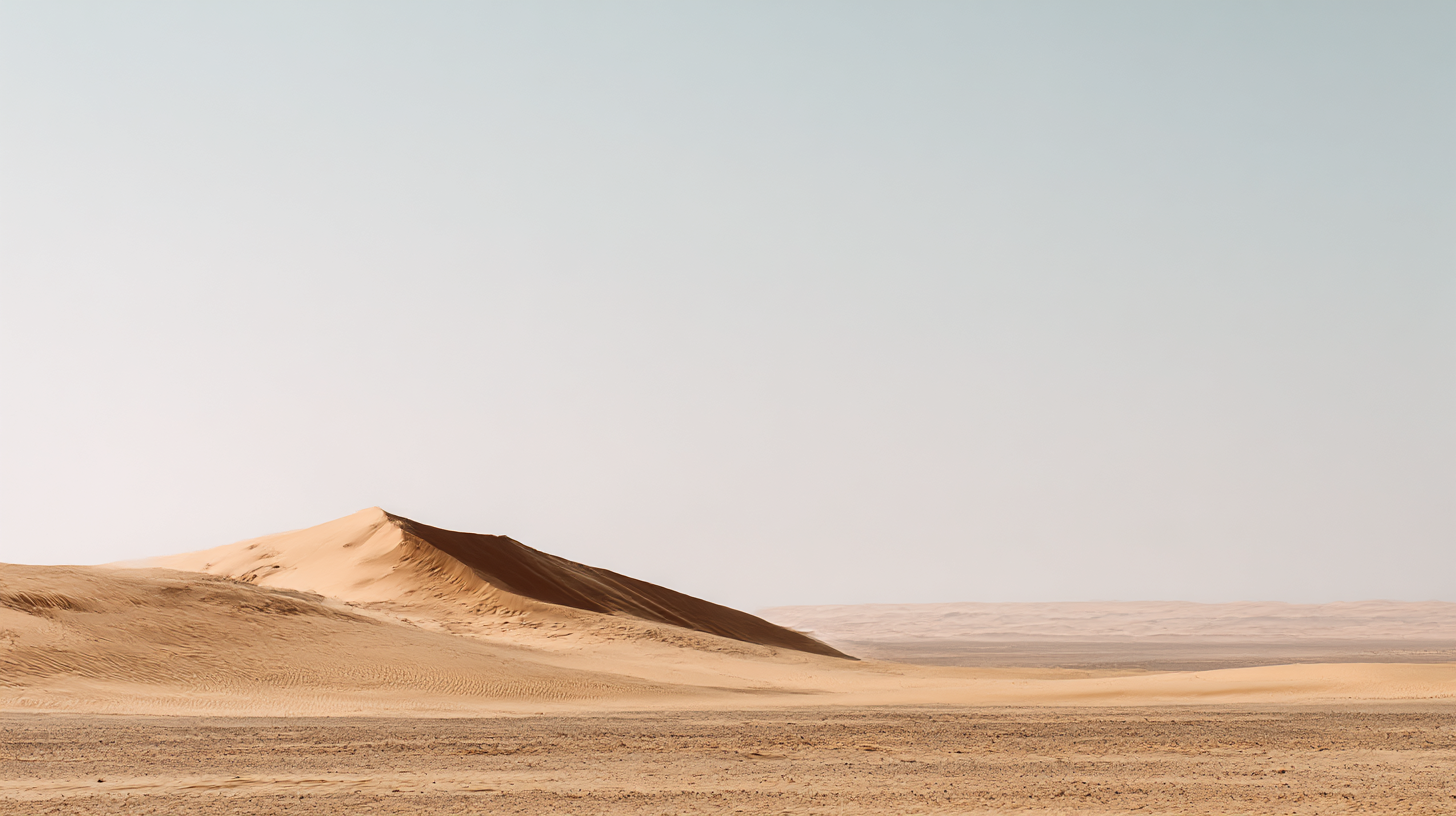
The last town before the sand
M'Hamid
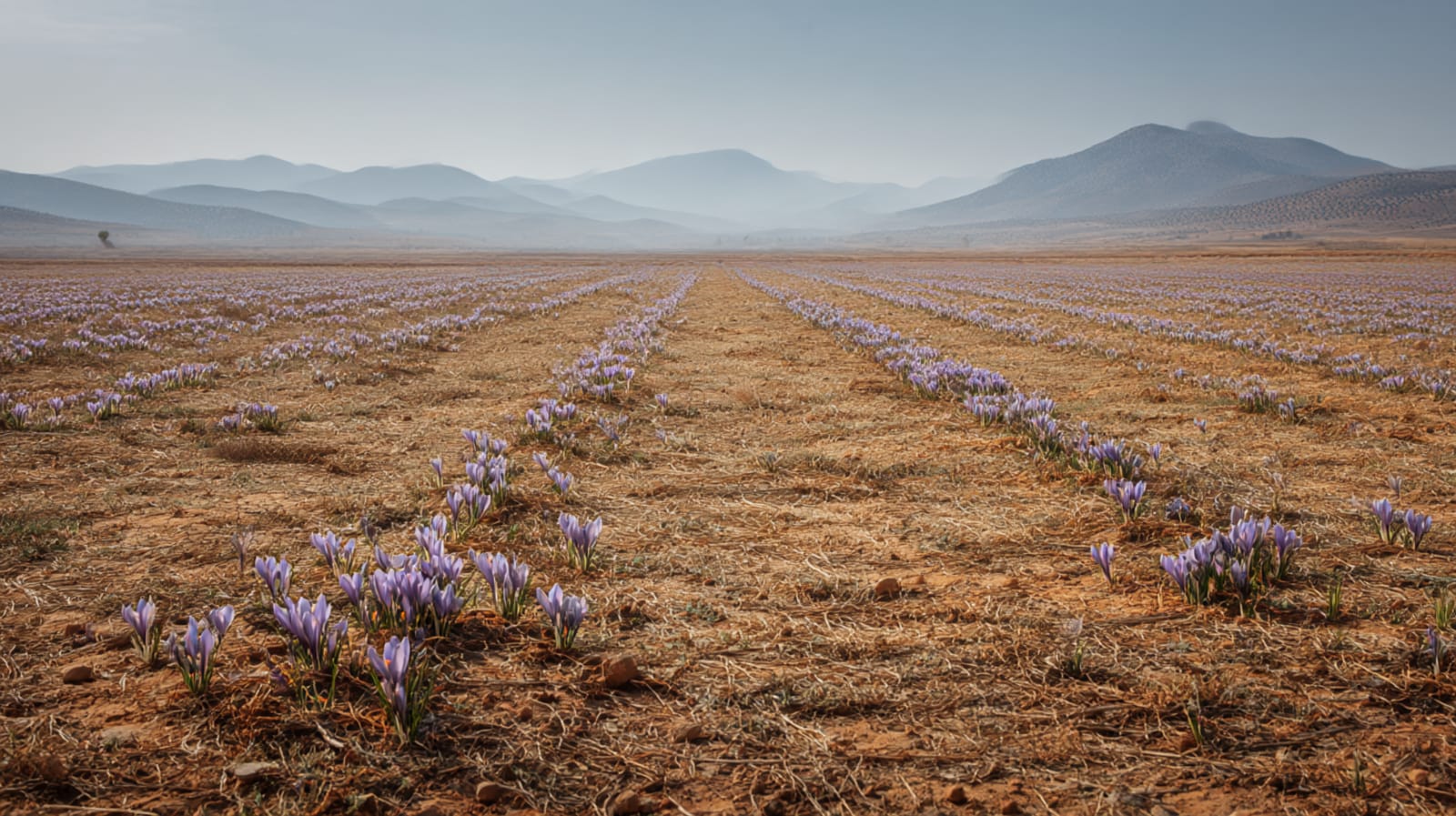
The saffron capital
Taliouine
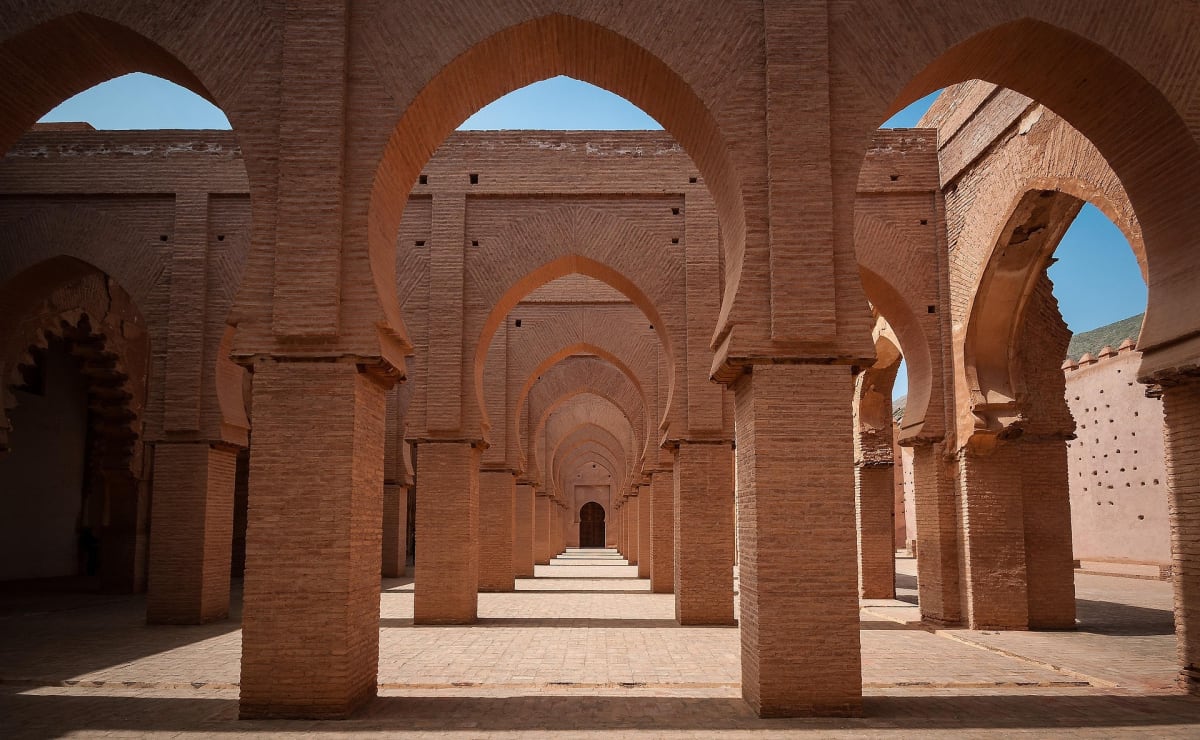
Where the Almohad revolution began
Tinmel
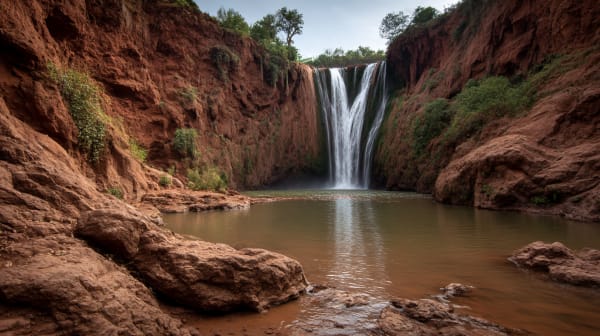
The highest waterfall in North Africa
Ouzoud
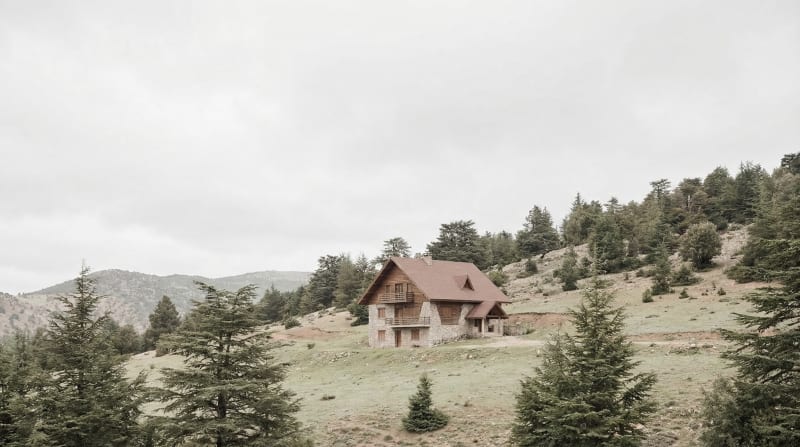
The Alpine town the French built in Africa
Ifrane
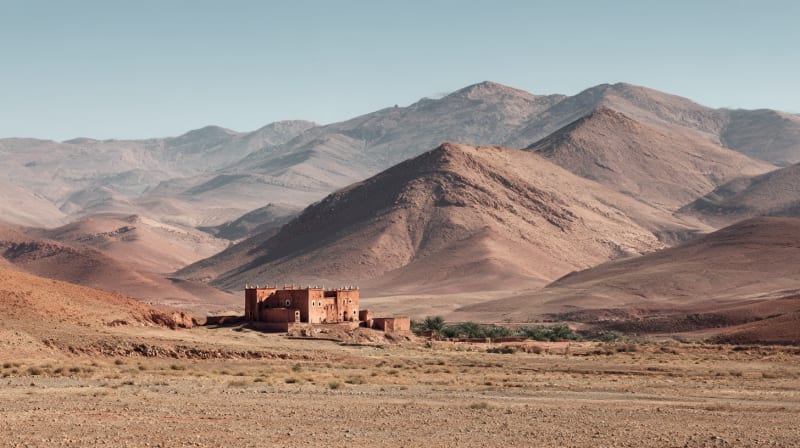
The Pasha's mountain kasbah, abandoned and standing
Telouet
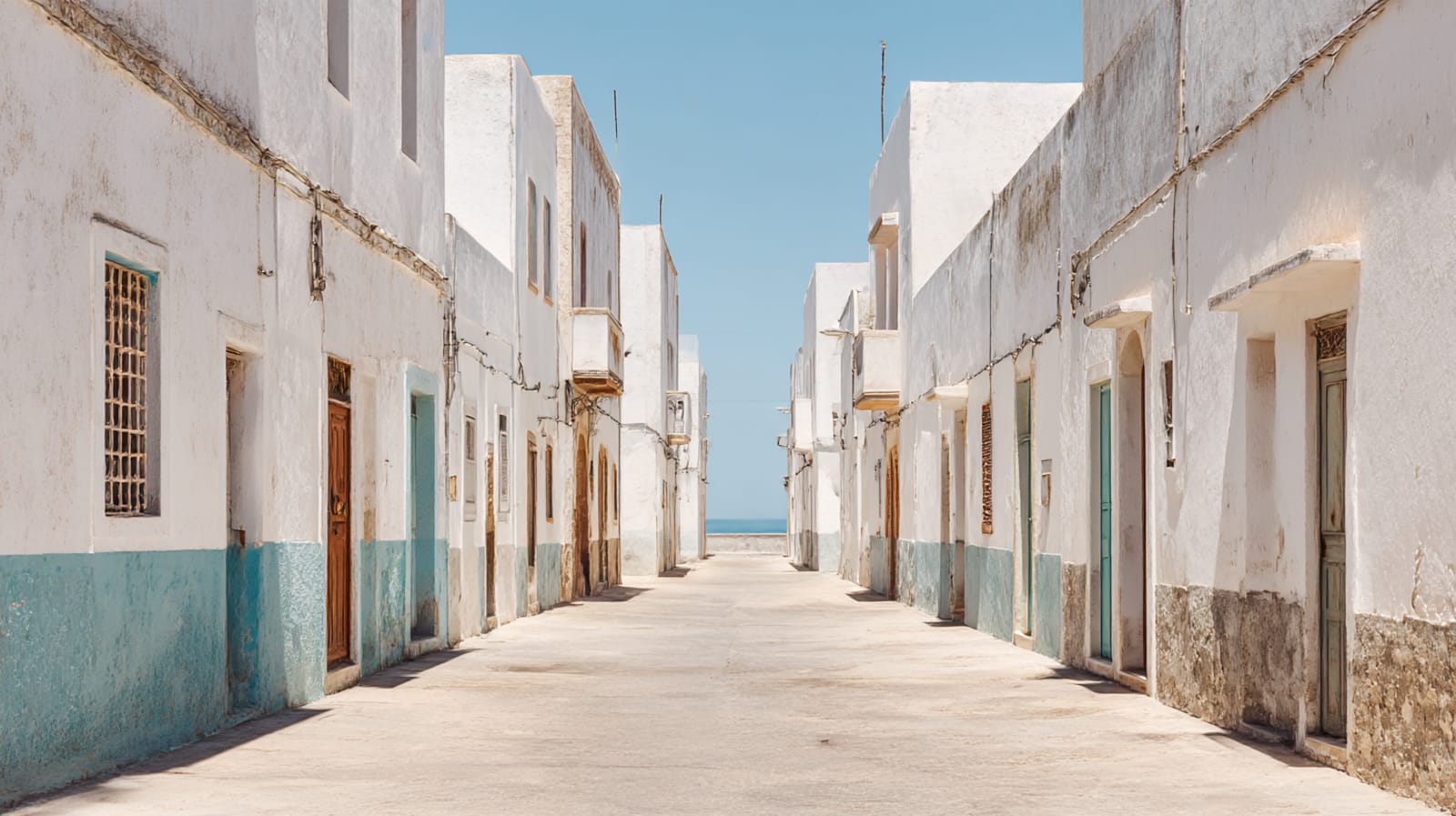
A Portuguese fortress on the Moroccan coast
El Jadida

Africa's highest ski resort, Bronze Age rock art
Oukaimeden

The last souk before the Sahara
Rissani
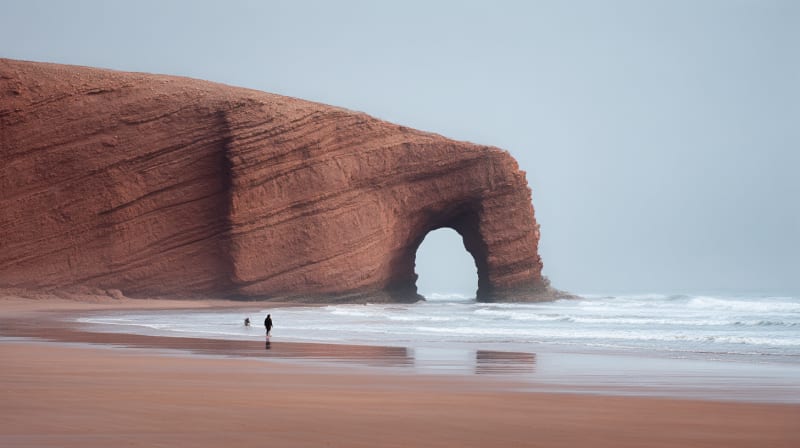
The Art Deco town Spain gave back
Sidi Ifni
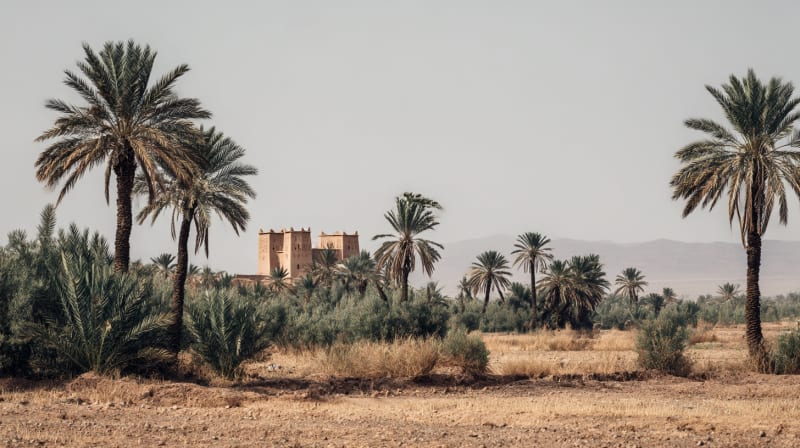
A palmery of kasbahs on the Dadès River
Skoura
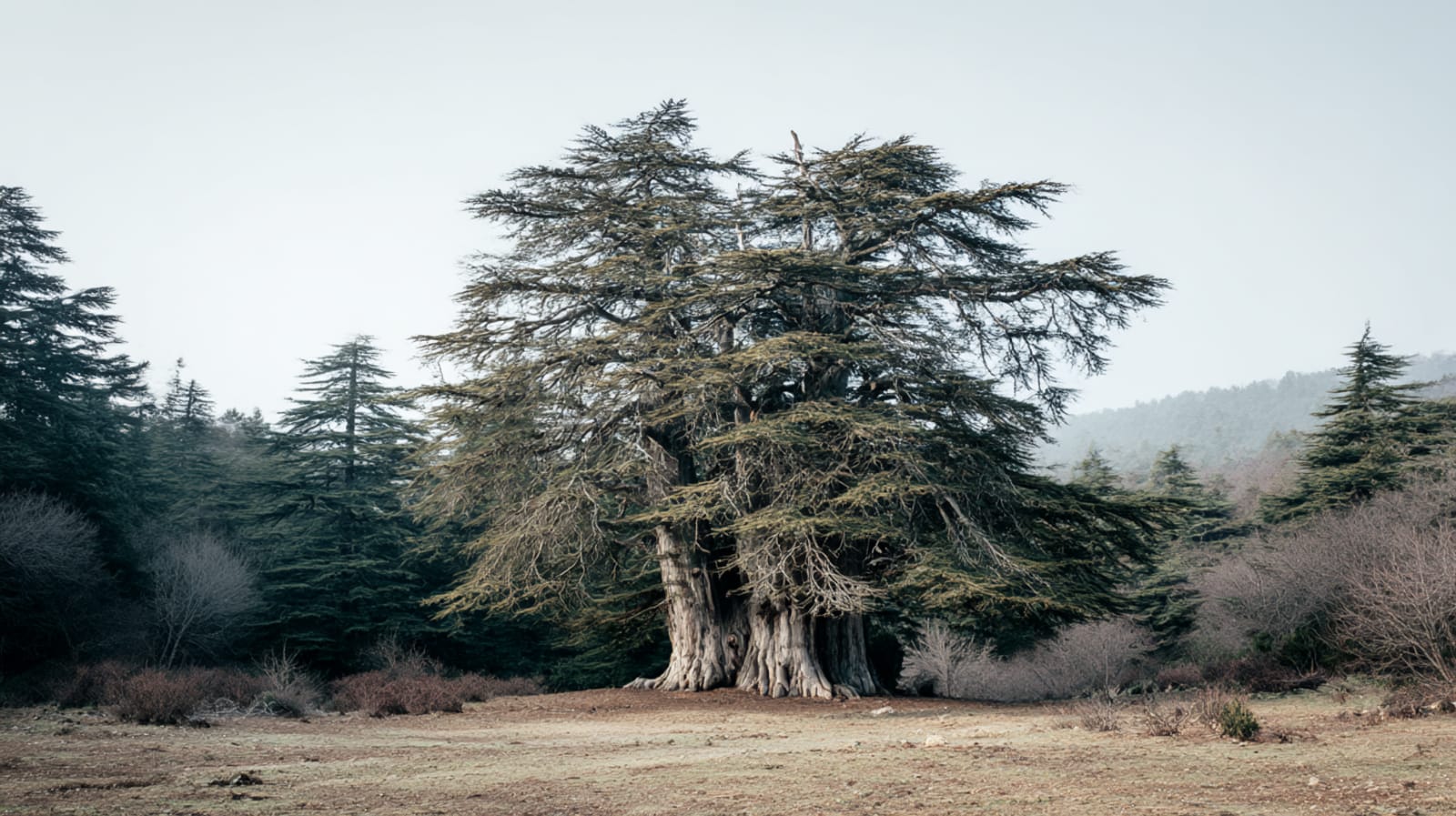
Cedar forests and Barbary macaques
Azrou
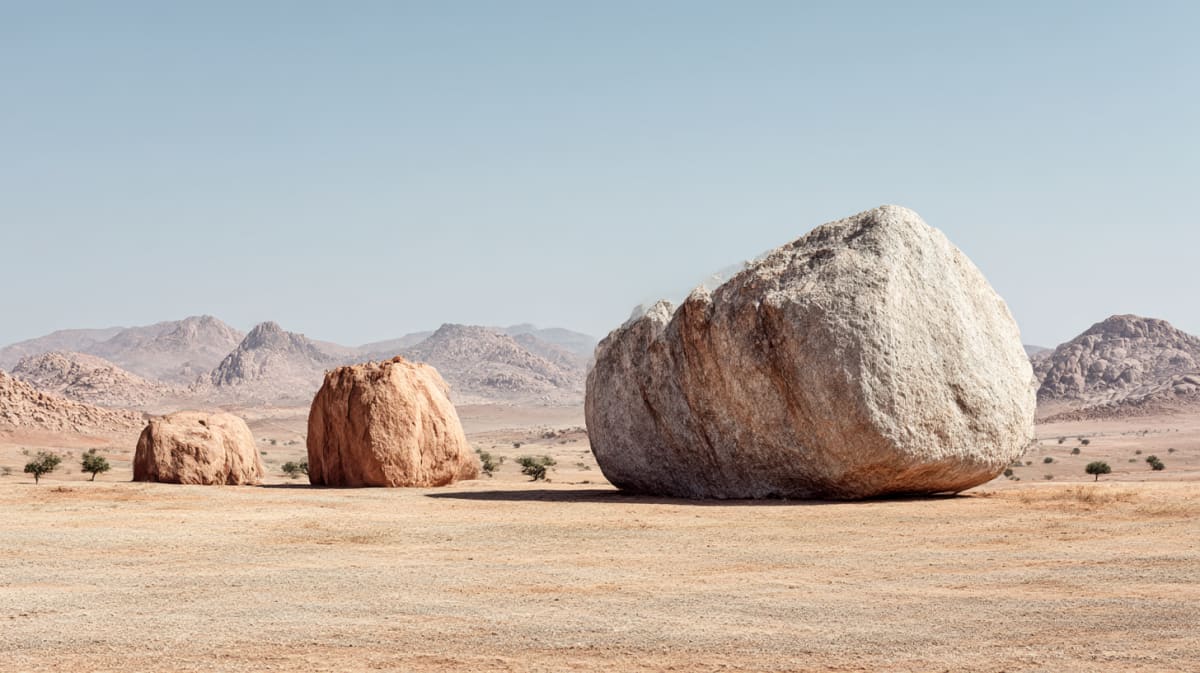
Pink granite, almond blossoms, painted boulders
Tafraout
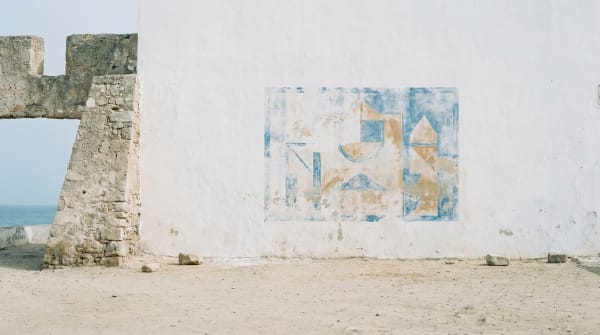
The painters' town on the Atlantic
Asilah
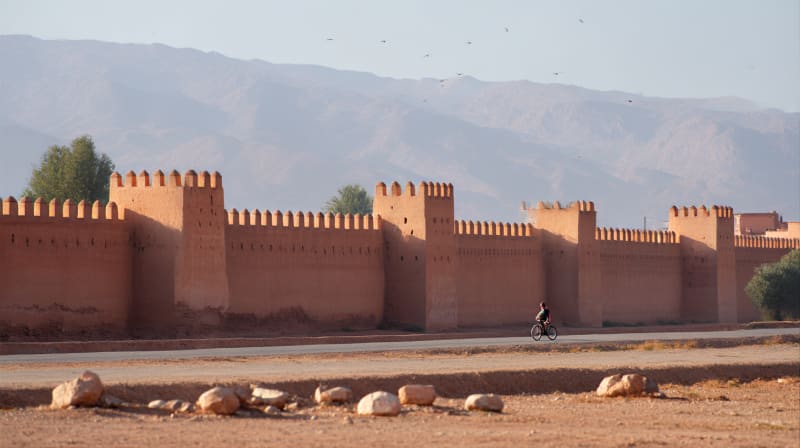
The walled city that decided not to become Marrakech
Taroudant
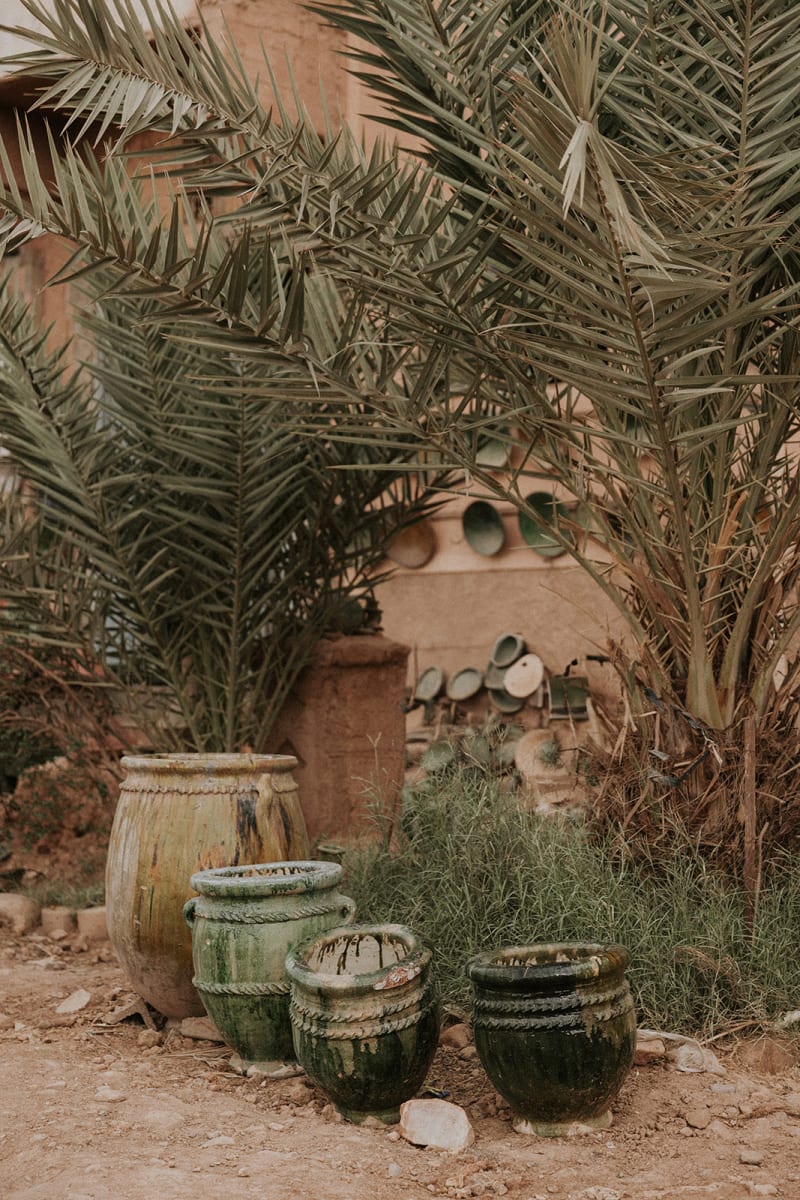
Manuscripts and green pottery in the Draa Valley
Tamegroute
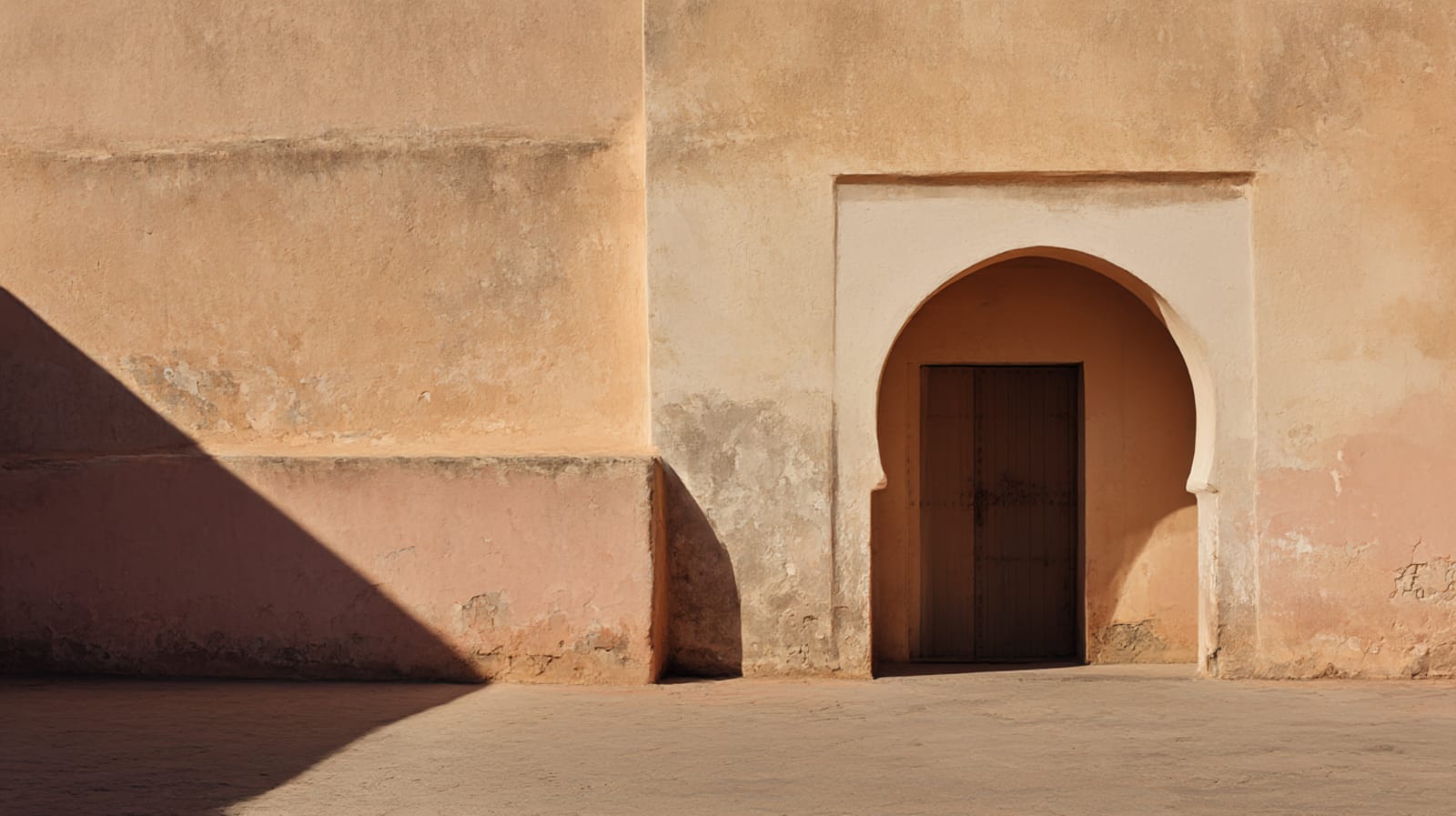
The silver capital of the Amazigh south
Tiznit

The Anti-Atlas plateau the French conquered last
Jbel Saghro
More destinations
Know where you want to go?
Every journey we design starts with a conversation about what matters to you.