Design
The Wood That Grows Underground
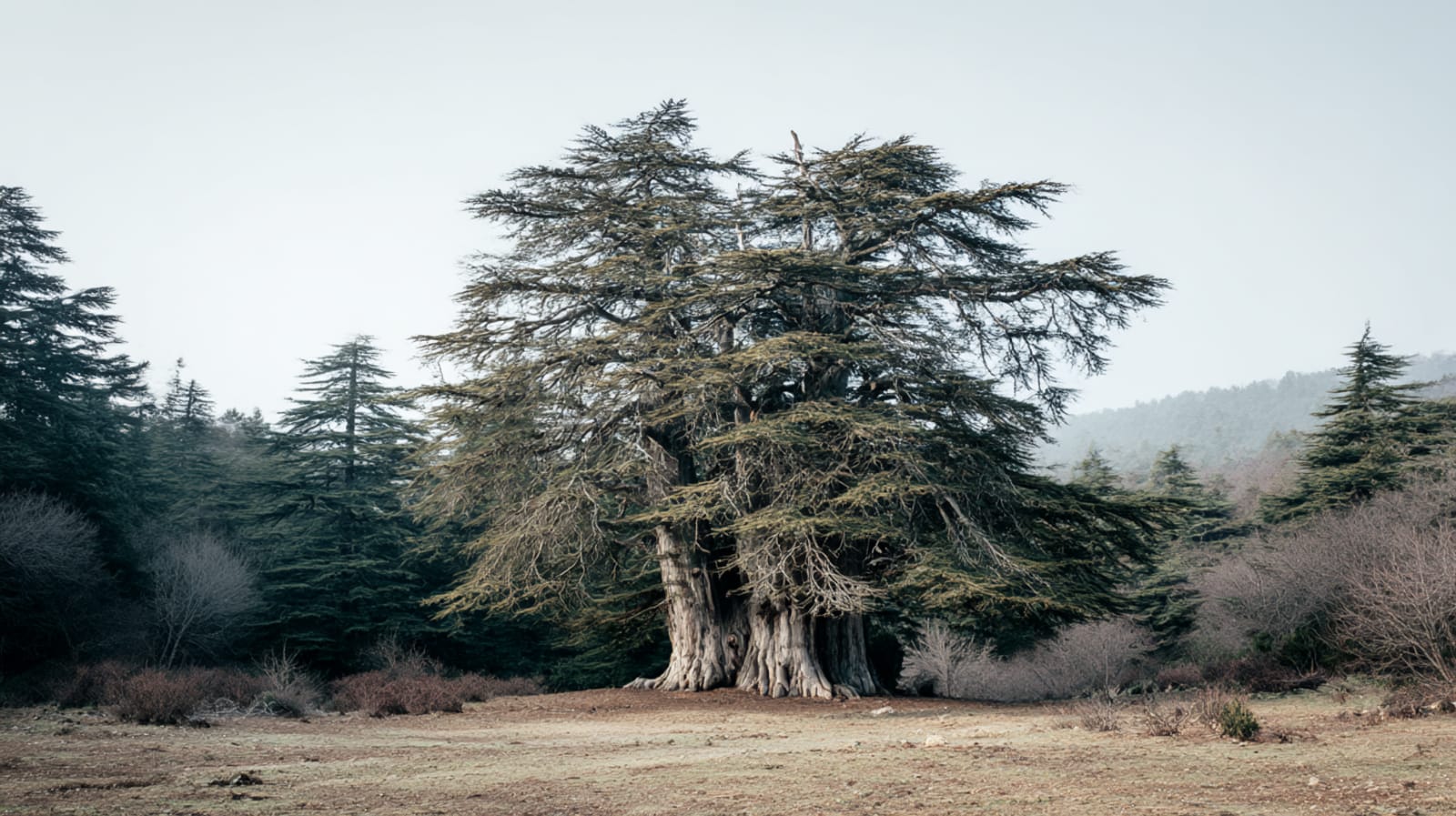
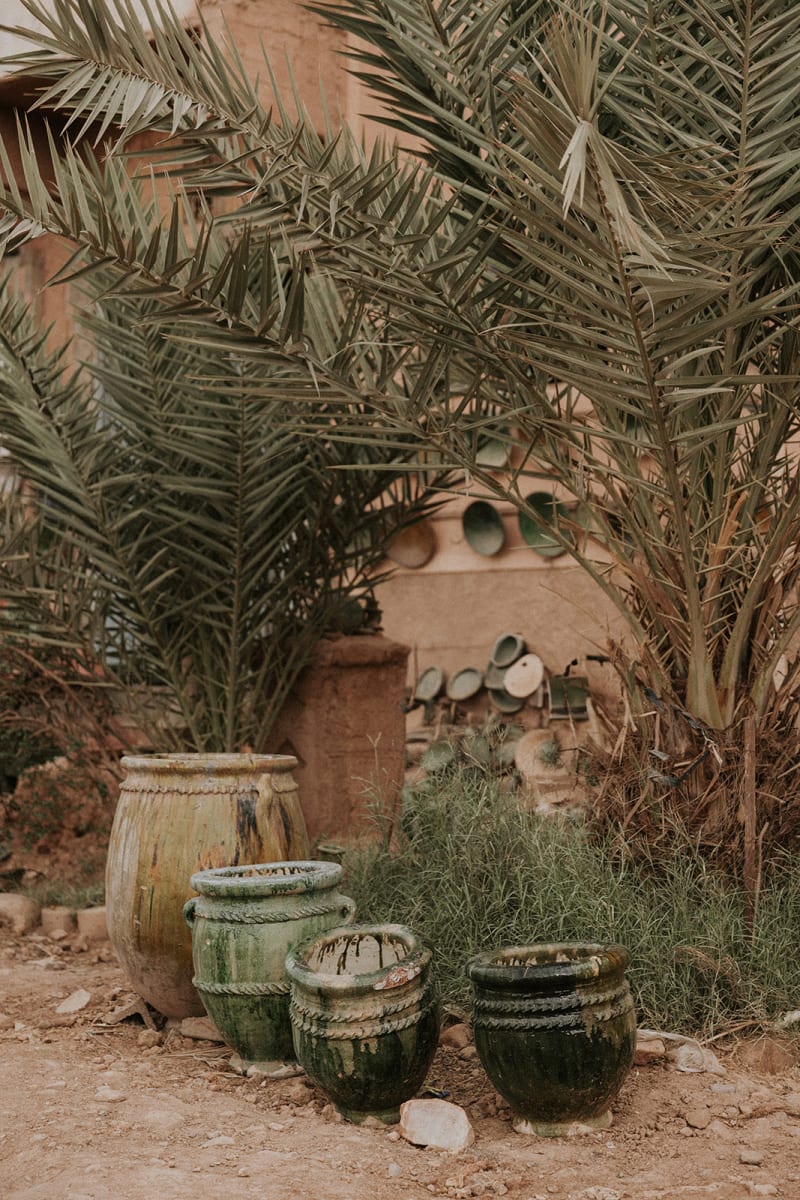
The wood comes from the roots, not the trunk. Burled, twisted, dense with patterns no tree planned. Essaouira has carved it for centuries.

The wind has a name here. Locals call it the alizé — a trade wind that blows north from the Atlantic almost every afternoon between June and September, dropping the temperature by ten degrees and driving kite surfers from around the world to a beach that stretches eleven kilometres south of the old city walls. The wind is the reason Essaouira exists.
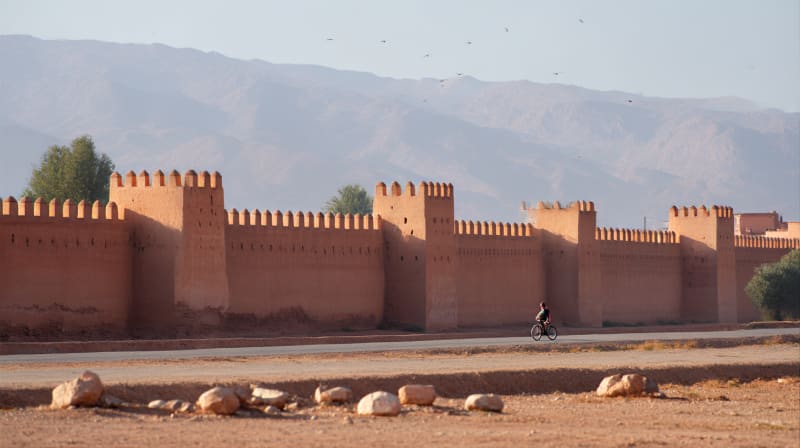
The Portuguese arrived in 1506 and built a trading post they called Mogador, from the Berber word amogdul — the walled place. The ramparts standing today are not Portuguese but French-Moroccan, built in 1765 by Sultan Sidi Mohammed ben Abdallah, who redesigned the city from scratch using a French engineer named Théodore Cornut. The result is unusual in Morocco: a grid. Straight streets, a logical harbour, cannons still pointed at the sea.
Orson Welles spent two years filming his adaptation of Othello here, beginning in 1949. He ran out of money three times. When the costumes failed to arrive from Italy, he filmed the murder scene in a Turkish bath — the actors in towels rather than period dress — and the sequence became the film's most celebrated. A statue of Welles stands near the ramparts, facing the ocean he kept returning to.
Jimi Hendrix visited in 1969 for approximately two days. The mythology around his visit — that he wrote "Castles Made of Sand" here, that he lived in a village outside the city — is largely confected. What is true is that Essaouira's Gnawa musicians have a documented connection to American blues that predates Hendrix's visit by a century. The shared root is the five-note pentatonic scale carried across the Atlantic in the bodies of enslaved people. The Gnawa maalems play the guembri, a three-stringed bass lute, at the same frequencies that John Lee Hooker called the boogie.
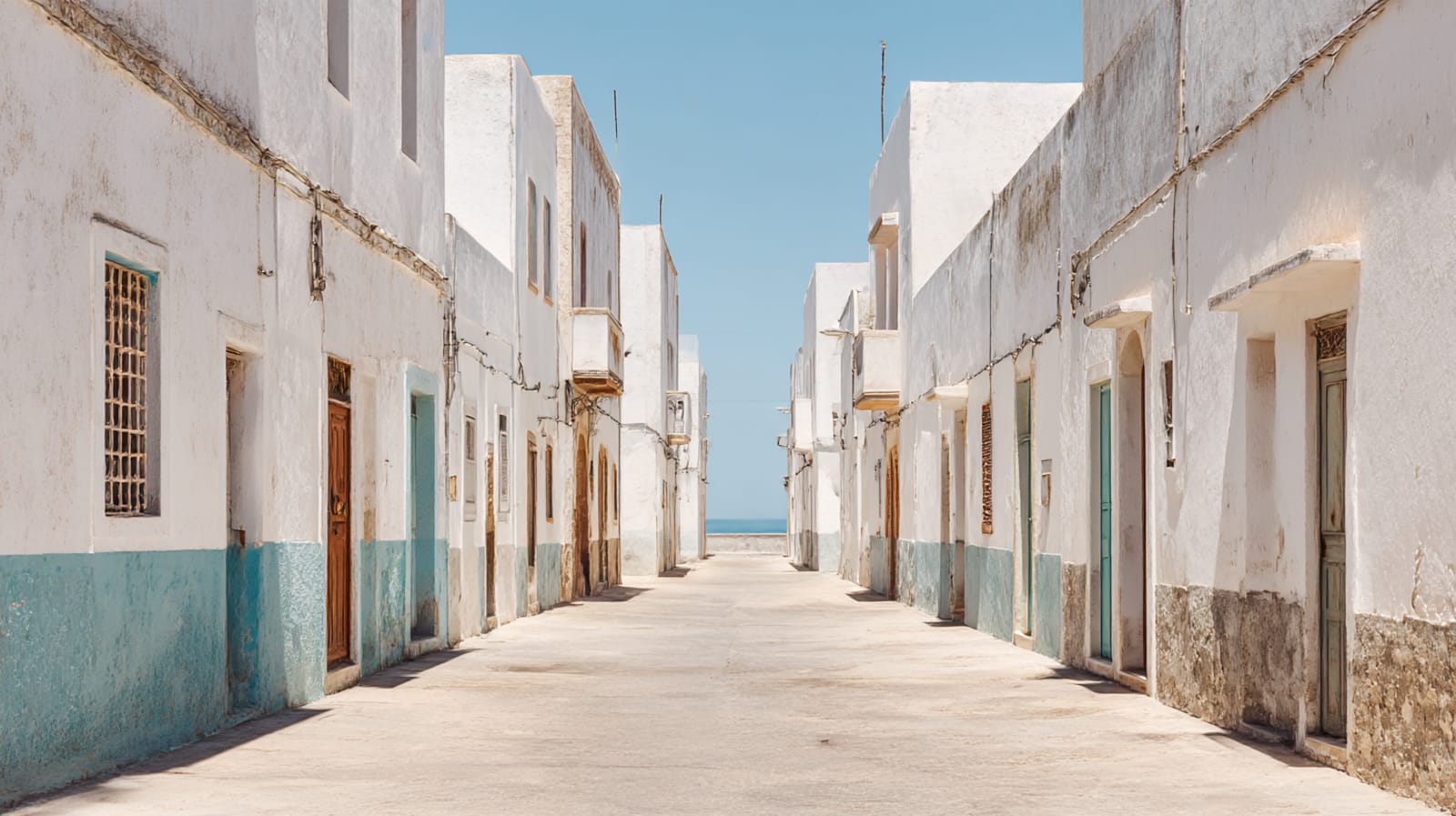
The medina is compact — you can walk its diameter in fifteen minutes — and almost entirely pedestrian. The streets are blue and white rather than ochre. The light off the Atlantic is different from Marrakech: softer, cooler, photographic. The fishing harbour is operational and smells accordingly. The morning auction begins at 8am.
The best months are April, May, October, and November. The summer wind, while famous, makes the beach uncomfortable for anything but water sports. March can be cold and wet. July and August bring the Gnawa Music Festival, the largest gathering of Gnawa masters in the world, five days of free outdoor concerts.
Essaouira is three hours from Marrakech by CTM bus or shared taxi. The road crosses the Jbilet hills and drops to the Atlantic coast through argan forest — the trees filled, in spring, with Moroccan goats that climb twelve feet off the ground to eat the fruit. The image is real. The goats are occasionally placed there for photographers, but the behaviour is genuine and predates the tourism industry by several centuries.
Places
Monuments
Portuguese fortifications redesigned by a French engineer for a Moroccan sultan. The cannons still face the Atlantic, stamped with the names of Dutch and Spanish foundries that supplied both sides.
Working areas
Not a tourist attraction — a working port where sardines and sharks are landed each morning. The auction happens early; the port-side grills serve the catch by noon.
Natural
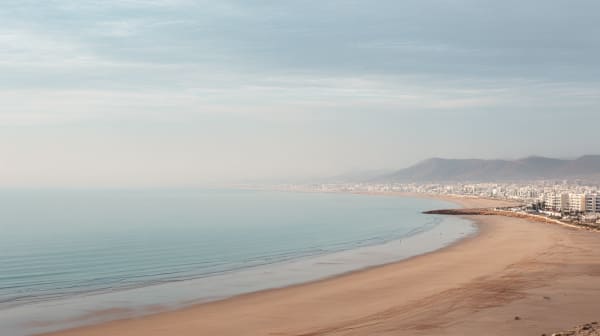
The wind that makes sunbathing uncomfortable makes it perfect for kites. The beach stretches south for miles.
Museum
House of Memory. Opened 2020. Not a museum exactly. A statement about what coexistence looked like.
Neighborhoods
A UNESCO-listed medina built on a grid — which is unusual for Morocco. The French military architect Théodore Cornut designed it in 1760 on the orders of Sultan Mohammed III, who wanted a port city that could receive European trade ships. The result is a medina that feels more open than Fes or Marrakech, with wide lanes, sea light, and walls the color of cloud.
Architecture
The great sea bastion of Essaouira, running the length of the northern medina wall above the Atlantic. Eighteen Portuguese cannons still point seaward from the battlements — none of them ever fired in anger. The view from the top is the one Orson Welles used as the backdrop for his opening scene of Othello, shot here in 1949.
Craft
Essaouira has a monopoly on thuya woodworking — the timber comes from the argan forests of the Souss plain, and the craft of working it has been concentrated here for centuries. The grain of thuya — swirling, amber, fragrant — is unlike any other wood in Morocco. The workshops line the medina lanes between the ramparts and the souks.
Market
The souk quarter of Essaouira is compressed into a handful of lanes behind Place Moulay Hassan — spices, silver jewellery, argan oil, thuya wood, and the occasional Gnawa instrument. Less overwhelming than Marrakech, more legible. The spice sellers here carry coastal varieties — dried sea herbs, preserved lemons, the particular ras el hanout blend of the Atlantic south.
Culture
Essaouira is the capital of Gnawa music — the trance tradition brought to Morocco by sub-Saharan slaves and now recognized by UNESCO as Intangible Cultural Heritage. The musicians who play in the cafés of Place Moulay Hassan are not street performers. They are masters of a tradition that uses sound to heal. The Gnaoua World Music Festival every June transforms the entire city into a stage.
Nature
The Alizés — the trade winds that blow off the Atlantic from June to September — have made Essaouira one of the top kitesurfing and windsurfing destinations in the world. The same winds kept the city's summer temperatures 10 degrees cooler than Marrakech and deterred pirates for centuries. The beach south of the ramparts is where it all happens.
Sacred
A whitewashed marabout shrine on a headland 25 kilometres south of Essaouira, surrounded by one of the emptiest beaches in Morocco. The saint buried here is associated with healing the deaf and mute. Pilgrims come. Surfers come. Both find what they came for.
Culture
A village 5 kilometres south of Essaouira, built around the ruins of a 17th-century fortress. Jimi Hendrix came here in 1969, drawn by the stories of a village of musicians living among ruins by the sea. He stayed two days. The legend that he stayed longer and wrote Castles Made of Sand here is exactly that — a legend. The ruins are real.
Culture
The fishing boats of Essaouira are painted in a particular blue — the same cobalt that marks the city's doors and window frames — because the fishermen believed the color repelled evil. The working harbor is still active every morning before dawn. By seven, the catch is on the quay and the restaurants are buying.
Food
The open-air fish grill stalls at the port entrance — numbered stalls where the morning's catch is grilled over charcoal and eaten at plastic tables with bread and harissa. This is where Essaouira's food identity lives: sardines, dorade, and calamari pulled from the Atlantic two hundred metres away and cooked while you wait.
Nature
The argan forest that surrounds Essaouira is one of the last remaining stands of Argania spinosa on earth — a tree that exists only in this corner of Morocco and nowhere else. The UNESCO biosphere reserve covers 2.5 million hectares. The goats that climb the branches to eat the fruit are real. The oil pressed from the kernels inside the pits they spit out is what the world now calls liquid gold.
Stories from Essaouira

Design
The wood comes from the roots, not the trunk. Burled, twisted, dense with patterns no tree planned. Essaouira has carved it for centuries.

Music
The Atlantic slave trade split one tradition across two continents. In Morocco, they call the spirits mlouks. In Haiti, they call them lwa. The drums remember.

Music
Every café owner in Essaouira has a Hendrix story. He played here. He ate here. He wanted to buy the castle. He inspired 'Castles Made of Sand.' Most of it is myth. The truth is stranger: he was here for about ten days, and the town has never stopped telling the story.

People
Crack, extract, crack, extract. Thirty kilos of fruit for one litre of oil. The cooperatives that turned a village craft into a global industry.

People
The goats in trees are real. But the photos you've seen? Probably staged. The real story is about women, cooperatives, and 30 hours of labor per liter.

History
Behind the walls, a city within a city. The mellah held its own courts, its own time.
Journeys to Essaouira

Wind, grilled fish, Atlantic light — four days where the sea rewrites your clock and nobody asks you to hurry.

Salt drying on your lips. Grilled sardines eaten standing up. White-blue towns where the Atlantic does all the talking — and it never shuts up.

Following the lila circuit. Meeting maâlems. Understanding the trance, the colors, the spirits. Not a performance — a passage.
You might also consider
Journeys that pass through Essaouira

Morocco's oyster capital — a royal lagoon, the freshest shellfish in Africa, and flamingos in the salt pans.

The blue garden, the red city, and the painters who came for a visit and never left — which says more about Marrakech than any guidebook.

Meknes vineyards to Essaouira oysters — Morocco's terroir hiding in plain sight.
Plan your visit
Every journey we design includes private guiding, accommodation chosen for character rather than category, and the kind of access that takes years in Morocco to arrange.
Plan Your TripWritten from the medina. Sent when it matters.