Art
The Magician from Memphis
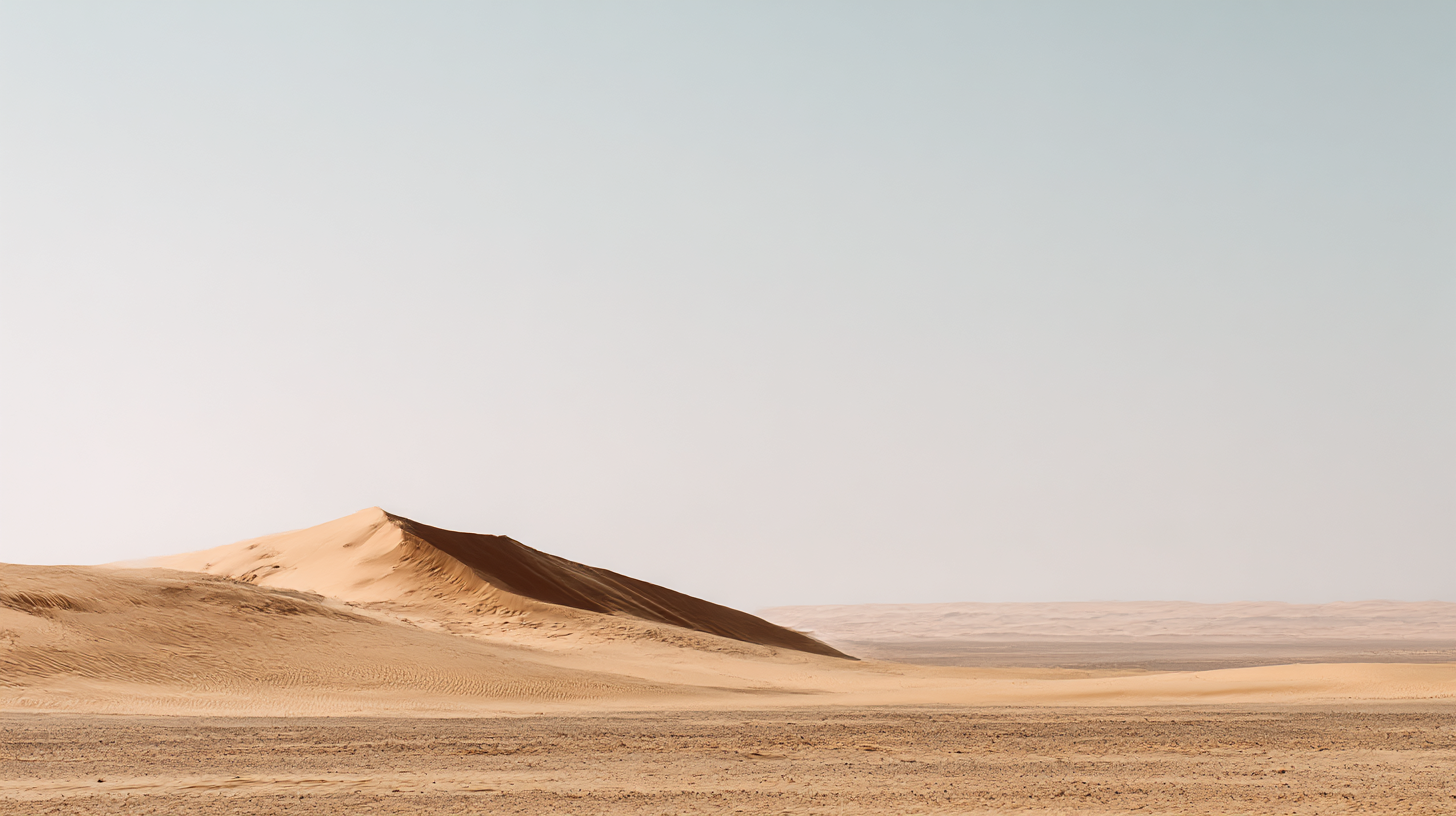
Volubilis was already ancient when the Romans arrived. The mosaic floors held older secrets.

The forgotten imperial
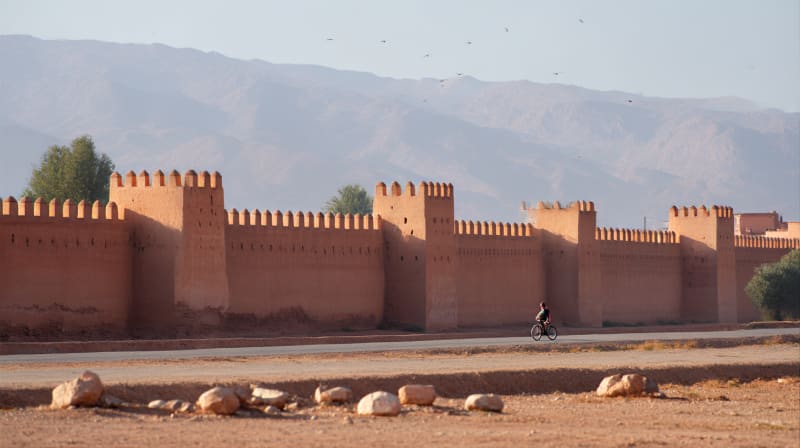
Meknes is the overlooked imperial city — which is another way of saying it is the one you can visit without the crowds, and the one where the monuments still have space around them. Sultan Moulay Ismail built it as his personal capital in the seventeenth century, and the scale of his ambition is evident everywhere: forty kilometres of walls, a granary that could hold enough grain to feed an army for twenty years, stables for twelve thousand horses.
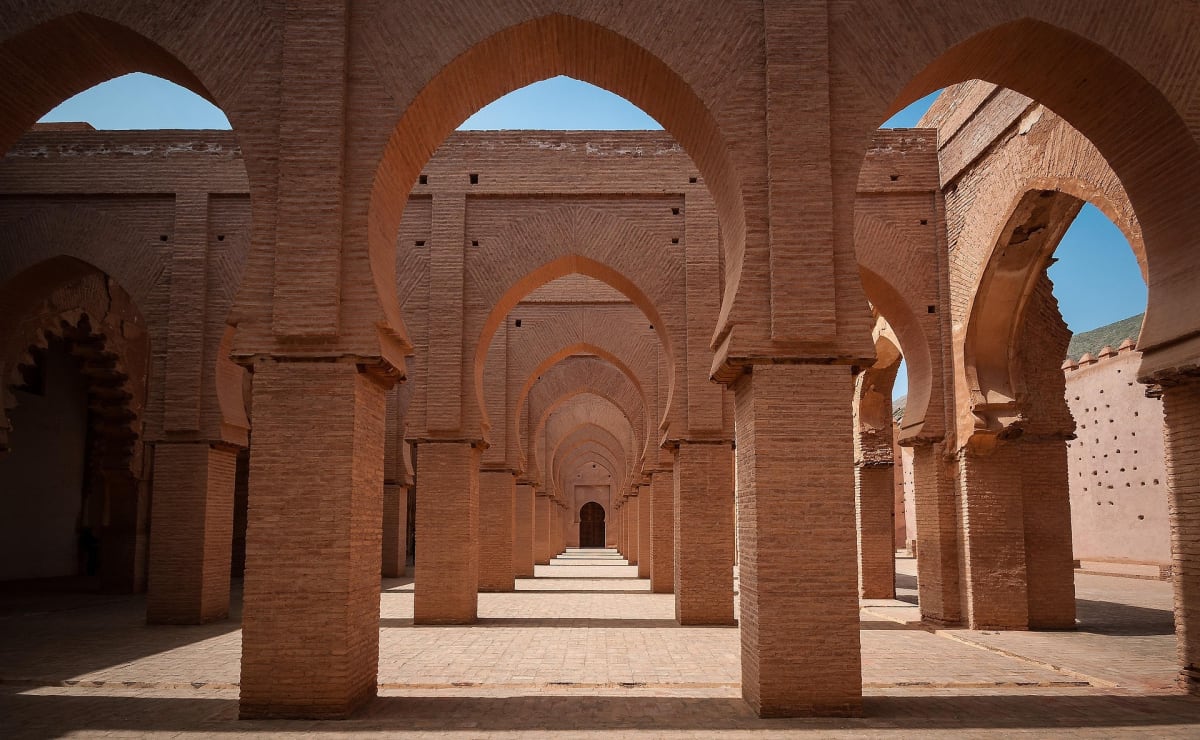
The comparison to Versailles is accurate in intention if not in style. Moulay Ismail was a contemporary of Louis XIV and equally convinced that architecture was the most direct expression of power. He built the Bab Mansour, still one of the most elaborately decorated gates in Morocco, as the entrance to his imperial precinct. The Heri es-Souani granary — the grain store and stables — is vast and half-ruined and extraordinary.
The medina itself is a Unesco World Heritage site and the most navigable of Morocco's four imperial cities. The Place el-Hedim, the main square, functions as a smaller Jemaa el-Fna — food stalls, musicians, storytellers in the evenings. The Bou Inania Madrasa, older than its more famous namesake in Fes, is exquisite and almost always empty.
An hour's drive north, the Roman ruins of Volubilis — the best-preserved Roman site in North Africa, with mosaics still in place on the floors of houses abandoned in the third century. Moulay Idriss, the holy city on the hill above Volubilis, where the founder of the Idrisid dynasty is buried.
Places
Monuments
The grandest gate in Morocco, built to announce the power of a sultan who spent fifty years making Meknes rival Versailles. Named for the Christian slave who designed it.
Monuments
The sultan ruled 55 years, fathered hundreds, kept 25,000 slaves. His mausoleum is one of few Islamic shrines non-Muslims may enter.
Monuments
Moulay Ismail kept 12,000 horses. This was their stable — a vast complex designed by a Christian slave architect. The scale is industrial; the 1755 earthquake left only suggestions.
Monuments
The best-preserved Roman ruins in Morocco, the farthest southwest the empire reached. Mosaic floors remain where they fell — Orpheus, Dionysus, the Labours of Hercules — columns against sky.
Stories from Meknes

Art
Volubilis was already ancient when the Romans arrived. The mosaic floors held older secrets.

History
He ruled for fifty-five years, expelled the English from Tangier, resisted the Ottomans, and built a capital to rival Versailles. Most of it from memory.

History
At the western edge of the Roman Empire, a city rose from the Moroccan plains. Volubilis had olive presses, bathhouses, mosaics, brothels — everything Rome built everywhere. When the legions withdrew in 285 CE, the locals didn't destroy it. They just kept living there, for another 700 years.

History
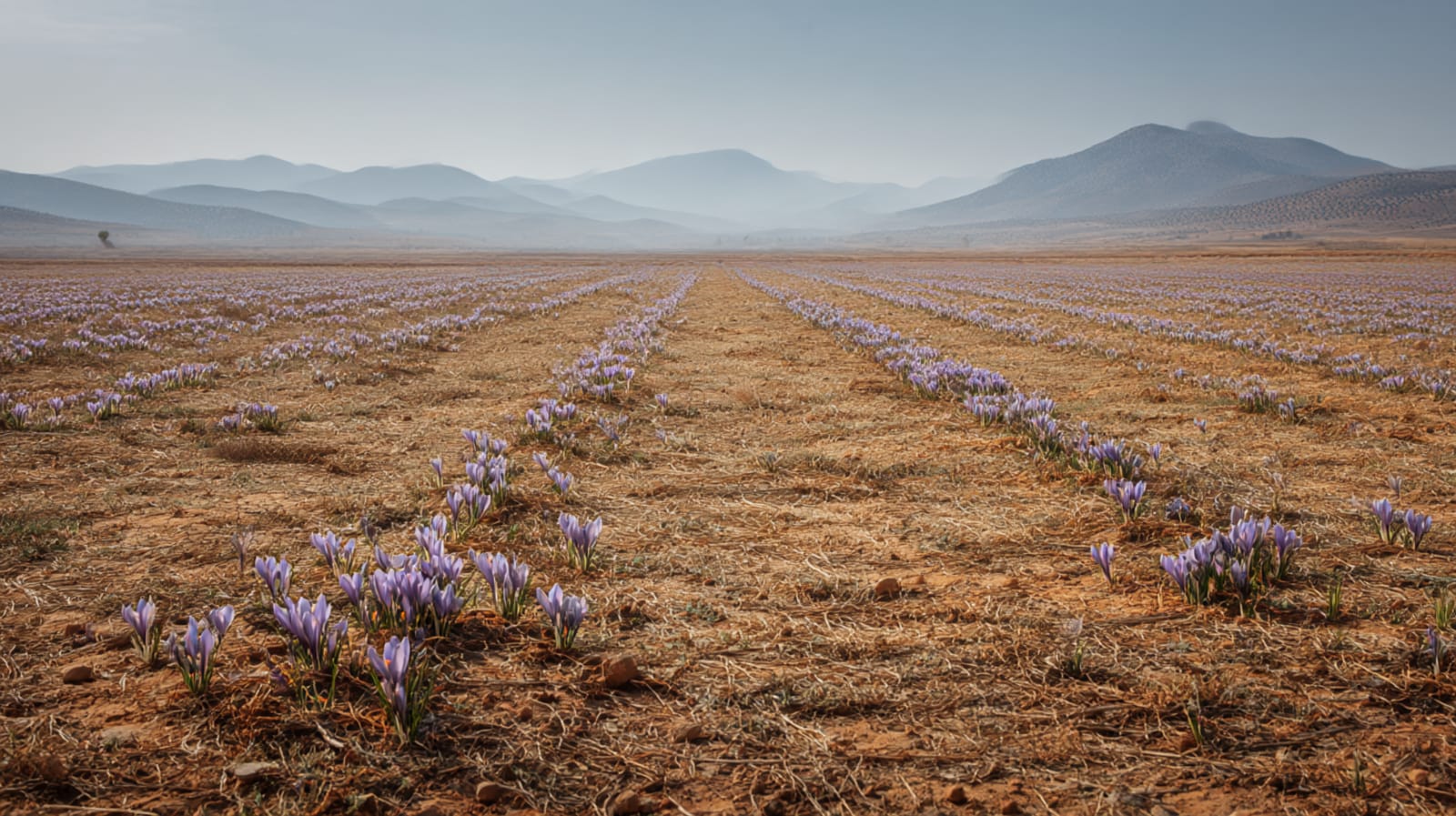
She was sixteen. A Muslim man wanted to marry her. She refused. He told the authorities she had converted to Islam and then recanted. Apostasy was a capital offence.

History
The Almohads gave him the same choice they gave everyone: convert, leave, or die. He was twenty-one. He chose Fes, of all places — where the Almohads also ruled. Scholars still argue about why.

History
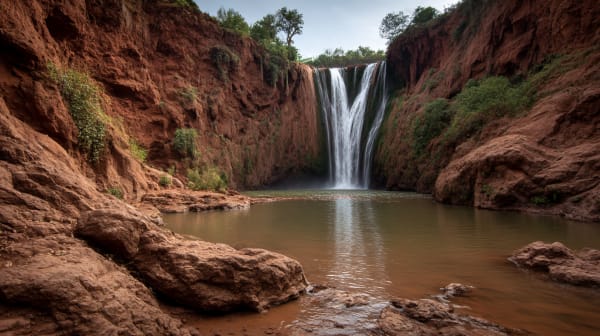
Morocco has four imperial cities. Each was chosen by a different dynasty, for different reasons, and each still carries the architectural DNA of the rulers who built it.
You might also consider
Journeys that pass through Meknes

Roman columns and Morocco's holiest shrine, an hour apart.

Imperial cities, Roman mosaics, and a vineyard lunch that quietly dismantles everything you assumed about North African soil.

Meknes vineyards to Essaouira oysters — Morocco's terroir hiding in plain sight.
Plan your visit
Every journey we design includes private guiding, accommodation chosen for character rather than category, and the kind of access that takes eleven years in Morocco to arrange.
Plan Your Trip