Over 500 bird species have been recorded in Morocco. That is more than France, more than Spain, more than any single European country — a fact that birdwatchers know and everyone else finds mildly astonishing. The reason is geography: Morocco straddles four biomes and sits at the narrowest crossing point between Europe and Africa. Every bird that migrates between the two continents has to pass through here or go swimming.
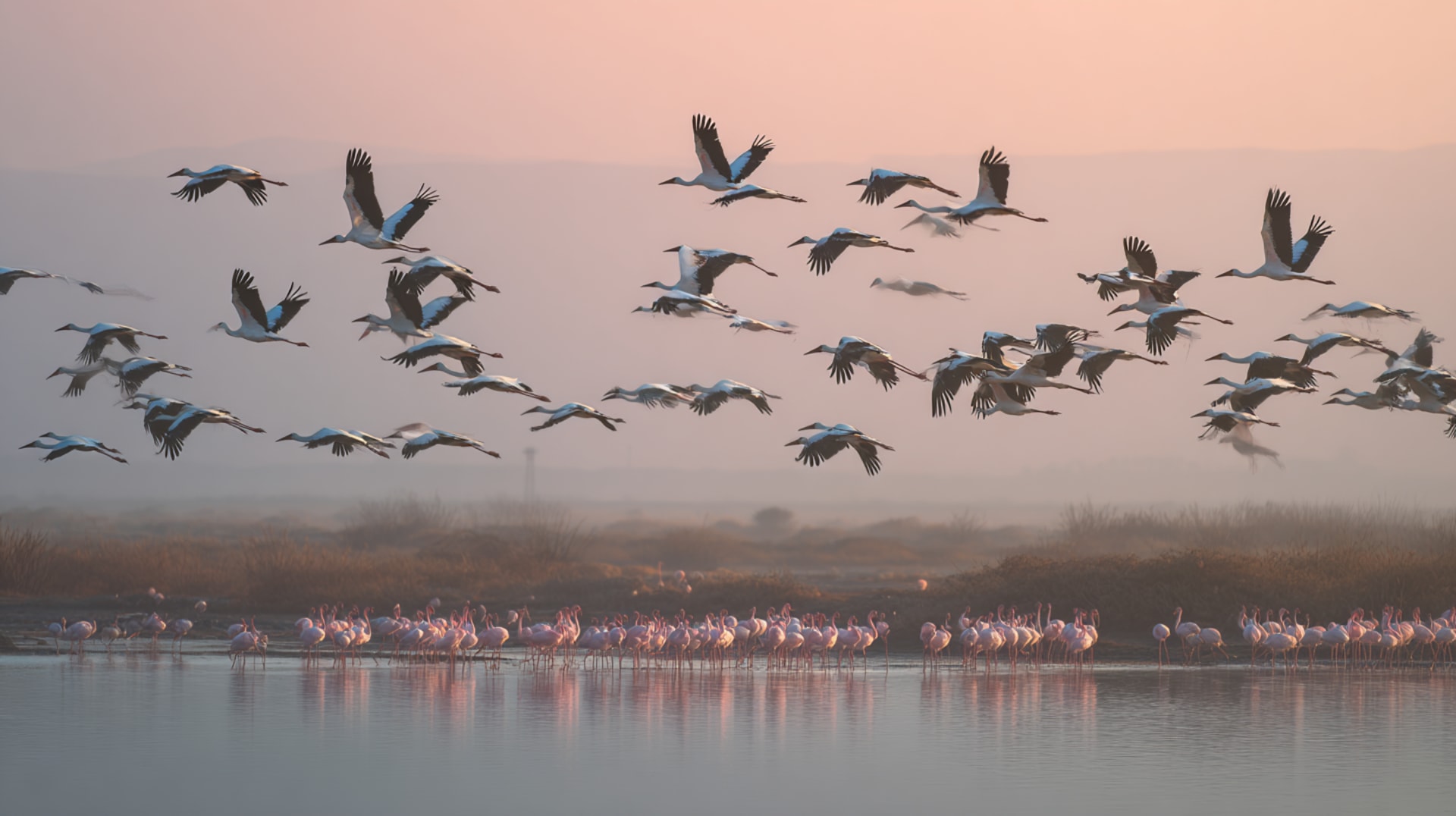
The Strait of Gibraltar is 14 kilometres wide. Every autumn, hundreds of millions of birds funnel through this bottleneck. Raptors — short-toed eagles, booted eagles, Egyptian vultures, black kites — soar on thermals above the strait. White storks cross in flocks of thousands, circling upward until they are specks, then gliding across the water in a silence that is visible from the ground. Passerines cross at night, trusting darkness to protect them from predators that are also migrating, which is the kind of arms race that nature has been running since before birds had the feathers to cross anything.
Souss-Massa National Park, south of Agadir, protects one of the last wild populations of the Northern Bald Ibis — a critically endangered species with fewer than 700 individuals worldwide. Morocco holds over 95% of the remaining wild population. The birds are not beautiful. They are bald, black, and equipped with a curved red bill that gives them the permanent expression of someone who has just received bad news. They are also irreplaceable, and Morocco protects them accordingly.
Merja Zerga, a lagoon on the Atlantic coast, is one of the most important wetlands in North Africa. Greater flamingos winter here in flocks of thousands — pink against grey water, standing with the patience of creatures who have been practising this exact stance for ten million years. Spoonbills, avocets, marsh harriers, and dozens of wader species use the lagoon as a refuelling stop between Europe and the Sahel.
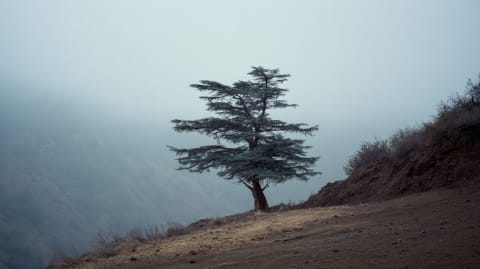
The Middle Atlas cedar forests shelter Barbary macaques and a forest bird community — firecrests, crossbills, woodpeckers — that would not be out of place in a European montane habitat, because it is one. The Saharan oases host desert species: sandgrouse, desert wheatears, and the cream-coloured courser, a bird whose camouflage is so effective that you can be standing on one before you know it is there. Morocco is a country of 500 birds. Most visitors see pigeons and swallows. The rest are waiting to be noticed.
The birding routes we build cross wetlands most tourists never see. Merja Zerga, Souss-Massa, the Oualidia lagoon — binoculars change everything.
Tell us about your trip →Data and visualisation by Dancing with Lions
The Facts
- —Morocco: 500+ bird species recorded
- —Moulay Bousselham: flamingo lagoon
- —Souss-Massa: Northern Bald Ibis (critically endangered)
- —Merja Zerga: Ramsar wetland site
- —Atlas cedars: Barbary macaque habitat (not bird but iconic)
- —Migration corridor: Europe-Africa flyway
- —Ouarzazate region: desert species
- —Ifrane: breeding raptors
Sources
- Thévenot, Michel et al. The Birds of Morocco. British Ornithologists' Union, 2003
- BirdLife International. Important Bird Areas: Morocco
- Ramsar Convention. Moroccan wetland site designations