The roses were not always here. According to local tradition, pilgrims returning from Mecca centuries ago brought Rosa damascena cuttings and planted them as hedgerows along the irrigation channels of the Dades Valley. The roses took. The valley between Kelaat M'Gouna and Boumalne Dadès — roughly 40 kilometres of river valley beneath the High Atlas — now produces an estimated 3,000 to 4,000 tonnes of rose petals annually.
The harvest happens in three weeks, usually mid-April to early May. Women pick the flowers by hand at dawn, before the heat evaporates the essential oils. A picker collects 10-15 kilograms per day. The petals are loaded into trucks and taken to the distilleries — there are roughly 40 cooperatives and private operations in the valley — where they are steamed. It takes approximately 4,000 kilograms of petals — between 150,000 and 200,000 individual roses — to produce one litre of pure rose essential oil. That litre sells for 7,000 to 15,000 dirhams, depending on purity and buyer.
Rosewater — the by-product of distillation — is cheaper and ubiquitous. It goes into pastries, salads, drinks, and cosmetics. Every souk in Morocco sells rosewater. Most of it originates in this valley.
The Festival of Roses takes place in Kelaat M'Gouna every May. A Rose Queen is crowned. There is music, dancing, a parade, and an enormous quantity of rose products for sale. It is one of Morocco's most genuine festivals — not invented for tourists, though tourists have found it.
Beyond the roses, the Dades Valley is one of the most dramatic landscapes in Morocco. The road climbs into the gorge — limestone walls rising vertically, the river cutting through, kasbahs perched on outcrops that look like they should have fallen centuries ago. The "monkey fingers" rock formations near the head of the gorge are geological oddities — erosion-carved towers of conglomerate that look exactly like what the name suggests.
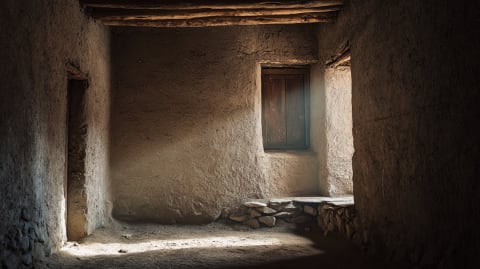
The valley is the route of a thousand kasbahs. That is not a metaphor. There are genuinely hundreds of fortified structures along the Dades and its tributaries, built from pisé and slowly dissolving back into the earth they were made from.
The Facts
- —Rosa damascena: brought by pilgrims from Mecca
- —Harvest: mid-April to early May, 3 weeks
- —3,000-4,000 tonnes of petals annually
- —150,000-200,000 roses = 1 litre of essential oil
- —Rose oil: 7,000-15,000 MAD per litre
- —~40 cooperatives and distilleries
- —Festival of Roses: Kelaat M'Gouna, May
- —Dades Gorge: monkey fingers rock formations
Sources
- Lage, Marie & Dubois, Christian. "Rose Essential Oil Production in Morocco." Journal of Essential Oil Research
- Moroccan Ministry of Agriculture. Kelaa M'gouna rose production data
- FAO. Morocco essential oils and aromatic plants report
Practical questions