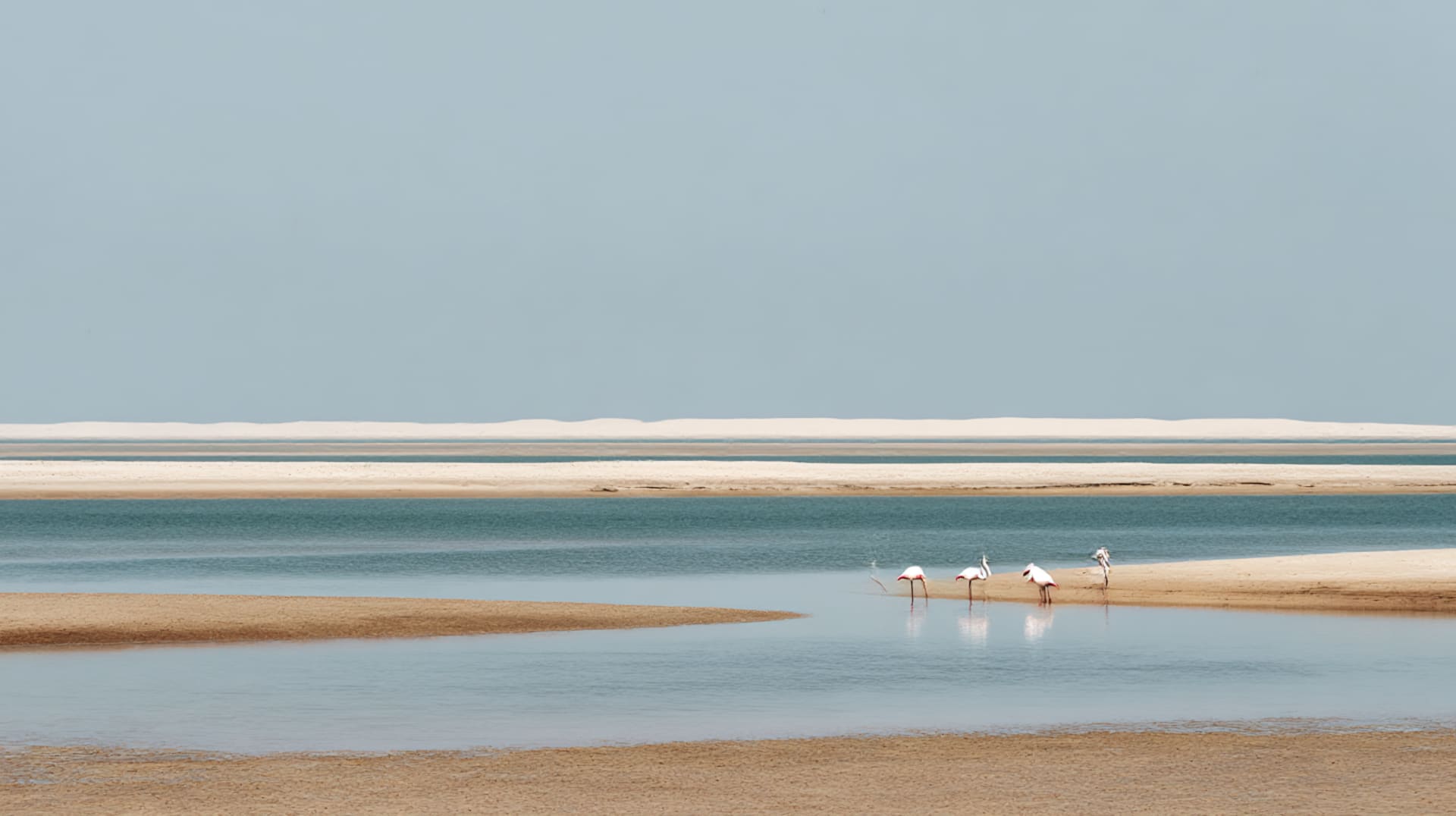
Dakhla is closer to Mauritania than to Marrakech. The lagoon there is 40 kilometres long, a few hundred metres wide, and the wind never stops.
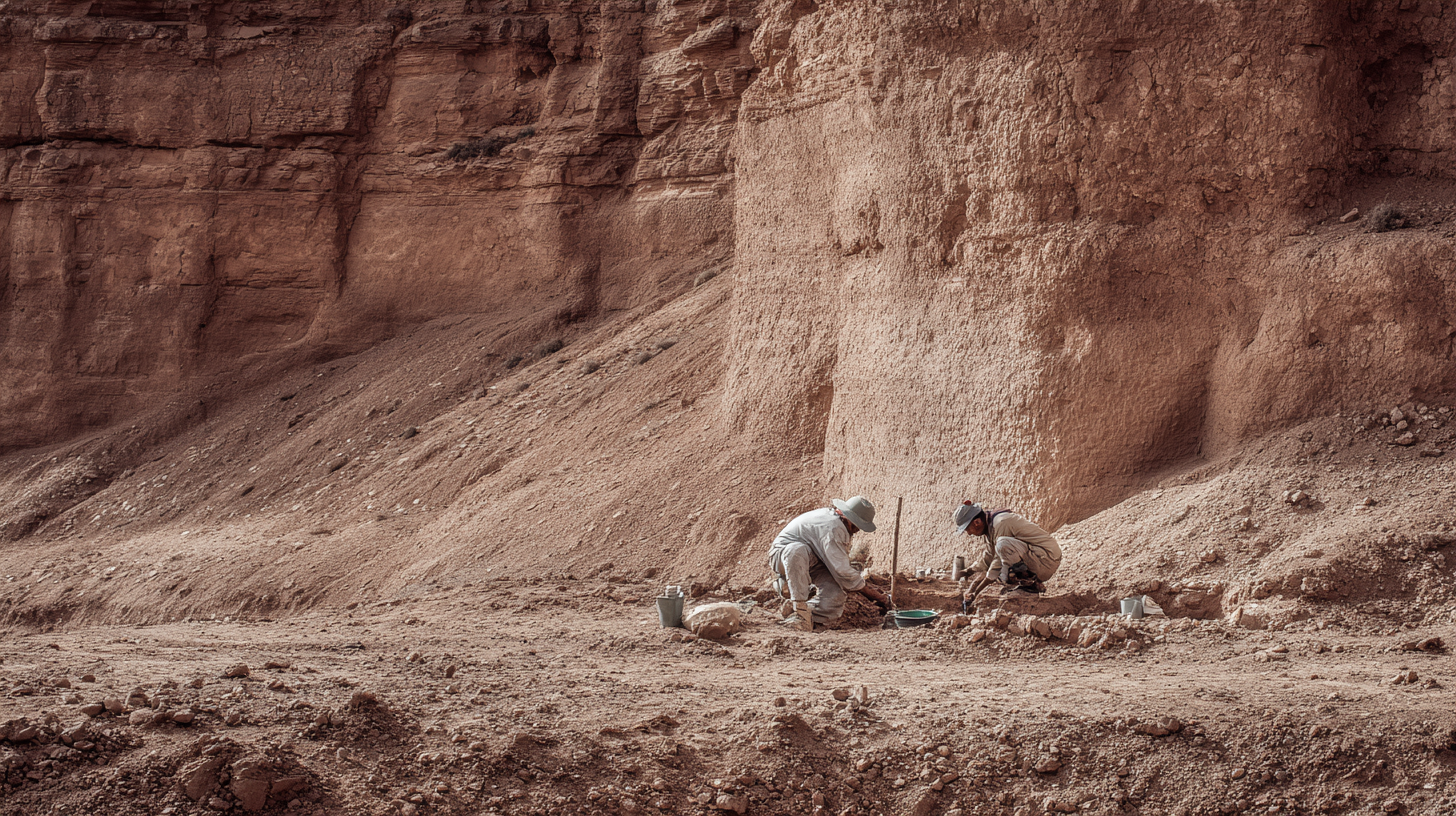
The town sits on a narrow peninsula that curls into the Atlantic like a finger, enclosing a shallow lagoon of warm, flat water on one side and open ocean on the other. The Sahara runs to the waterline. There are no trees. The light is white and constant.
Kitesurfers found Dakhla in the early 2000s and decided it was perfect: steady trade winds, flat water, warm air, no obstacles. Camps and schools opened along the lagoon shore — some basic, some luxurious — and Dakhla became one of the world's premier kitesurfing destinations without ever becoming a conventional tourist town. There are no medinas, no monuments, no historical attractions. There is wind, water, and sand.
Dakhla is in the Western Sahara — the territory Morocco claims and administers, which the Polisario Front claims as the Sahrawi Arab Democratic Republic. The politics are present but quiet. Moroccan flags fly everywhere. Military checkpoints dot the road south. The UN maintains a mission. For kitesurfers, the politics are background noise; for everyone else in the region, they are the foreground.
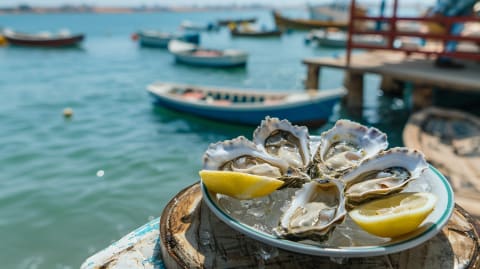
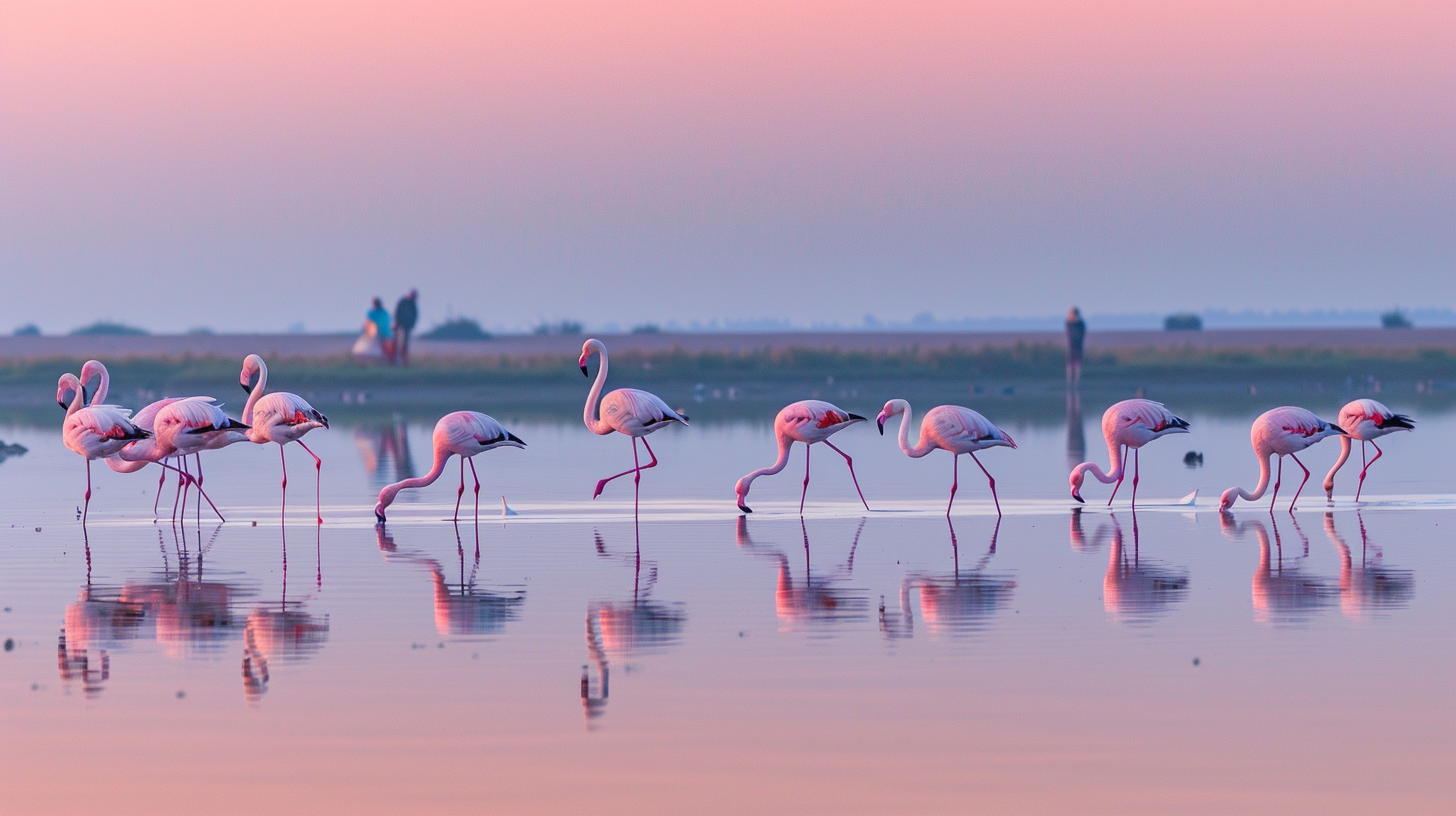
The lagoon supports a fishing industry and a growing oyster farming operation. White flamingos wade in the shallows. The sunsets last an improbable amount of time because the horizon is unbroken in every direction.
Getting to Dakhla requires commitment. It is a 90-minute flight from Casablanca, or a 20-hour drive through the Sahara on a road that passes through exactly nothing for hundreds of kilometres. The people who come here wanted to be at the edge. They are.
The Facts
- —The lagoon there is 40 kilometres long, a few hundred metres wide, and the wind never stops.
- —It is a 90-minute flight from Casablanca, or a 20-hour drive through the Sahara on a road that passes through exactly nothing for
Sources
- Thévenot, Michel et al. The Birds of Morocco. British Ornithologists' Union, 2003
- Ramsar Convention. Khnifiss Lagoon site designation
- BirdLife International. Important Bird Areas: Morocco
Practical questions