Everyone goes to Merzouga. The other dunes are a day farther south, and almost nobody is there.
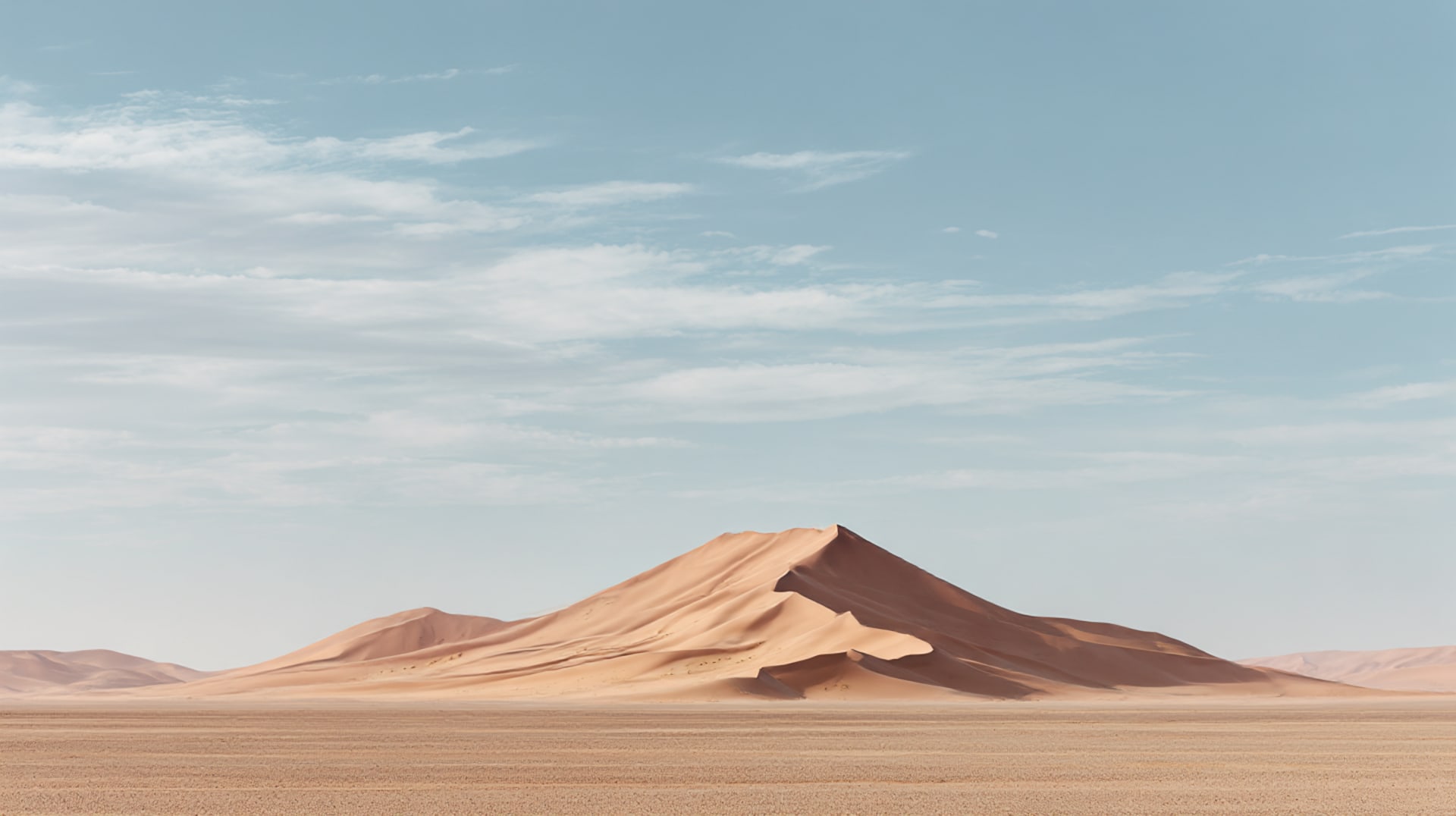
Erg Chigaga sits at the end of the road — past Zagora, past Mhamid, past the last petrol station, fifty kilometres into the open hammada on tracks that require a 4x4 and a driver who knows the route. Where Erg Chebbi at Merzouga is a contained field of dunes beside a town with hotels and restaurants, Erg Chigaga is forty kilometres of sand sea at the edge of the Algerian border with nothing around it at all.
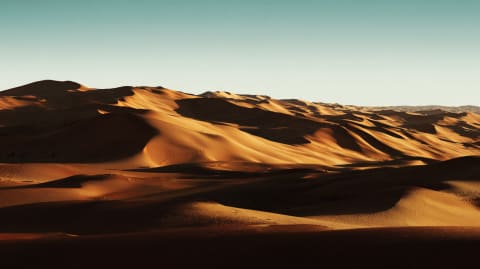
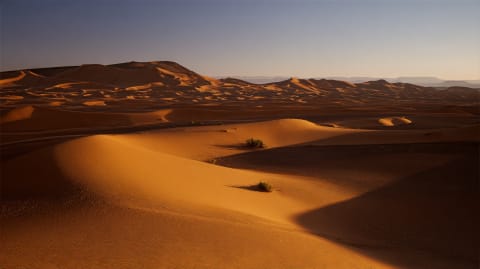
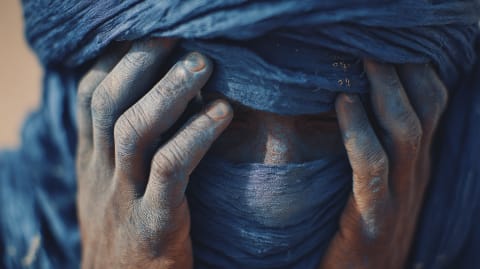
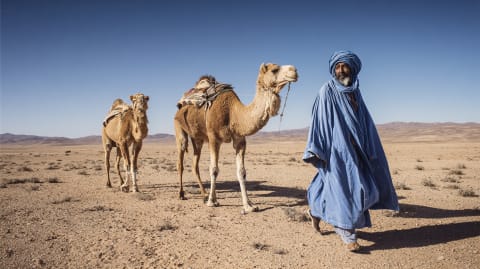
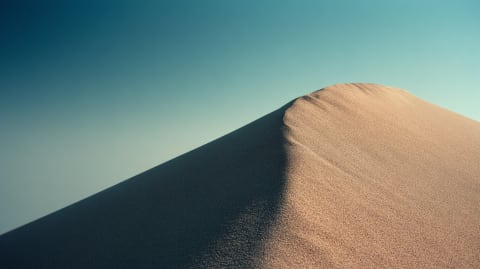
The dunes reach 300 metres high in places — taller than Erg Chebbi. The light at dawn and dusk turns them colours that have no names in most languages. Amazigh nomads — Ait Atta and other groups — still pass through the area on seasonal routes, though their numbers have dwindled.
The camps at Erg Chigaga are fewer and simpler than those at Merzouga. Some are temporary, erected by operators for the season and taken down when the heat becomes unbearable. A few are permanent bivouacs. The solitude is the point. At night the silence is absolute. The Milky Way is visible in a way that is not possible anywhere within a hundred kilometres of a city.
Reaching Erg Chigaga requires planning. The drive from Marrakech is roughly twelve hours. From Mhamid, the last town, the desert track takes two to three hours depending on conditions. There is no mobile phone signal. There are no markers. The drivers navigate by dune shape and sun position.
The people who come here are the ones for whom Merzouga is too easy. They are not wrong.
The Facts
- —The dunes reach 300 metres high in places — taller than Erg Chebbi.
Sources
- Porch, Douglas. The Conquest of the Sahara. Knopf, 1984
- Julien, Charles-André. History of North Africa. Routledge, 1970
- Moroccan Haut-Commissariat aux Eaux et Forêts. Erg Chigaga and Saharan management
Practical questions