Everything else the Almoravids built in Marrakech was destroyed. This one room survived.
The Koubba Almoravide sits in a sunken pit across from the Ben Youssef Madrasa, a small domed building that most visitors walk past without noticing. It dates to approximately 1117, built during the reign of Ali ibn Yusuf, and it is the only intact Almoravid structure remaining in the city. Every other building from that dynasty — the mosques, the walls, the palaces — was demolished by the Almohads when they conquered Marrakech in 1147.
The Almohads were theological puritans. They considered the Almoravids decadent and corrupt, and they erased their architecture systematically. But they kept this ablution house, probably because it served the mosque next door and remained functional.
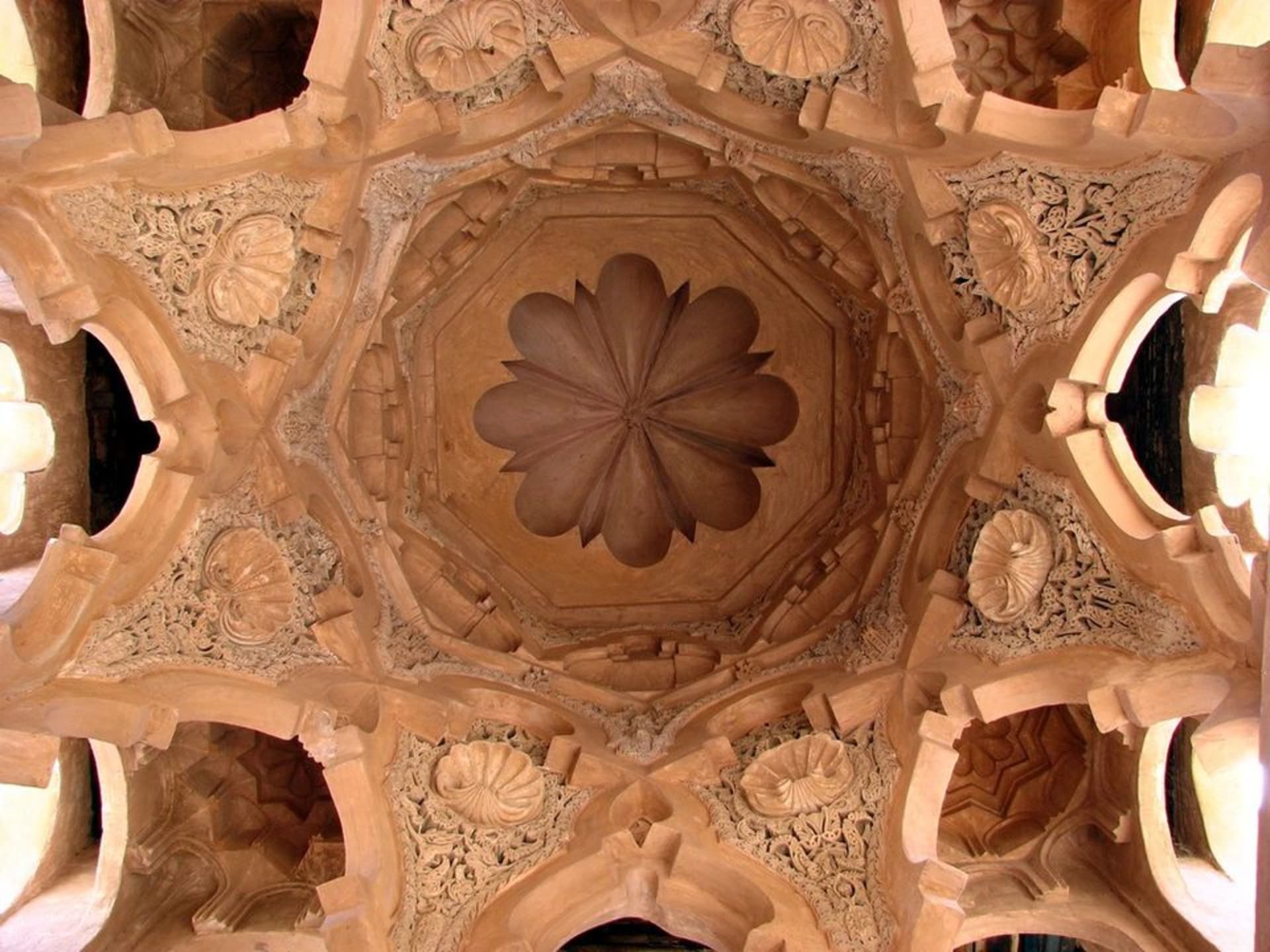
The dome is what matters. Inside, the carved stucco shows the earliest known examples of the decorative motifs — the pine cones, the palms, the acanthus leaves — that would later define Moroccan architecture for the next nine centuries. The horseshoe arches, the interlocking lobed arches, the star patterns: they all begin here. Every madrasa and palace you visit in Morocco descends from this room.
The koubba was only rediscovered in 1948 when the surrounding buildings were demolished. It had been buried inside later construction for centuries. The original floor level sits several metres below the current street — you descend into it as if entering an archaeological dig, which is essentially what it is.
It is small. It takes two minutes to see. But it is the seed from which everything else in Marrakech grew.
The Facts
- —It dates to approximately 1117, built during the reign of Ali ibn Yusuf, and it is the only intact Almoravid structure remaining
- —Every other building from that dynasty — the mosques, the walls, the palaces — was demolished by the Almohads when they conquered
- —The koubba was only rediscovered in 1948 when the surrounding buildings were demolished.
Sources
- Deverdun, Gaston. Marrakech: des origines à 1912. Éditions Techniques Nord-Africaines, 1959
- Marçais, Georges. L'architecture musulmane d'occident. Arts et Métiers Graphiques, 1954
- Parker, Richard. A Practical Guide to Islamic Monuments in Morocco. Baraka Press, 1981
Practical questions