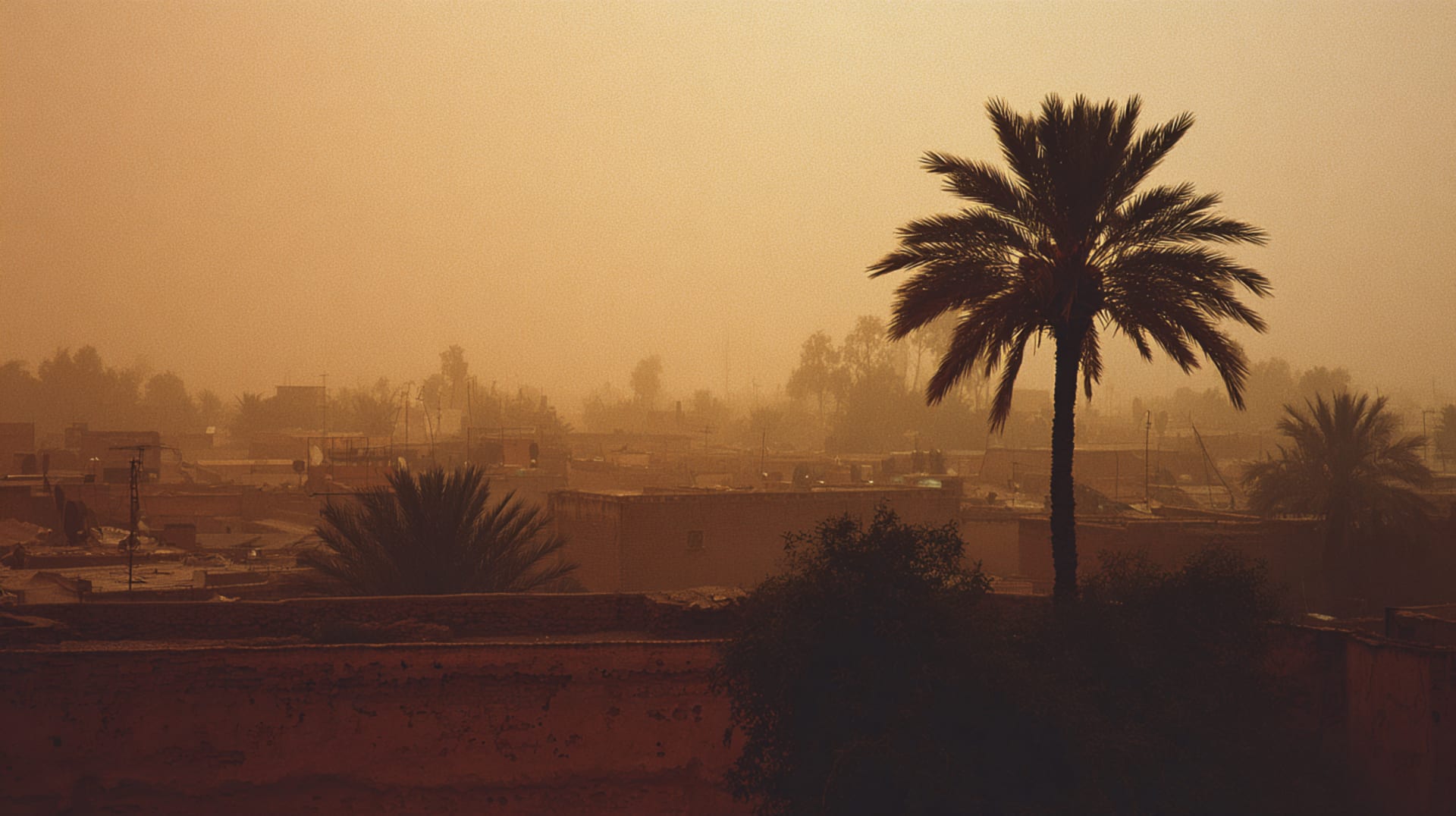
The chergui is the wind that defines summer. A hot, dry east wind from the Sahara, it crosses the Atlas and descends on the western plains and cities with the patience of something that has been doing this since before the cities existed. In Marrakech, the chergui raises temperatures by 10-15°C in hours — a pleasant 30°C afternoon becomes a 45°C furnace. The wind carries fine Saharan dust that turns the sky amber and coats every surface. It lasts two to five days and disappears as suddenly as it arrives, leaving behind a city that needs to wash its face.
The Atlantic moderates everything west of the mountains. Essaouira's temperature rarely exceeds 25°C even in August — the cold Canary Current keeps the coast cool while Marrakech, 170 kilometres inland, is melting. Fog rolls in from the ocean in the early morning. Casablanca has mild winters and warm summers. The coast is green when the interior is brown, which is why the coast has always had the population and the interior has always had the stories.
The Mediterranean north is Morocco's wettest zone. Chefchaouen receives over 700mm of rainfall annually — more than London, a comparison that Chefchaouen has never needed to make but that surprises everyone who hears it. The Rif mountains trap moisture from Mediterranean weather systems. Tangier has grey, wet winters that visitors expecting perpetual sunshine find personally offensive.
The Atlas creates its own climate. Heavy snowfall above 2,000 metres from November to April. Ski stations operate at Oukaïmeden and Michlifen — modest by Alpine standards, but real snow on real mountains in Africa, which is enough to confuse anyone whose mental map of the continent does not include chairlifts.
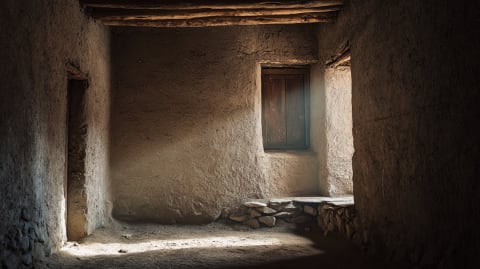
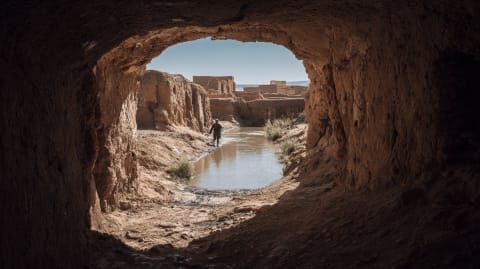
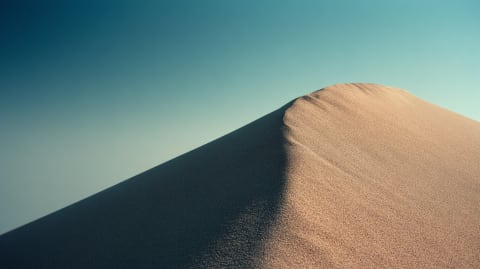
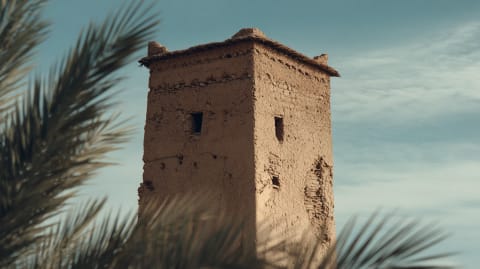
The Saharan south receives less than 100mm of rain per year. When it rains, it rains violently — flash floods that fill wadis in minutes and disappear in hours. The rest of the year is dry, hot, and governed by a sky so blue it looks synthetic. Summer temperatures exceed 50°C in the Draa Valley, which is a number that requires air conditioning or architecture to survive, and the ksour of the valley chose architecture because it was available and electricity was not.
Snow in the Atlas, heat in the Sahara, Atlantic mist in Essaouira — sometimes on the same day. Ten days crosses all of it.
Tell us about your trip →Data and visualisation by Dancing with Lions
The Facts
- —Mediterranean climate: northern coast
- —Semi-arid: interior plains
- —Desert: south and east of Atlas
- —Alpine: High Atlas peaks (snow October-June)
- —Atlantic influence: cool, misty coast
- —Chergui: hot Saharan wind
- —Marrakech: 20+ days above 40°C/year
- —Ifrane: recorded -23°C (1935), coldest in Africa
Sources
- World Meteorological Organization. Morocco climate profile
- Direction de la Météorologie Nationale. Historical weather data
- Moroccan National Tourist Office. Regional climate guides