El Jadida Portuguese Medina
The walled Portuguese city of Mazagan — founded in 1513 and held by Portugal until 1769, when Sultan Sidi Mohammed ben Abdallah flooded it with gunpowder and forced the Portuguese to evacuate. The Moroccans who resettled it after independence kept the Portuguese street grid intact. The result is the only Portuguese colonial city on the African Atlantic coast that still functions as a living medina.
The Portuguese Medina of El Jadida — the fortified city of Mazagan — is a UNESCO World Heritage Site and one of the finest examples of Portuguese military architecture in Africa. The walls form a complete quadrilateral, with bastions at each corner, a single main gate, and a network of streets inside that follows the original 16th-century plan.
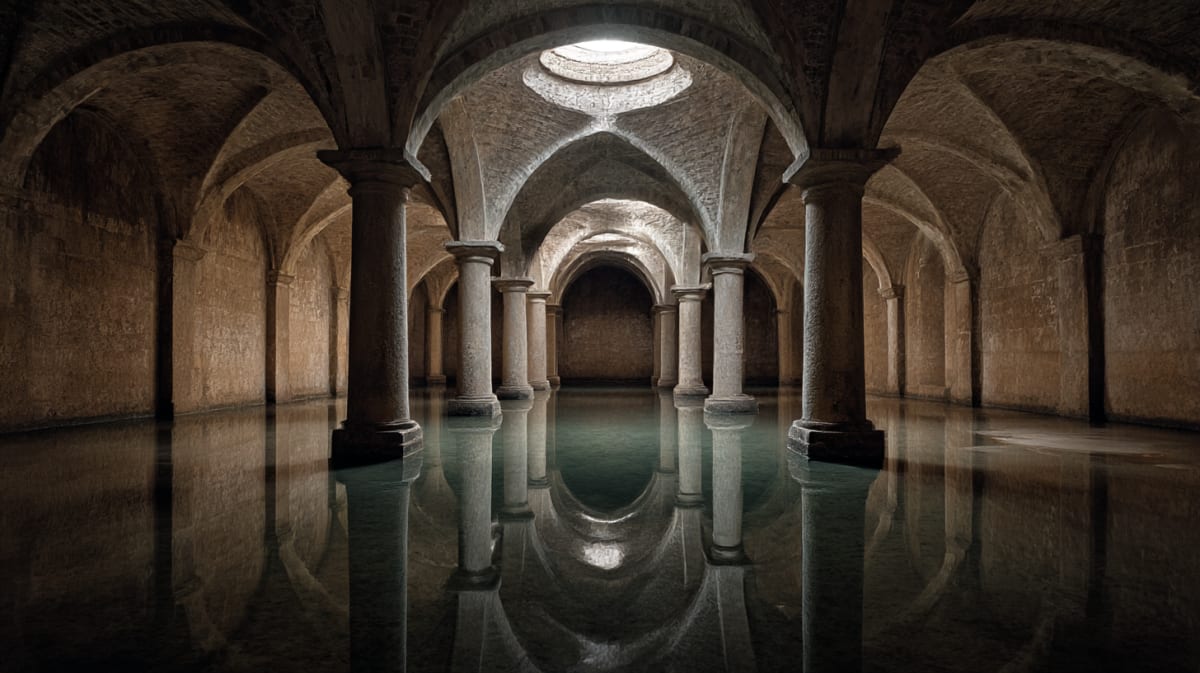
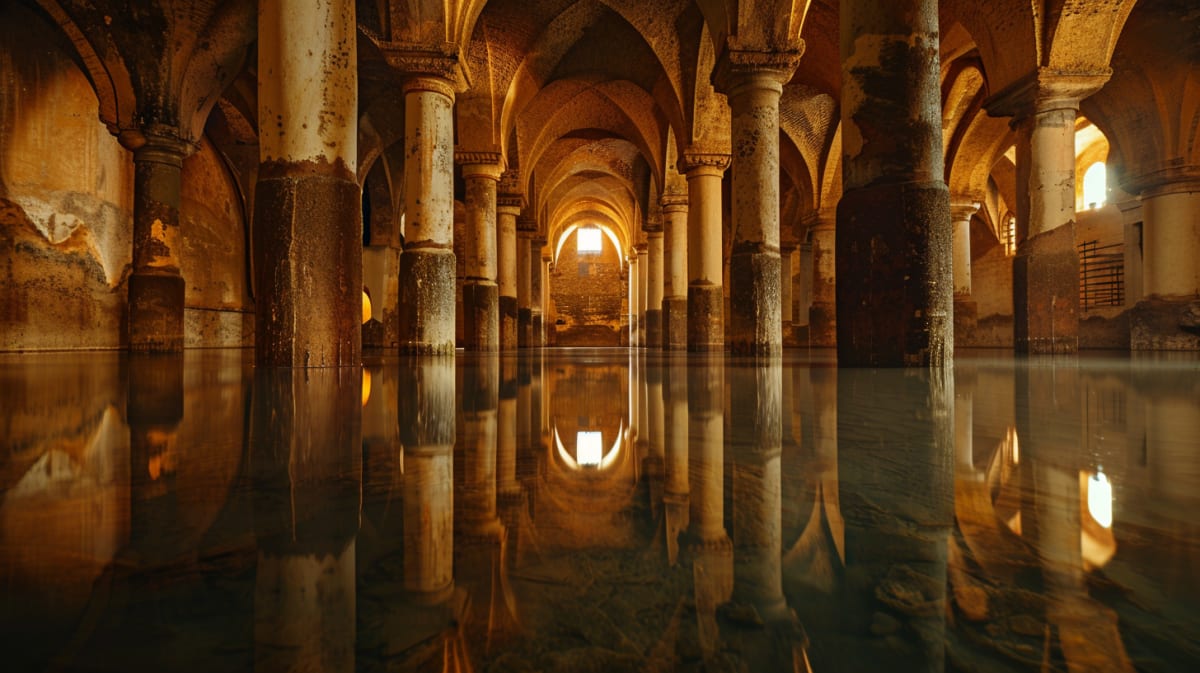
The centrepiece is the Portuguese Cistern — a vast underground chamber supported by stone columns, its floor covered in shallow water that creates a mirror effect. The cistern was used as a warehouse, then a water reservoir, and was rediscovered in 1916 when a shopkeeper broke through a wall. Orson Welles filmed a scene from Othello here.
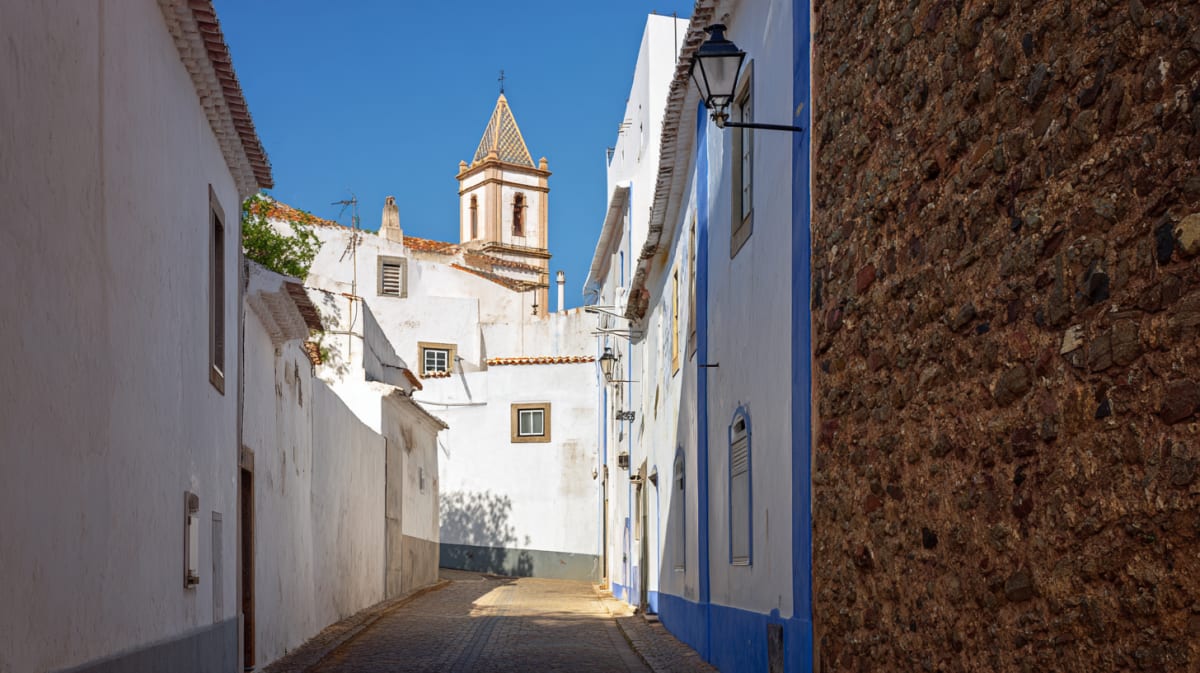
The medina streets are quiet — a few hundred residents, some craft shops, a mosque converted from a Portuguese church. The architecture is hybrid: Portuguese stone walls, Moroccan domestic additions built on top over the centuries. The Church of the Assumption, with its Manueline doorway, is the most intact Portuguese religious building in Morocco.
Visitor Information
Explore More
Related Stories
Discover the history and culture of El-jadida

Explore More
Multi-day journeys featuring this place
Curated routes that pass through El-jadida
4 Days
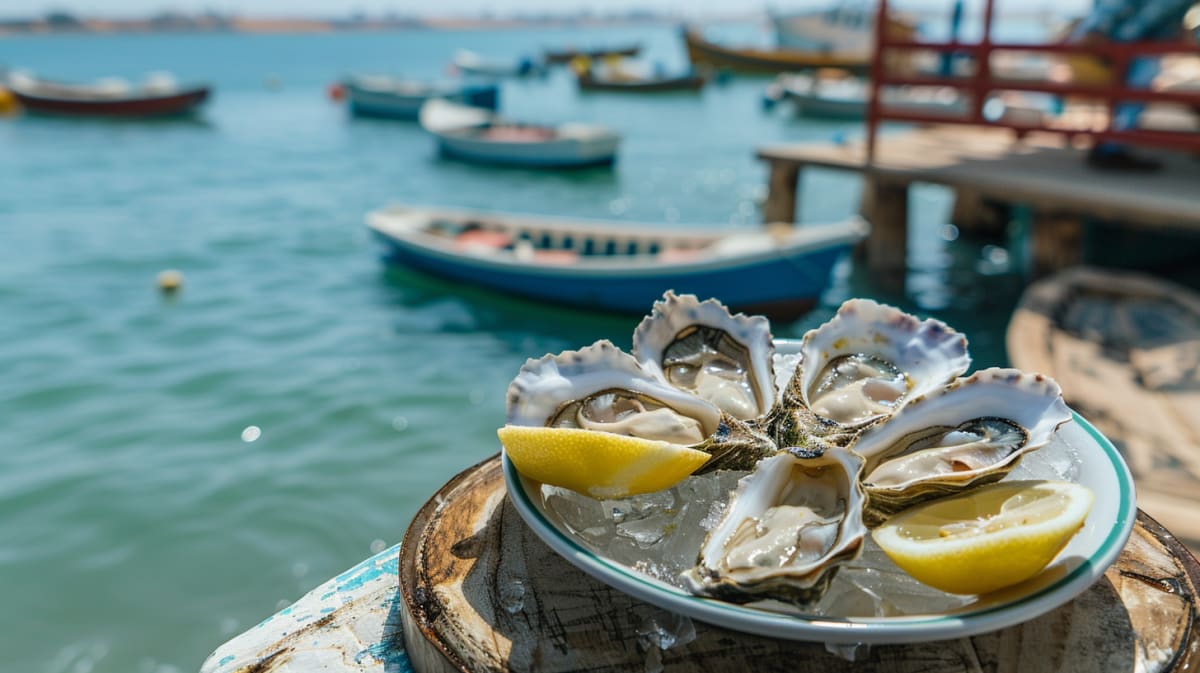
Oualidia Oysters & Lagoon
A lagoon between Casablanca and Essaouira produces the only oysters in Morocco. Four days of birds, salt marshes, and a kitchen that knows what to do with both.
4 Days
Portuguese Coast
El Jadida, Mazagan, and the fortresses Portugal left in Morocco's stone — the empire sailed away but the architecture refused to follow.

5 Days
El Jadida & Tbourida
Portuguese ramparts, an underground cistern that echoes like a cathedral, and the thunder of Moroccan cavalry — history that refuses to whisper.