
Road of a Thousand Kasbahs
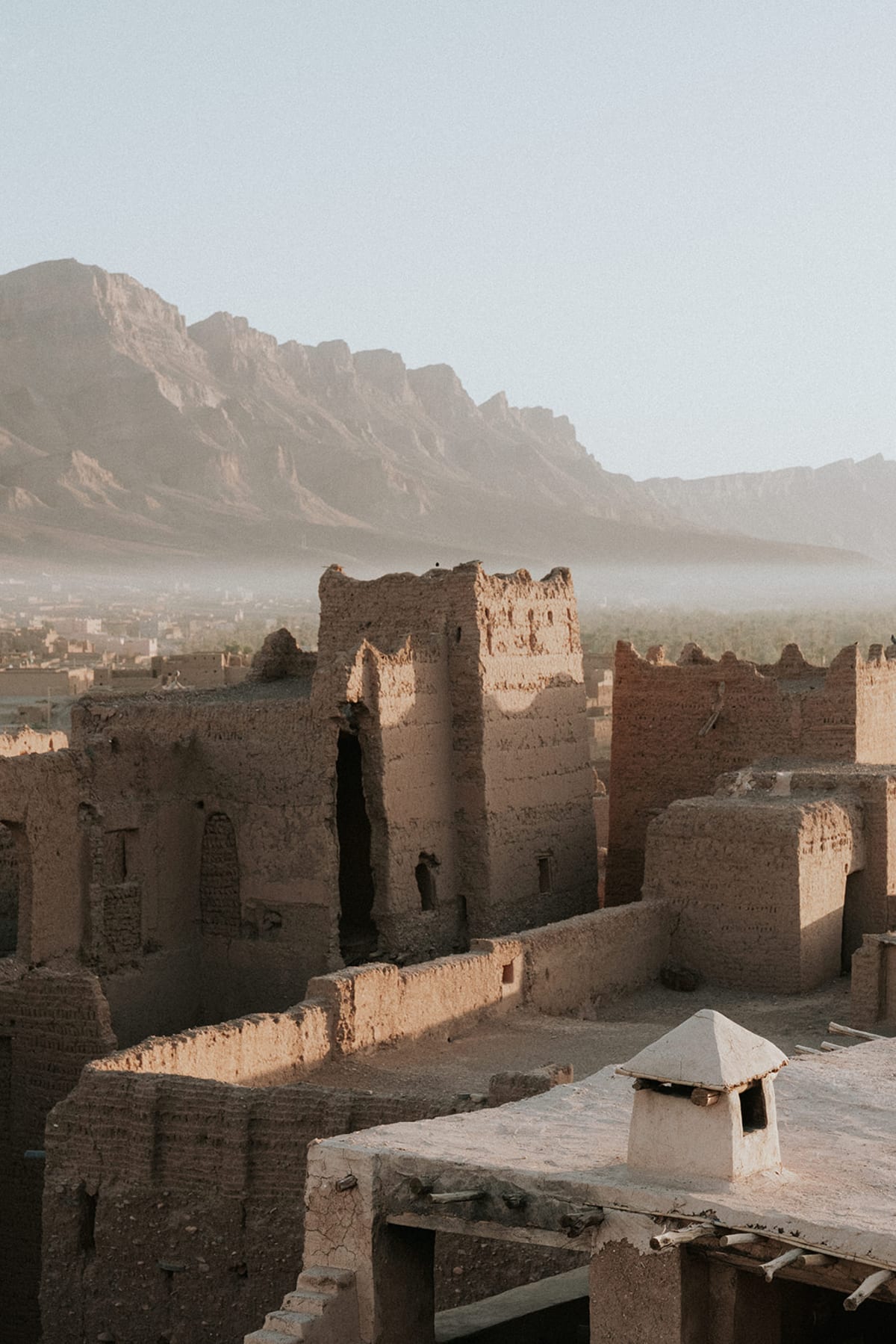
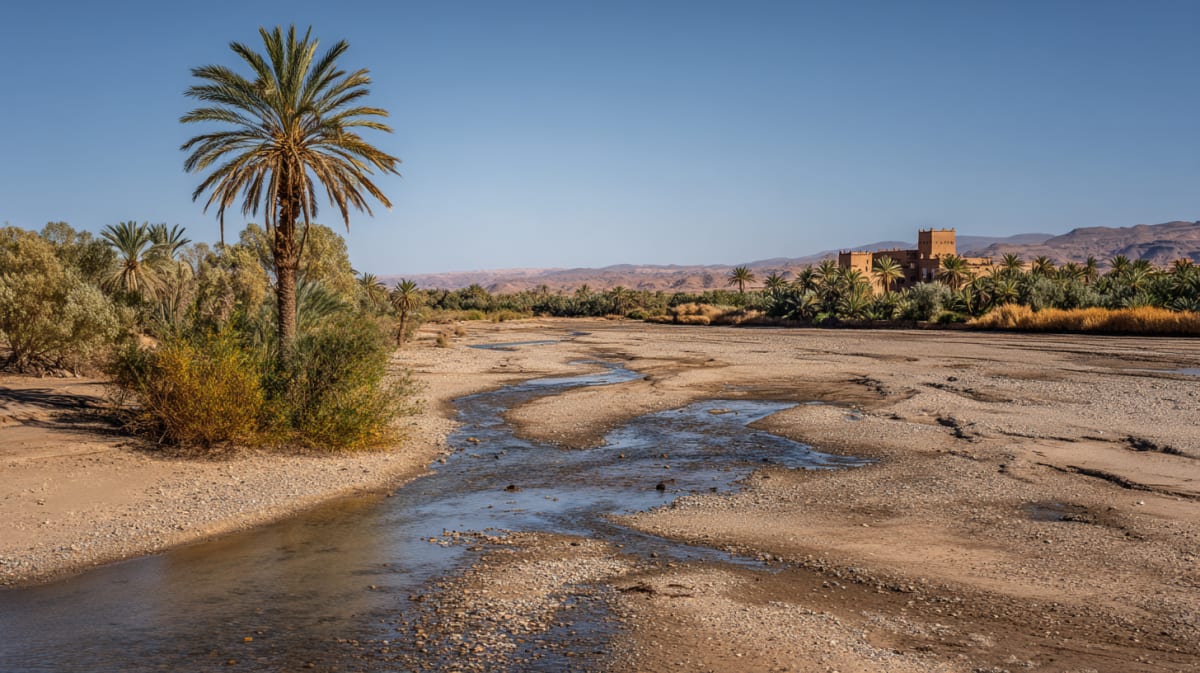
The N9 road through the Draa Valley passes more kasbahs per kilometre than anywhere else in Morocco — mud-brick fortified residences in varying states of preservation, from inhabited and maintained to spectacularly ruined. Each kasbah belongs to a specific tribe or family. The architectural vocabulary is consistent: crenellated towers, geometric geometric patterning in the pisé, arched gateways facing east.
The road from Ouarzazate south through the Dades Valley and east along the pre-Saharan oasis route passes through more kasbahs per kilometre than any other road in Morocco. The phrase "Road of a Thousand Kasbahs" is tourism-board language, but the density is real.
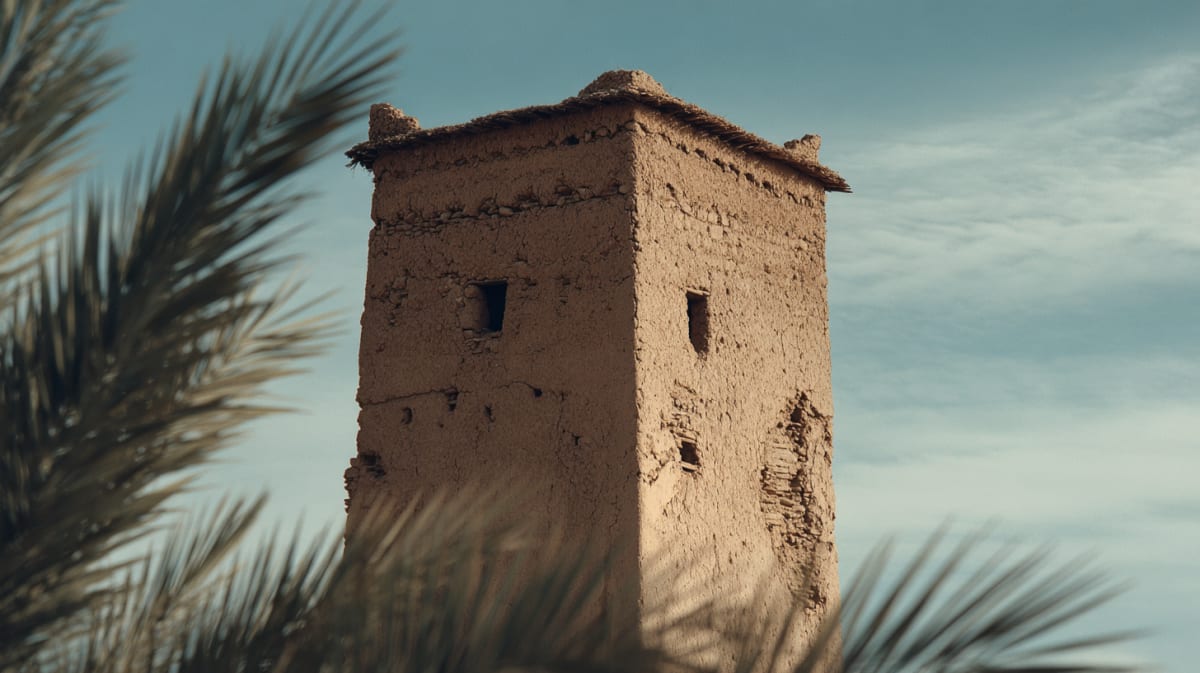
The kasbahs are built from pisé — rammed earth mixed with straw — and they are the architectural signature of southern Morocco. Four towers at the corners, decorated upper stories with geometric patterns pressed into the wet earth, and a defensive logic that reflects centuries of tribal conflict and caravan raiding.
Most are in various stages of collapse. Pisé needs constant maintenance — replastering, roof repair, drainage management — and when the families who built them leave (for cities, for France, for economic opportunity), the buildings dissolve. Rain melts the walls. Gravity does the rest.
The best-preserved examples are the kasbahs that have been converted: Kasbah Amridil (Skoura), Kasbah Aït Ben Moro (Skoura), Kasbah Tifoultoute (near Ouarzazate). Some are hotels, some are museums, some are private homes that accept visitors. The road itself — N10 and N9 — is the experience. Every few kilometres, another tower rises from the palms.
Visitor Information
Explore More
Related Stories
Discover the history and culture of Draa-valley
Explore More
Multi-day journeys featuring this place
Curated routes that pass through Draa-valley

3 Days
3-Day Sahara Circle
Mountains to sand and back. Stars so dense they press against your chest — and a silence that rewrites what you thought quiet meant.
4 Days
4-Day Sahara & Valleys Journey
Descent through ancient rhythms. Return through gorges where the stone remembers everything — and your phone camera remembers nothing accurately.

5 Days
5-Day Erg Chigaga Desert Expedition
Deeper into emptiness. Longer roads. Sand that holds a silence your bones will remember when your ears have forgotten.
Walking Distance

