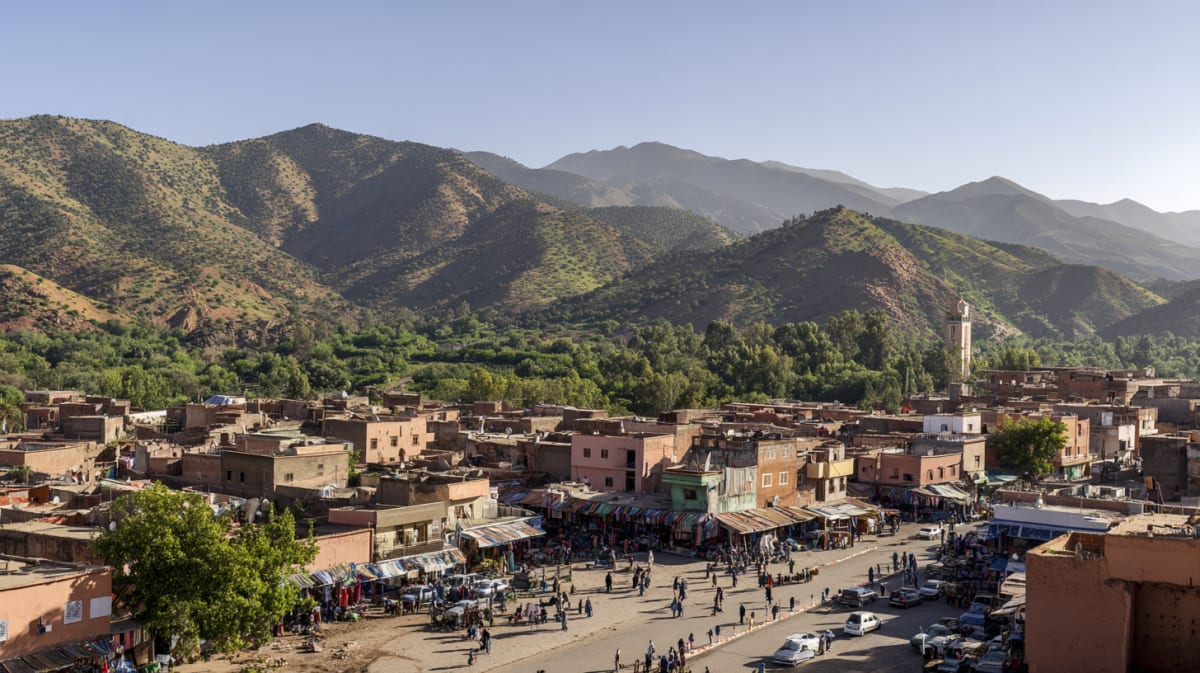
Middle Atlas Lakes
The volcanic plateau of the Middle Atlas is scattered with crater lakes — Dayet Aoua, Dayet Ifrah, Dayet Hachlaf — clear, cold, and surrounded by cedar forest. Migratory birds use them as stopovers in spring and autumn. The lakes freeze in hard winters. In summer they are cool enough to swim in and empty enough to feel entirely private.
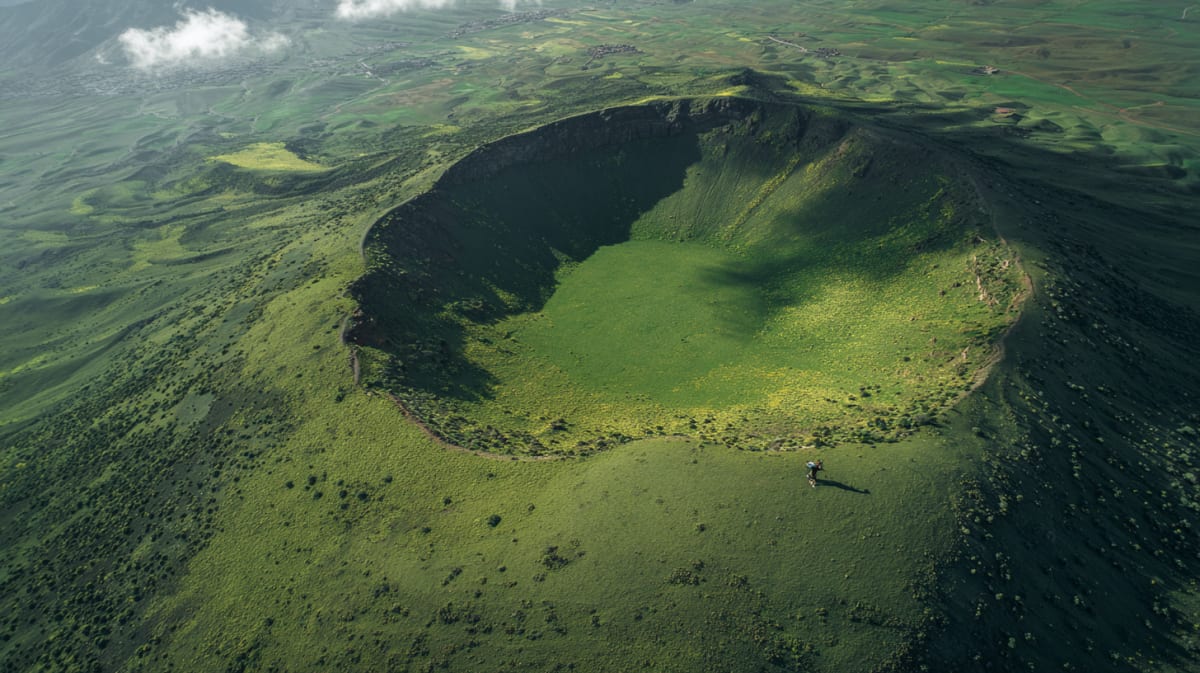
The Middle Atlas contains a series of volcanic crater lakes — Aguelmane Azigza, Aguelmane Sidi Ali, Dayet Aoua, Dayet Ifrah — scattered across the basalt plateau between Azrou and Midelt. The lakes are cold, deep, and surrounded by cedar and oak forest.
Aguelmane Azigza is the most striking: a deep blue-green lake filling a volcanic crater, ringed by forest, with no development on its shores. The colour comes from the depth and the mineral content. In winter, the lake surface can partially freeze — this is one of the coldest landscapes in Morocco.
Dayet Aoua, closer to Ifrane, is shallower and popular with Moroccan families for picnics and birdwatching. The lake attracts migrating cranes and ducks in winter. In dry years, Dayet Aoua can shrink dramatically or disappear entirely — the Middle Atlas water table is sensitive to rainfall variation.
The lakes are connected by roads through the cedar forest. The drive between them — from Ifrane south toward Midelt — is one of the least-visited scenic routes in Morocco, passing through landscape that looks more like the Scottish Highlands than North Africa.
Visitor Information
Explore More
Related Stories
Discover the history and culture of Azrou
Explore More
Multi-day journeys featuring this place
Curated routes that pass through Azrou
4 Days
Middle Atlas Cedar Forests
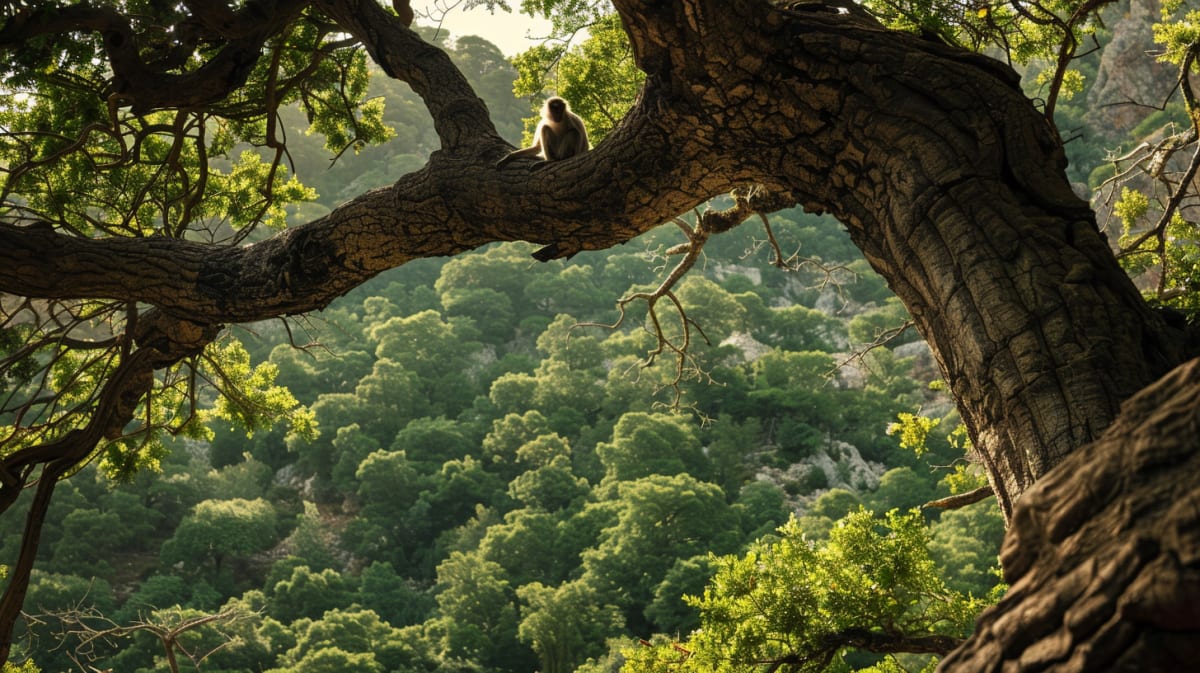
The cedar forests above Azrou hide Barbary macaques and trees older than the Alaouite dynasty. Four days at altitude, where Morocco gets cold and quiet.
5 Days
Middle Atlas Discovery
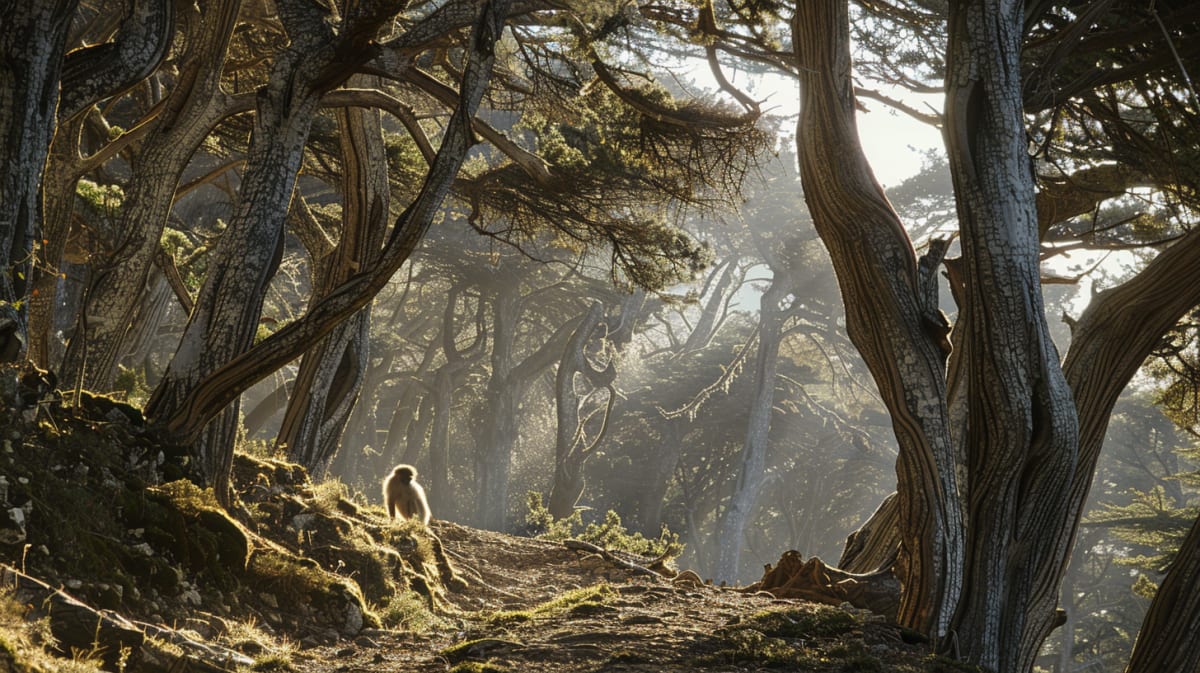
The range tourists drive past on the way to the Sahara. Cedar forests, lakes, Amazigh villages, the Barbary macaque. Five days where Morocco breathes.
Walking Distance