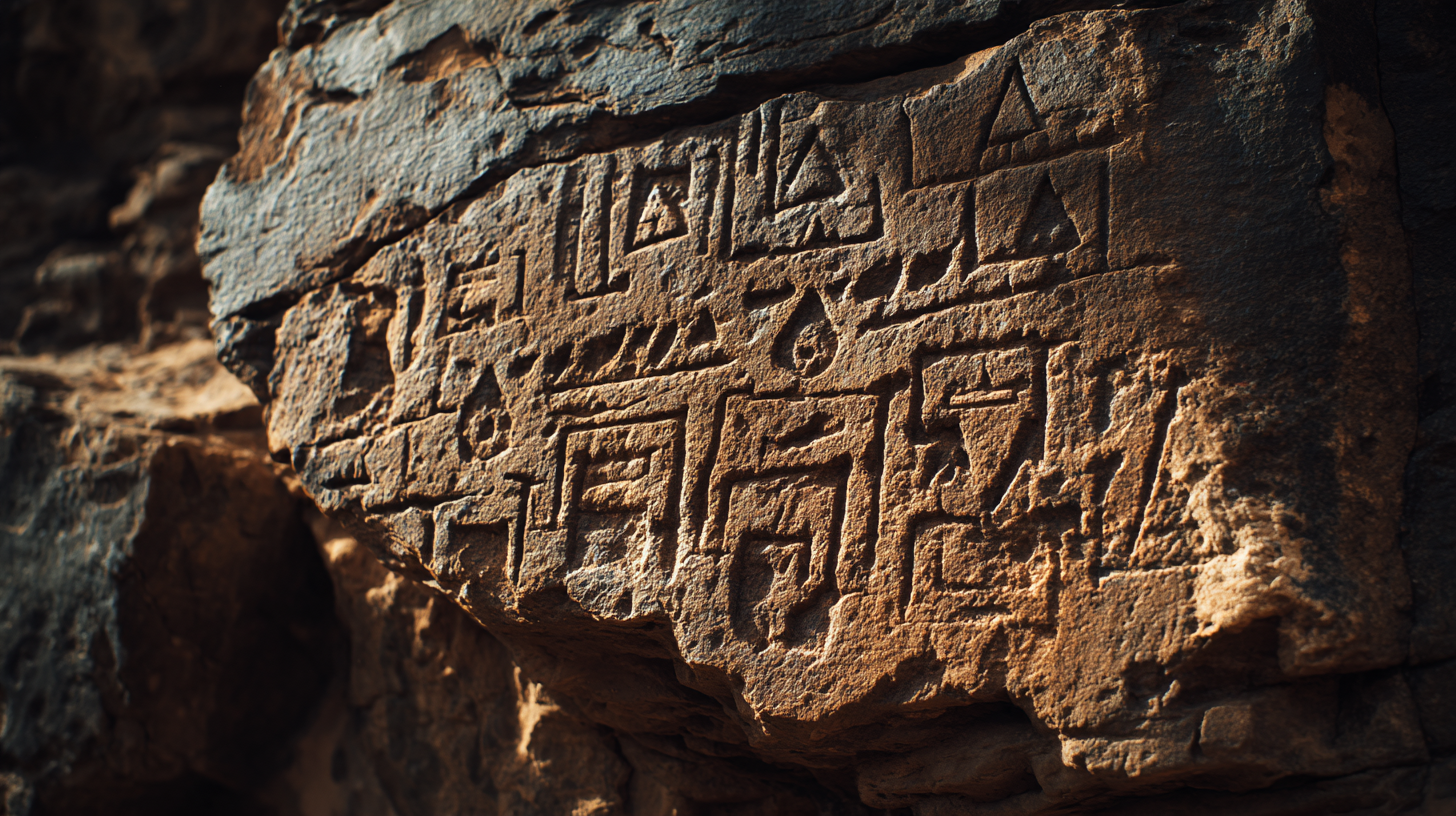
The word seksu is Amazigh. The dish predates Arab arrival in North Africa by centuries. Archaeological evidence of couscous steamers — keskas — has been found in Berber tombs dating to the 3rd century BCE. UNESCO inscribed the knowledge and practices of couscous in 2020, jointly for Morocco, Algeria, Tunisia, and Mauritania.
The preparation is labour. Semolina is sprinkled with salted water and rolled by hand until the grains form. They are steamed three times in a couscoussier — a two-part pot where the broth simmers below and the grain steams above. Between each steaming, the couscous is spread, dried slightly, and worked again with oil or butter. The process takes two to three hours.
Friday couscous follows the dhuhr prayer. The family gathers around a single large platter. Eating is communal — from the shared dish, with the right hand or a spoon, each person working from their section of the platter inward. The meat or vegetables are placed at the centre by the host.
Seven regional variations define the country. Marrakech serves couscous tfaya — caramelised onions, raisins, and almonds over the grain, often with lamb. Fes adds seven vegetables — the classic. The Souss makes a barley couscous, darker and nuttier. The Rif uses a finer grain. The Saharan south makes couscous with dates and buttermilk. The coast adds fish. Casablanca often simplifies — fewer vegetables, more broth.
The communal platter is not optional. To eat couscous alone is considered unfortunate. The dish is designed for sharing — the broad, shallow gsaa platter is sized for a family, not an individual. Guests are always welcome. An unexpected visitor on Friday is not an inconvenience — they are expected.
We always schedule a Friday in the itinerary. Our drivers know whose grandmother makes the best tfaya.
Tell us about your trip →Data and visualisation by Dancing with Lions
The Facts
- —Friday couscous: national weekly ritual
- —Hand-rolled semolina steamed in a couscoussier
- —Seven vegetables traditional (varies by region)
- —Served after Friday noon prayer (Dhuhr)
- —Eaten communally from a shared dish
- —Berber origin — predates Arab arrival
- —UNESCO Intangible Cultural Heritage (2020, shared nomination)
Sources
- Wolfert, Paula. The Food of Morocco. Ecco/HarperCollins, 2011
- Hal, Fatéma. Les saveurs et les gestes. Stock, 1996
- Hammoudi, Abdellah. The Victim and Its Masks. University of Chicago Press, 1993