
Agadir Earthquake Memorial
On 29 February 1960 at 11:47pm, an earthquake measuring 5.8 on the Richter scale lasted 15 seconds and destroyed Agadir entirely. 15,000 people — a third of the population — died. The city that was rebuilt over the following decade was designed from scratch: wide boulevards, low-rise buildings, earthquake-resistant construction. Every building in modern Agadir is newer than 1962.
On February 29, 1960, at 11:47 pm, an earthquake measuring 5.7 on the Richter scale destroyed the city of Agadir in fifteen seconds. A third of the population died — estimates range from 12,000 to 15,000 people out of a city of 40,000.
The old city on the hillside was obliterated. The earthquake was shallow — only 3 kilometres deep — which concentrated the energy. Buildings that had survived centuries of Atlantic storms collapsed instantly. The Kasbah on the hilltop was destroyed. The medina below it was flattened.
King Mohammed V ordered the city rebuilt on the flat plain below the hill. The old site was sealed as a mass grave and memorial. The memorial garden and museum sit at the base of the hill, beside the ruins of the Kasbah. The inscription above the gate reads "God, the King, the Country" — the national motto, carved into the wall of the ruined fortress.
The new Agadir was designed by European architects and built in the 1960s–70s. It is the only major Moroccan city with no medina, no historic quarter, and no pre-20th-century architecture. Everything you see was built after the earthquake.
Visitor Information
Explore More
Related Stories
Discover the history and culture of Agadir
Explore More
Multi-day journeys featuring this place
Curated routes that pass through Agadir

4 Days
Tiznit Silver Trail
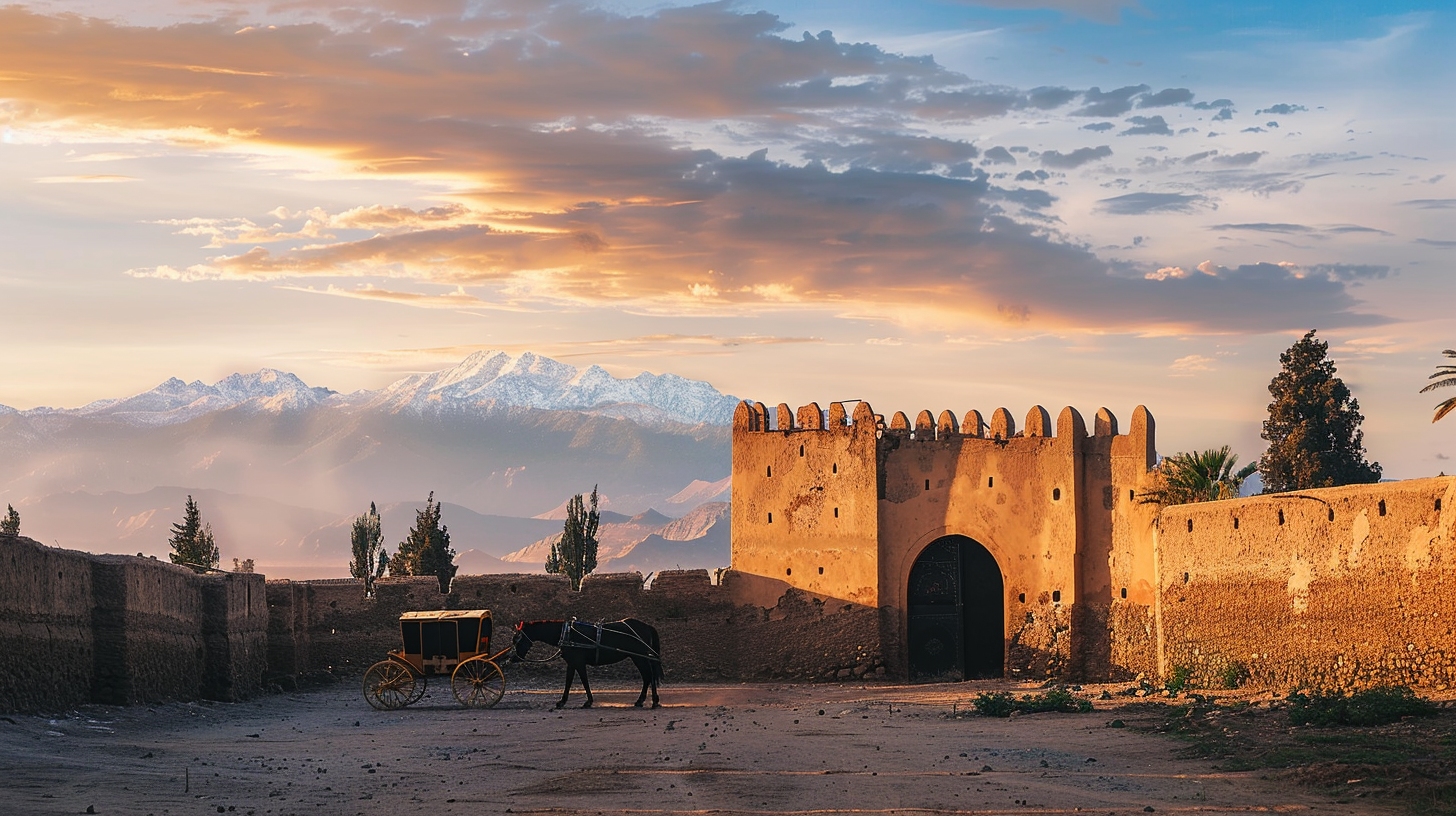
Morocco's silver capital — Berber jewelry, crenellated walls, and the hammering that sounds like rain.
4 Days
Taroudant & the Souss Valley
The little Marrakech — ochre walls, unhurried souks, and the Atlas rising behind like a standing ovation.
5 Days
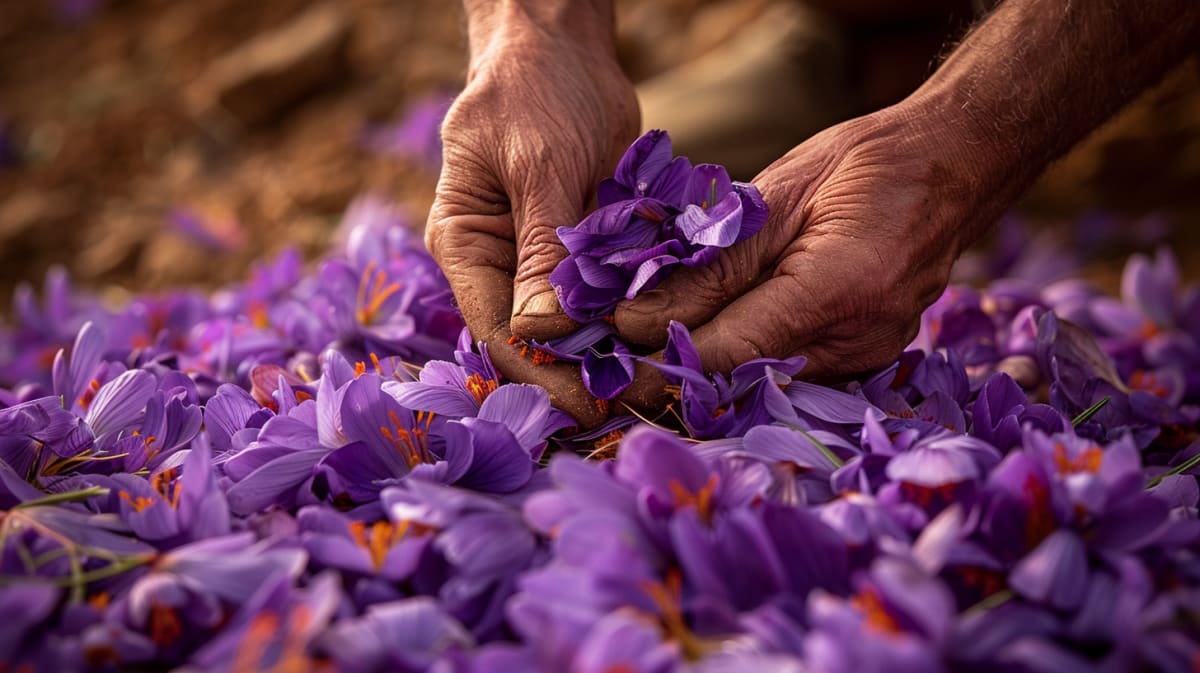
Saffron & Honey Trail
Taliouine to Tafraoute — hiking through saffron fields and thyme hills where the honey is dark as molasses.


