
Argan Country
The argan tree grows nowhere else on earth. Goats climb it. Berber women press the kernels. The oil the world calls liquid gold starts in this forest.
The argan tree grows nowhere else on earth except a triangle of land between Essaouira, Agadir, and Taroudant. UNESCO declared the entire zone a Biosphere Reserve in 1998. The trees look half-dead — twisted, drought-stripped, clinging to rocky soil — and they produce one of the most expensive oils in the world.
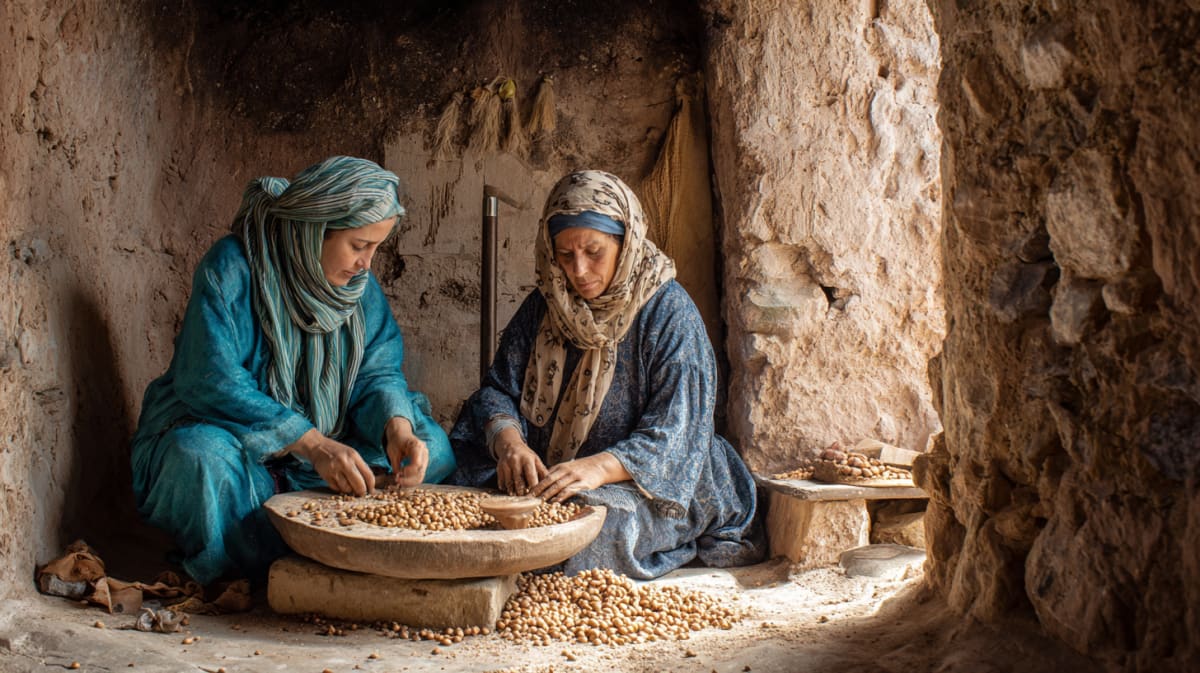
The cooperatives are the story. Before the cooperatives, argan oil was a kitchen staple that nobody outside Morocco had heard of. Women cracked the nuts by hand — the shell is harder than a hazelnut, the kernel inside smaller than an almond. In the early 2000s, women's cooperatives formalised the process, built export channels, and turned a subsistence product into a global cosmetics ingredient worth €30–40 per litre.
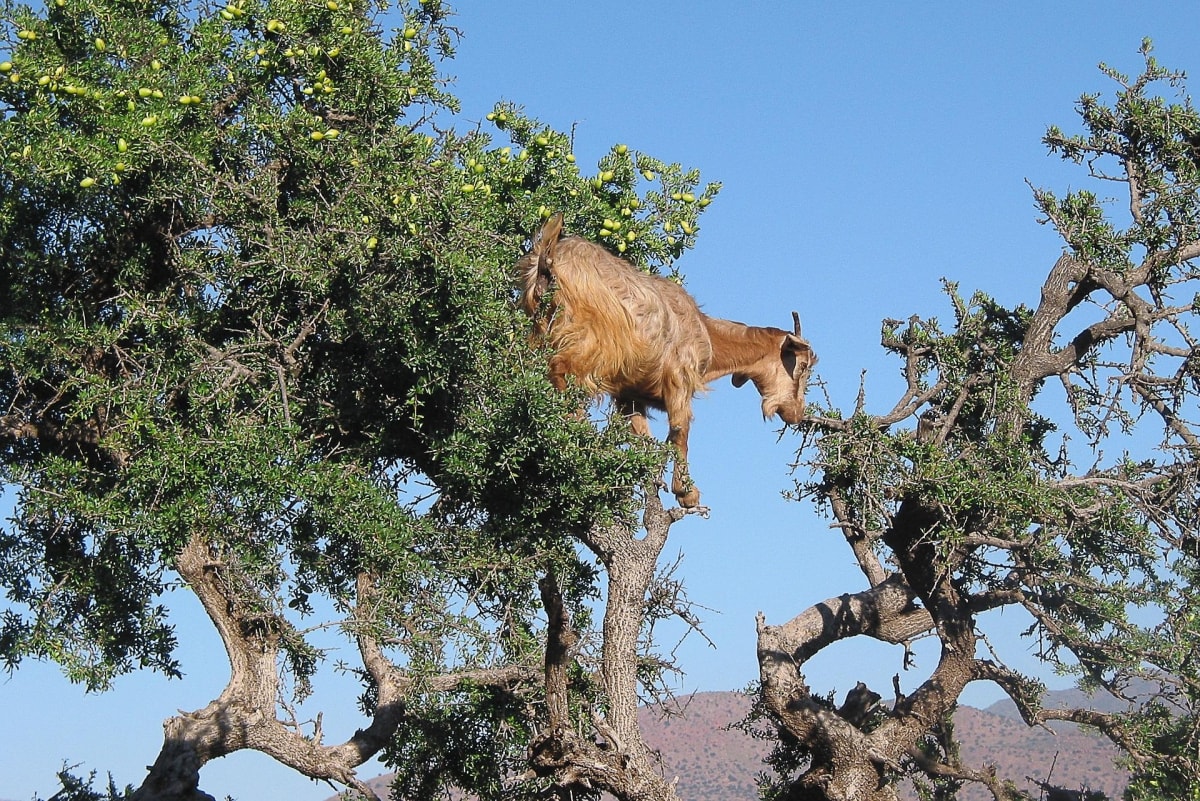
The goats in the trees are real, but complicated. Goats climb argan trees to eat the fruit. Farmers traditionally collected the nuts from goat droppings. The tourism industry noticed, and now some roadside operations place goats in trees for photographs and charge tourists to stop. The authentic version still happens — just not on the Marrakech–Essaouira highway at convenient pull-over points.
Drive the back roads between Essaouira and Agadir and you will see the cooperatives working. Arga, Tidzi, Tamanar — these are the villages. The sound is the same everywhere: stone against stone, cracking the shells open one at a time.
Visitor Information
Explore More
Related Stories
Discover the history and culture of Essaouira


Explore More
Multi-day journeys featuring this place
Curated routes that pass through Essaouira
4 Days
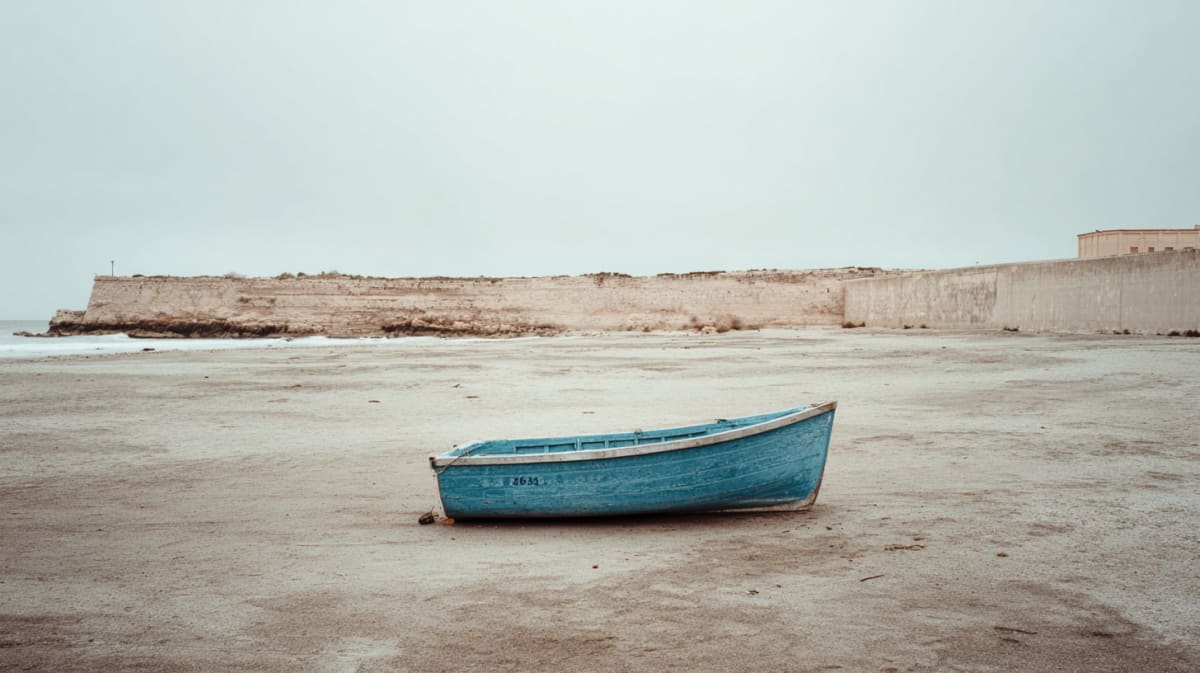
4-Day Essaouira & Coastal Villages
Wind, grilled fish, Atlantic light — four days where the sea rewrites your clock and nobody asks you to hurry.
4 Days
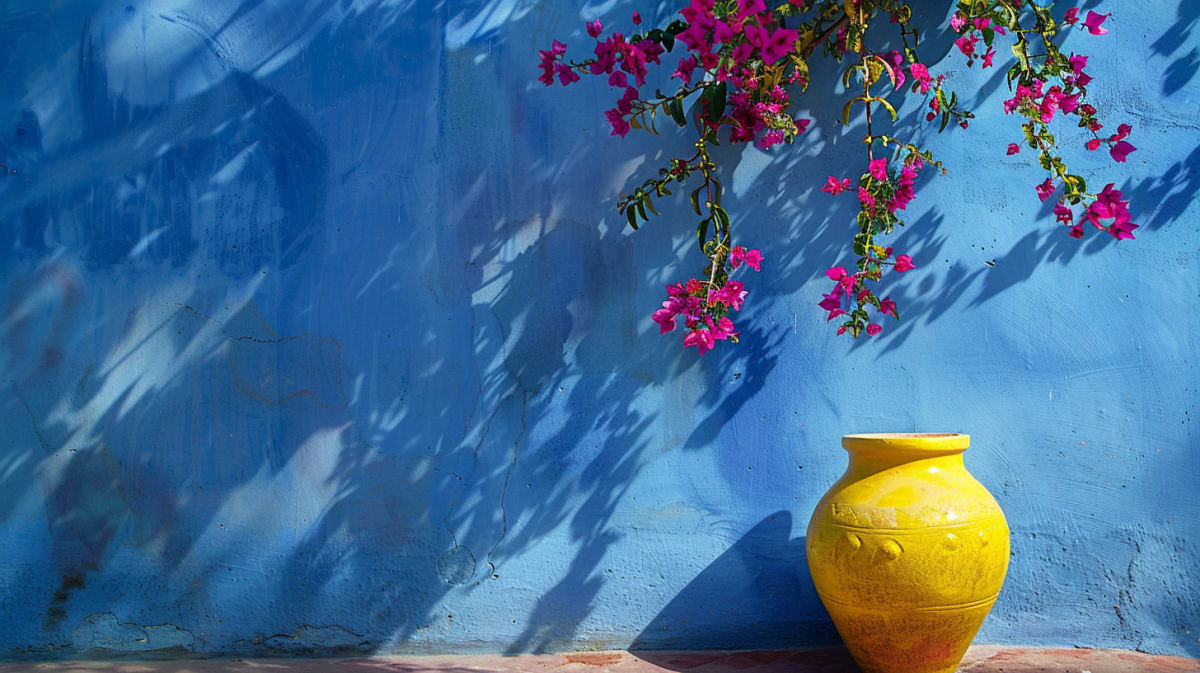
Majorelle & Marrakech Artists
The blue garden, the red city, and the painters who came for a visit and never left — which says more about Marrakech than any guidebook.
4 Days
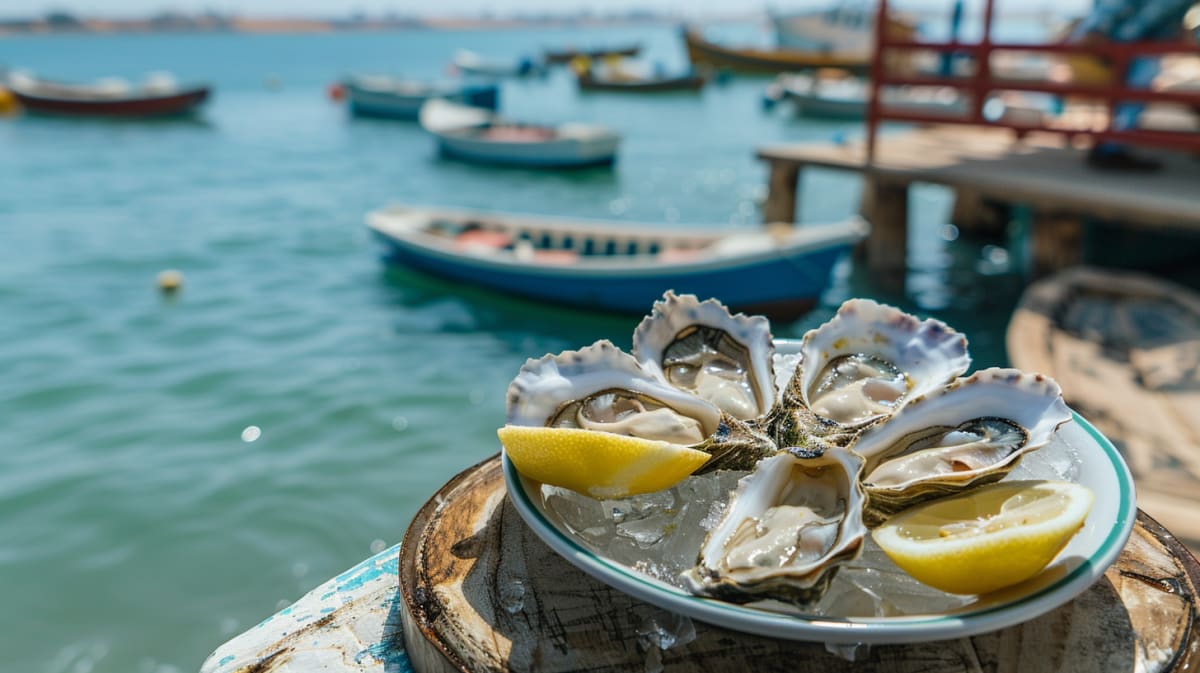
Oualidia Oysters & Lagoon
A lagoon between Casablanca and Essaouira produces the only oysters in Morocco. Four days of birds, salt marshes, and a kitchen that knows what to do with both.


