
Essaouira Medina
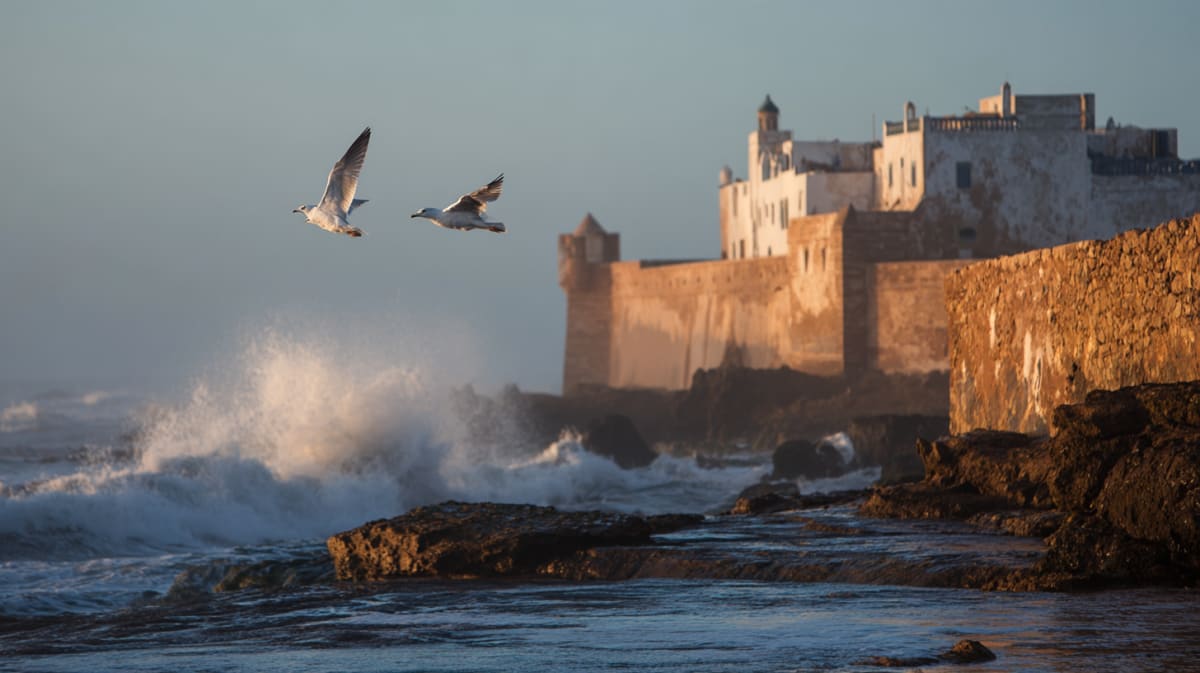
A UNESCO-listed medina built on a grid — which is unusual for Morocco. The French military architect Théodore Cornut designed it in 1760 on the orders of Sultan Mohammed III, who wanted a port city that could receive European trade ships. The result is a medina that feels more open than Fes or Marrakech, with wide lanes, sea light, and walls the color of cloud.
Essaouira's medina is the only one in Morocco designed by a European architect. Sultan Mohammed III hired Théodore Cornut, a French engineer captured by Barbary corsairs, to lay out the city in the 1760s on a grid plan — straight streets, right angles, regular blocks. After Fes and Marrakech, where the medina is a labyrinth, Essaouira feels almost navigable.
The grid is not perfect. The souks in the centre tangle into narrower passages, and the residential quarters north of the main street have the organic logic of any old city. But the principle holds: you can walk in a straight line from Bab Doukkala to the port and never get lost.
The medina is also small. Twenty minutes end to end. This is part of Essaouira's appeal — the compression means everything is close, the scale is human, and the intensity of Marrakech or Fes is absent. The trade-off is depth. There is one main commercial street, one main square, and perhaps a dozen side streets worth exploring. The riads are modest — smaller rooms, lower ceilings, less ornamentation than their Marrakech equivalents. The charm is in the Atlantic light that floods the white streets and the sound of seagulls over the muezzin.
UNESCO inscribed the medina in 2001, not for any single monument but for the urban plan as a whole — one of the finest examples of an 18th-century fortified port city.
Visitor Information
Explore More
Related Stories
Discover the history and culture of Essaouira


Explore More
Multi-day journeys featuring this place
Curated routes that pass through Essaouira
4 Days
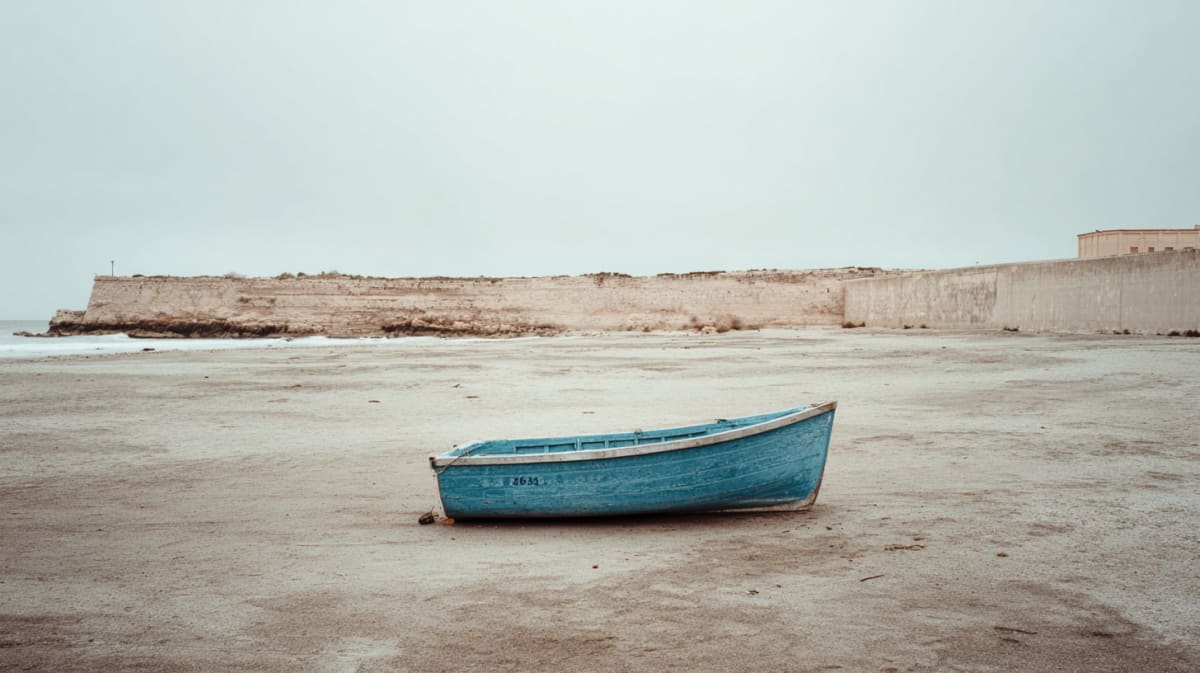
4-Day Essaouira & Coastal Villages
Wind, grilled fish, Atlantic light — four days where the sea rewrites your clock and nobody asks you to hurry.
4 Days
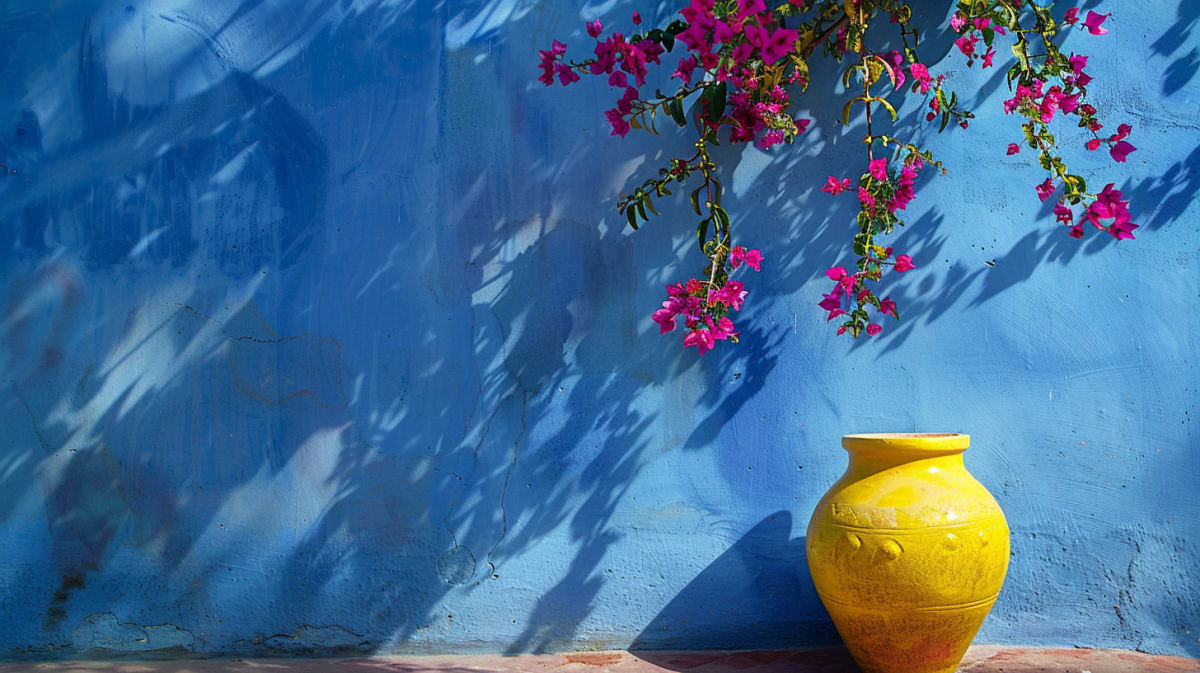
Majorelle & Marrakech Artists
The blue garden, the red city, and the painters who came for a visit and never left — which says more about Marrakech than any guidebook.
4 Days
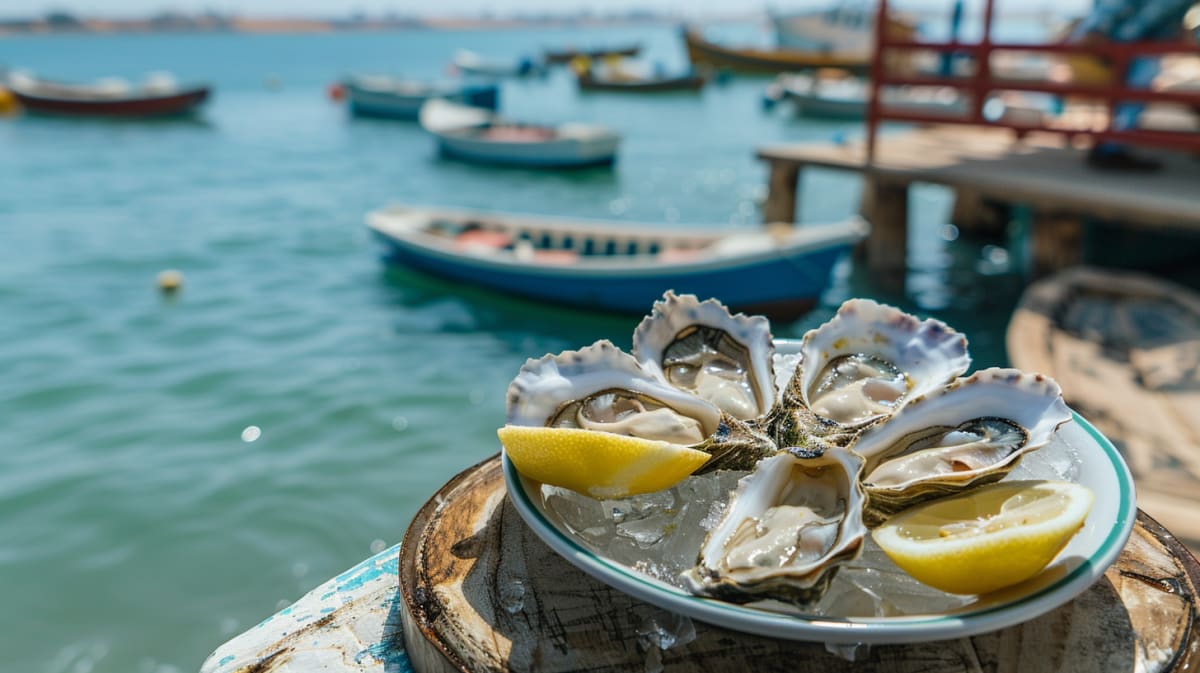
Oualidia Oysters & Lagoon
A lagoon between Casablanca and Essaouira produces the only oysters in Morocco. Four days of birds, salt marshes, and a kitchen that knows what to do with both.


