
Gnawa Music in Essaouira
Essaouira is the capital of Gnawa music — the trance tradition brought to Morocco by sub-Saharan slaves and now recognized by UNESCO as Intangible Cultural Heritage. The musicians who play in the cafés of Place Moulay Hassan are not street performers. They are masters of a tradition that uses sound to heal. The Gnaoua World Music Festival every June transforms the entire city into a stage.
The Gnawa festival in June is the largest gathering of Gnawa musicians in the world. Three days, multiple stages, the port esplanade and Place Moulay Hassan transformed into open-air concert venues. But Gnawa music in Essaouira is not a festival — it is a year-round presence.
The Gnawa are descendants of sub-Saharan Africans brought to Morocco through the trans-Saharan slave trade. Their musical tradition — the guembri (a three-stringed bass lute), the qraqeb (iron castanets), and the call-and-response chanting — is both entertainment and spiritual practice. A lila (night ceremony) is a healing ritual: seven hours of music, trance, and spirit possession conducted by a maalem (master musician).
Essaouira became the centre of Gnawa culture partly by geography (the port city has always been mixed, tolerant, marginal) and partly by accident — the annual festival, launched in 1998, gave the tradition global visibility. Maalem musicians who were playing private ceremonies for families began performing for international audiences.
You can hear Gnawa music in Essaouira any evening. The cafés around Place Moulay Hassan host informal performances. The quality varies — some are genuine musicians, some are buskers playing the three chords tourists expect. The difference is audible. A real maalem plays patterns that are rhythmically complex, repetitive, and physically hypnotic. The tourist version is louder and shorter.
Visitor Information
Explore More
Related Stories
Discover the history and culture of Essaouira


Explore More
Multi-day journeys featuring this place
Curated routes that pass through Essaouira
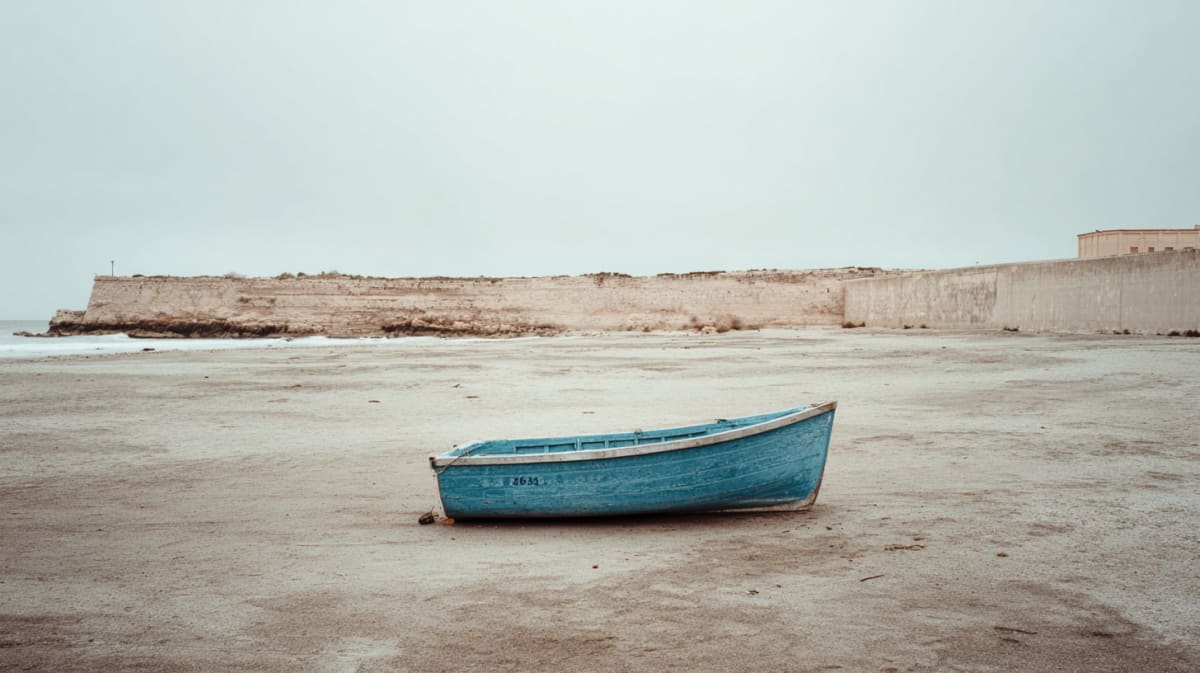
4 Days
4-Day Essaouira & Coastal Villages
Wind, grilled fish, Atlantic light — four days where the sea rewrites your clock and nobody asks you to hurry.
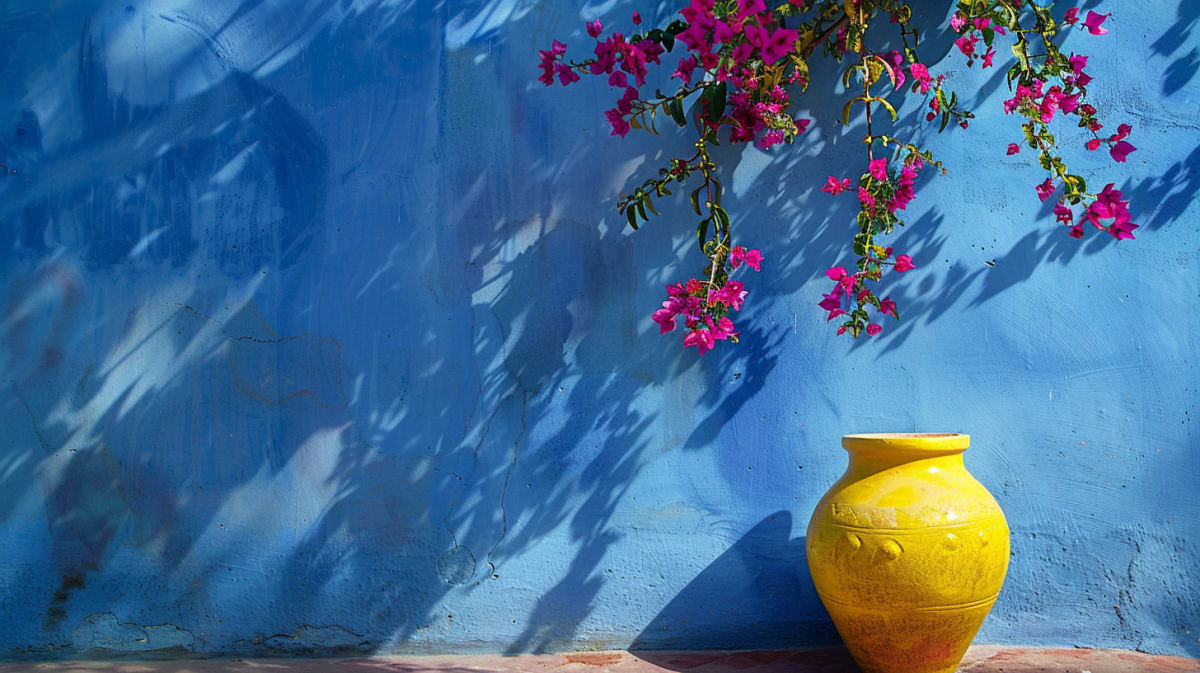
4 Days
Majorelle & Marrakech Artists
The blue garden, the red city, and the painters who came for a visit and never left — which says more about Marrakech than any guidebook.
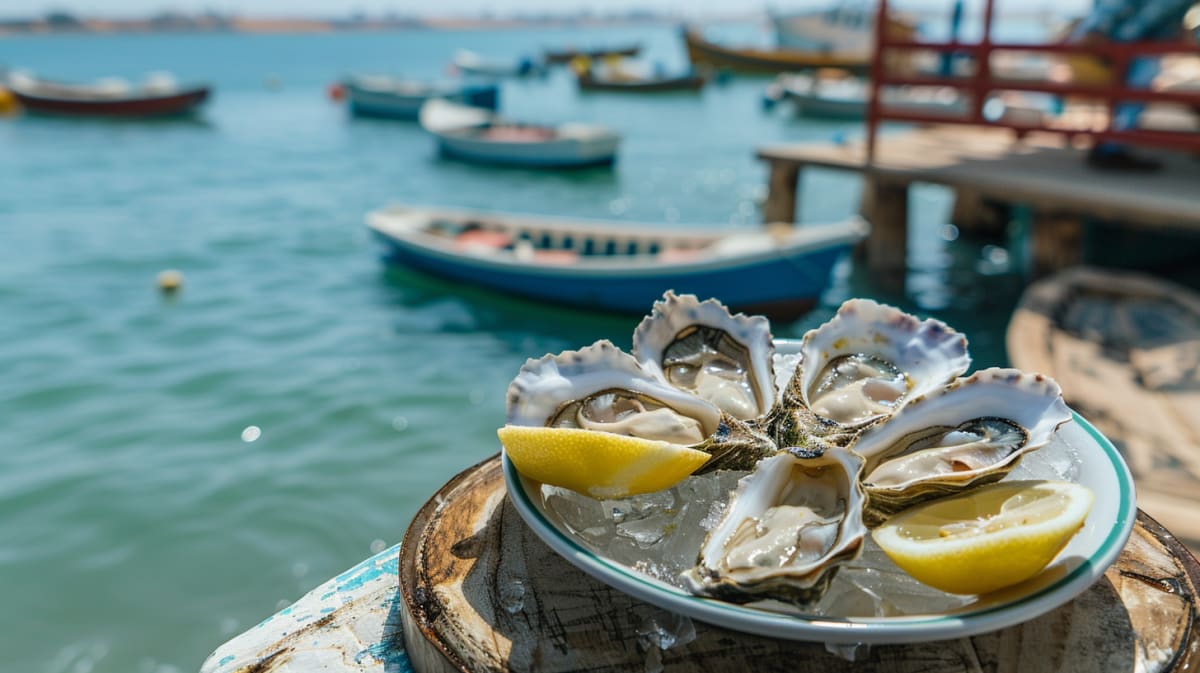
4 Days
Oualidia Oysters & Lagoon
A lagoon between Casablanca and Essaouira produces the only oysters in Morocco. Four days of birds, salt marshes, and a kitchen that knows what to do with both.


