Chefchaouen Blue Medina
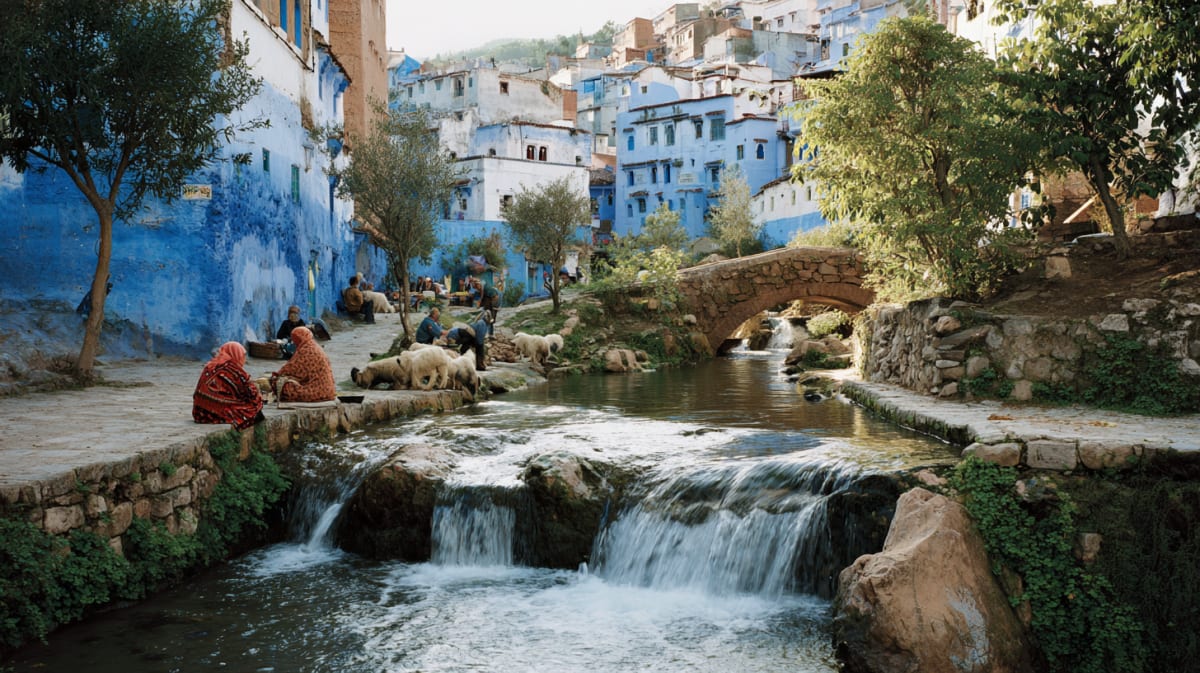
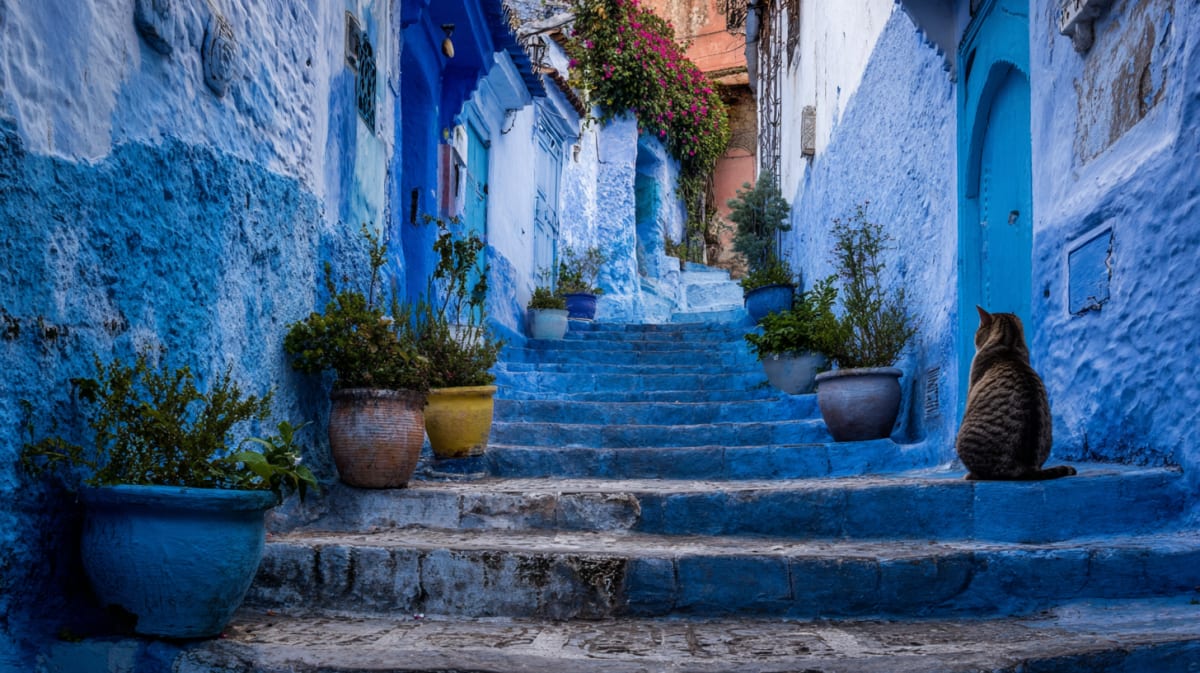
The medina of Chefchaouen is painted in shades of blue that have no single explanation — theories include Jewish settlers who associated blue with heaven, a colonial-era pest deterrent, or simply a mayor in the 1930s who liked the color. None of the theories are conclusive. The blue is real. It covers every surface, shifts with the light through the day, and makes the city look like an idea rather than a place.
The honest answer about why Chefchaouen is blue: nobody knows for certain. The blue intensified in the 1970s when tourism arrived. Some say Jewish residents introduced the blue wash (a tradition from the Jewish quarter of Fes). Some say the blue repels mosquitoes. Some say the blue represents sky or water or heaven.
The most likely explanation is civic branding. Blue-and-white is photogenic, distinctive, and now self-reinforcing — residents repaint in blue because the town is known for being blue, and the blueness attracts the visitors whose spending motivates the repainting.
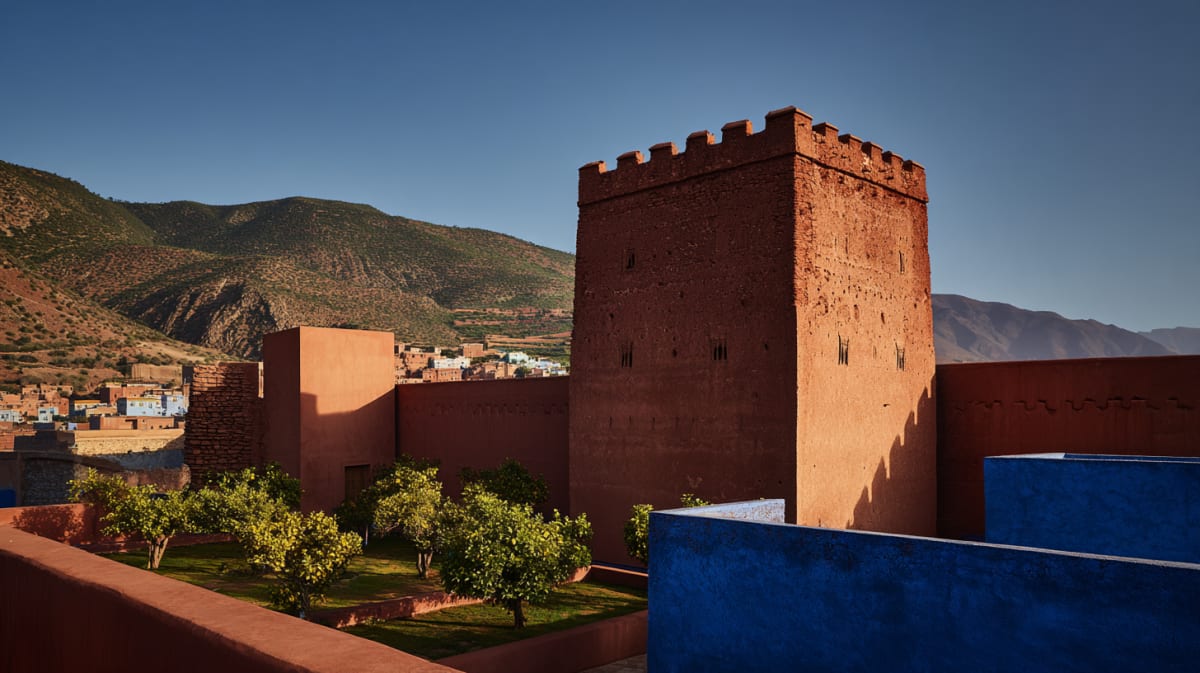
The medina is small — 300 by 300 metres roughly. The kasbah sits in the centre with a garden, a small museum, and a tower with views. The surrounding streets are the attraction: blue walls, potted plants, cats on windowsills, stairways that climb nowhere in particular. The density of Instagram photographers can be oppressive in the middle of the day; early morning and late afternoon are better.
The craft economy is genuine. Chefchaouen produces wool blankets and rugs in a distinctive style — bold stripes, bright colours, geometric patterns simpler than the Atlas Berber traditions. The workshops are in the medina.
Visitor Information
Explore More
Related Stories
Discover the history and culture of Chefchaouen

Explore More
Multi-day journeys featuring this place
Curated routes that pass through Chefchaouen
4 Days
Literary Tangier
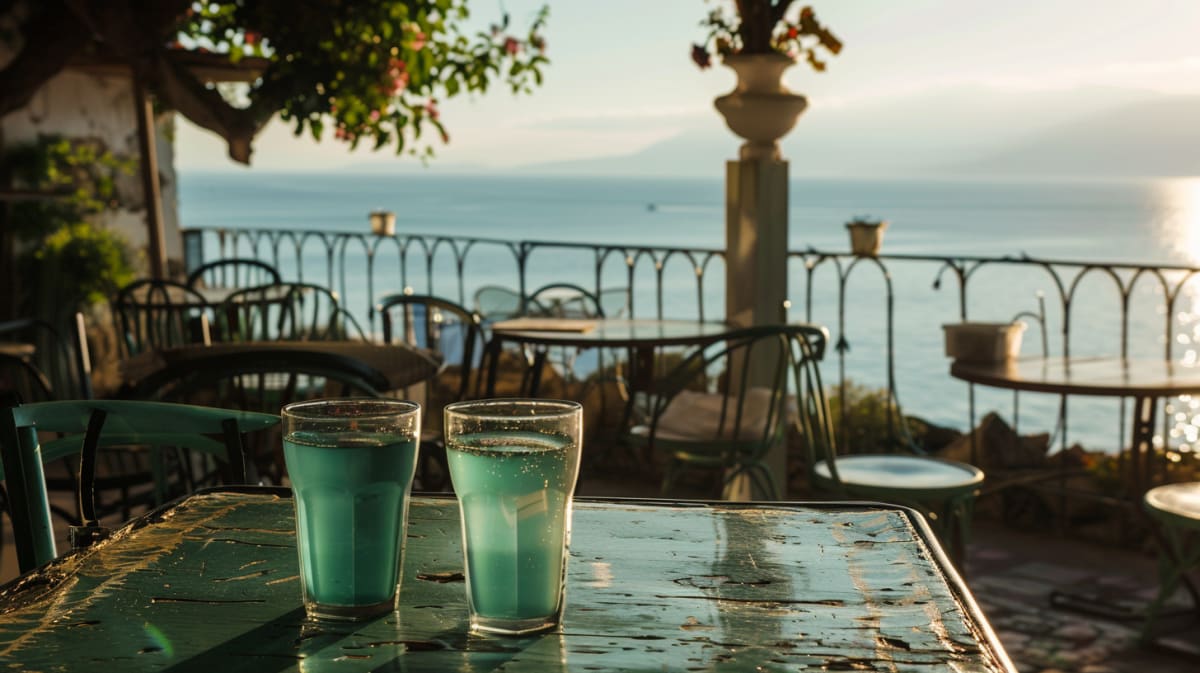
Bowles, Burroughs, and the writers who made Tangier legendary — the cafés still serve the same mint tea and the city still doesn't explain itself.
5 Days
5-Day The Rif Mountains
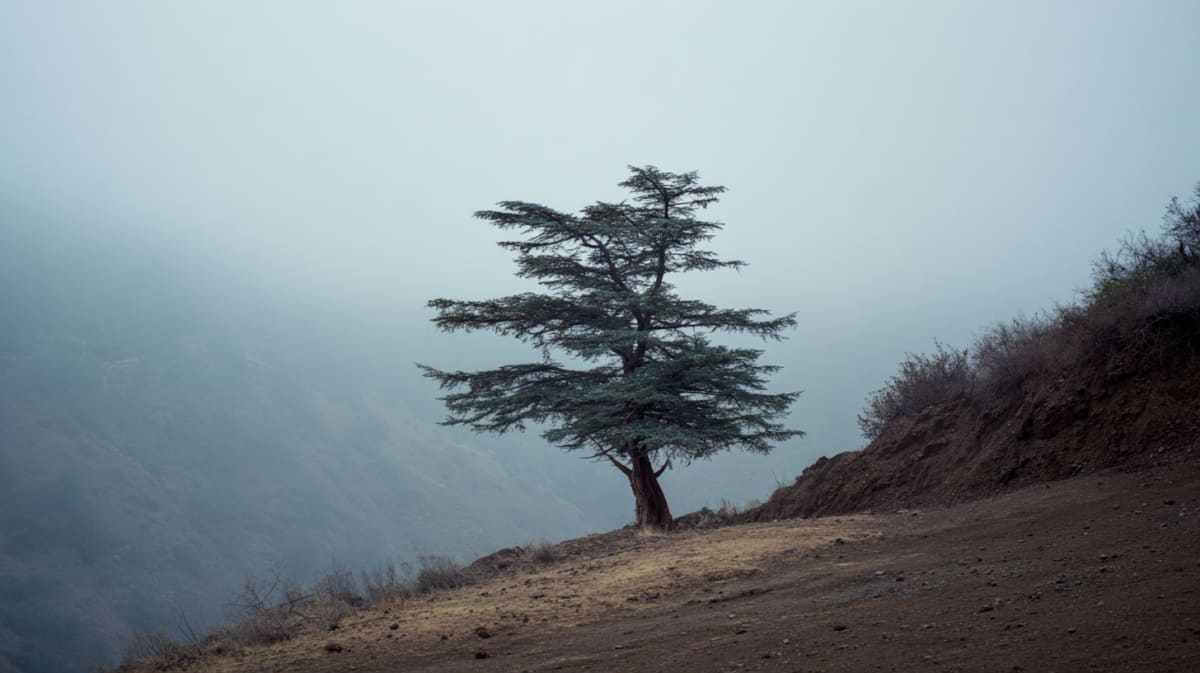
Indigo walls, cedar forests, and cannabis fields nobody mentions — the Rif runs on a frequency the rest of Morocco can't quite tune into.

5 Days
Rif Mountains Trek
Chefchaouen to Akchour — waterfalls, cannabis fields, and the greenest mountains in Morocco.