Andalusian Quarter Chefchaouen
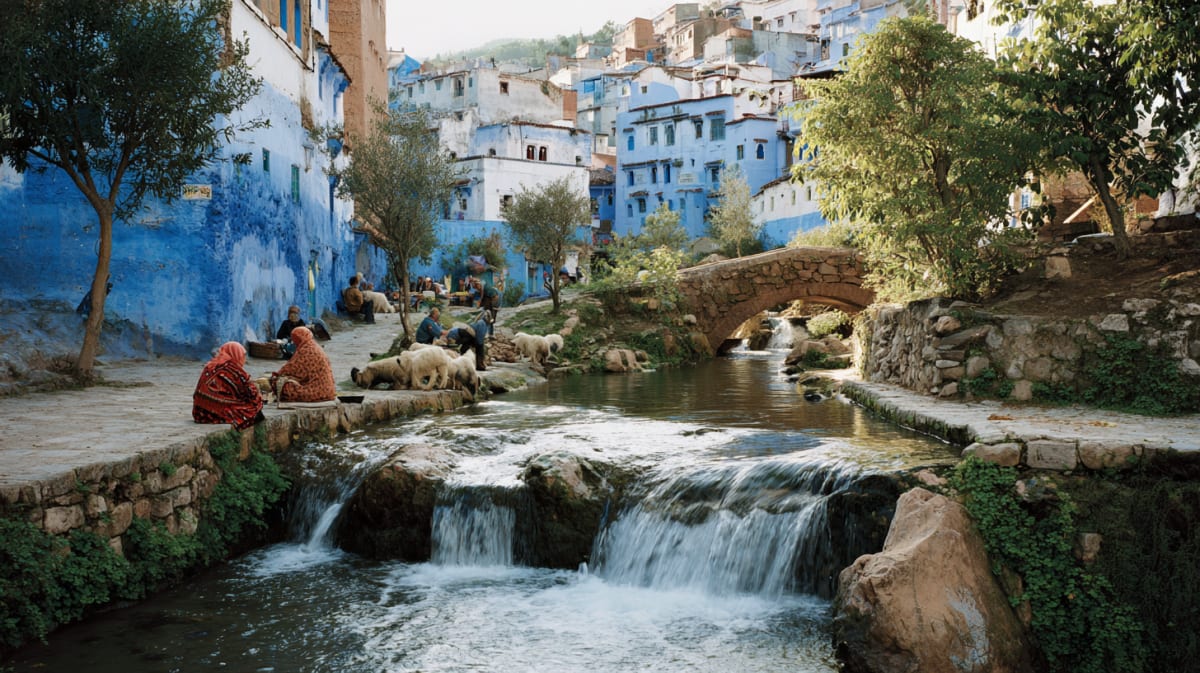
Chefchaouen was founded in 1471 by Moulay Ali ben Rachid as a refuge for Moorish and Jewish exiles from Andalusia. The upper quarter of the medina still carries this origin — the house forms, the tiled doorsteps, the small private courtyards are Andalusian in proportion and detail, adapted to the Rif mountain climate. The blue came later. The structure beneath it is 15th-century Córdoba.
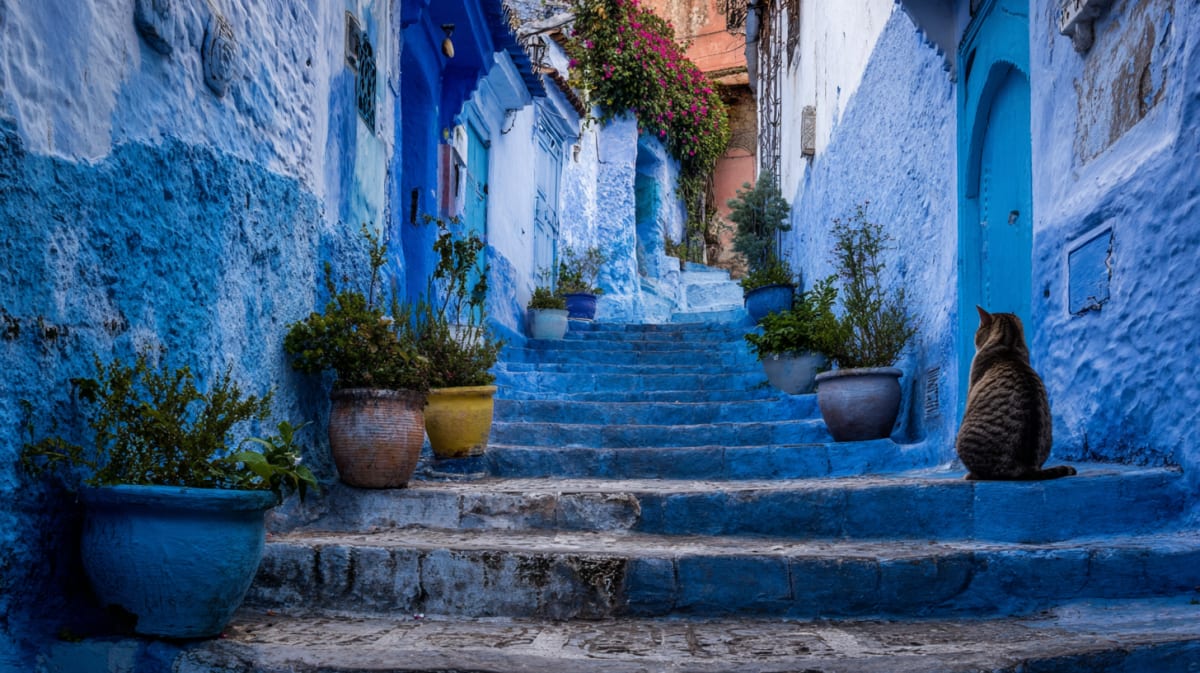
The neighbourhood south of the main square (Place Outa el-Hammam) where the Andalusian refugees settled after the fall of Granada in 1492. The Andalusian quarter is the oldest part of Chefchaouen's medina and the source of its architectural character — the whitewashed walls, the blue paint, the enclosed balconies that face the street.
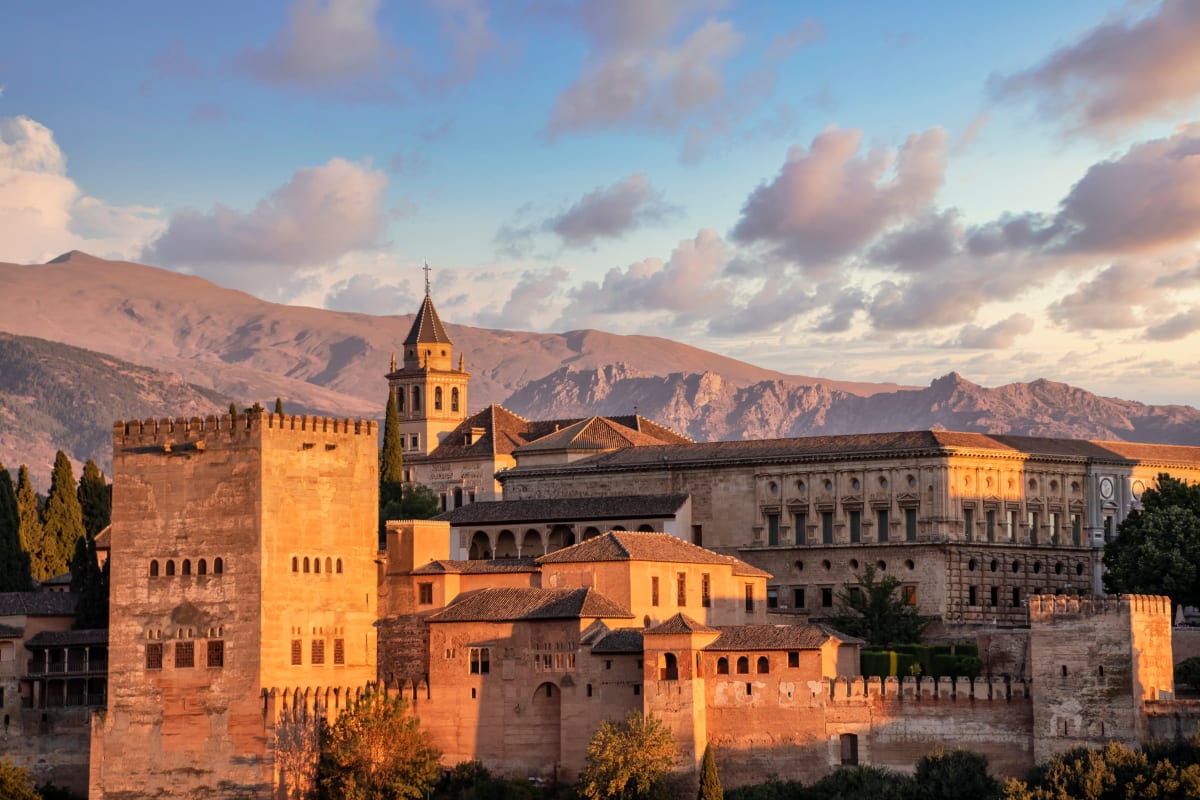
The Andalusian influence is genuine. The founding families of Chefchaouen came from two sources: Moulay Ali ibn Rashid, who built the kasbah in 1471, and the Andalusian refugees who arrived a generation later. The refugees brought building techniques from Granada — the use of lime wash, the proportion of courtyards, the relationship between house and street.
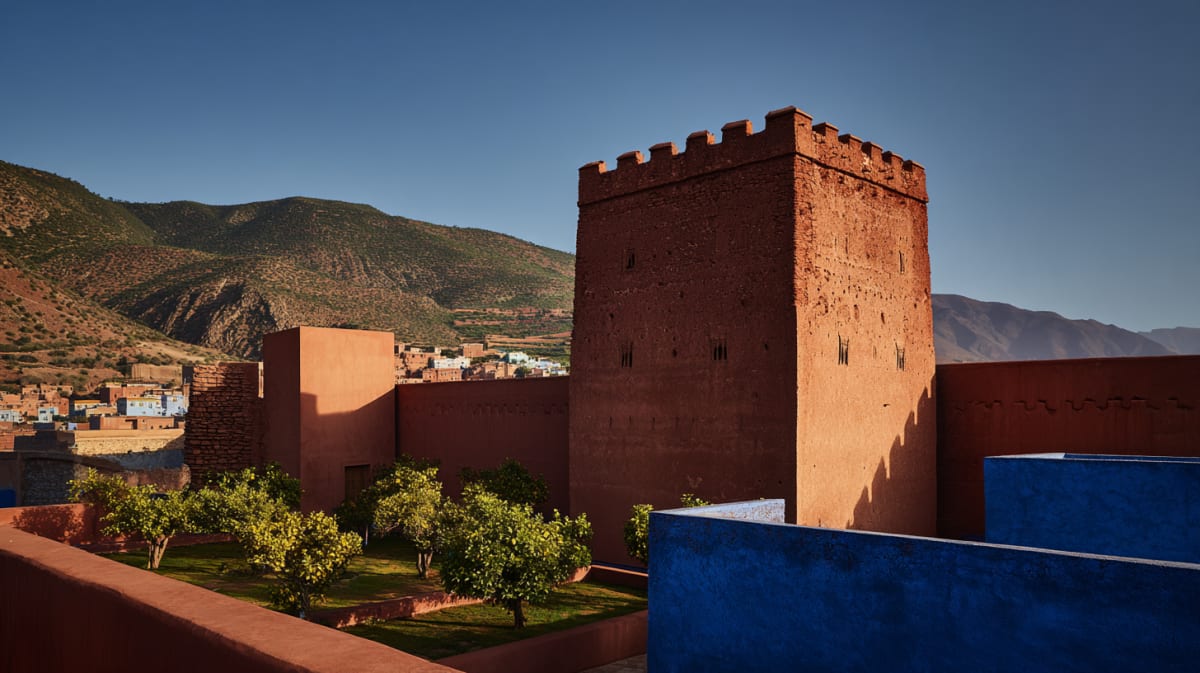
The quarter climbs the hillside above the kasbah. The streets are steep, narrow, and increasingly residential as you climb. The blue paint thins out at the upper edges, giving way to plain white. The views back down over the medina, with the kasbah tower and the mountains behind, are the best in the town.
Visitor Information
Explore More
Related Stories
Discover the history and culture of Chefchaouen

Explore More
Multi-day journeys featuring this place
Curated routes that pass through Chefchaouen
4 Days
Literary Tangier
Bowles, Burroughs, and the writers who made Tangier legendary — the cafés still serve the same mint tea and the city still doesn't explain itself.
5 Days
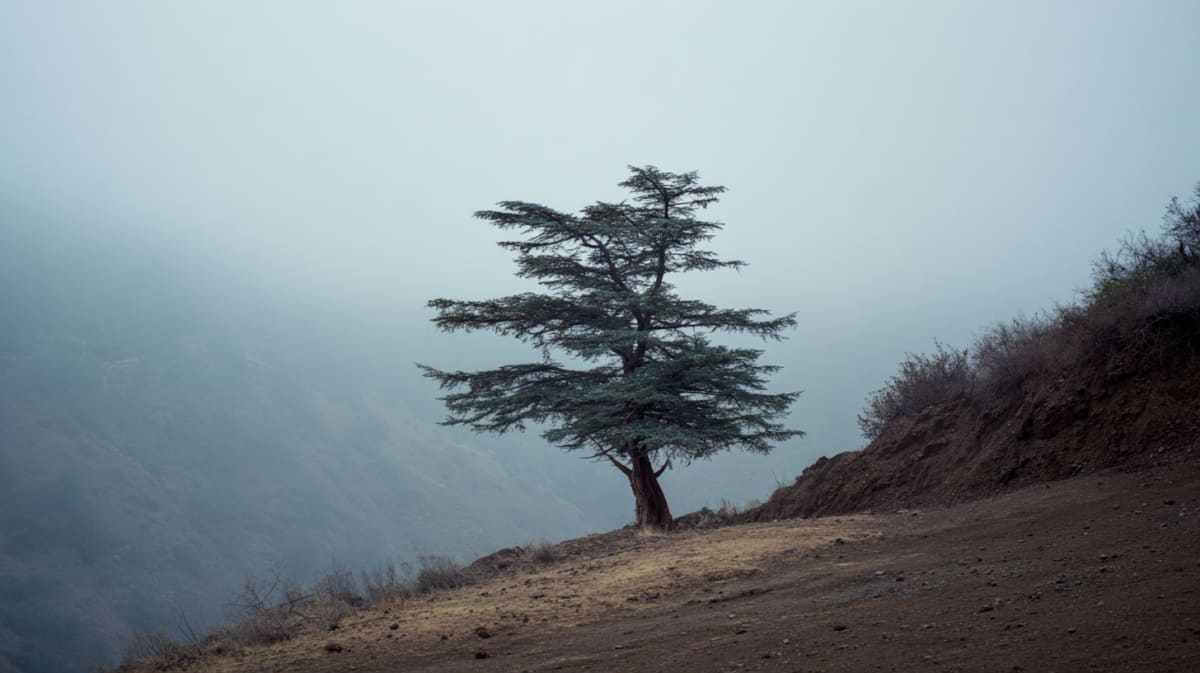
5-Day The Rif Mountains
Indigo walls, cedar forests, and cannabis fields nobody mentions — the Rif runs on a frequency the rest of Morocco can't quite tune into.

5 Days
Rif Mountains Trek
Chefchaouen to Akchour — waterfalls, cannabis fields, and the greenest mountains in Morocco.