
Quartier Habous
A neighborhood built by the French between 1917 and 1950 as a "new medina" for Moroccan workers moving to the city. The architects — French, but working with Moroccan craftspeople — created something unexpected: a medina-scale quarter with souk lanes, a mosque, a courthouse, and a covered market, all built in authentic Moroccan style. It is more coherent than most actual medinas because it was planned all at once.
The New Medina — built by the French in the 1920s as a planned "traditional" quarter for Moroccan residents who were being displaced from the old medina by colonial development. The Habous is a simulation: medina-style architecture (narrow streets, arched passages, interior courtyards) designed by French architects and built with modern materials.
The result is peculiar and charming. The streets are clean and regular. The proportions are correct. The craft shops sell genuine goods — copperwork, leather, fabrics. The Royal Palace of Casablanca sits adjacent, and the neighbourhood has the well-maintained quality that proximity to a royal residence ensures.
The Habous is the best place in Casablanca to buy Moroccan pastries. The pâtisseries here — particularly those on the main commercial street — produce cornes de gazelle, chebakia, briouates, and other honey-and-almond pastries at a quality level that rivals Fes. The olive market in the Habous is also excellent — barrels of cured olives in every preparation, from mild to fiercely spiced.
Visitor Information
Explore More
Related Stories
Discover the history and culture of Casablanca

Explore More
Multi-day journeys featuring this place
Curated routes that pass through Casablanca
4 Days
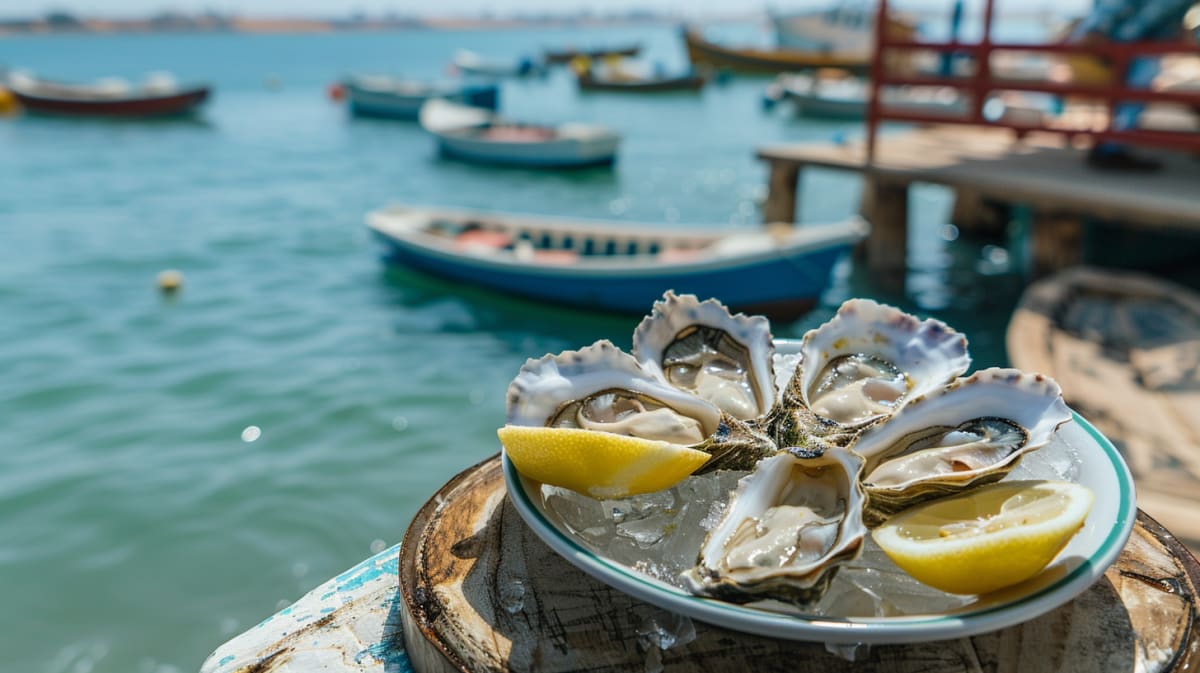
Oualidia Oysters & Lagoon
A lagoon between Casablanca and Essaouira produces the only oysters in Morocco. Four days of birds, salt marshes, and a kitchen that knows what to do with both.
4 Days
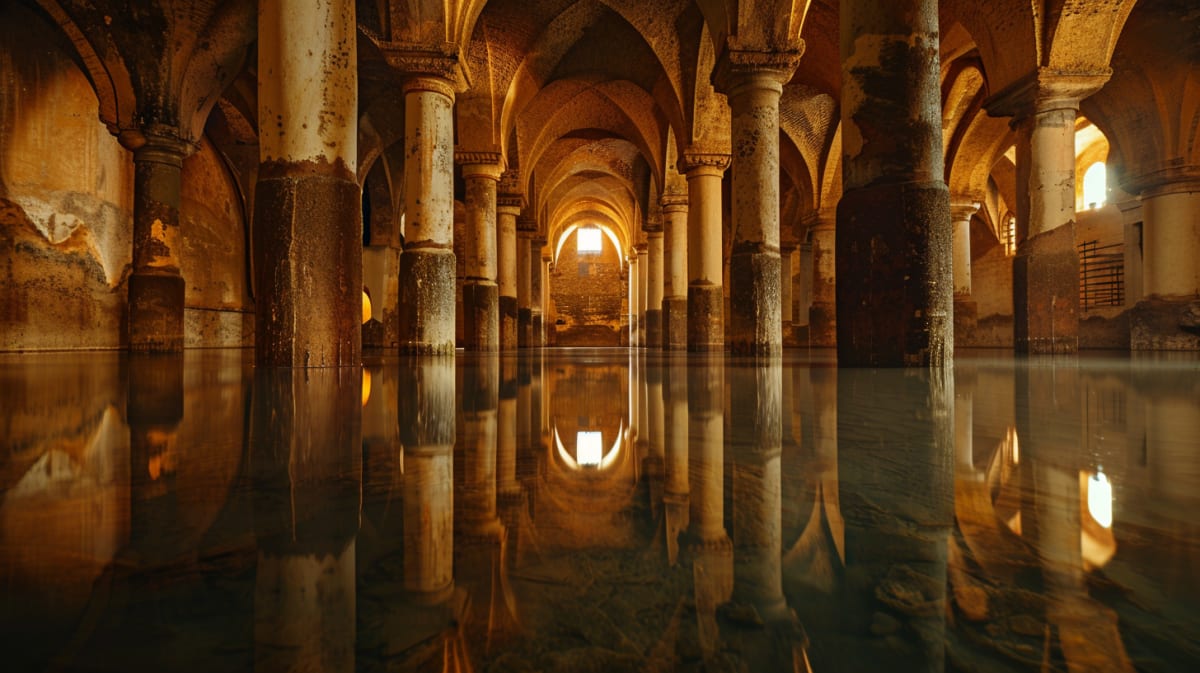
Portuguese Coast
El Jadida, Mazagan, and the fortresses Portugal left in Morocco's stone — the empire sailed away but the architecture refused to follow.

5 Days
Contemporary Art Morocco
MACMA, whitewashed galleries, and the young Moroccan artists rewriting their country's visual language — while nobody outside is paying attention yet.
Walking Distance
