Coastal
← Regions

3,500 kilometres. Two seas.

Coastal

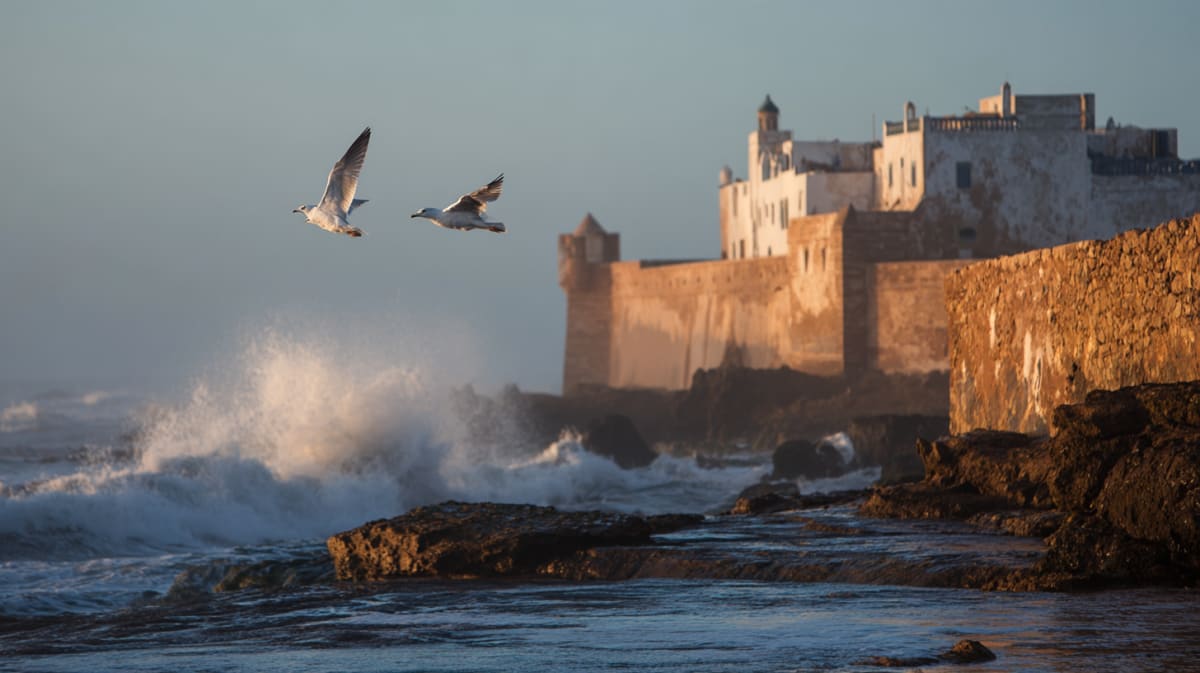
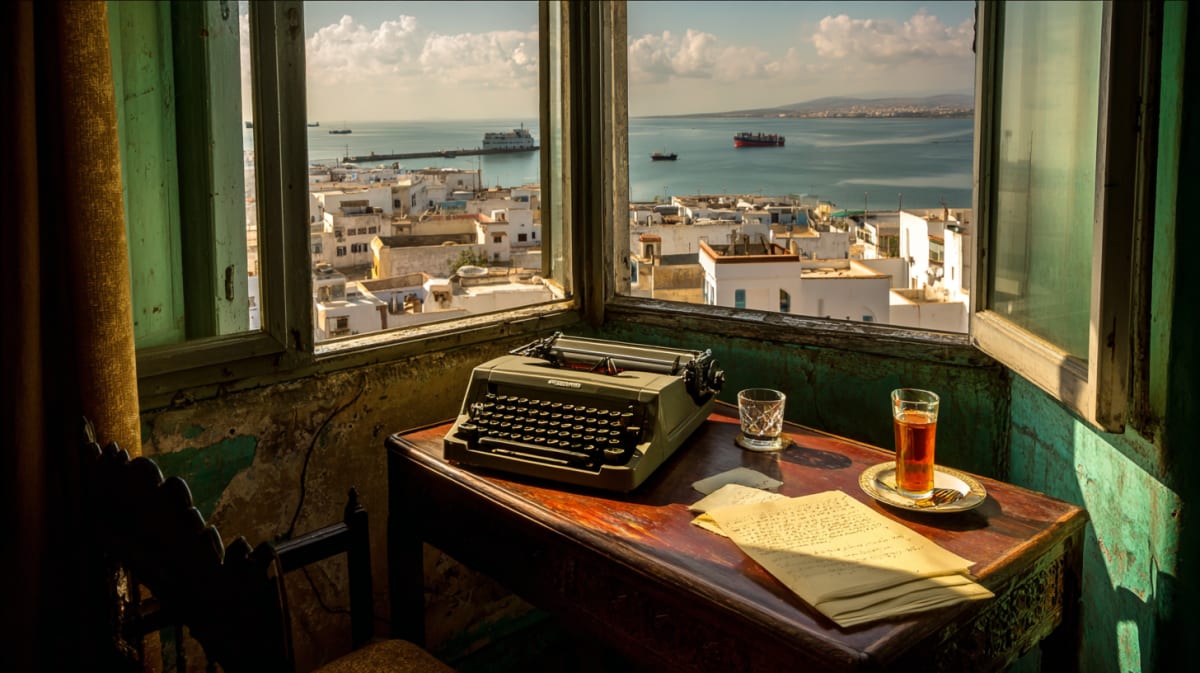
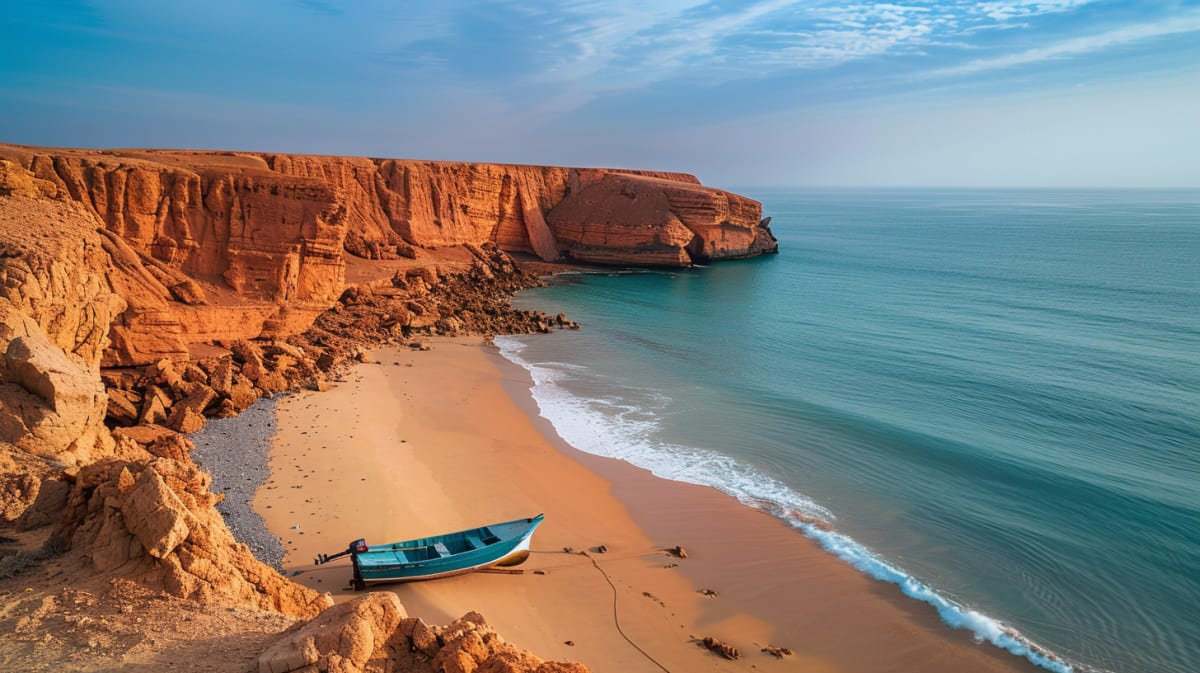
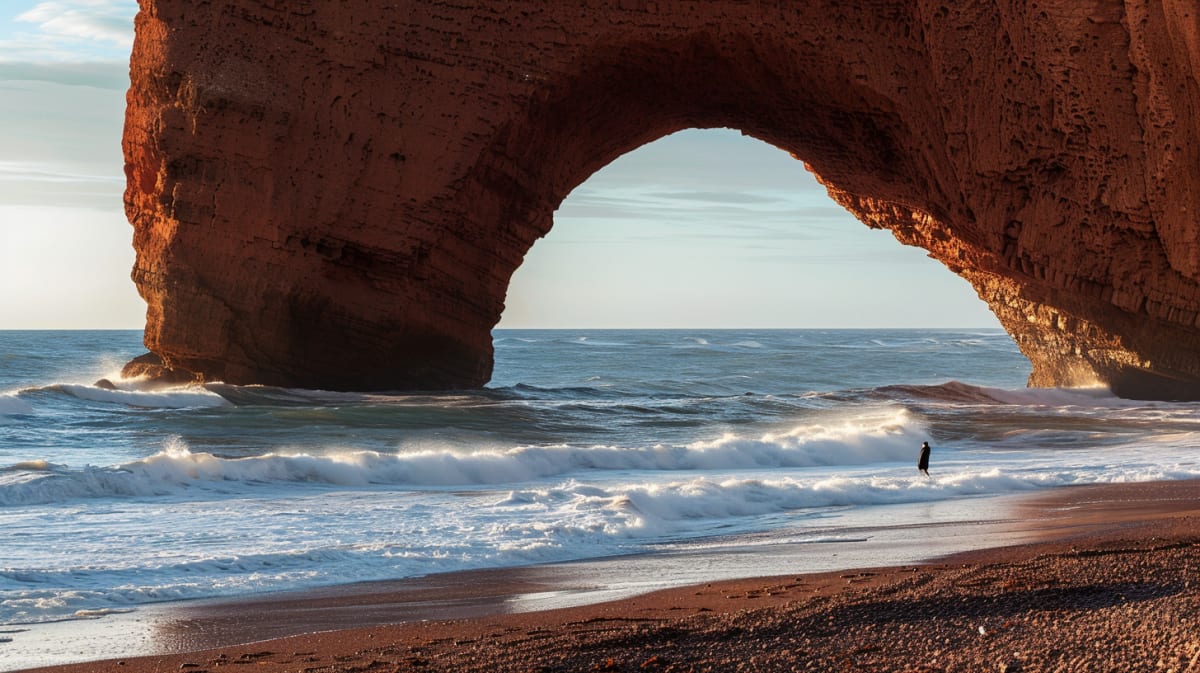
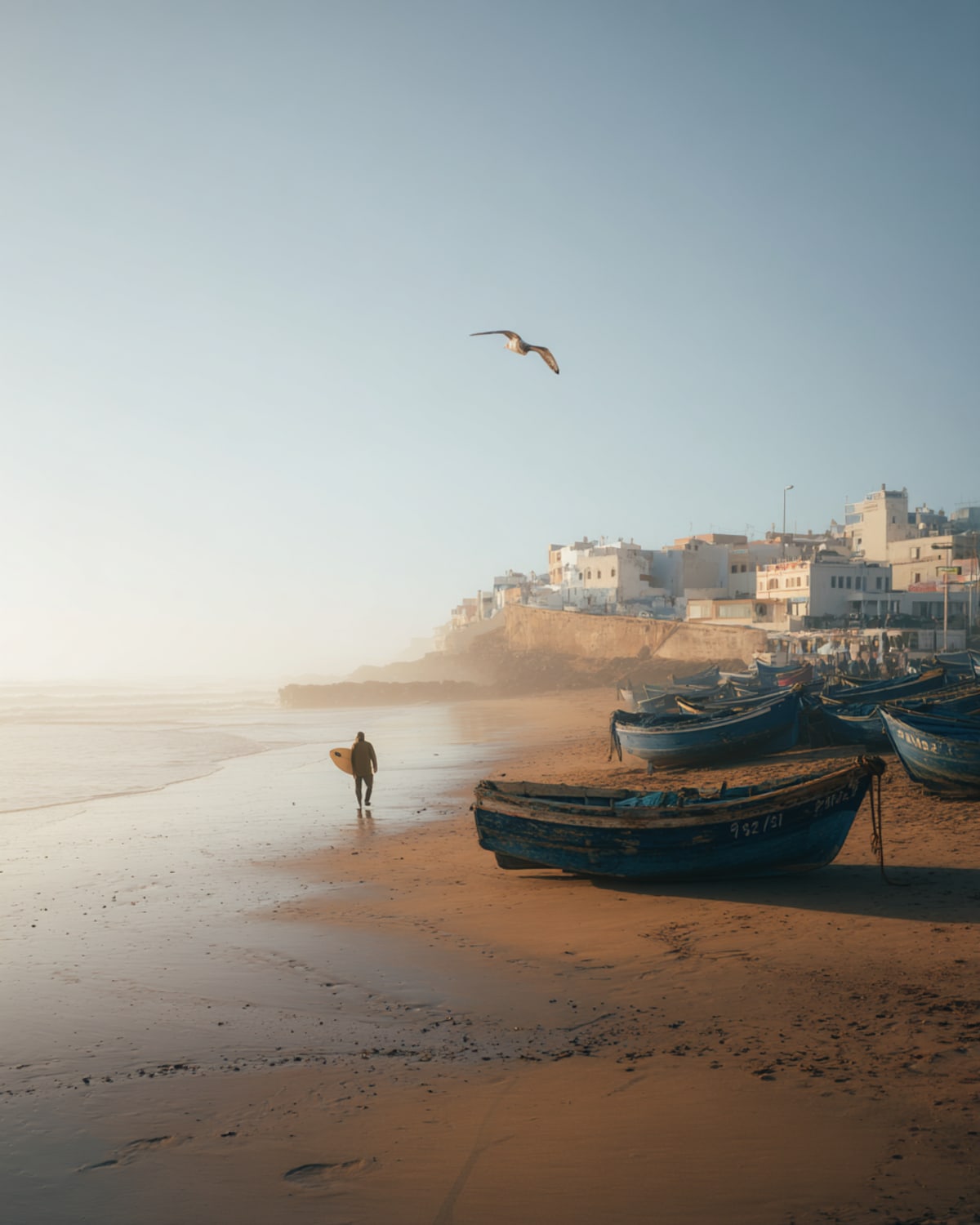
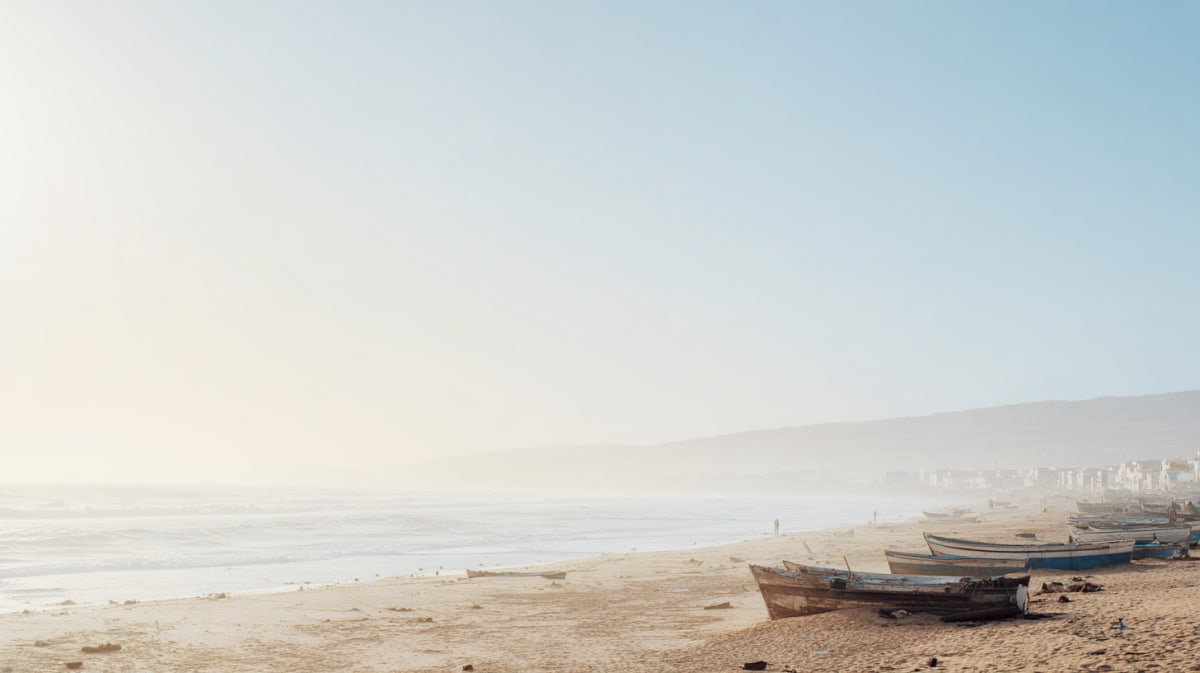
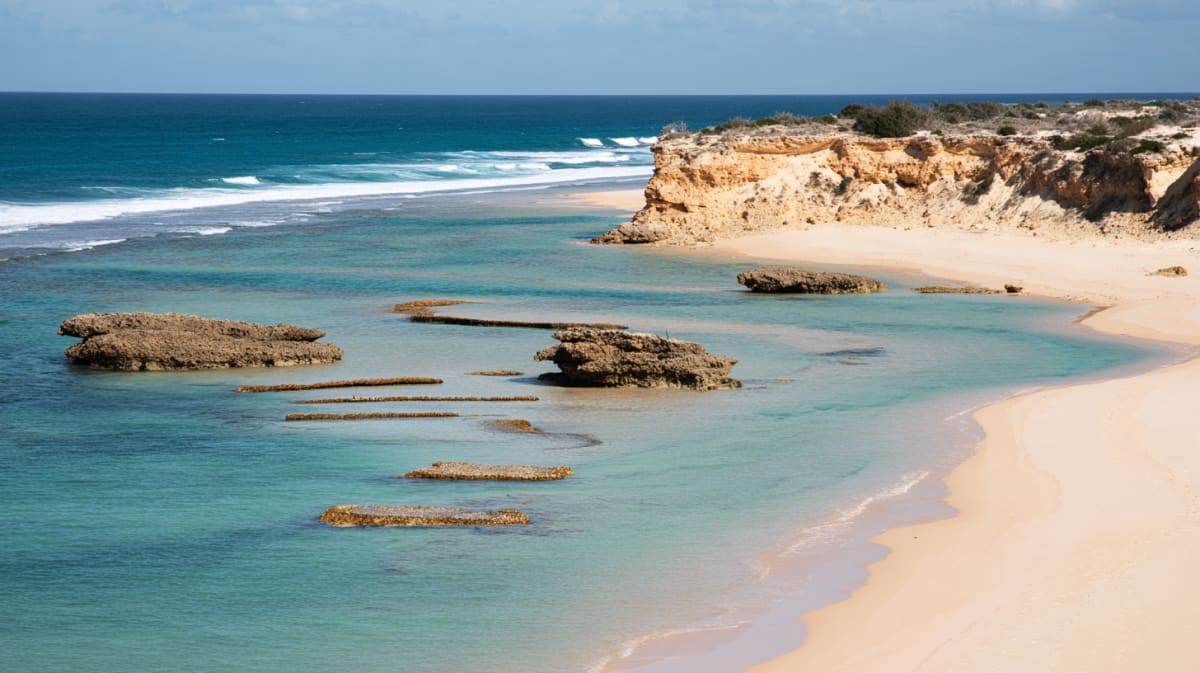
Atlantic to the west, Mediterranean to the north, the Strait of Gibraltar where they meet. Essaouira's ramparts face into a permanent gale. Agadir's beach stretches for eleven kilometres. Tangier sits at the crossing point between two continents and has the particular restlessness of a city that has always been on the way to somewhere else.

Cities & destinations

Places

Anchor Point

Natural

Anchor Point

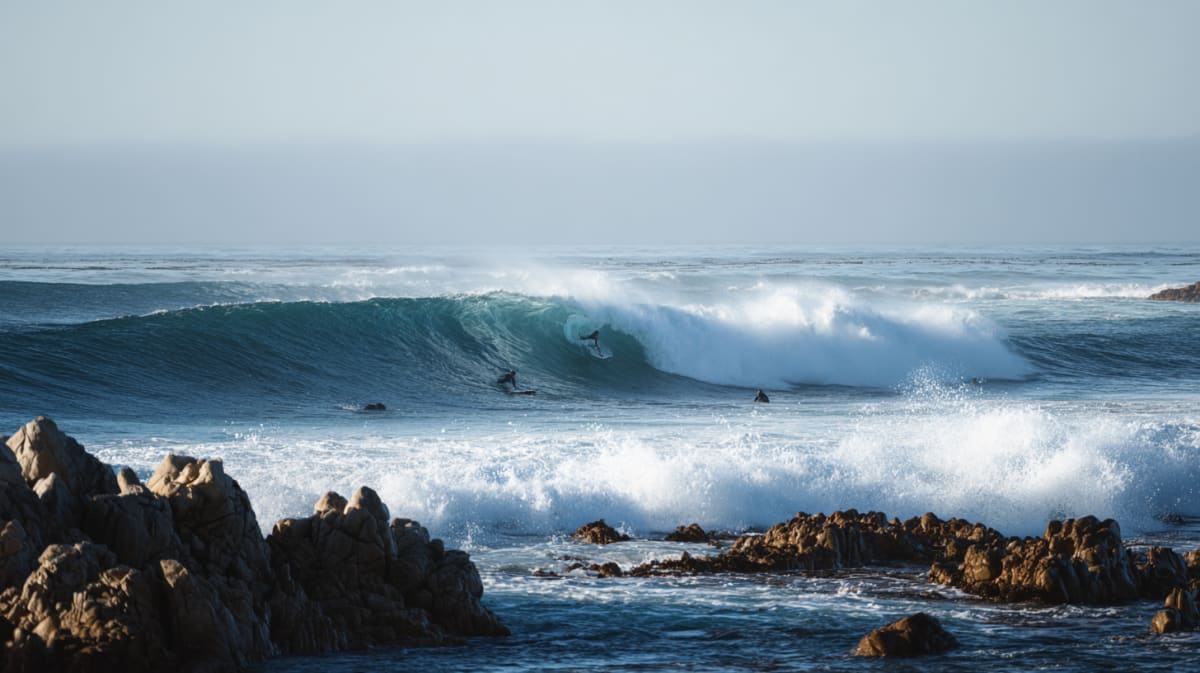
Morocco's most famous surf break. The right-hand point produces long waves from November to March — the ride that built Taghazout's reputation. Not for beginners; the rocks punish mistakes.

Paradise Valley

Natural

Paradise Valley

A palm gorge inland from the coast, where the river has carved pools into rock. Green after the brown, still water after waves. The escape every surfer eventually needs.

Taghazout Village

Neighborhoods

Taghazout Village

The fishing village that became Morocco's surf capital — a cluster of whitewashed houses on a headland above the Atlantic, 18 kilometres north of Agadir. The surfers arrived in the 1970s. The guesthouses followed. The village retained its structure: the main street, the fish market at the port, the café where the fishermen and the surfers have coexisted for fifty years. The Taghazout Bay resort development to the south is a different place entirely.

Imsouane

Nature

Imsouane

A fishing village 70 kilometres north of Taghazout with one of the longest and most forgiving right-hand point breaks in Africa — the bay wave can run for 800 metres on a good day, making it the ideal longboard wave in Morocco. The village has remained small despite the surf reputation. The road in is unpaved for the last stretch, which filters the crowd.

Souss-Massa National Park

Nature

Souss-Massa National Park

A national park 40 kilometres south of Agadir protecting the last wild population of the northern bald ibis — a critically endangered species once found across the Mediterranean and North Africa. The park also holds flamingos, ospreys, and the rare Barbary ground squirrel. The Oued Massa river mouth inside the park is one of the best birdwatching sites in Africa.

Oualidia Lagoon

Natural

Oualidia Lagoon

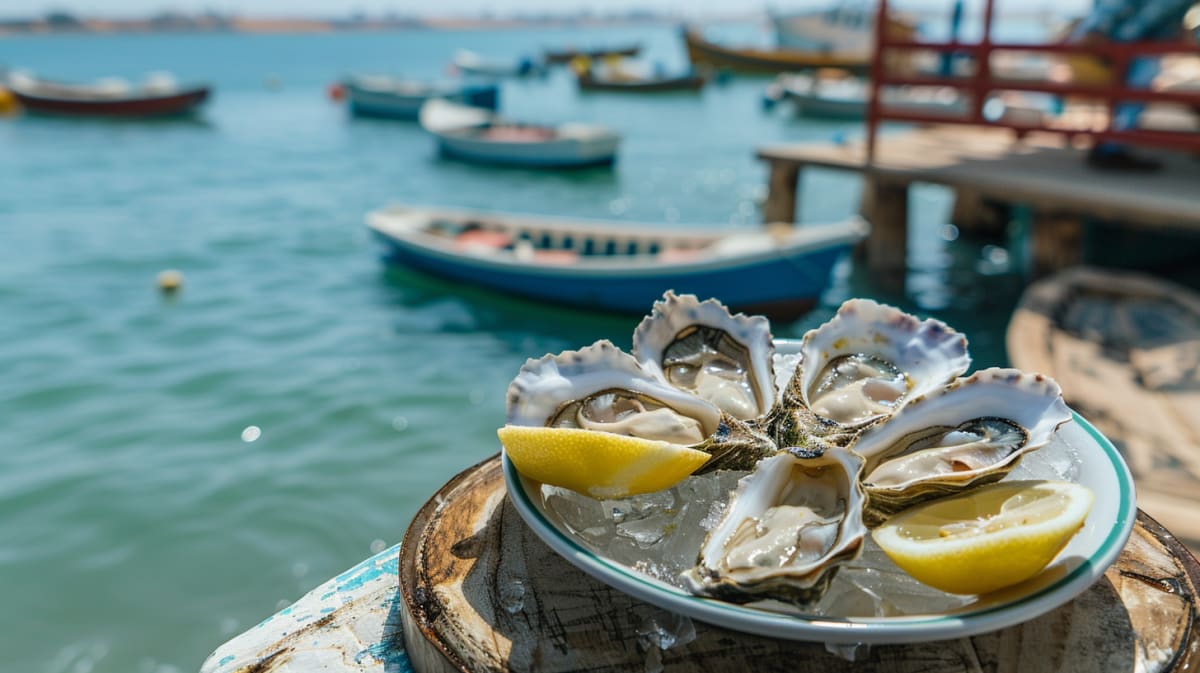
An Atlantic lagoon where the oysters are farmed in the shadow of a royal palace. The only oysters in Morocco. Pink flamingos. Salt marshes. No crowds.

El Jadida Portuguese Medina

Neighborhoods

El Jadida Portuguese Medina

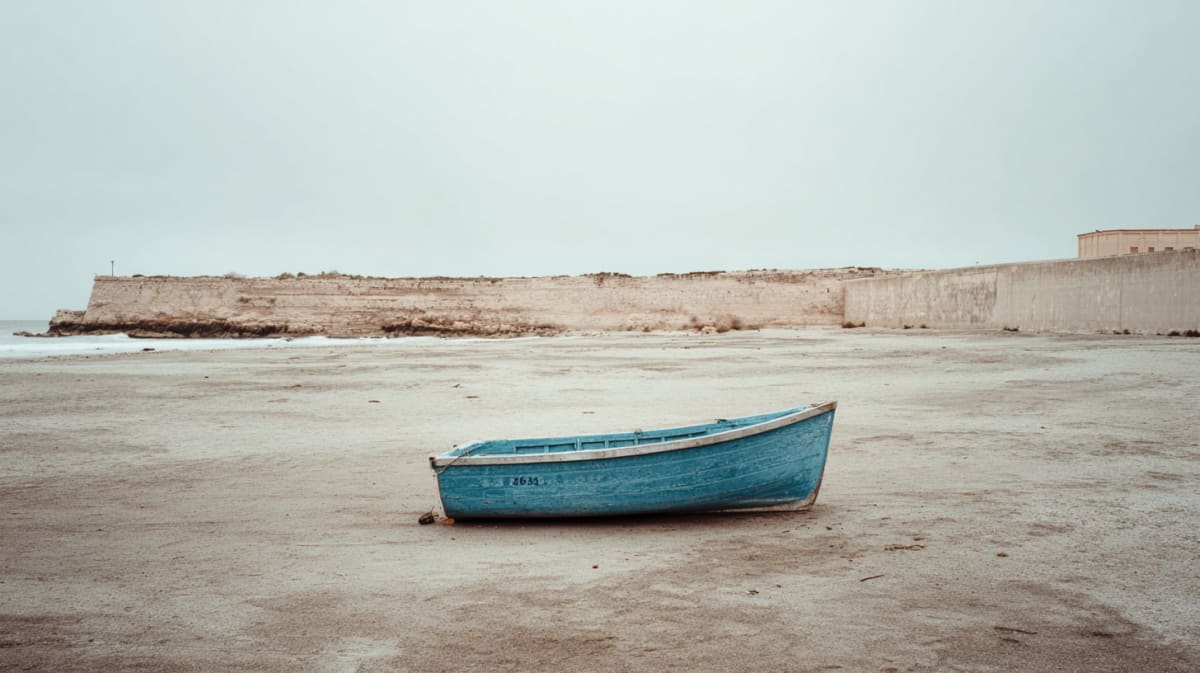
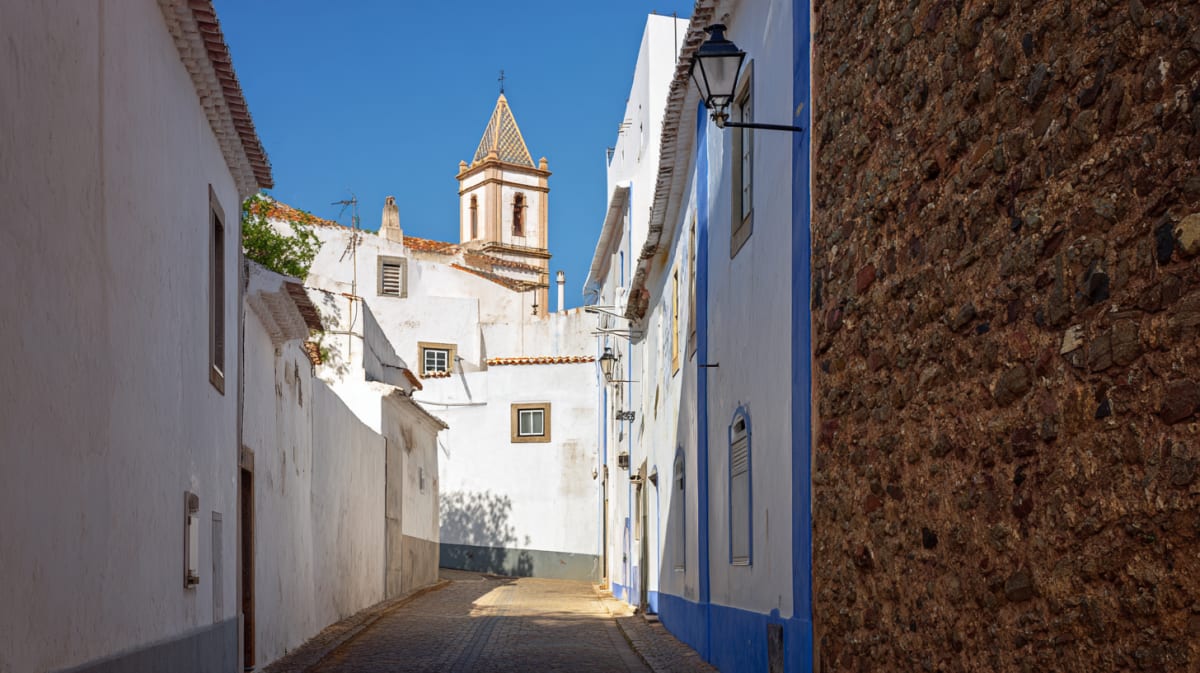
The walled Portuguese city of Mazagan — founded in 1513 and held by Portugal until 1769, when Sultan Sidi Mohammed ben Abdallah flooded it with gunpowder and forced the Portuguese to evacuate. The Moroccans who resettled it after independence kept the Portuguese street grid intact. The result is the only Portuguese colonial city on the African Atlantic coast that still functions as a living medina.

Portuguese Church of the Assumption

Architecture

Portuguese Church of the Assumption

A 16th-century Portuguese Gothic church inside the walled city — the only surviving Portuguese church in Morocco. The nave is roofless but the walls and the apse are intact, the Gothic vaulting still visible above the open sky. Orson Welles filmed the opening mirror scene of Othello here in 1949 — drawn by the same quality of light and ruin that characterises the city.

Bastion de l'Ange

Architecture

Bastion de l'Ange

The best-preserved of the four bastions of the El Jadida fortification — a circular artillery platform projecting from the sea wall, with cannon emplacements still intact. The view from the top takes in the entire Atlantic horizon. The Portuguese built it to defend against Ottoman naval attack. The Ottomans never came this far west.

Stories

Journeys in Coastal

Private journeys

Ready to go?

Every journey we design is private, built around what you want to see, and shaped by deep experience inside Morocco.

Plan Your Trip

The Letter

Written from the medina. Sent when it matters.