Mountains
← Regions

Three ranges. Infinite altitude.

Mountains

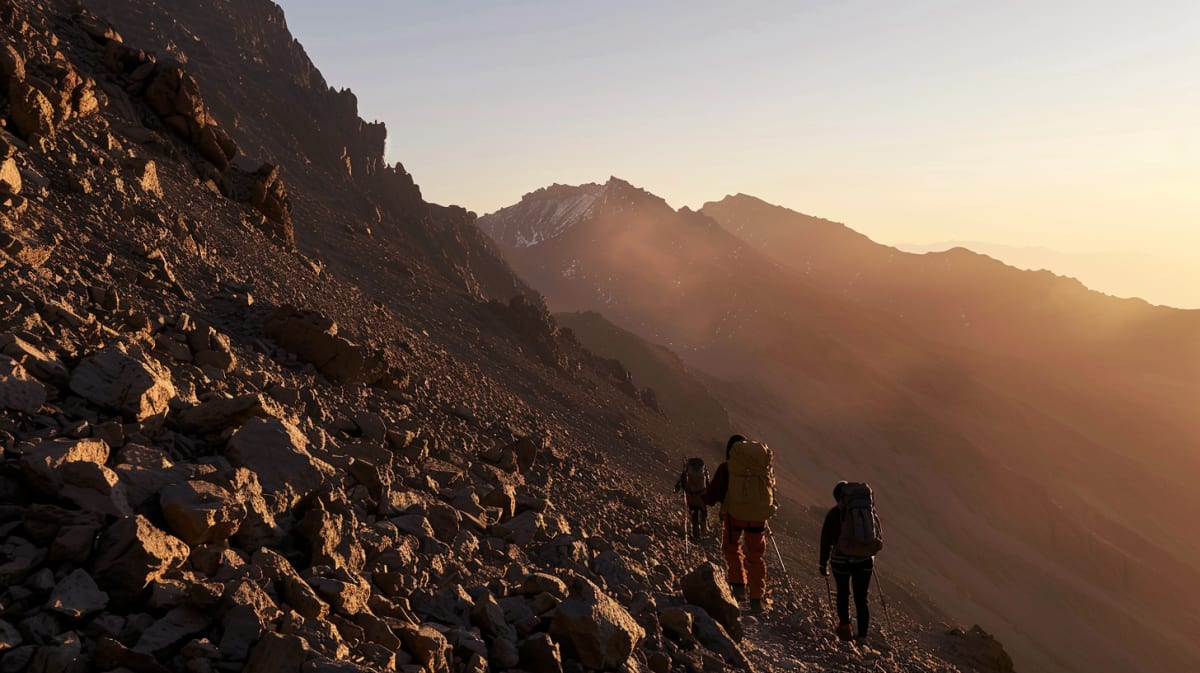
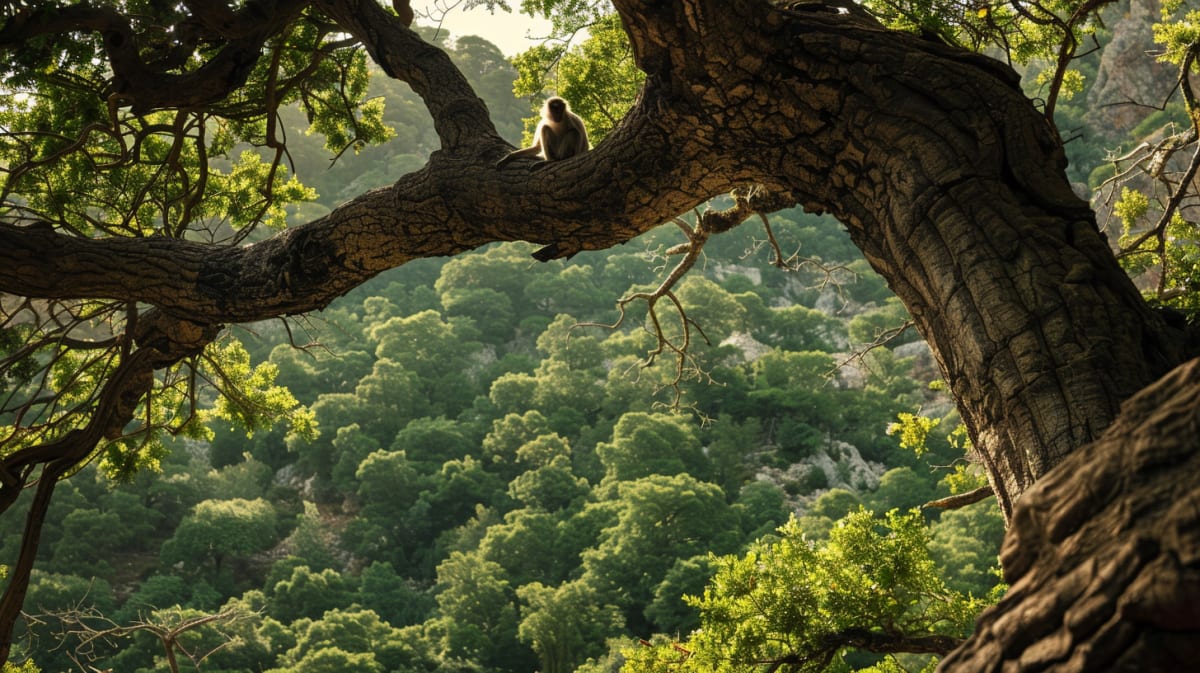
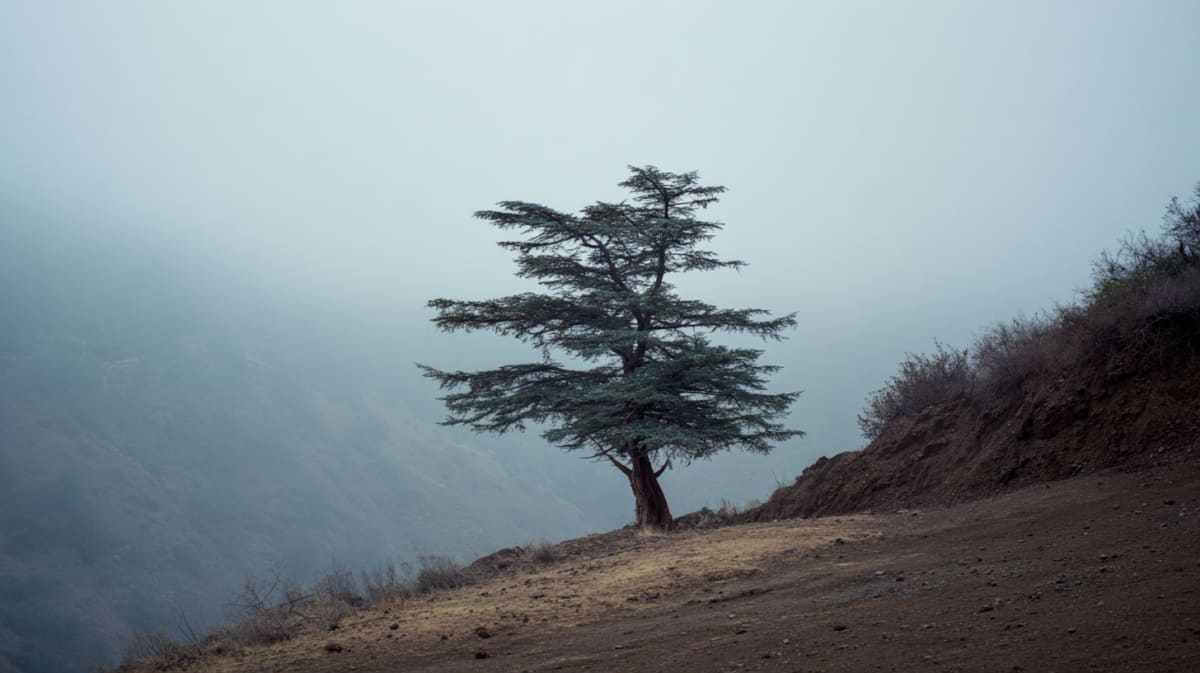
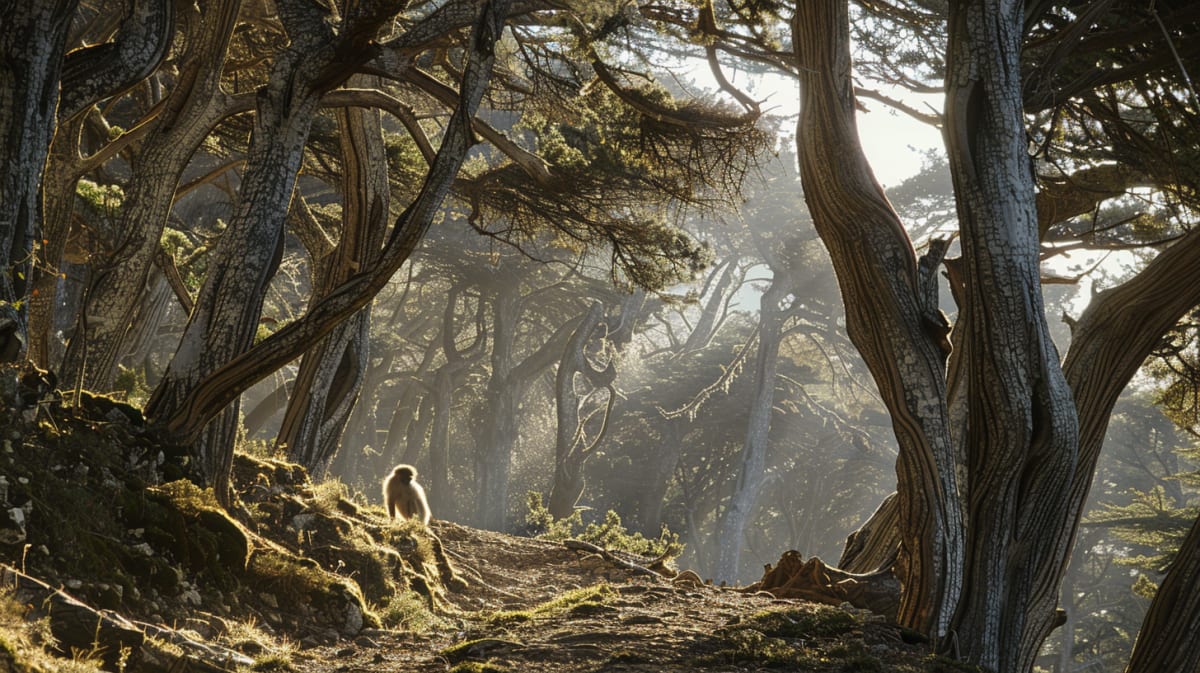
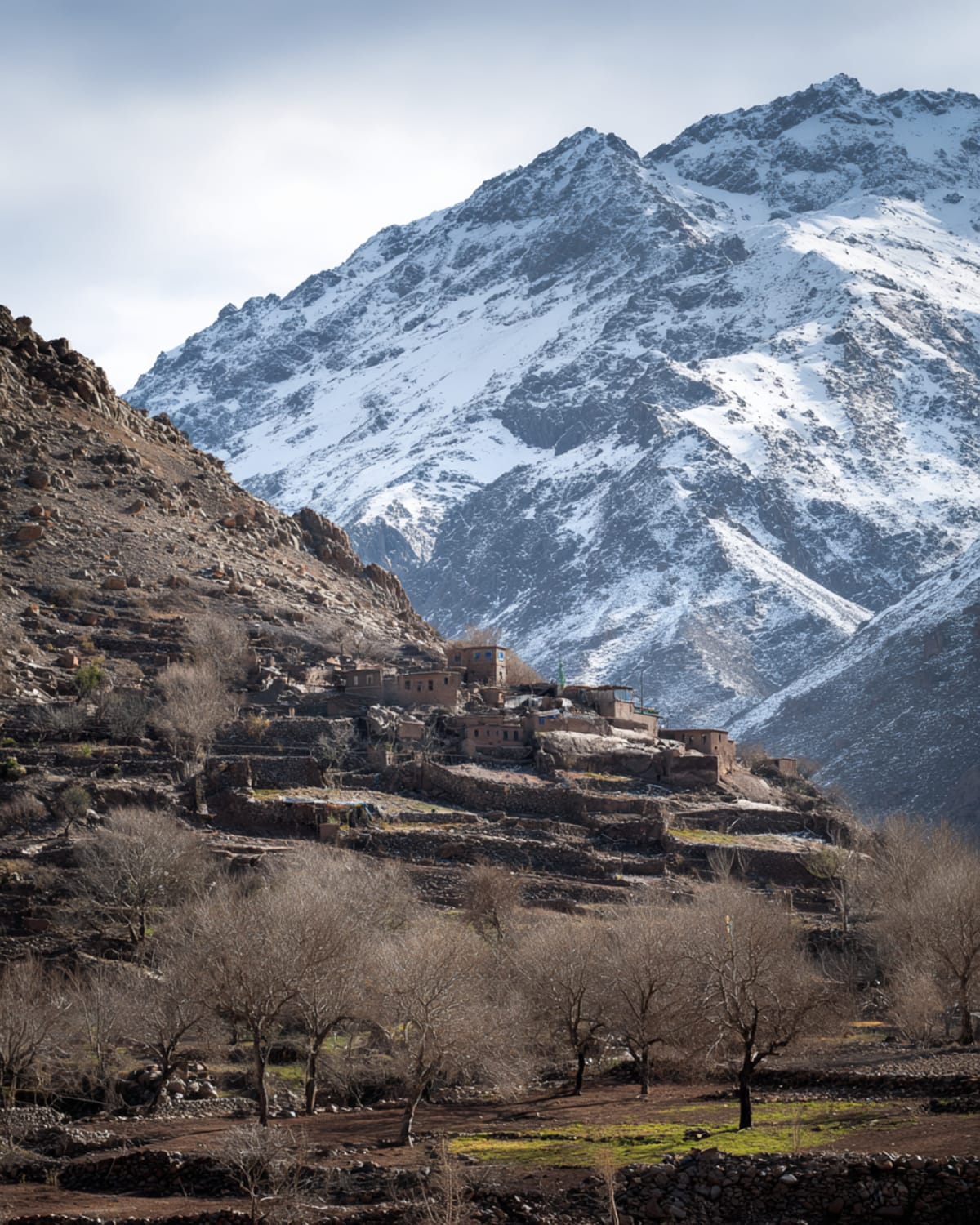
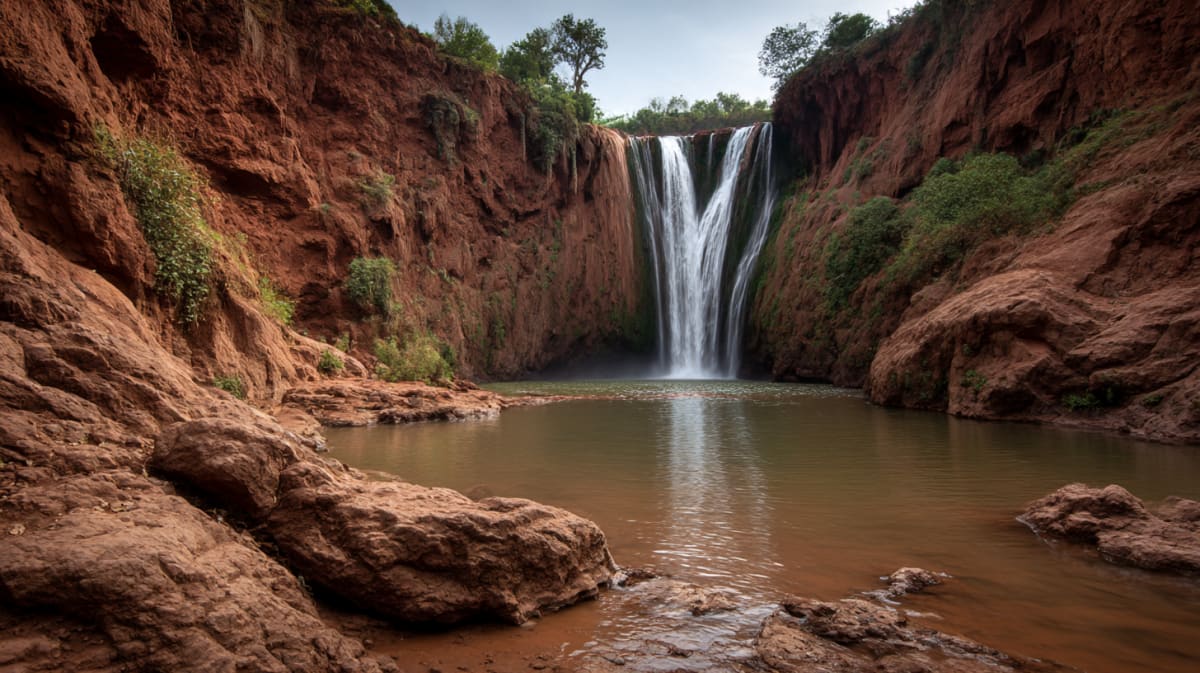
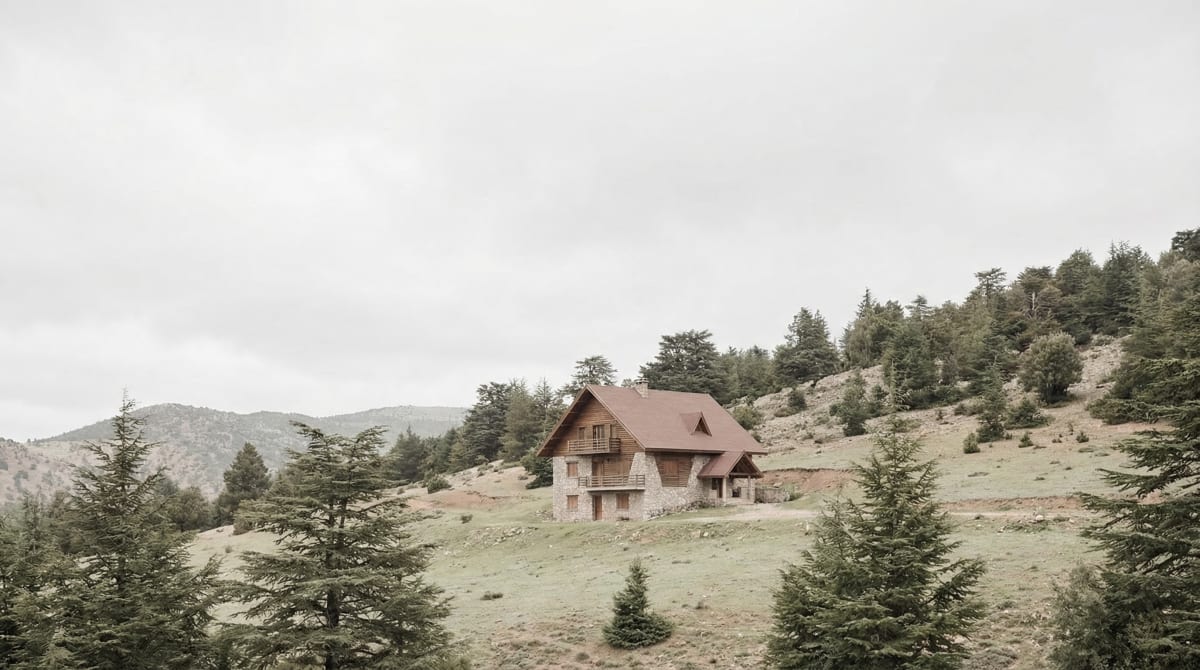
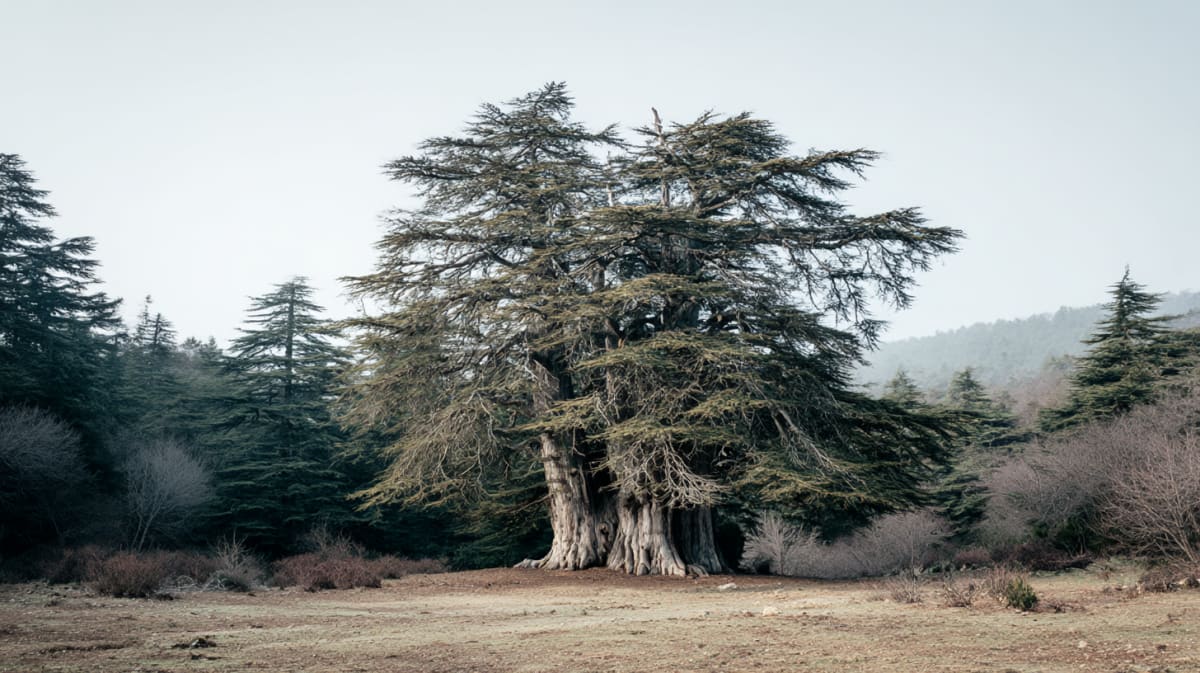
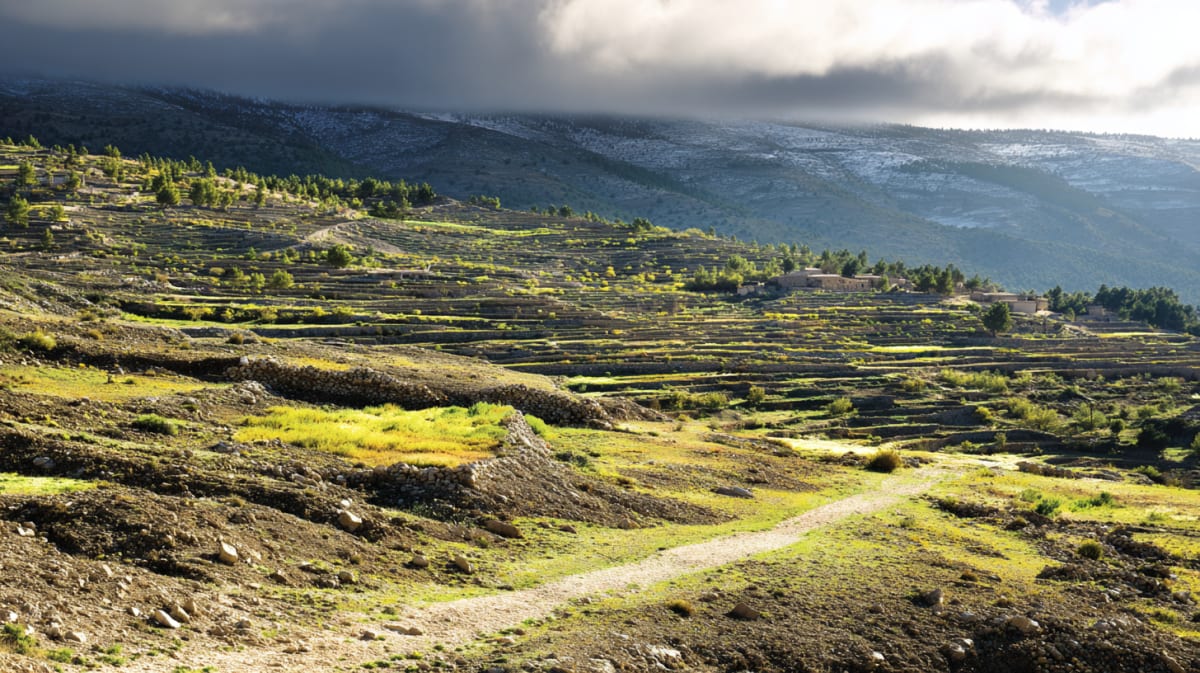
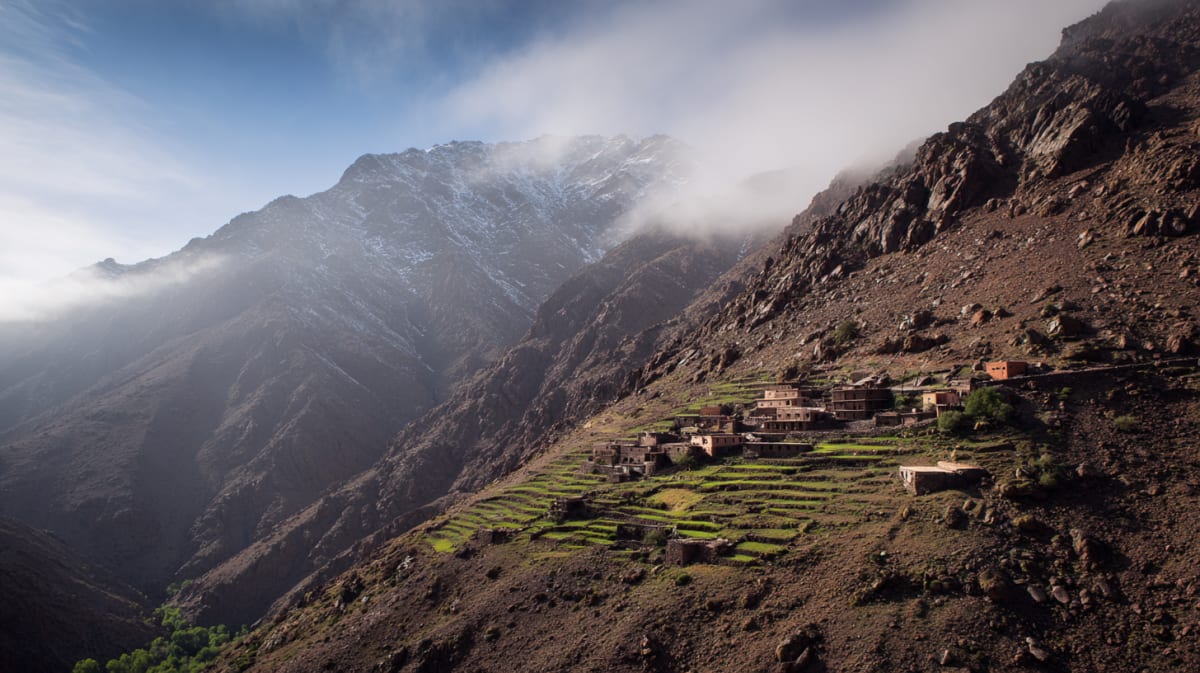
The High Atlas, Middle Atlas, and Anti-Atlas cross Morocco diagonally, northeast to southwest. Imlil sits at the foot of Toubkal, North Africa's highest peak at 4,167 metres. The Rif runs along the north. Between the ranges: cedar forests, Berber villages that have farmed the same terraces for centuries, and a cold that surprises everyone who forgot Morocco has winter.

Cities & destinations

Places

Imlil

Natural

Imlil

The path to North Africa's highest peak starts here, in a Berber village 1,740 meters up. Mules carry supplies; the summit waits two days away. Most visitors are content with Imlil.

Jebel Toubkal

Natural

Jebel Toubkal

North Africa's highest peak at 4,167 meters. Not technical, but demanding — altitude, scree, six hours of walking on summit day. The views take in the Sahara to the south.

Todra Gorge

Natural

Todra Gorge

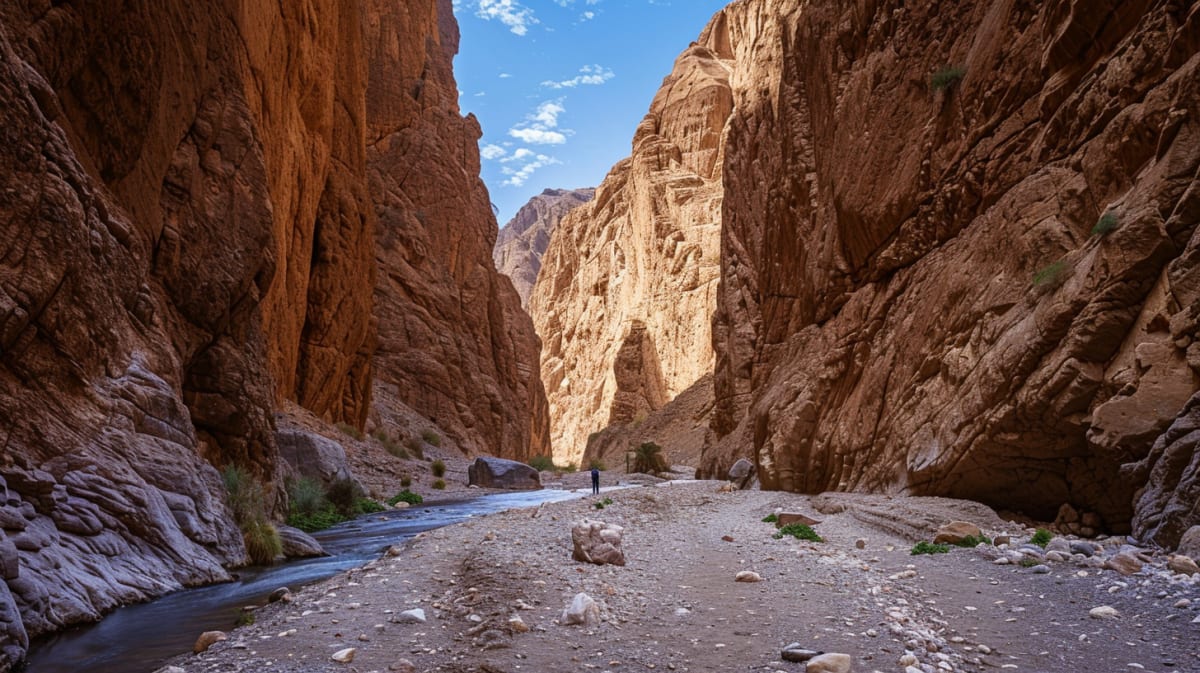
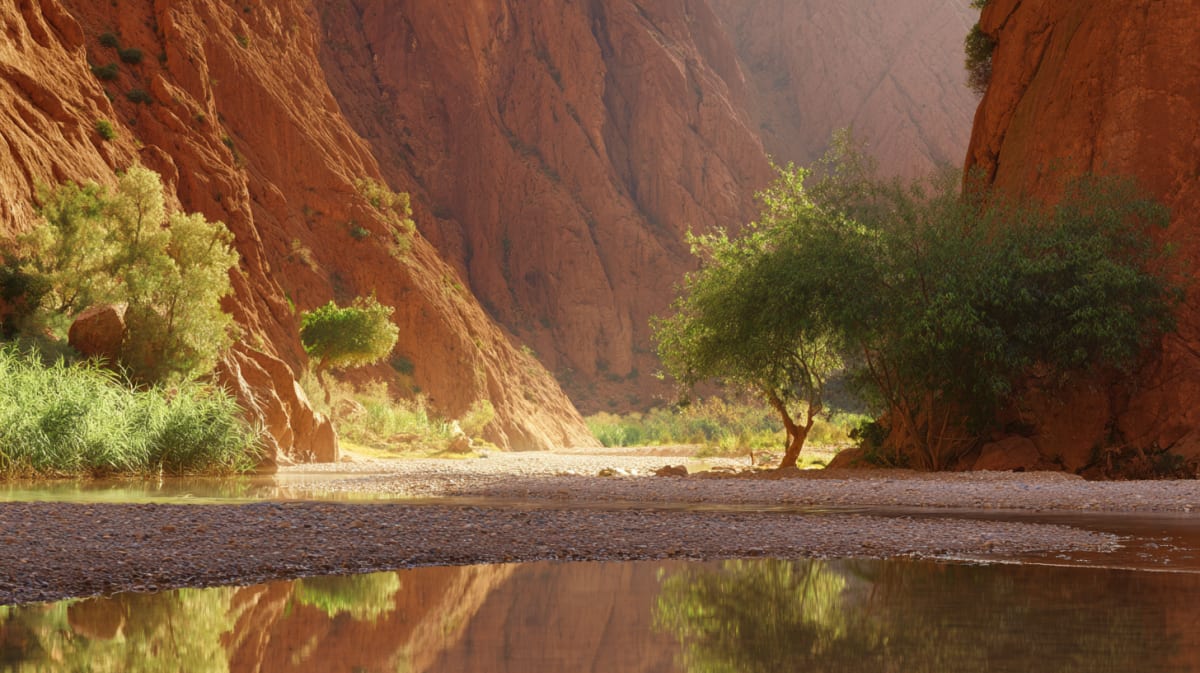
The walls rise 300 meters, narrowing to 10 meters apart. The river carved this slot over millennia; for a few hundred meters, you walk in a crack in the earth.

Dadès Gorge

Natural

Dadès Gorge

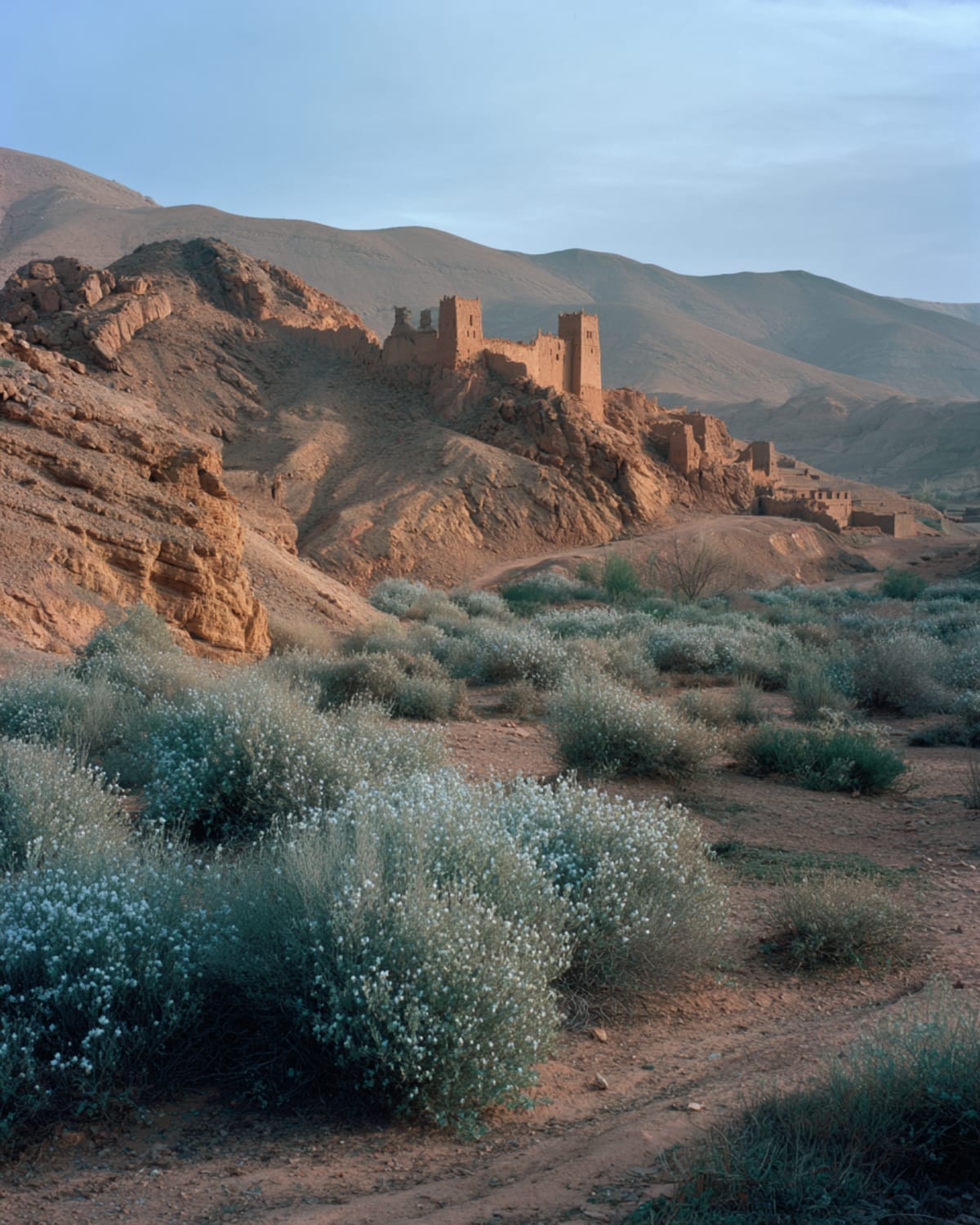
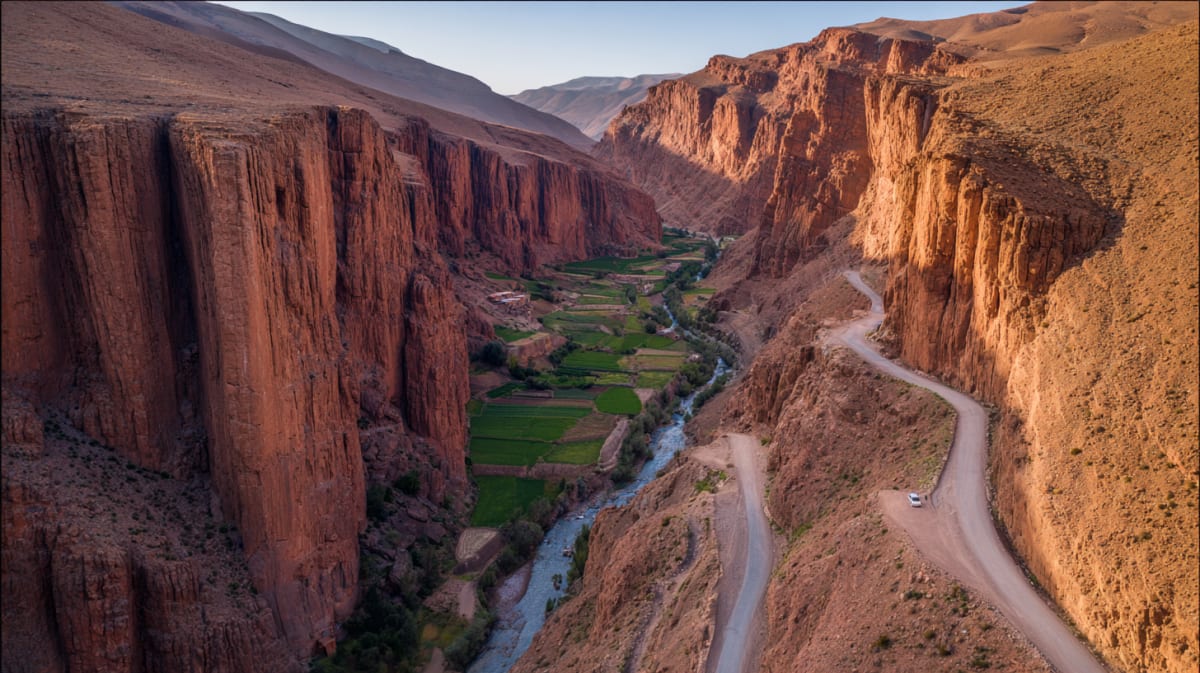
The Road of a Thousand Kasbahs — the number isn't hyperbole. Ruined fortresses line the valley; the famous switchbacks stack against cliffs. The vertigo is universal.

Valley of Roses

Natural

Valley of Roses

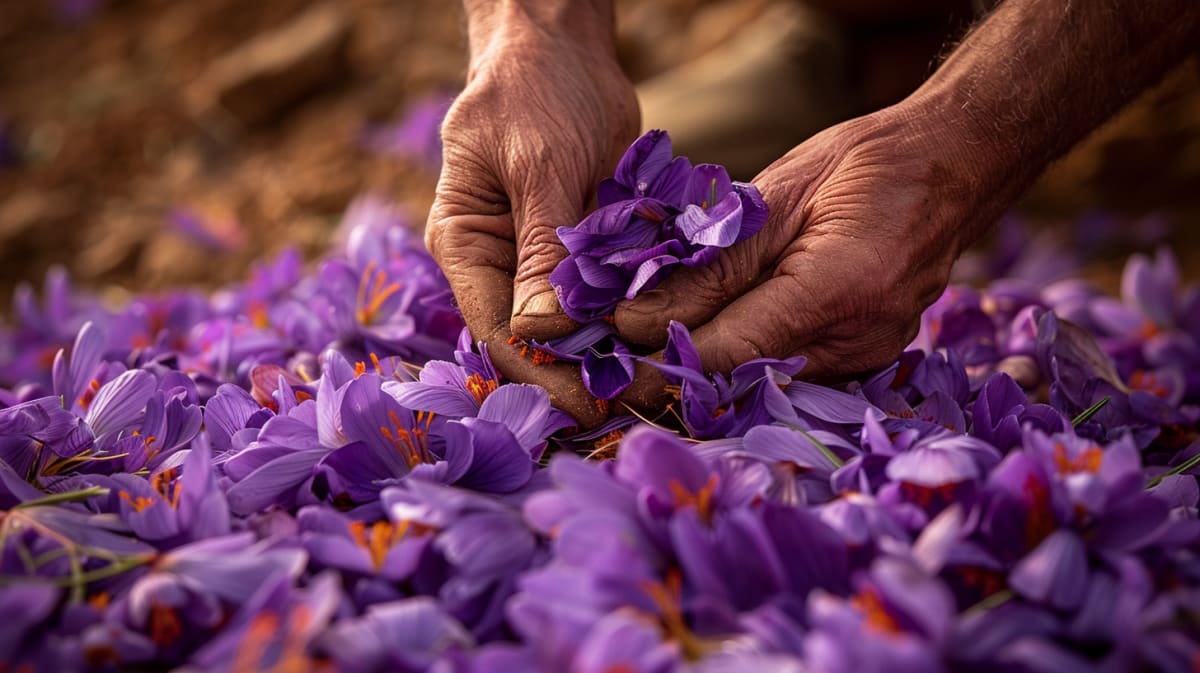
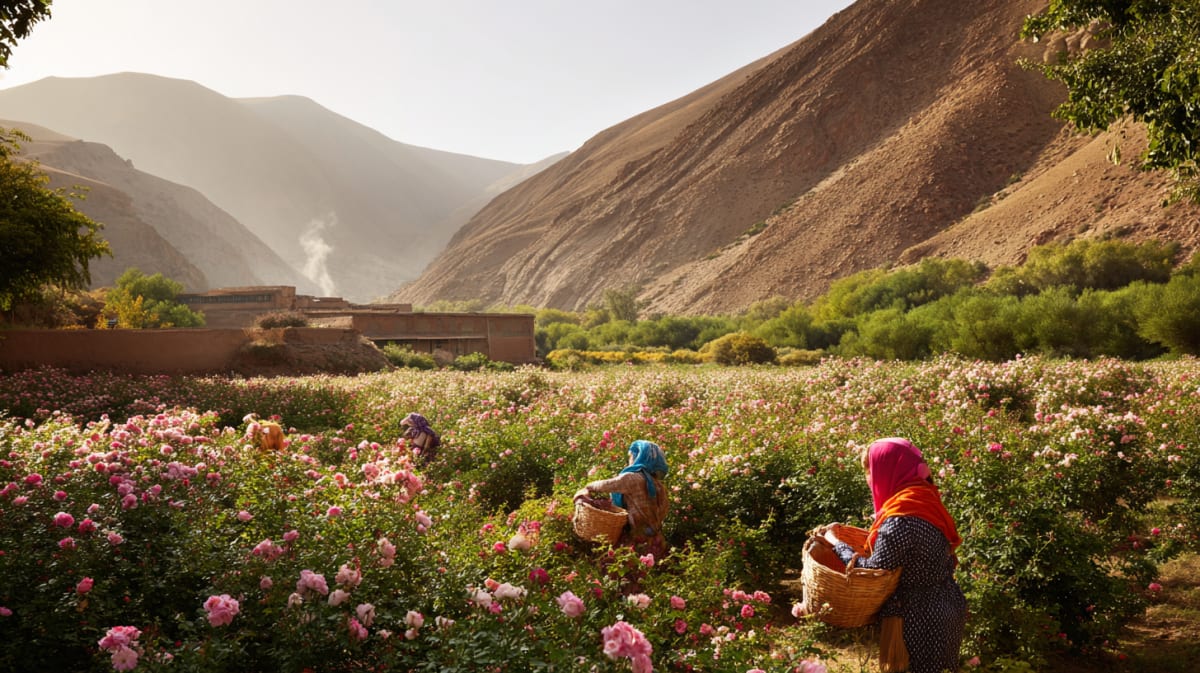
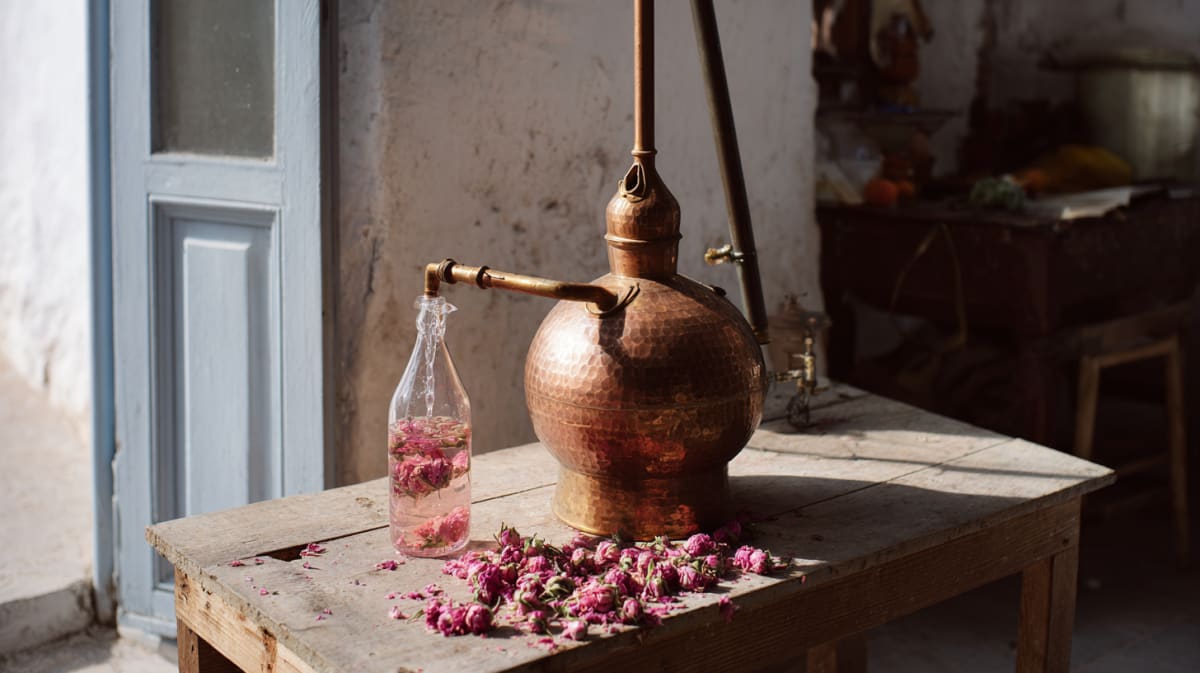
In May, the Dades Valley turns pink. Damask roses bloom along irrigation channels; the harvest lasts three weeks; the perfume, in rosewater and local cooking, lasts all year.

Monkey Fingers Rock Formation

Nature

Monkey Fingers Rock Formation

The eroded rock formations above Aït Arbi in the upper Dades Valley — columns of pale limestone worn by water and wind into forms that resemble fingers, hands, or whatever the traveller needs them to be. The Moroccan name is more direct: the Hands of God. The formations are best at sunrise when the low light catches the pale stone against the dark gorge below.

Tafraout Valley

Nature

Tafraout Valley

The Ameln Valley around Tafraout — a bowl of pink granite boulders, almond orchards, and Amazigh villages in the Anti-Atlas mountains. In February, when the almond trees bloom, the valley turns white and pink against the pink rock. The light at this altitude and latitude is unlike anywhere else in Morocco: clear, dry, and warm even in winter.

Painted Rocks of Tafraout

Culture

Painted Rocks of Tafraout

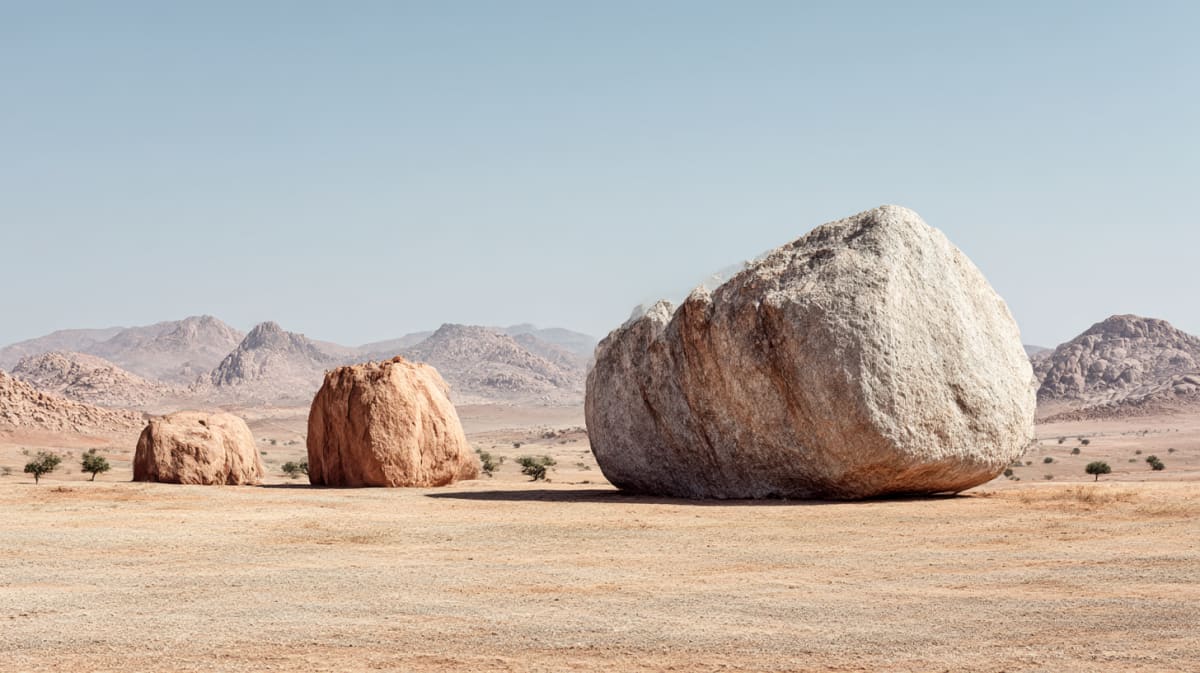
In 1984, Belgian artist Jean Vérame painted 18 tonnes of enormous granite boulders in the desert outside Tafraout in vivid blues, purples, and reds. The colours have faded but the rocks are still painted, still strange, and still entirely out of place in the Anti-Atlas landscape. The project was either a remarkable piece of land art or an act of vandalism, depending on who you ask.

Agadir Ida Ou Gnidif Fortress

Architecture

Agadir Ida Ou Gnidif Fortress

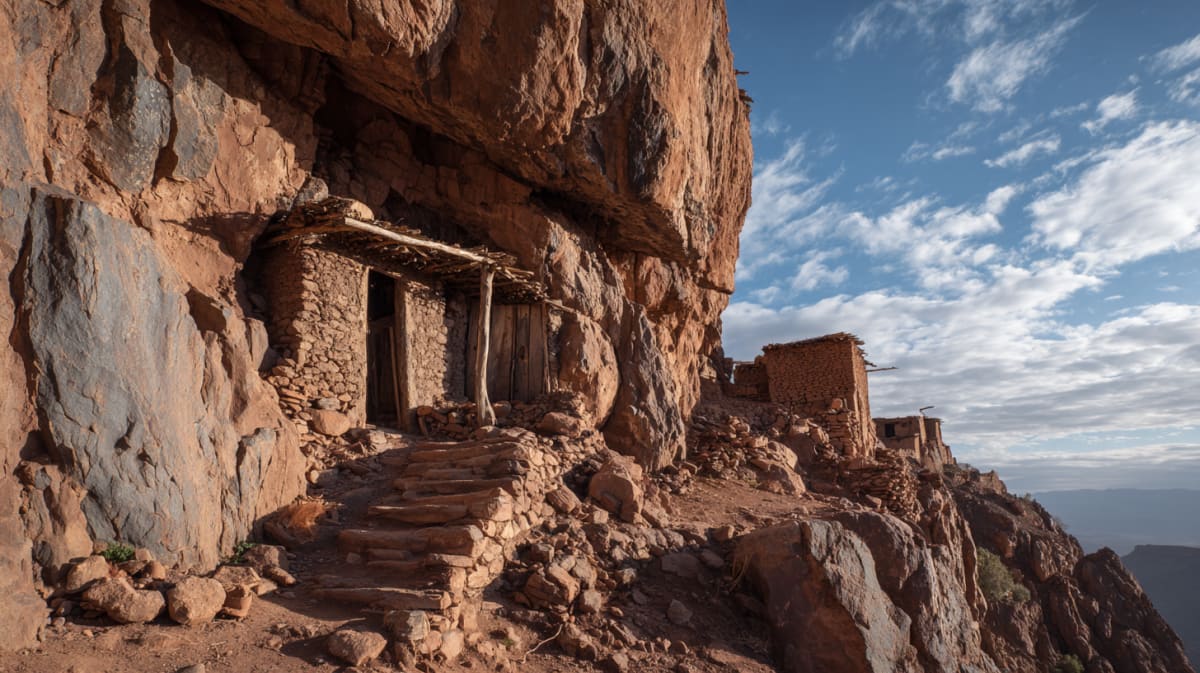
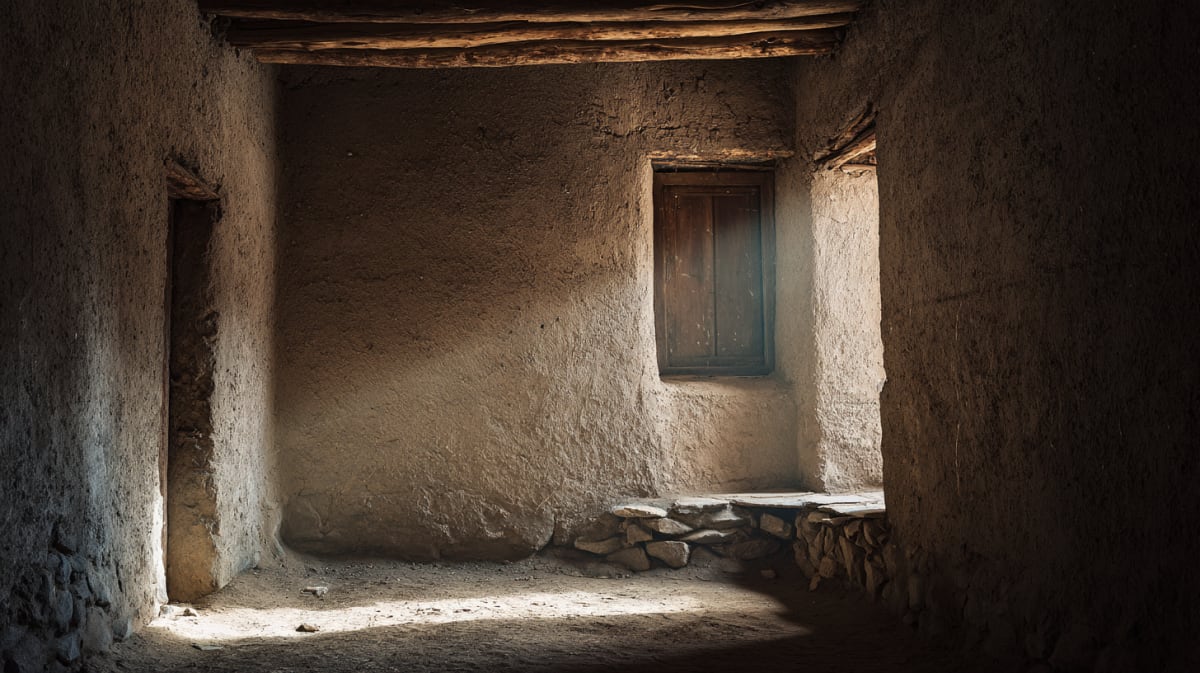
The ancient agadir — a collective grain store — of the Ida Ou Gnidif tribe in the Ameln Valley above Tafraout. The agadir is the architectural form specific to the Anti-Atlas: a fortified communal granary where each family kept their season's reserves, governed by a committee and defended collectively. This one is still partially used. The carved cedar lock mechanisms are original.

Stories

Journeys in Mountains

Private journeys

Ready to go?

Every journey we design is private, built around what you want to see, and shaped by deep experience inside Morocco.

Plan Your Trip

The Letter

Written from the medina. Sent when it matters.