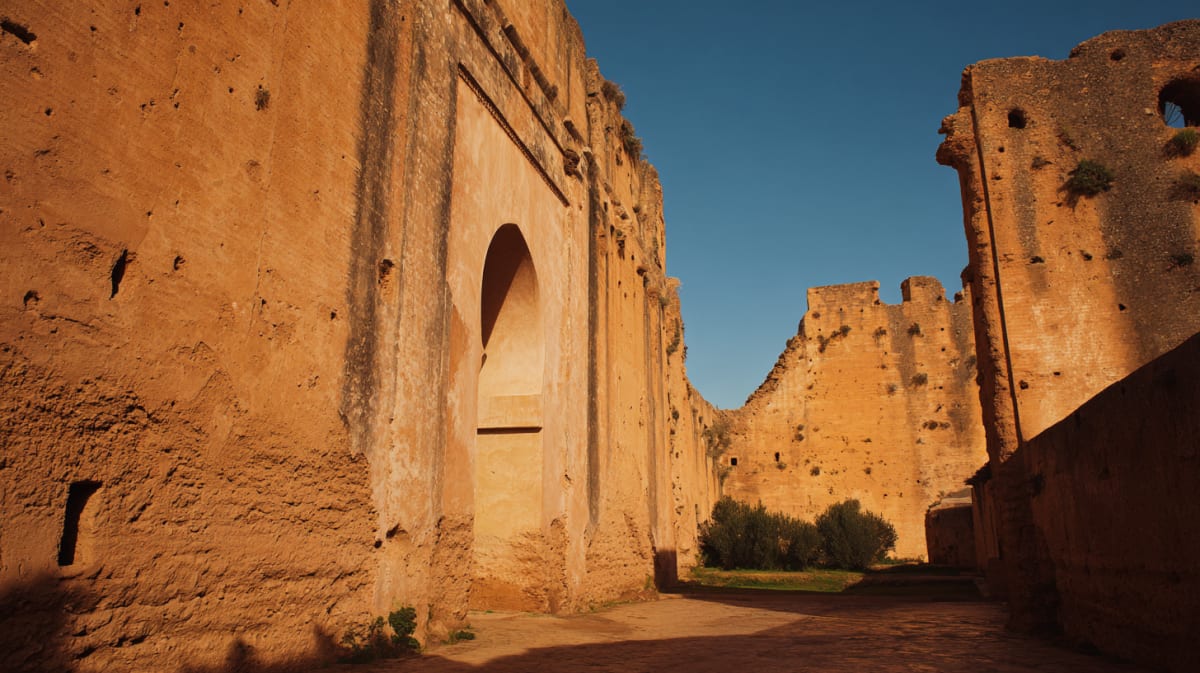
Chellah Necropolis
Hours
Daily 8:30am-6:30pm
Entry
70 MAD
Duration
90 minutes
Location
Southeast of medina
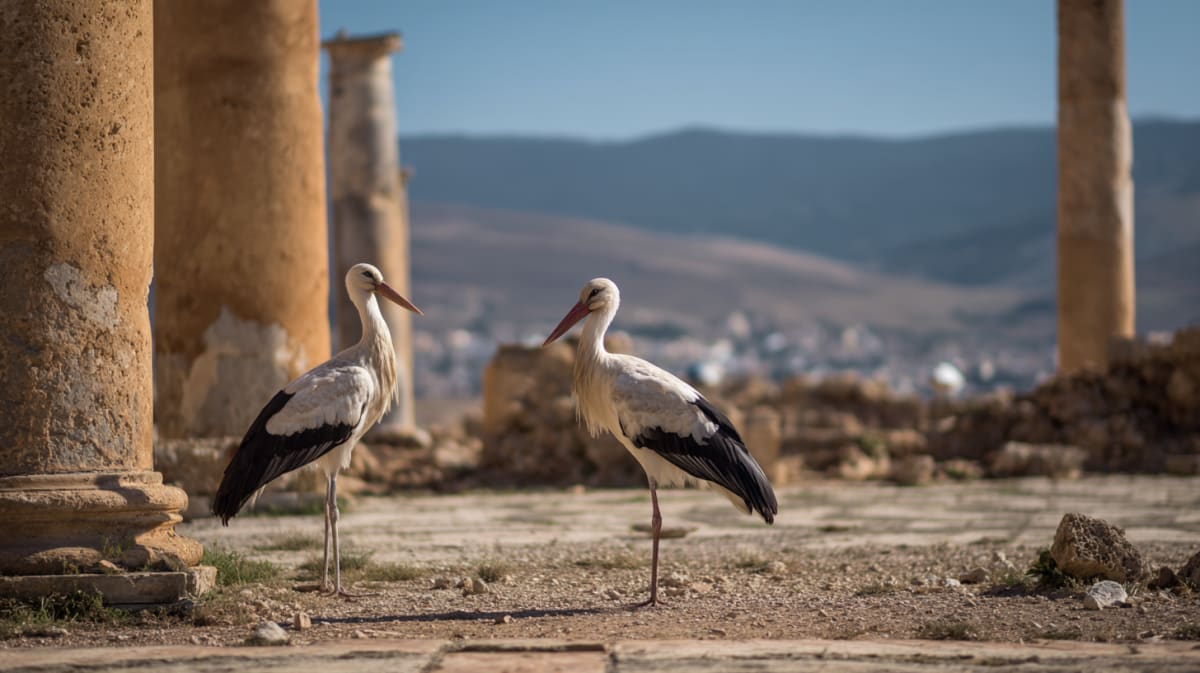
Romans built a city here; Muslims built a necropolis on top. Now nature builds something else — storks nesting on minarets, fig trees cracking walls, spring wildflowers over graves.
01
Where Rome Met the Atlantic
The Chellah was Roman first. Sala Colonia was a trading outpost at the mouth of the Bou Regreg river from the 1st century CE. When Rome withdrew, the site was abandoned for a thousand years until the Marinid sultan Abu al-Hassan built a royal necropolis here in the 14th century — mosques, mausoleums, and gardens planted on top of the Roman ruins.
The 1755 Lisbon earthquake damaged both layers. Nature took the rest. Today the Chellah is a ruin inside a ruin — Roman columns wrapped in fig roots, Marinid arches colonised by storks, a sacred pool where eels are fed by visitors seeking fertility blessings.
02
The Layers
Roman paving stones under Marinid archways. A forum reduced to foundations alongside a 14th-century minaret half-standing. The storks nest on the minaret summit every spring — hundreds of them, clattering their beaks. The sacred eel pool sits in what was a Roman bath. The garden grows wild in a way that feels intentional but is simply neglect turned beautiful.
03
Visiting
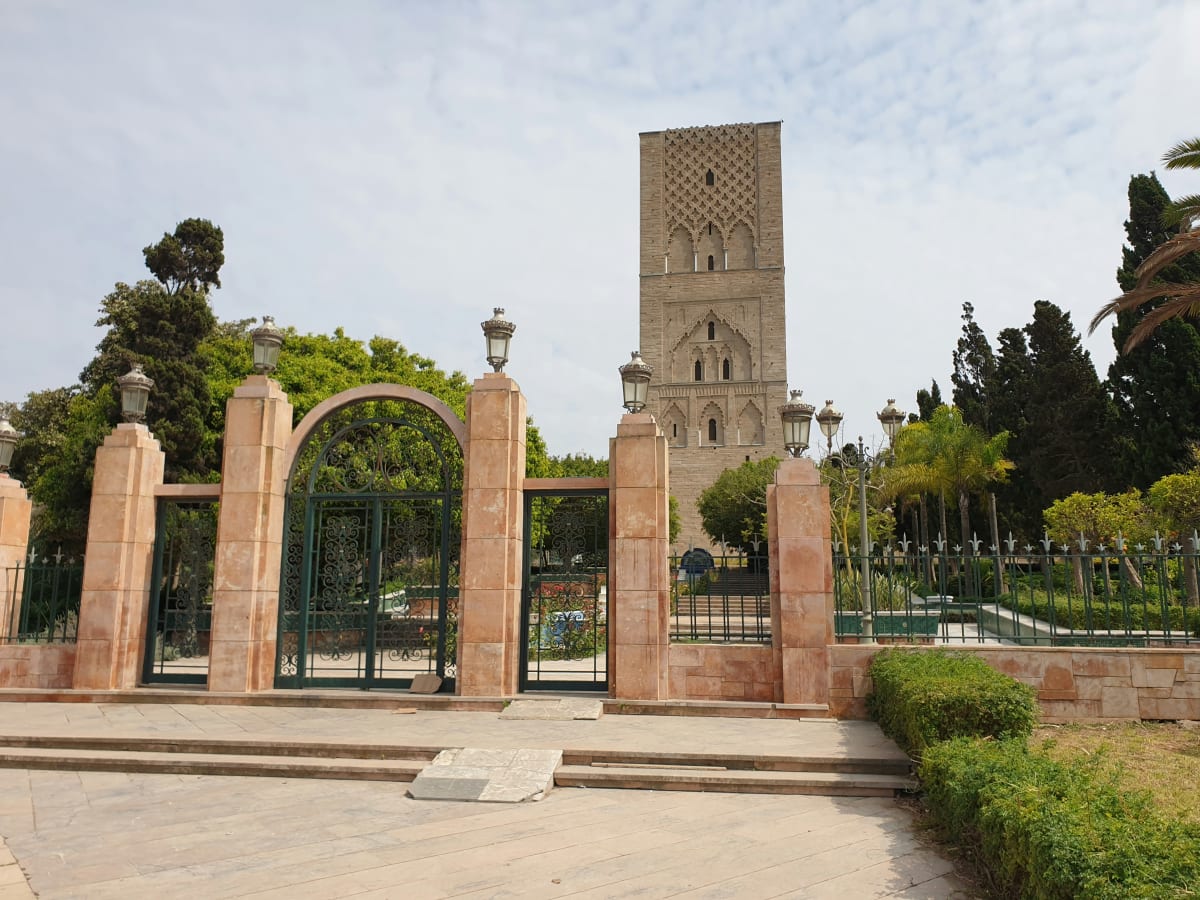
A 15-minute walk south from the Hassan Tower. The walls are dramatic from outside — high, crenellated, golden stone. Inside, paths wind through overgrown gardens past the Roman and Marinid remains. Allow 45 minutes. The storks are most active in spring. The eels are year-round.
Best Time to Visit
Spring for the storks nesting on the minaret. Late afternoon for golden light on the walls.
Getting There
A 15-minute walk south from the Hassan Tower along the river road. Well signposted.
Local Tip
Storks nest on the minaret in spring
Common Questions
Both. Roman Sala Colonia (1st century CE) underneath Marinid royal necropolis (14th century). The two layers coexist in ruin.
A sacred pool — originally a Roman bath — where visitors feed eels as a fertility blessing. The tradition predates Islam at the site.
Walking Distance
Nearby
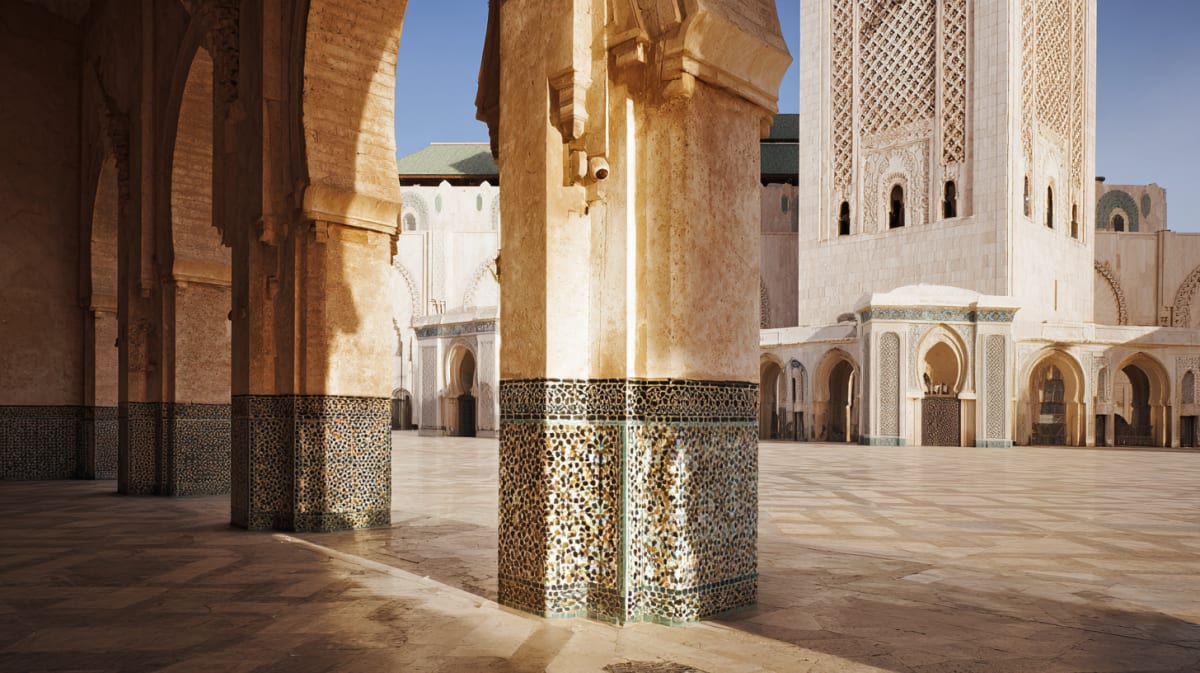

The Chellah is Roman ruins inside a medieval garden. We go in the late afternoon when the storks are settling on the minaret and the cats own the place.
Plan a private journey →Explore More
Related Stories
Discover the history and culture of Rabat
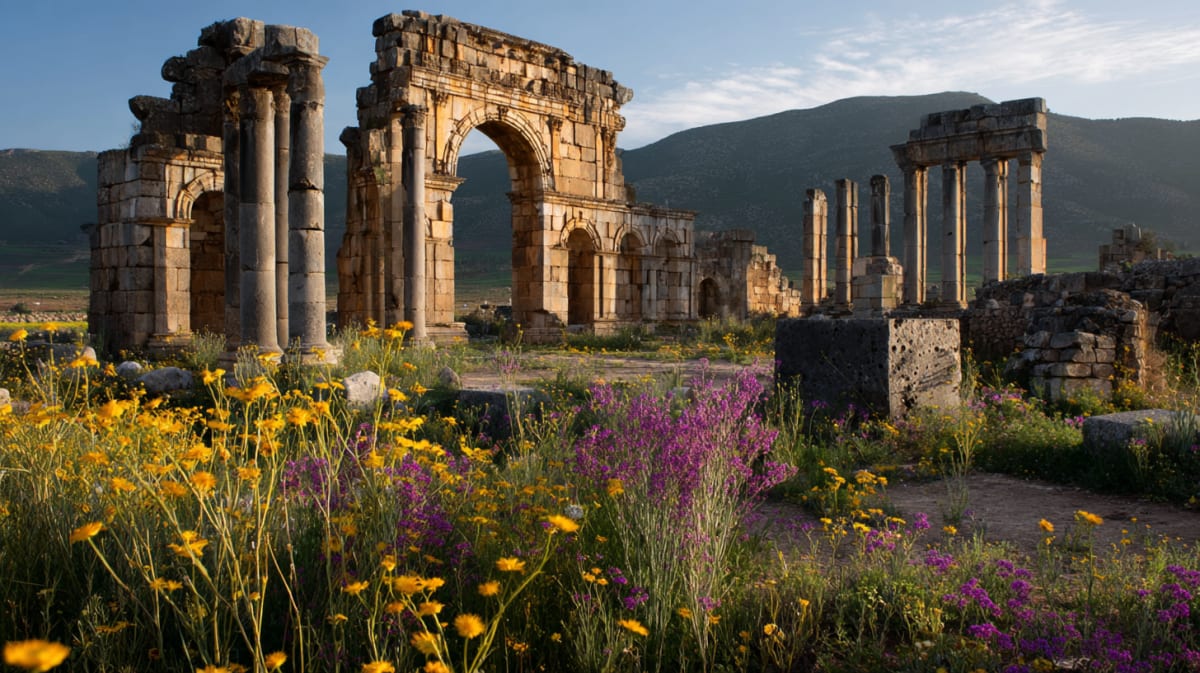

Explore More
Multi-day journeys featuring this place
Curated routes that pass through Rabat

5 Days
Contemporary Art Morocco
MACMA, whitewashed galleries, and the young Moroccan artists rewriting their country's visual language — while nobody outside is paying attention yet.

5 Days
Morocco Wine Trail
Meknes vineyards to Essaouira oysters — Morocco's terroir hiding in plain sight.
6 Days
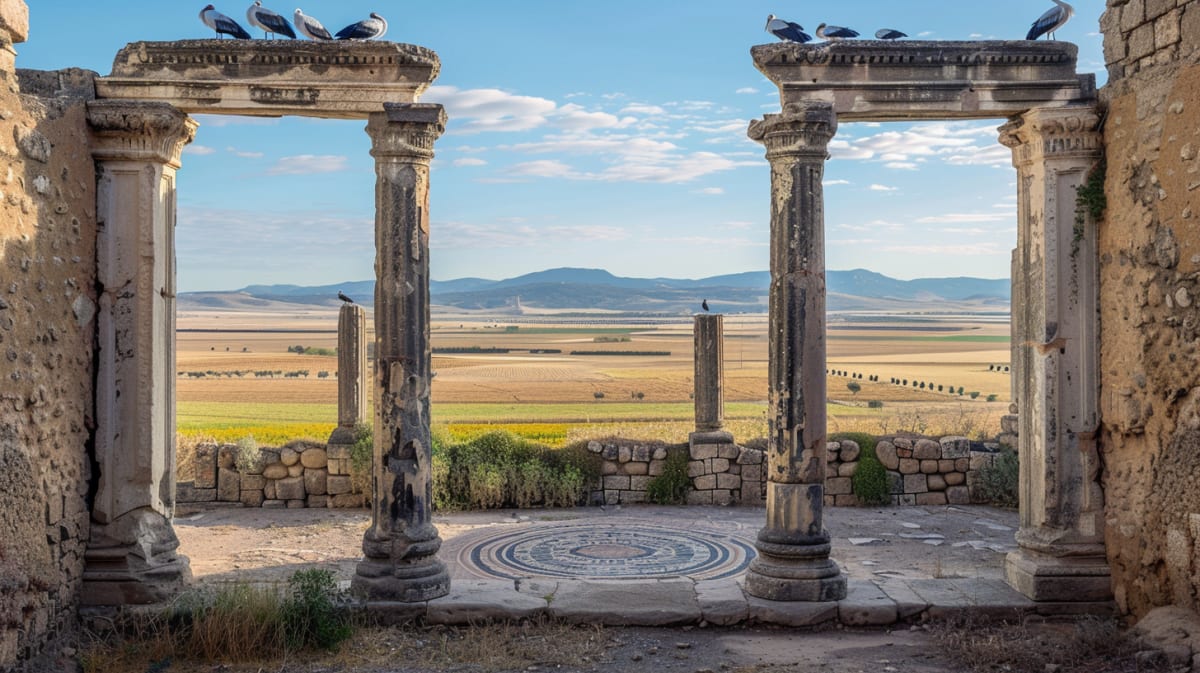
Roman Morocco
Volubilis, Chellah, Lixus — following Rome's African frontier through ruins most visitors never find.
Sources: UNESCO Chellah nomination file;;Basset H. & Terrasse H. (1932) Sanctuaires et forteresses almohades