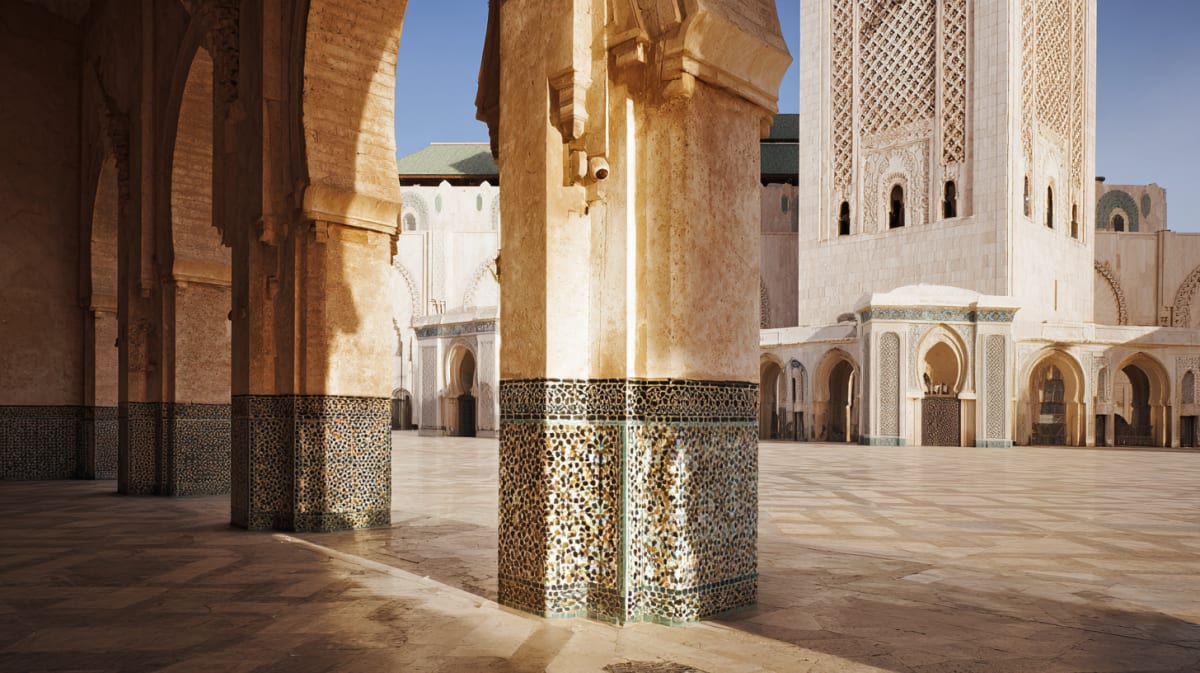
Hassan Tower
Hours
Always open
Entry
Free
Duration
60 minutes
Location
Boulevard Mohamed Lyazidi
An unfinished minaret from an unfinished mosque. The Almohad sultan died before completing what would have been the world's largest mosque; the 1755 earthquake finished the ruin.
01
The Minaret That Waited 800 Years
Sultan Yacoub el-Mansour started building what would have been the largest mosque in the western Islamic world in 1195. He died in 1199 and the project stopped. The minaret reached 44 metres — roughly half its intended height. The 1755 earthquake destroyed the prayer hall. What survives: the minaret and 200 stone columns marking where the roof would have been.
The scale of the ambition is legible in the ruin. The 200 columns spread across an area that would have held 40,000 worshippers. The minaret was designed to be the twin of the Giralda in Seville and the Koutoubia in Marrakech — all three built by the same dynasty, the Almohads.
02
The Tower
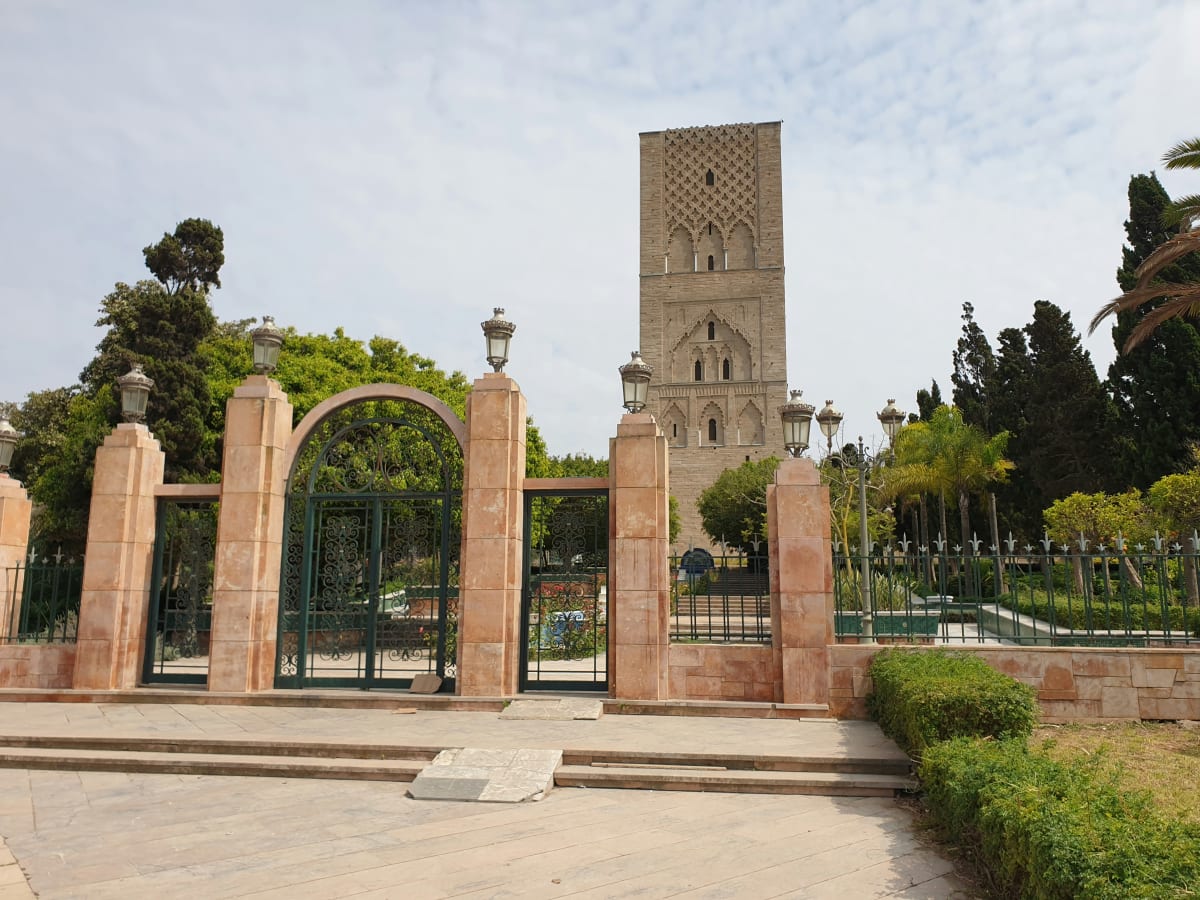
The Hassan Tower is square, stone, decorated with interlacing arch patterns on each face. An internal ramp — not stairs — spirals upward. The ramp was designed so the sultan could ride his horse to the top. The tower stands beside the Mohammed V Mausoleum, which was deliberately placed here to link modern monarchy to medieval ambition.
03
Visiting
Free access to the esplanade. Walk among the columns. The tower is not climbable. The site forms a single complex with the Mohammed V Mausoleum — visit both together. The esplanade is a popular evening walk for Rabatis.
Best Time to Visit
Late afternoon. The stone columns cast long shadows and the tower goes golden.
Getting There
On the bank of the Bou Regreg river in central Rabat. The tower is visible from much of the city.
Local Tip
Combine with Mausoleum of Mohammed V next door
Common Questions
No. The interior is closed to visitors.
The sultan who commissioned it — Yacoub el-Mansour — died in 1199, four years after construction began. No successor continued the project.
Walking Distance
Nearby

The Hassan Tower is an unfinished minaret from 1199. We pair it with the mausoleum next door — the eight centuries between them are visible in a single glance.
Plan a private journey →Explore More
Related Stories
Discover the history and culture of Rabat


Explore More
Multi-day journeys featuring this place
Curated routes that pass through Rabat

5 Days
Contemporary Art Morocco
MACMA, whitewashed galleries, and the young Moroccan artists rewriting their country's visual language — while nobody outside is paying attention yet.

5 Days
Morocco Wine Trail
Meknes vineyards to Essaouira oysters — Morocco's terroir hiding in plain sight.
6 Days
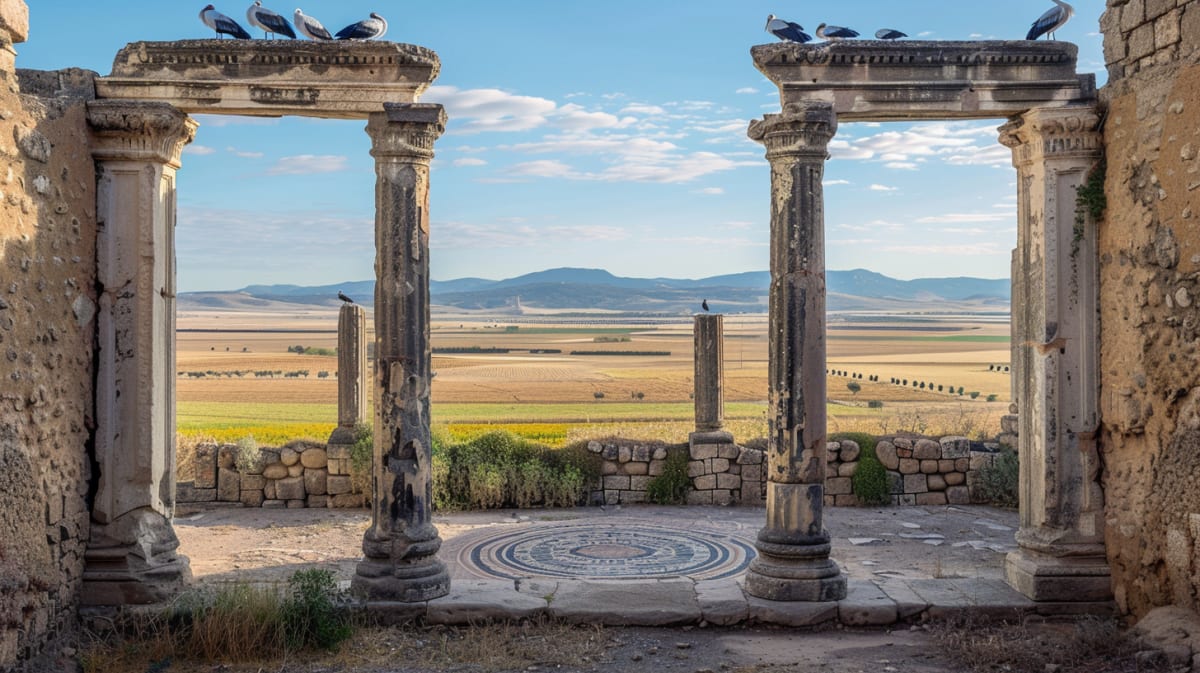
Roman Morocco
Volubilis, Chellah, Lixus — following Rome's African frontier through ruins most visitors never find.
Sources: UNESCO Rabat nomination file (2012);;Basset H. & Terrasse H. (1932) Sanctuaires et forteresses almohades