fes
Marinid Tombs, Fes
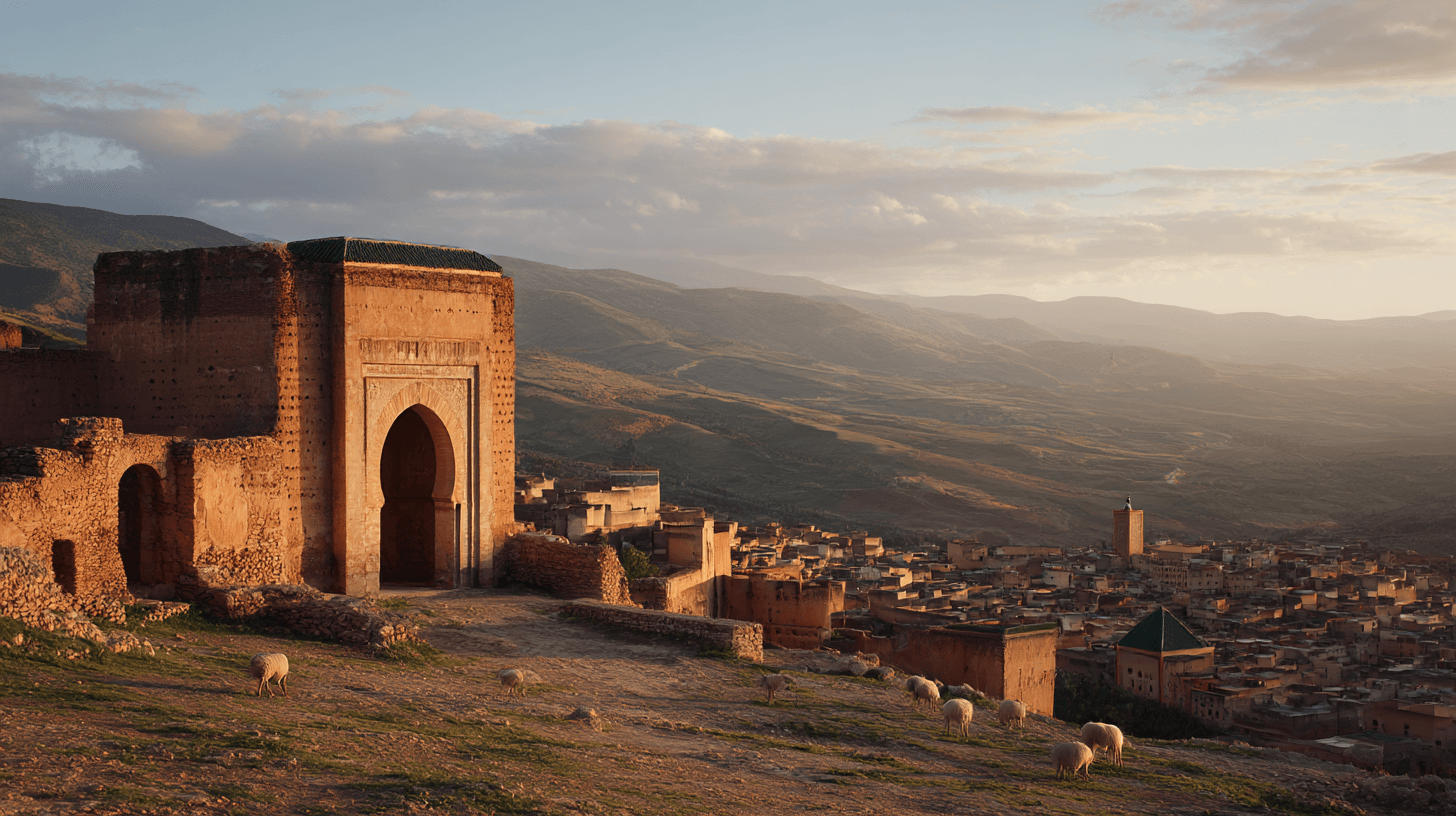
The ruined horseshoe arches of the Marinid Tombs silhouetted against sunset, with the Fes medina spread below
A royal necropolis where nobody knows who is buried. The best view in Fes.
Nobody knows who is buried in the Marinid Tombs. That is the first thing to understand. The second is that nobody comes here for the tombs.
The hill north of Fes el-Bali — known as al-Qula, or simply the Hill of the Marinids — has watched over the medina since before the Marinids arrived. Some sources trace structures here to the Almohad caliph Muhammad al-Nasir in the early 13th century. Others date the palace complex to after 1287, when the Marinids were consolidating their new capital. What is certain is that by the 14th century, the hilltop held a palace, a mosque with a mihrab, a hammam, and a growing necropolis where members of the royal family were interred between 1361 and 1465.
The chronicler Leo Africanus, writing in the 16th century, described the palace as impressive. By his time, the tombs were already falling apart. Today, what remains are the ruins of two tall rectangular mausoleums with large horseshoe-arch entrances, fragments of stucco decoration on interior walls, and the traces of enclosure walls that once defined a formal necropolis. The layout of the main mausoleum — a square enclosure with a rectangular forecourt on its east side — parallels the Rawda mausoleum in the Alhambra in Granada and the Marinid-built complex of Sidi Abu Madyan in Tlemcen, Algeria. These were Marinid rulers who thought in terms of empire, not just city.
Two tombstones were found near the site in the 20th century. One belonged to a princess named Zineb, who died in 1335. The other to a high official called Abu Ali al-Nasir, who died at the beginning of the same century. Both stelae are now in the Dar Batha Museum in the medina below. No thorough archaeological excavation has ever been carried out here. In August 2024, ADER-Fes announced plans for a major restoration project, but as of now the site remains unexcavated and unrestored.
The Bab Guissa Cemetery sprawls across the hillside below the tombs, its whitewashed graves facing Mecca, its paths winding between headstones that range from centuries old to freshly placed. Walking through it on the way up is quieter and more atmospheric than the road route — and it is the path the locals take, visible from medina rooftops every evening as silhouettes climbing the hill against the fading light.
At the top, the city opens. The entire medina of Fes el-Bali — 9,000 alleys, 300 mosques, 11,000 historic buildings — lies below in a bowl of terracotta rooftops punctuated by green-tiled minarets. The Qarawiyyin's green pyramid roof is visible. The Bou Inania minaret. The white smudge of the Mellah. On clear days, the Middle Atlas mountains line the horizon. At sunset, the golden light turns the medina amber, and the first call to prayer rises from the nearest minaret, then cascades across the city as mosque after mosque picks up the signal — a sound that rolls across the rooftops like a wave arriving from different distances at different speeds.
Sheep graze between the tombs. There are no ropes, no ticket booths, no audio guides. The horseshoe arches frame the sky. The ruins of a dynasty that built the greatest madrasas in Morocco are crumbling on the hill above the city those madrasas still serve.
Come for the view. Stay for the silence between the prayer calls.
Visitor Information
Address
Al-Qula hill, north of Fes el-Bali. Access via Bab Guissa or taxi to Hôtel Les Mérinides.
Hours
Always open — best at sunset
Entry Fee
Free
Tips
The view is the reason to come. The ruins are skeletal but atmospheric. No signage, no facilities, no shade, no water — bring your own. Petit taxi from Bab Guissa costs 10–15 MAD; ask the driver to wait (pay extra). Walking from Bou Inania takes about 30 minutes uphill. Go with company — solo visits after dark are not recommended. The Bab Guissa Cemetery on the hillside is worth walking through on the way up.
Explore More
Related Stories
Discover the history and culture of Fes


Explore More
Related Journeys
Curated routes that pass through Fes
3 Days
Volubilis & the Holy City
3 Days
Fes City Break
3 Days
Fes, Meknes & Wine Country
4 Days
Middle Atlas Cedar Forests
4 Days
Fes to Marrakech
4 Days
Marrakech to Fes
5 Days
Middle Atlas Discovery

5 Days
Morocco Wine Trail
6 Days
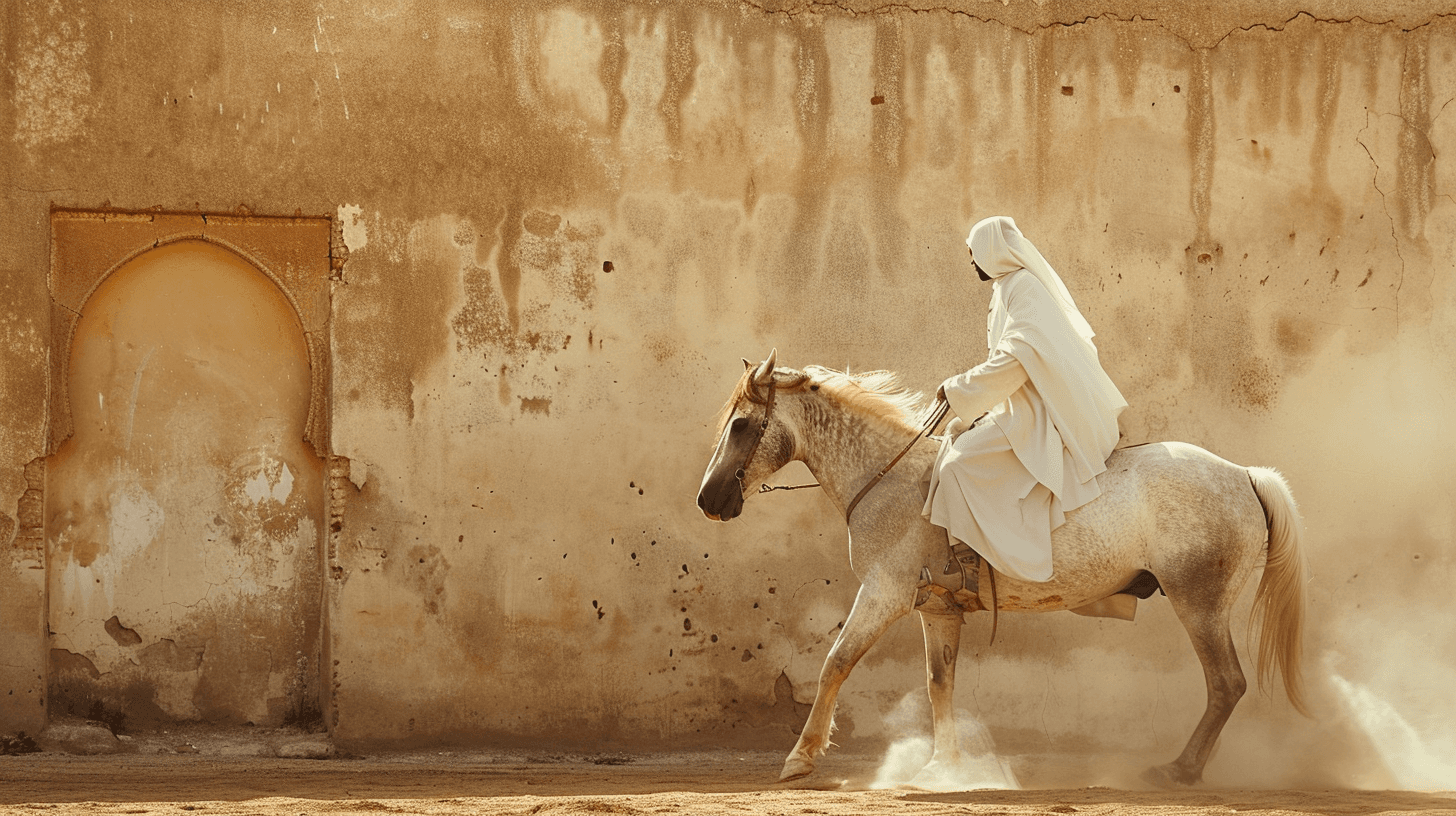
Delacroix Trail
6 Days
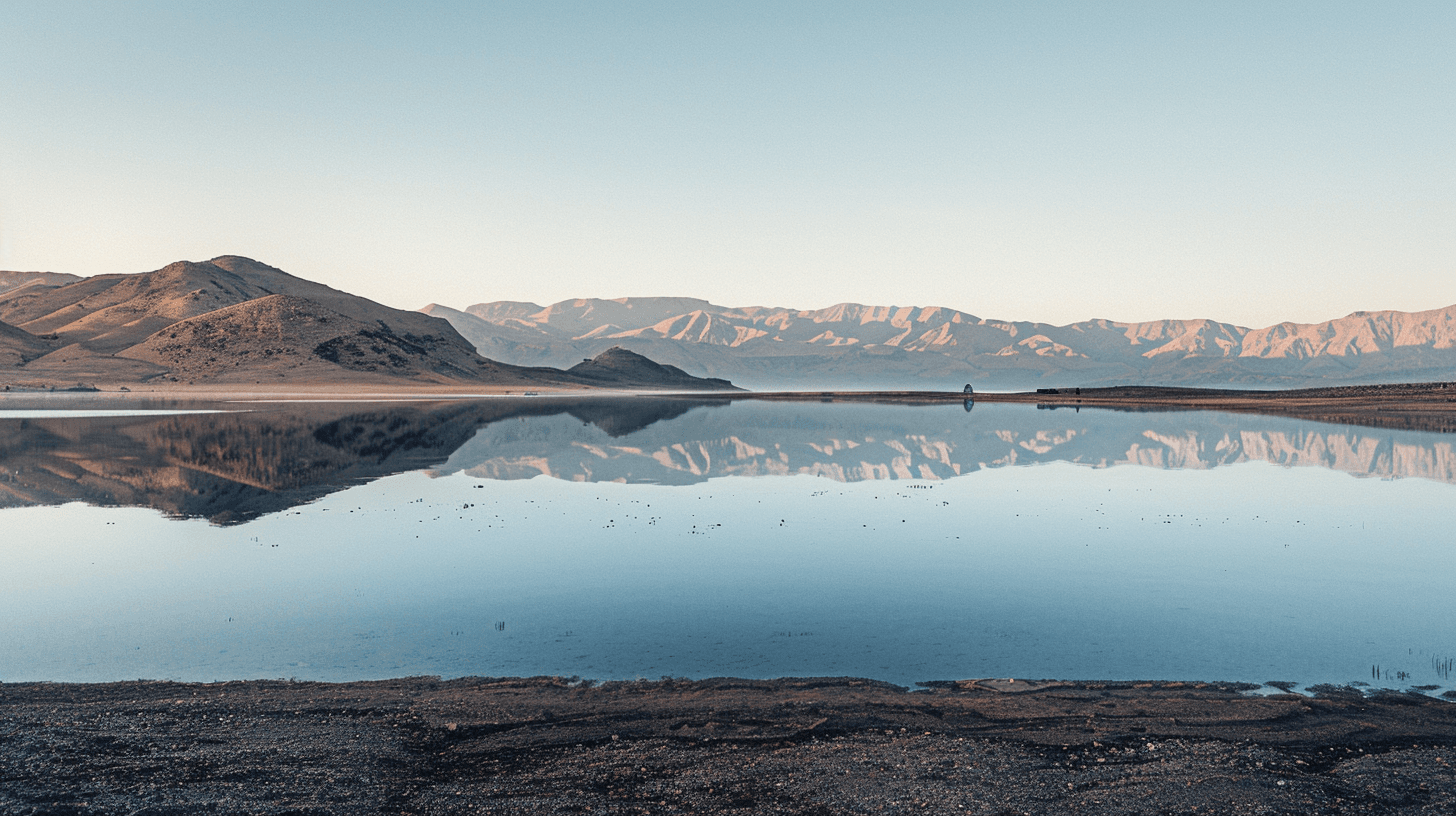
Lakes of Imilchil
6 Days
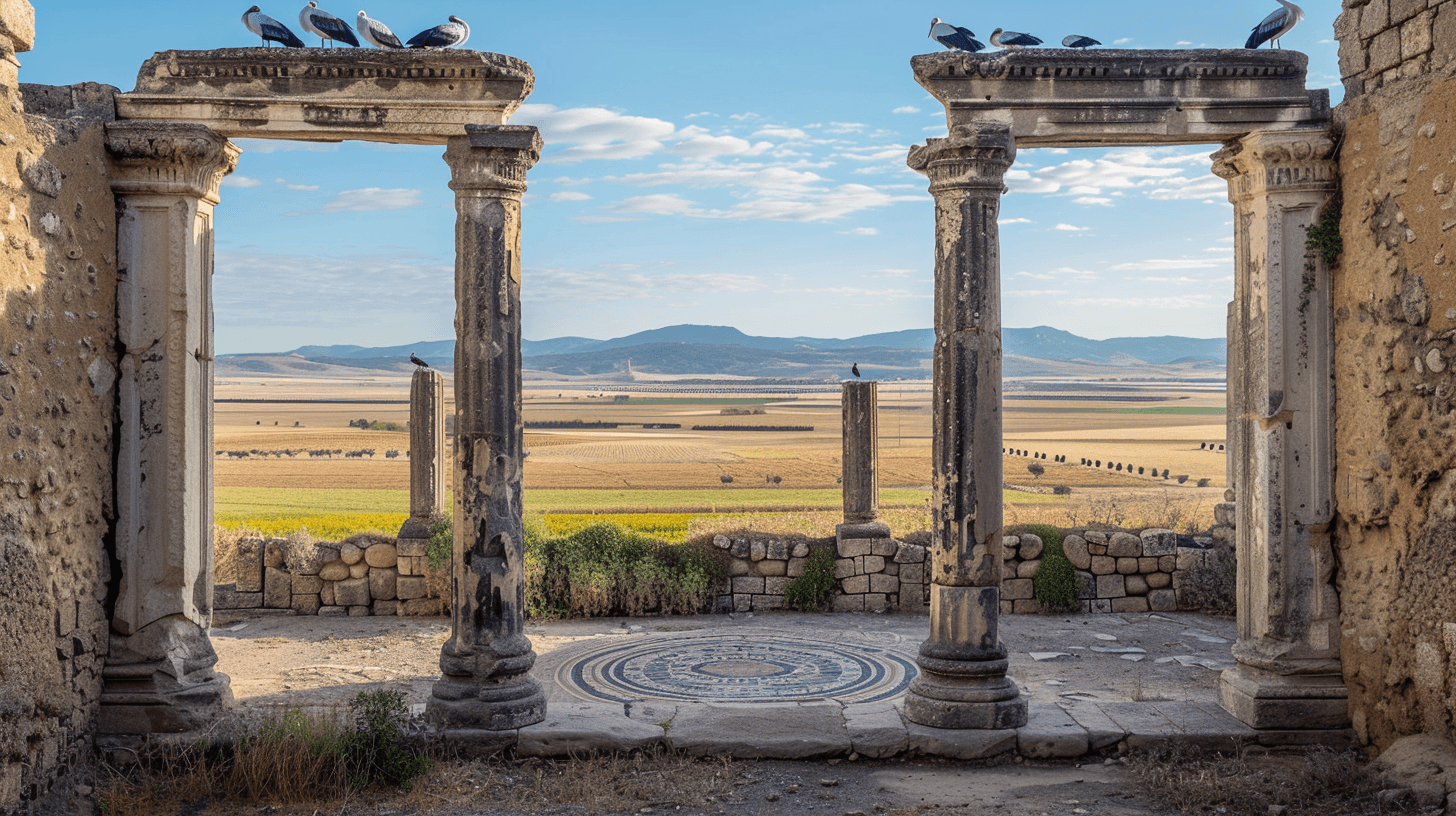
Roman Morocco

7 Days
Morocco Solo Journey

7 Days
Morocco Luxury Escape
7 Days
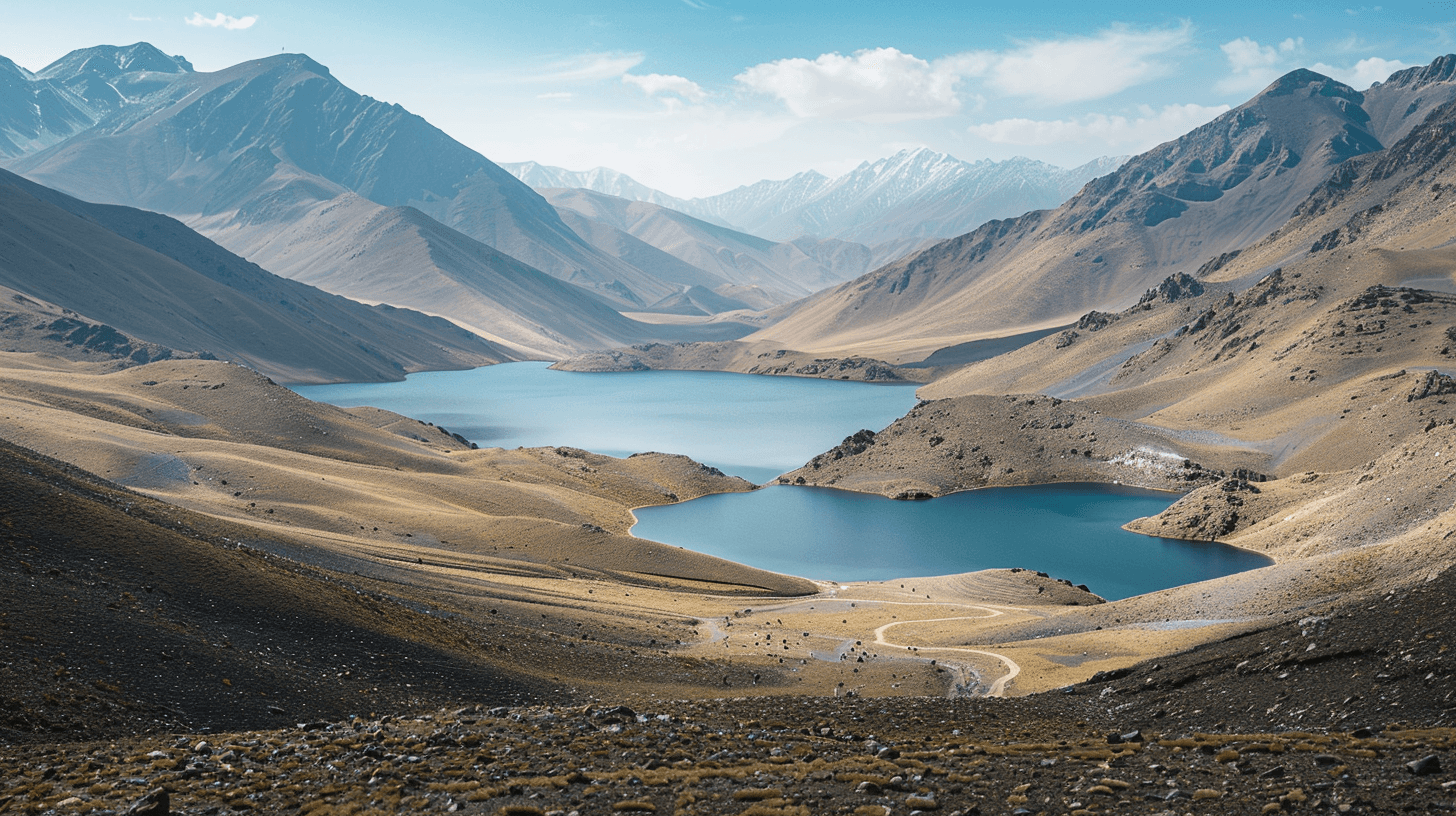
Imilchil & the High Atlas
7 Days
Tangier to Marrakech
7 Days
Gorges to Desert Trek

7 Days
Morocco Arts & Crafts
7 Days
One Week in Morocco

8 Days
Morocco Culinary Journey
8 Days
Morocco Through Painters' Eyes
8 Days
8-Day Imperial Cities
8 Days
Jewish Heritage of Morocco
10 Days
Morocco Honeymoon
10 Days
Morocco Relaxed Pace
10 Days
Complete Morocco
10 Days
Morocco Photography Journey
10 Days
Morocco Textile Trail

10 Days
10-Day Flavors of Morocco
10 Days
The Mellah Route
12 Days
12-Day Grand Tour - Eastern Arc
14 Days
Two Weeks in Morocco
14 Days
Morocco Border to Border
14 Days
Morocco Architecture Trail
21 Days
Morocco Grand Tour
Sources: Wikipedia: Marinid Tombs;;Leo Africanus, Description of Africa (16th century);;ADER-Fes restoration announcement (August 2024)