fes
Seffarine Madrasa, Fes
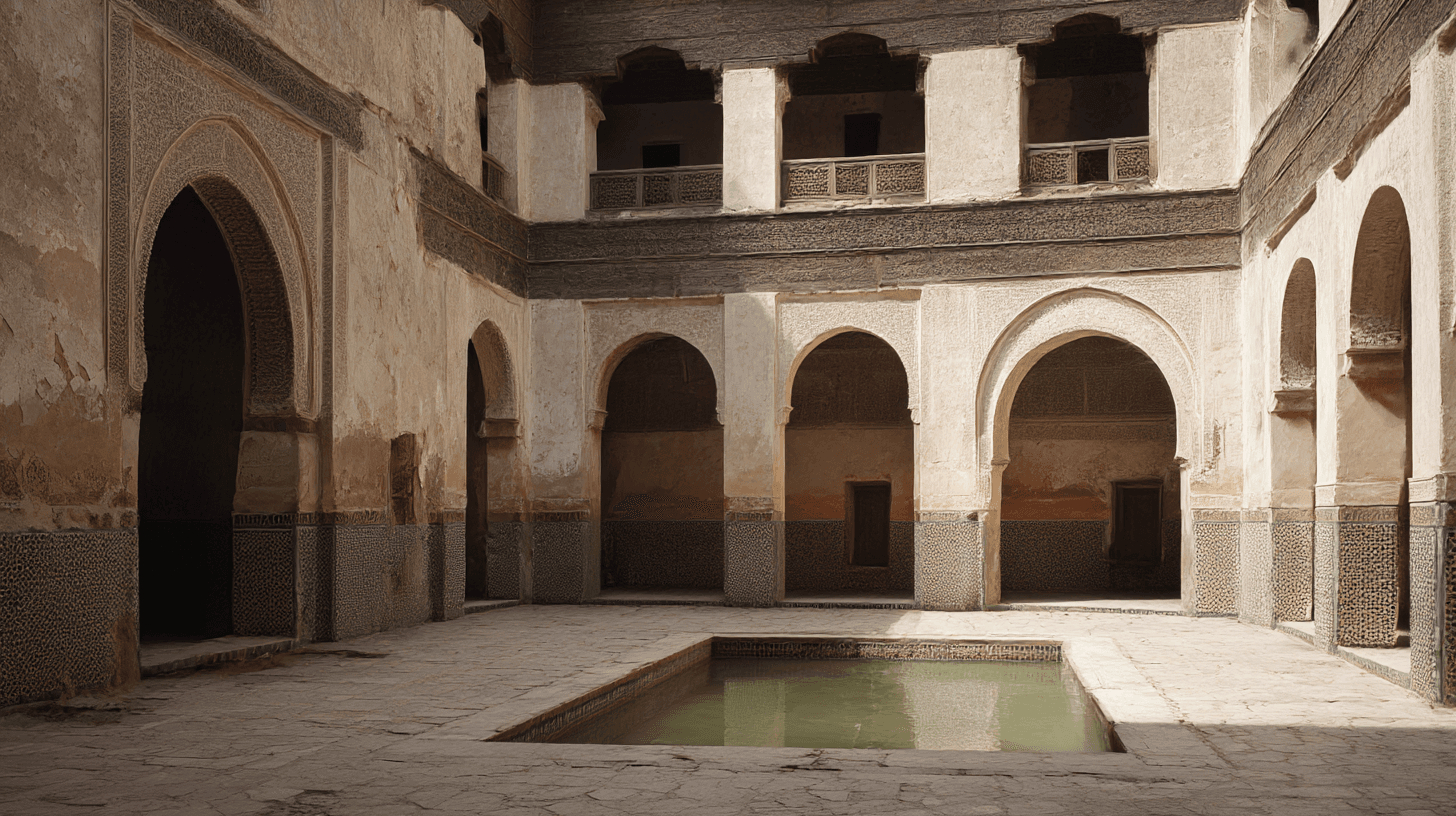
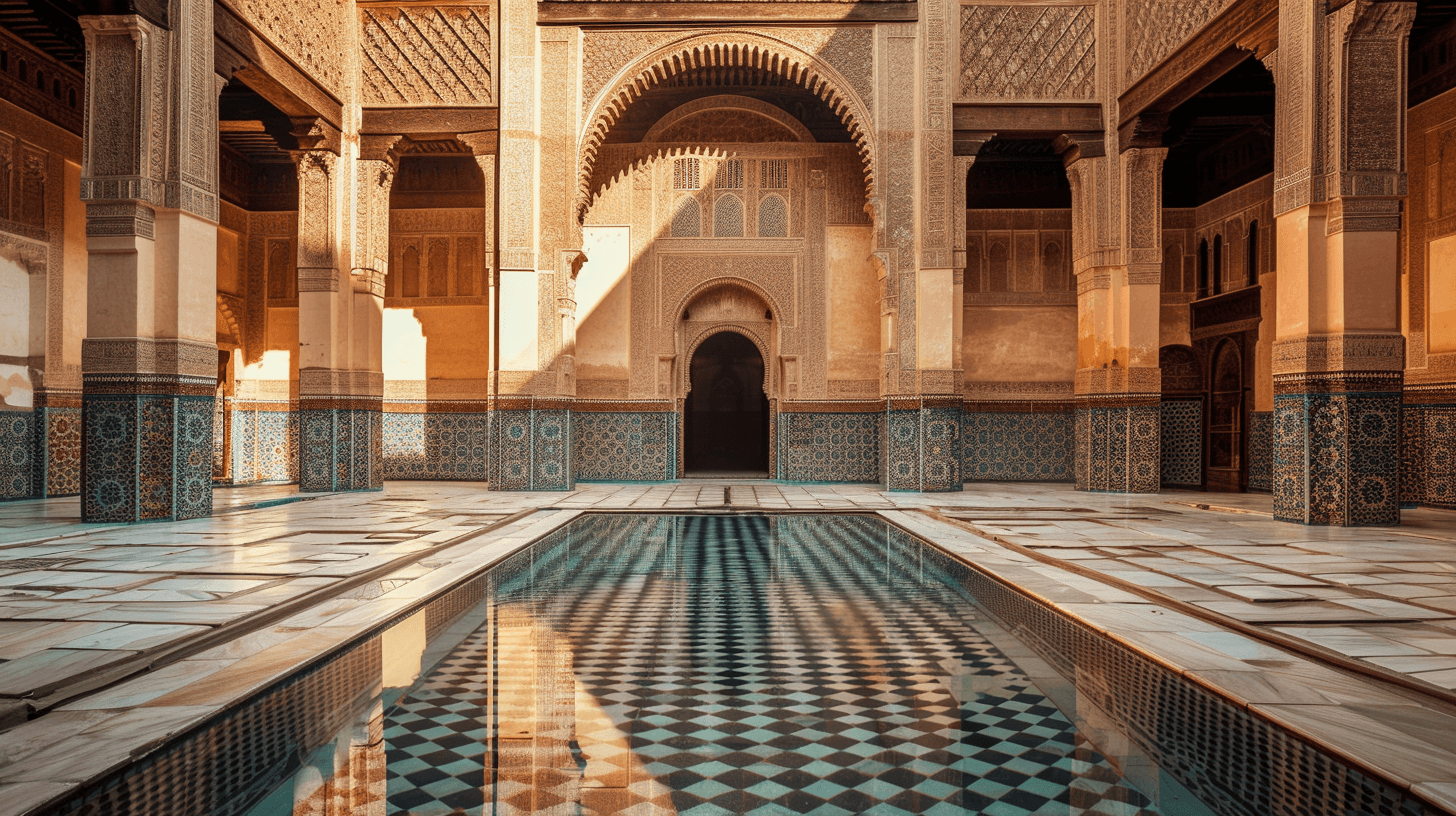
The courtyard of the Seffarine Madrasa, the oldest purpose-built madrasa in Morocco
Morocco's first madrasa. Built in 1271, still housing students 750 years later.
The Seffarine Madrasa does not try to impress you. That is what makes it important.
Built in 1271 by the Marinid sultan Abu Ya'qub Yusuf — the same ruler who created Fes el-Jdid as his new administrative capital — it was the first purpose-built madrasa in Morocco. Before this, Islamic education in Fes happened inside mosques, in private homes, in circles gathered around a single scholar. Abu Ya'qub looked at what the Hafsids had done in Tunis with the Shammiya Madrasa (built 1249) and decided Fes needed something similar: a dedicated building where students could live, study, and pray under one roof.
The result is architecturally modest by the standards of what came after. The Bou Inania, built 80 years later, is a jewel box of zellige and carved stucco. The Al-Attarine is a perfume of cedarwood and onyx. The Seffarine is a prototype — a rectangular courtyard with a large water basin, student cells opening directly onto the ground floor, a prayer hall whose qibla alignment caused controversy because it differed from the nearby Qarawiyyin Mosque. The Marinid architects were still figuring out the form.
But prototypes matter. Every design choice that defined Moroccan madrasas for the next two centuries — the bent entrance for privacy, the central courtyard with water, the integration of living and learning spaces — was first attempted here. Later madrasas refined the proportions and added symmetry. The Seffarine gave them the template.
The students who lived here came from specific regions: the Zerhoun area near Meknes, the northern Beni Zerwal, and the southern Sous. Each Fes madrasa developed a regional identity, housing students from particular parts of Morocco — an informal geographic network that connected the country's scholars to its spiritual capital. By the 18th century, demand for places had grown so much that the Mohammadia Madrasa was built next door as an annex, adding 752 square metres of additional student housing.
The madrasa underwent major restoration completed in 2016-2017, funded by King Mohammed VI at a cost of 8 million dirhams. Today it still serves its original purpose: housing students of al-Qarawiyyin University, the institution it was built to serve 750 years ago. You can sometimes enter when the door is open, but this is not a museum — it is a living school.
Stand on Place Seffarine outside and listen. The hammering of the coppersmiths has been the soundtrack to student life here since the 13th century. The same sounds, the same square, the same function. That continuity is the decoration the Seffarine Madrasa offers.
Visitor Information
Address
Place Seffarine, adjacent to Al-Qarawiyyin, Fes el-Bali
Hours
Irregular — sometimes open to visitors during restoration periods. Ask at the entrance.
Entry Fee
Free (when accessible)
Tips
The oldest purpose-built madrasa in Morocco. Still houses students of Al-Qarawiyyin University. Much less decorated than Bou Inania or Al-Attarine — its value is historical, not decorative. Combine with Place Seffarine and the Qarawiyyin Library.
Explore More
Related Stories
Discover the history and culture of Fes
Explore More
Related Journeys
Curated routes that pass through Fes
3 Days
Volubilis & the Holy City
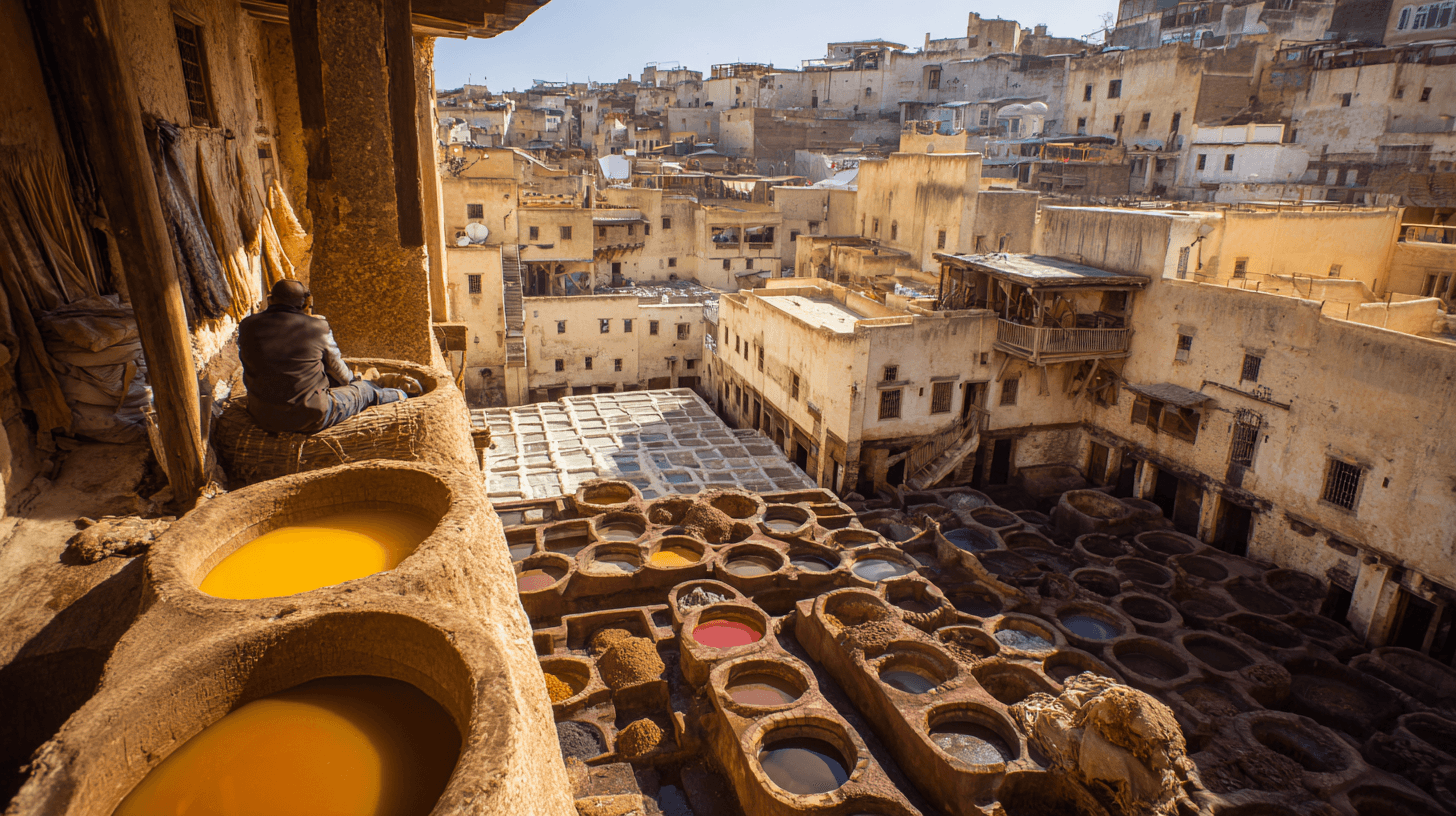
3 Days
Fes City Break
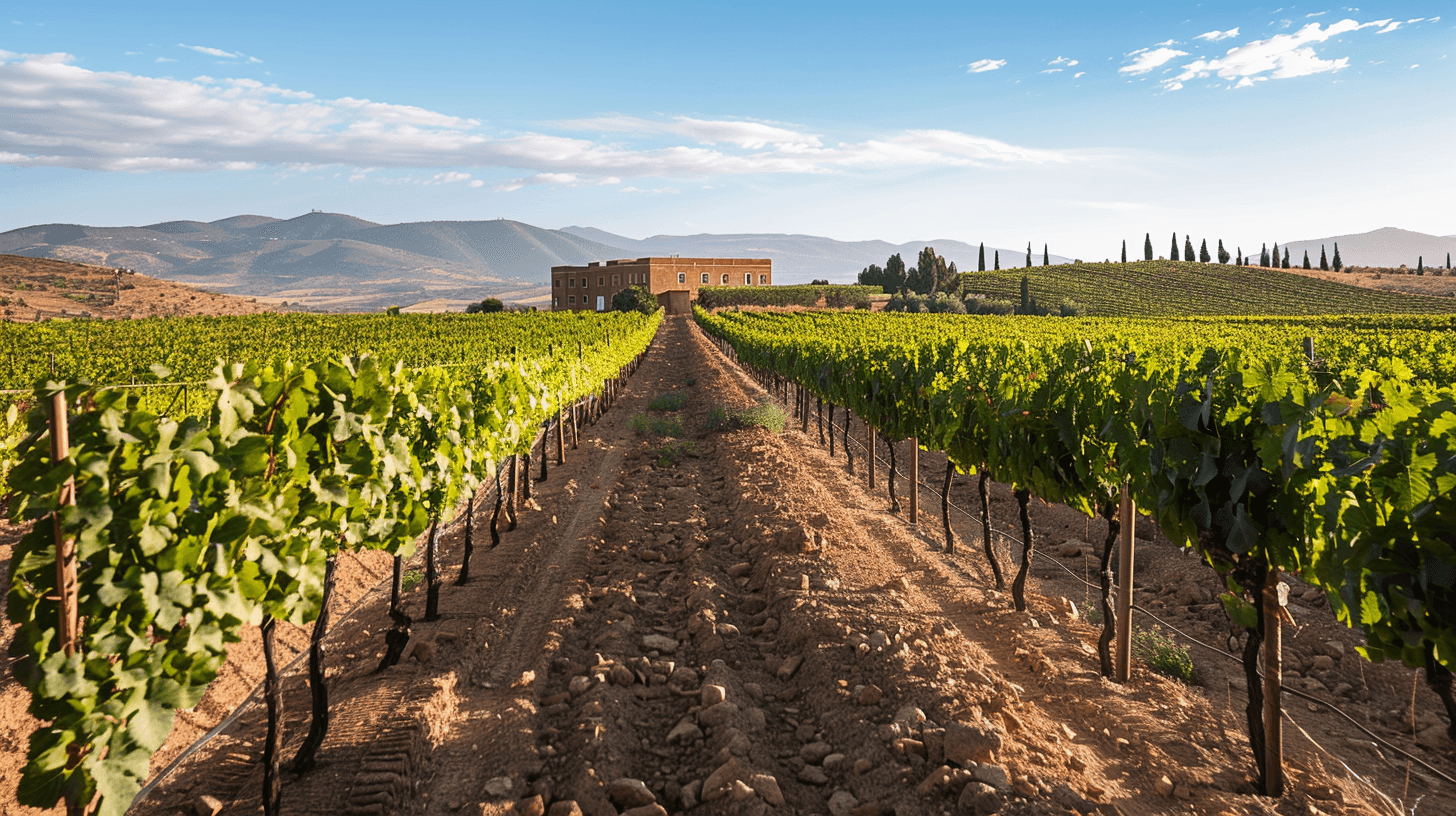
3 Days
Fes, Meknes & Wine Country
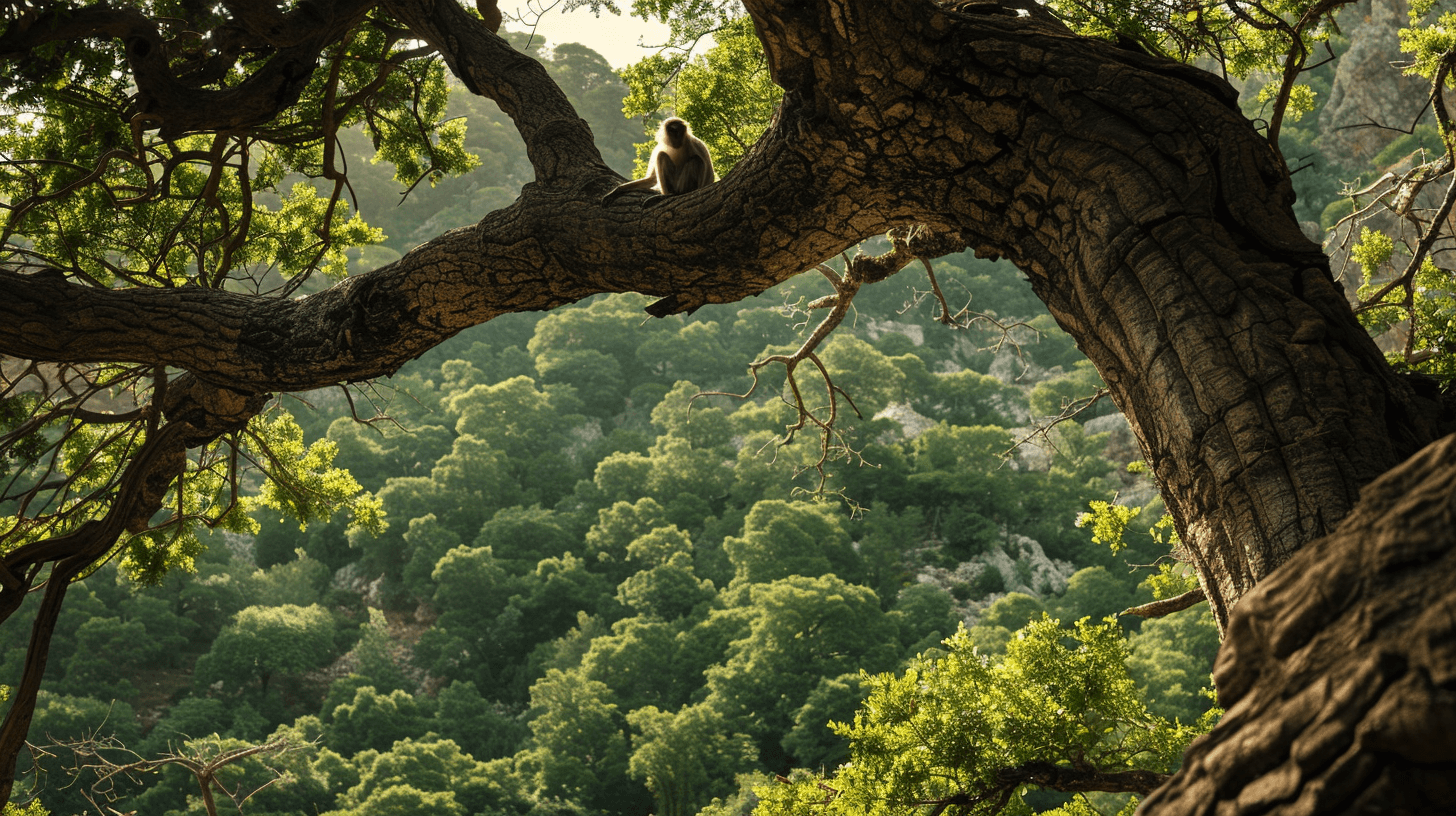
4 Days
Middle Atlas Cedar Forests
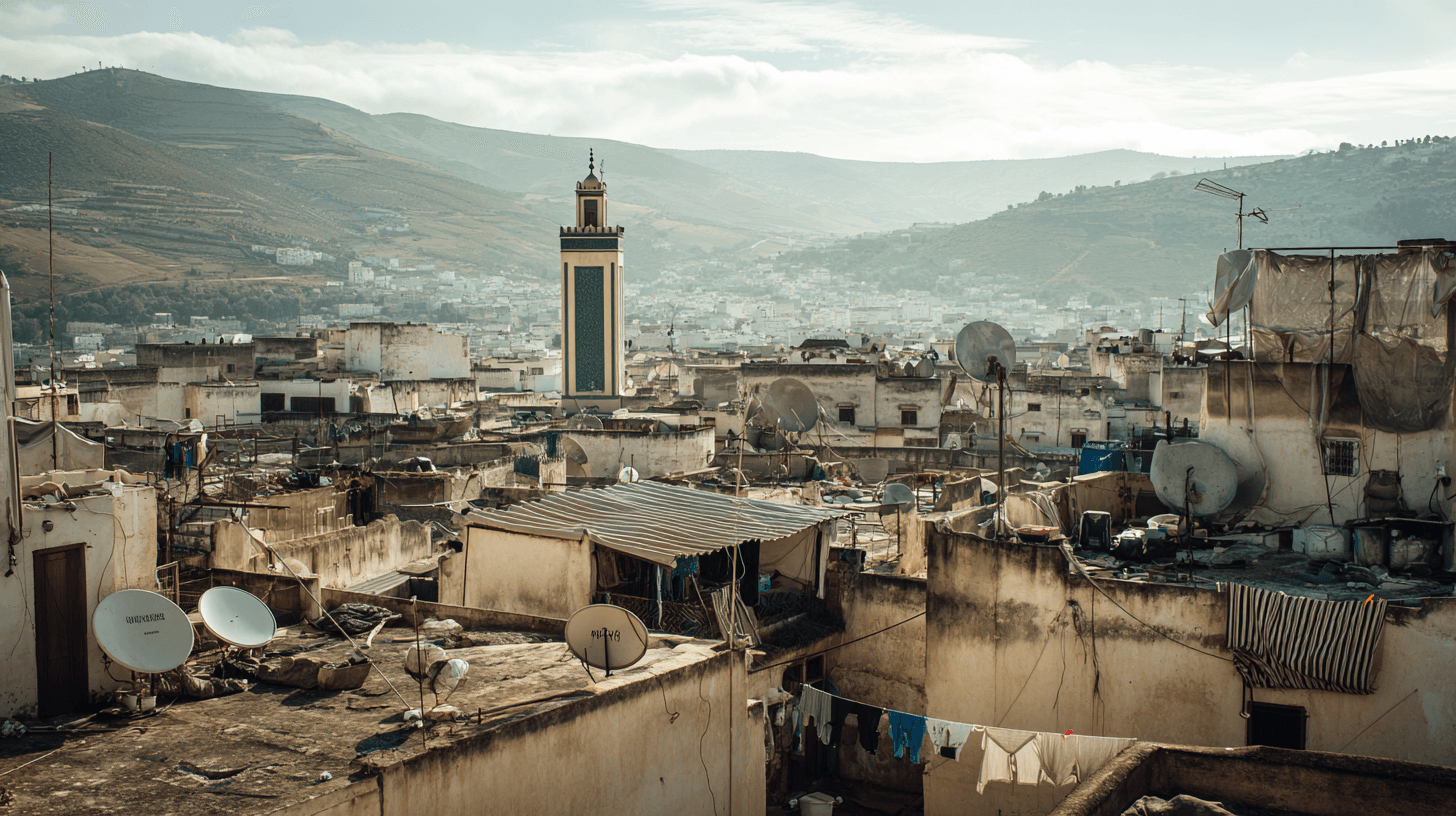
4 Days
Fes to Marrakech
4 Days
Marrakech to Fes
5 Days
Middle Atlas Discovery

5 Days
Morocco Wine Trail
6 Days
Delacroix Trail
6 Days
Lakes of Imilchil
6 Days
Roman Morocco
7 Days
Morocco Solo Journey
7 Days
Morocco Luxury Escape
7 Days
Imilchil & the High Atlas
7 Days
Tangier to Marrakech
7 Days
Gorges to Desert Trek
7 Days
Morocco Arts & Crafts
7 Days
One Week in Morocco
8 Days
Morocco Culinary Journey
8 Days
Morocco Through Painters' Eyes
8 Days
8-Day Imperial Cities
8 Days
Jewish Heritage of Morocco
10 Days
Morocco Honeymoon
10 Days
Morocco Relaxed Pace
10 Days
Complete Morocco
10 Days
Morocco Photography Journey
10 Days
Morocco Textile Trail
10 Days
10-Day Flavors of Morocco
10 Days
The Mellah Route
12 Days
12-Day Grand Tour - Eastern Arc
14 Days
Two Weeks in Morocco
14 Days
Morocco Border to Border
14 Days
Morocco Architecture Trail
21 Days
Morocco Grand Tour
Sources: Wikipedia: Saffarin Madrasa;;Le Tourneau R. (1949) Fès avant le Protectorat;;UNESCO Fez nomination file (1981);;The Moorish Times: The Madrasa, an Ancestral Architectural Jewel