Mellah of Marrakech
Hours
Always open
Entry
Free
Duration
120 minutes
Location
South of Jemaa el-Fna
The Jewish quarter tells a different Marrakech — balconies permitted here but forbidden elsewhere, streets wider, rhythms quieter. The Miaara cemetery holds tombstones dating back centuries.
01
The Quarter Behind the Palace
The Marrakech mellah was established in 1558, tucked against the eastern wall of the Royal Palace. The location was strategic: proximity to the sultan's palace meant proximity to his protection. This was the bargain everywhere in Morocco — Jewish communities traded autonomy for security, living in designated quarters where the sultan's authority was a wall between them and periodic mob violence.
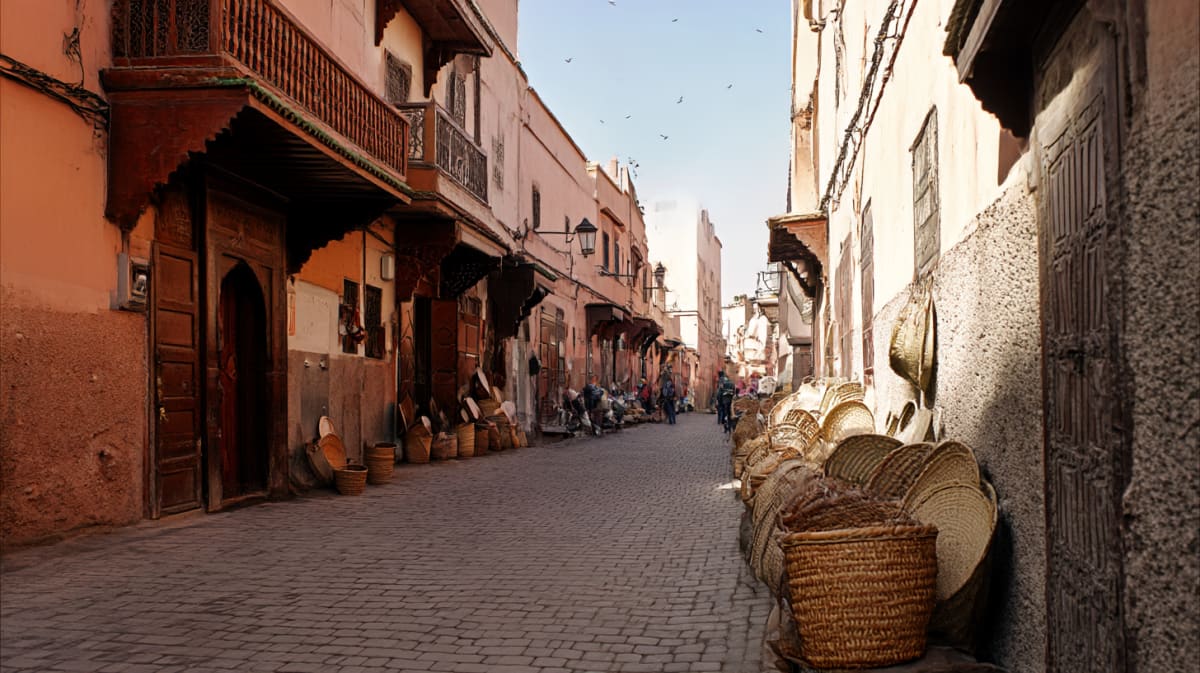
At its peak in the early 20th century, the mellah housed roughly 35,000 people. The density was extraordinary — families stacked into narrow buildings with balconied facades overlooking streets barely wide enough for a donkey. The balconies are the architectural signature. In the medina proper, houses turn inward. In the mellah, houses face outward, with wooden balconies and windows onto the street. Some historians attribute this to European influence; others say it reflects a community that needed to watch the street.
By the 1960s, most Jewish families had left — for Israel, for France, for Canada. The mellah today is almost entirely Muslim-occupied. The balconied buildings remain, increasingly dilapidated. The Lazama Synagogue on Derb Manchoura still functions. The Miaara Jewish cemetery, one of the largest in Morocco, fills a walled enclosure nearby, its white tombs packed so tightly they touch.
02
Balconies and Boundaries
The mellah's streets are narrower than the medina's, the buildings taller. Five and six storeys are common. The construction is simpler — less zellige, less carved plaster, more functional woodwork. But the balconies give the quarter a visual personality that the medina lacks. They project over the street on wooden brackets, some with carved screens, some open. The effect is a corridor of overhanging wood and shadow.
The boundary between mellah and medina was once a gate that closed at night. That gate is gone, but the transition is still legible — the architecture shifts, the ceiling height of the streets changes, the energy is different. The mellah today contains the spice market (Rahba Kedima is nearby but the spice souk extends into the mellah) and a cluster of fabric and jewellery shops.
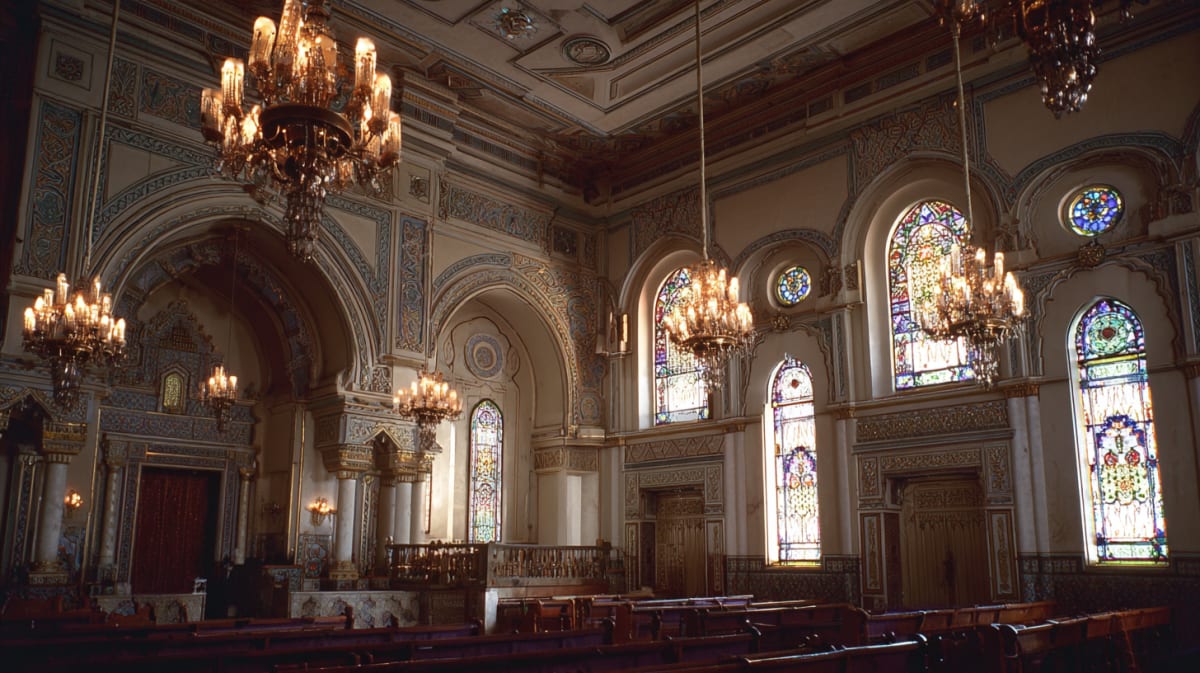
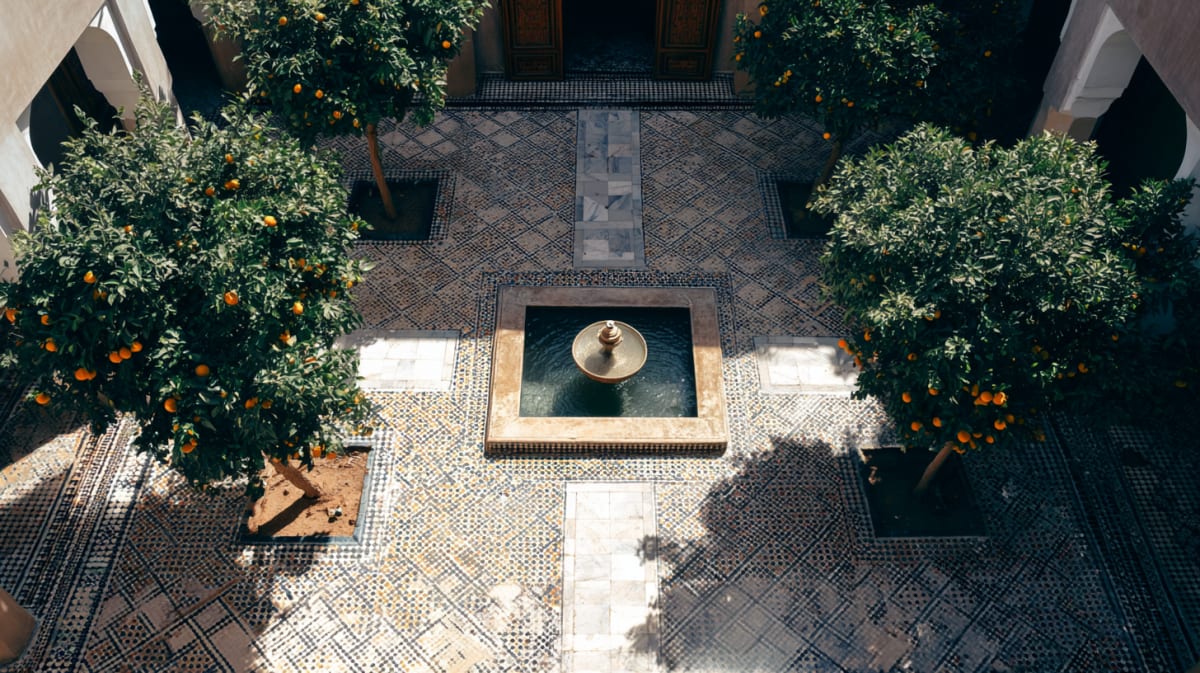
The Lazama Synagogue — also called Slat al-Azama — is the main surviving religious space. It was built by Jews expelled from Spain in 1492. The interior is modest but intact: a tiled courtyard, a prayer hall with a carved wooden Torah ark.
03
Visiting
The mellah is directly east of the Bahia Palace — walk through the palace and exit east, or approach from the Bab Mellah gate off Place des Ferblantiers. Place des Ferblantiers (Tinsmiths' Square) is the landmark — lantern and mirror craftsmen still work here.
The Lazama Synagogue is open to visitors (small donation expected). A caretaker will show you around. The Miaara Cemetery is nearby — ask for directions at the synagogue. Both are easy to miss without local guidance.
The mellah is lived-in, not preserved. Expect crumbling balconies, rewired electricity, satellite dishes on 16th-century walls. It is not a museum quarter. That is what makes it real.
Best Time to Visit
Morning. The narrow streets get little direct sunlight — early to mid-morning has the best light on the upper balconies. The synagogue is typically open mornings.
Getting There
Adjacent to the Bahia Palace in the southeastern medina. Enter via Place des Ferblantiers (Tinsmiths' Square) or through Bab Mellah. A 10-minute walk southeast from Jemaa el-Fna.
Local Tip
Visit the Lazama Synagogue and spice market
Common Questions
The historic Jewish quarter, found in most Moroccan cities. The word may derive from the Arabic for salt. Jews lived in designated quarters near the sultan's palace for protection and trade purposes.
Very few. Most Jewish families left between the 1950s and 1970s. The quarter is now almost entirely Muslim-occupied, though synagogues and the cemetery remain.
Yes. The Lazama Synagogue (Slat al-Azama) on Derb Manchoura is open to visitors. A caretaker will show you around for a small donation.
Walk east from Bahia Palace or enter through Bab Mellah off Place des Ferblantiers. The lantern shops on the square are the landmark.
Walking Distance
Nearby
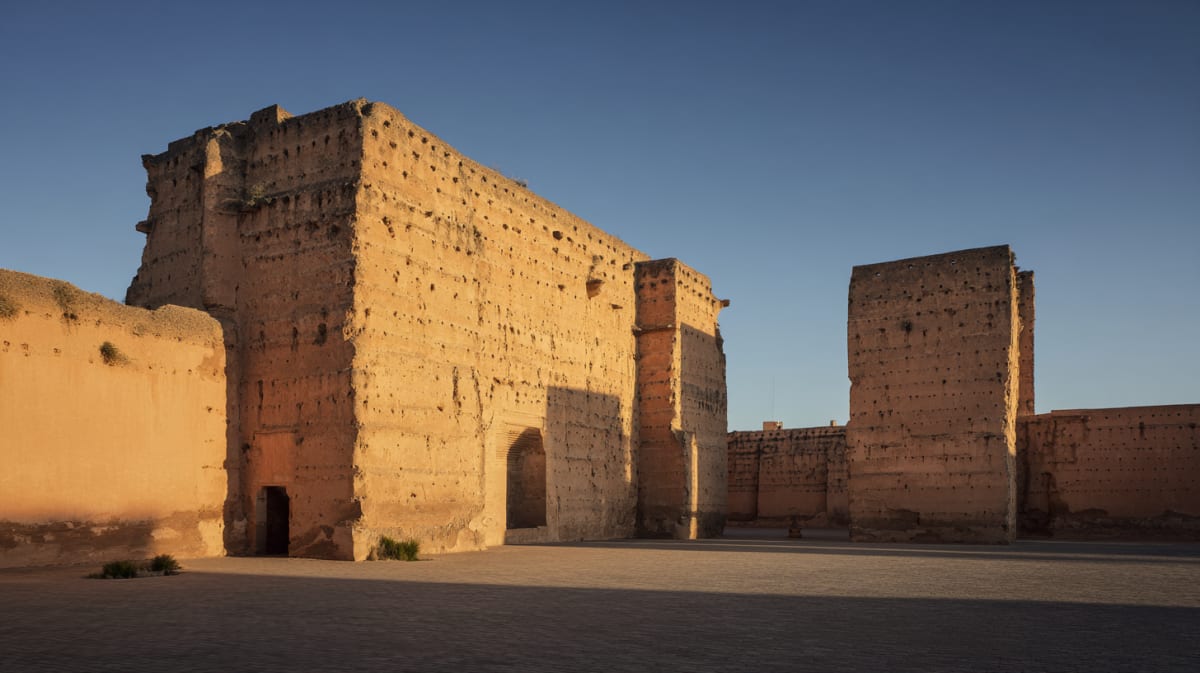
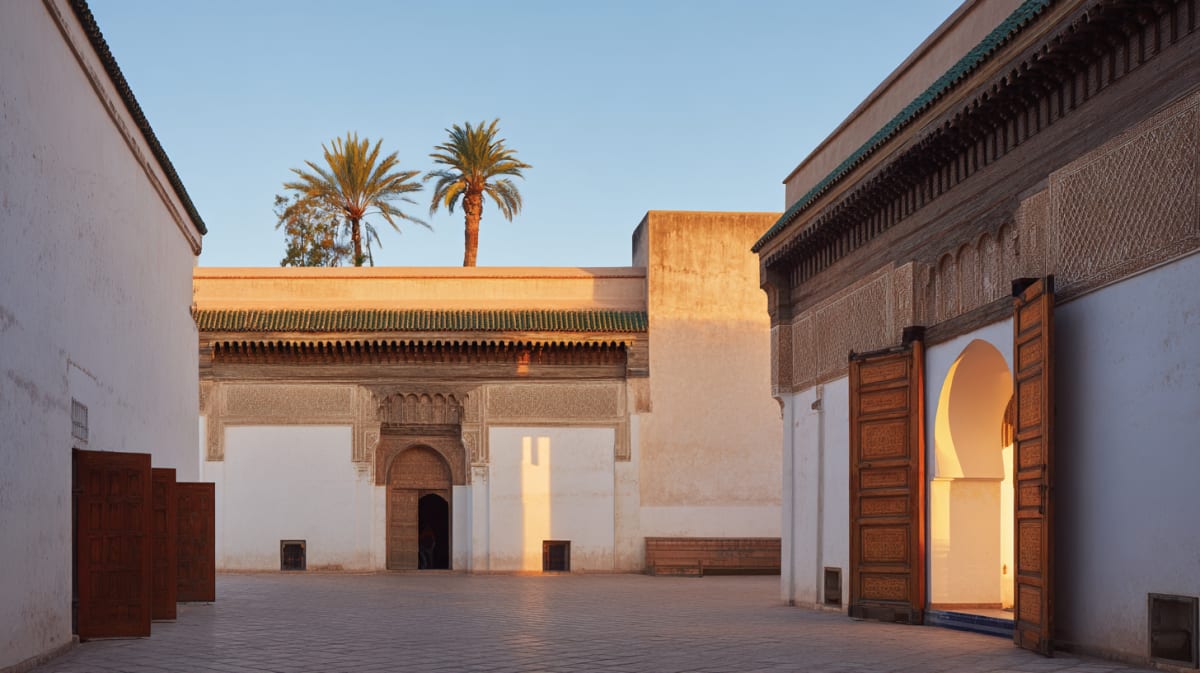
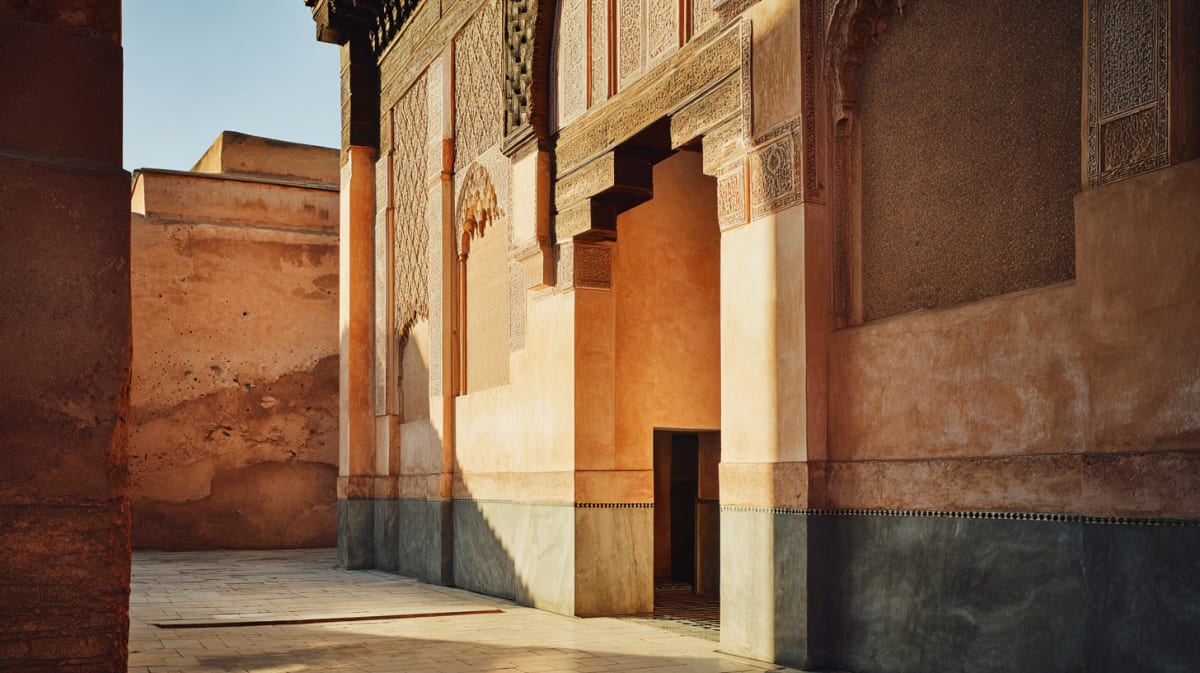
The Marrakech mellah is a walk through absence. The Lazama Synagogue opens quietly, without signs — we know the hours.
Plan a private journey →Explore More
Related Stories
Discover the history and culture of Marrakech


Explore More
Multi-day journeys featuring this place
Curated routes that pass through Marrakech
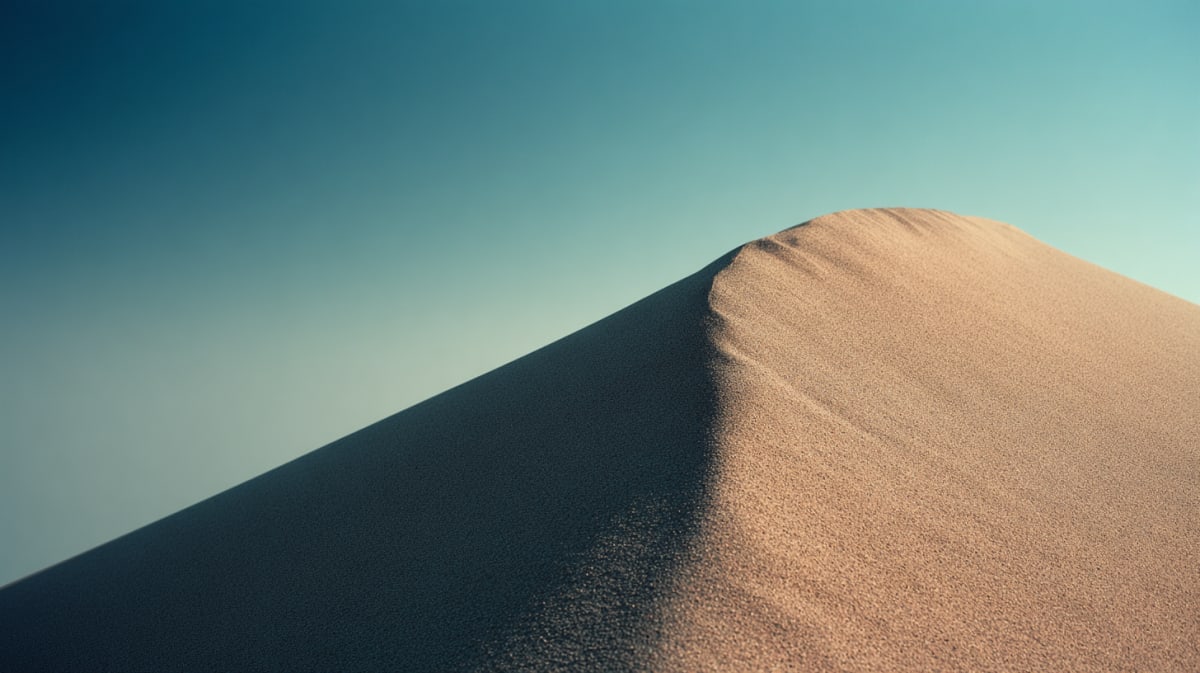
3 Days
3-Day Sahara Circle
Mountains to sand and back. Stars so dense they press against your chest — and a silence that rewrites what you thought quiet meant.
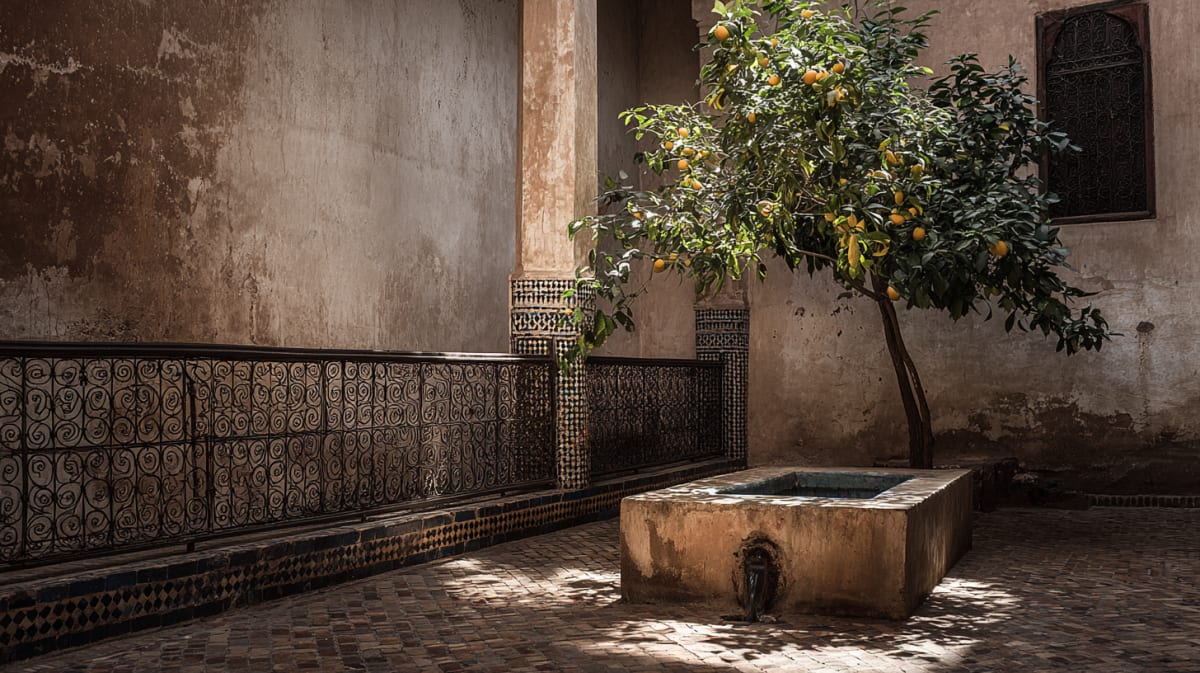
3 Days
Marrakech City Break
Three days to learn a medina's rhythm — souks at dawn, hidden gardens at noon, the square becoming a theatre at dusk.
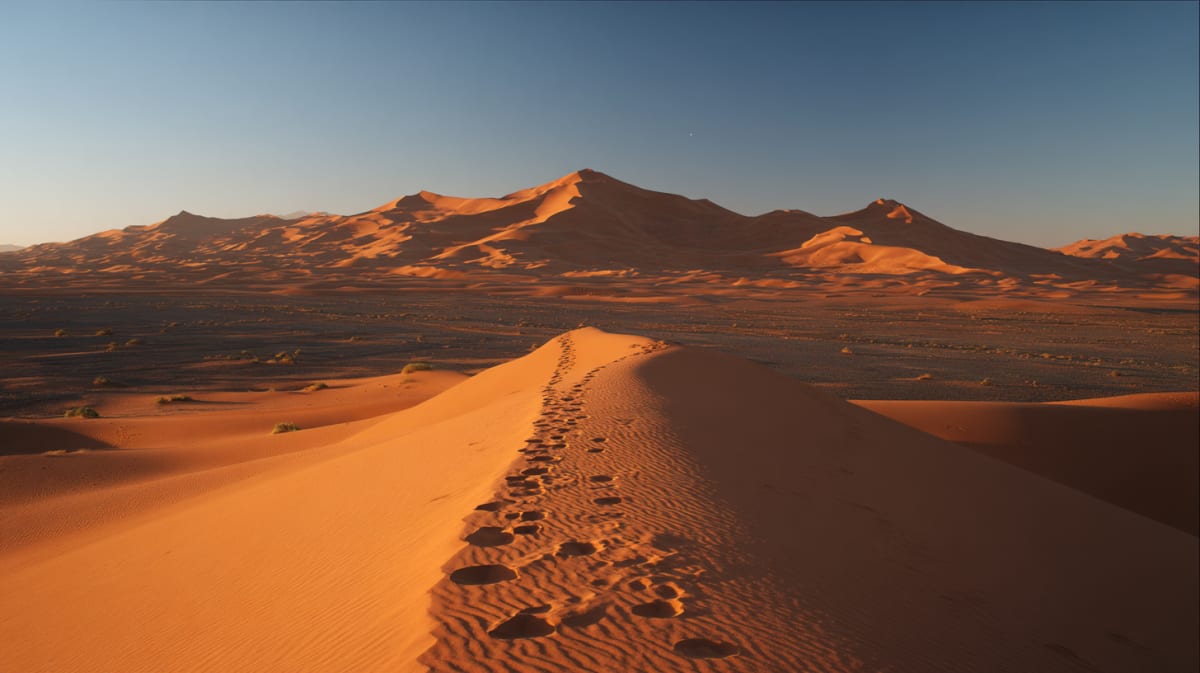
4 Days
Marrakech to Fes
The classic — red city to medieval labyrinth via the Sahara. The corridor that defines Moroccan travel.
Sources: Gottreich E. (2007) The Mellah of Marrakesh: Jewish and Muslim Space in Morocco's Red City