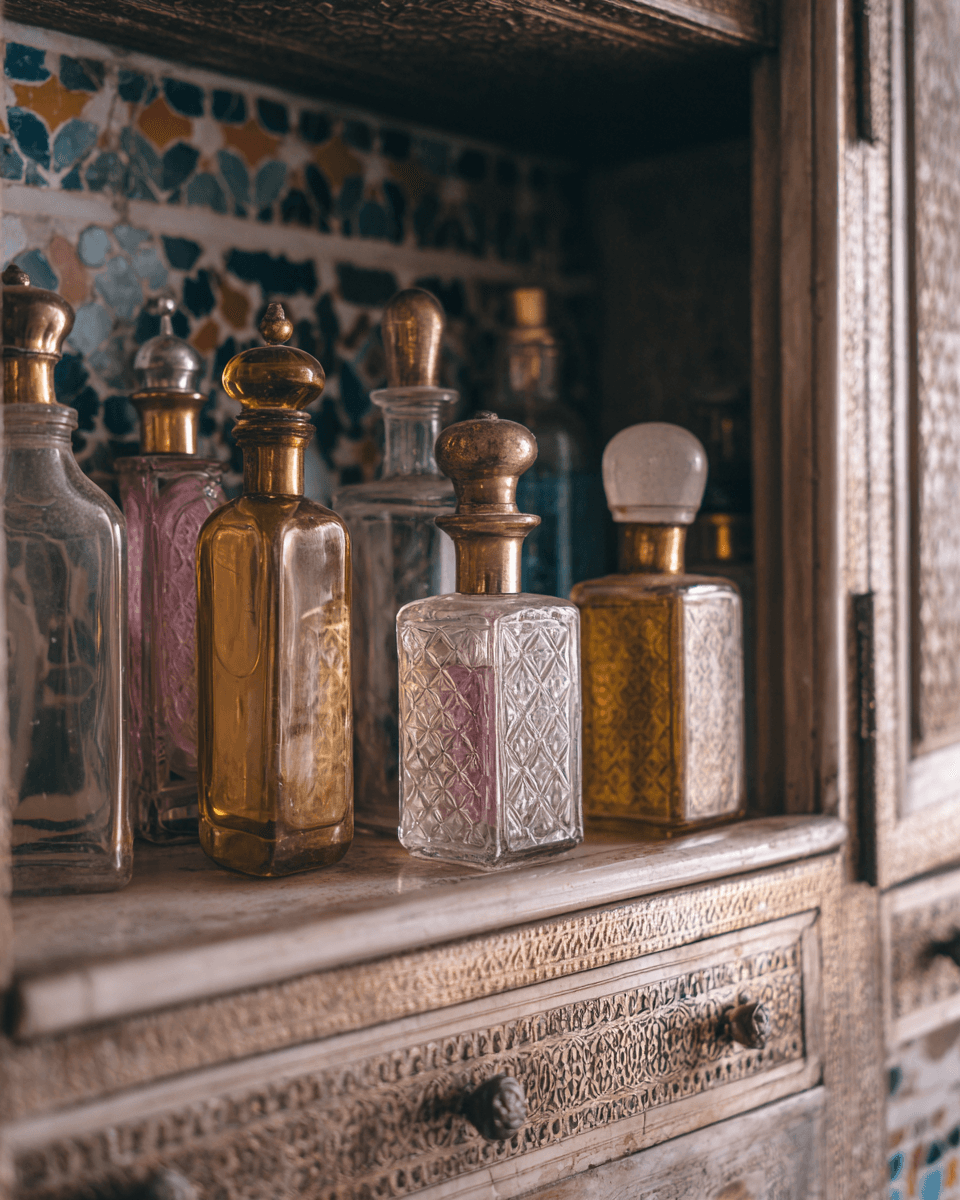
marrakech
Musée du Parfum
The Musée du Parfum displaying Morocco's fragrance traditions in a restored riad
Hours
Daily 9:30am-6pm
Entry
40 MAD
Duration
45 minutes
Location
2 Derb Cherfa Lakbir, Medina
The scents of Morocco: rose, orange blossom, amber, musk. Antique bottles, traditional distillation, workshops where you blend your own fragrance. The experience takes an hour; the memory lasts longer.
01
A Perfumer in the Medina
Abderrazzak Benchaâbane was a botanist before he was a perfumer. He spent years restoring the Majorelle Garden — cataloguing its 300 plant species, reviving the irrigation — before turning to scent. In 2019, he opened this museum in a restored riad near the Mouassine fountain, a five-minute walk from the souks but hidden enough that most visitors pass within metres of it.
The collection tells the story of Moroccan perfumery through raw materials: orange blossom water from the Saïss Plain, rose from the Dadès Valley, cedar from the Middle Atlas, wild herbs from the Rif. This is not a history of French perfumery projected onto Morocco. It is the opposite — a record of the local tradition that French perfume houses quietly sourced from for centuries.
02
The House
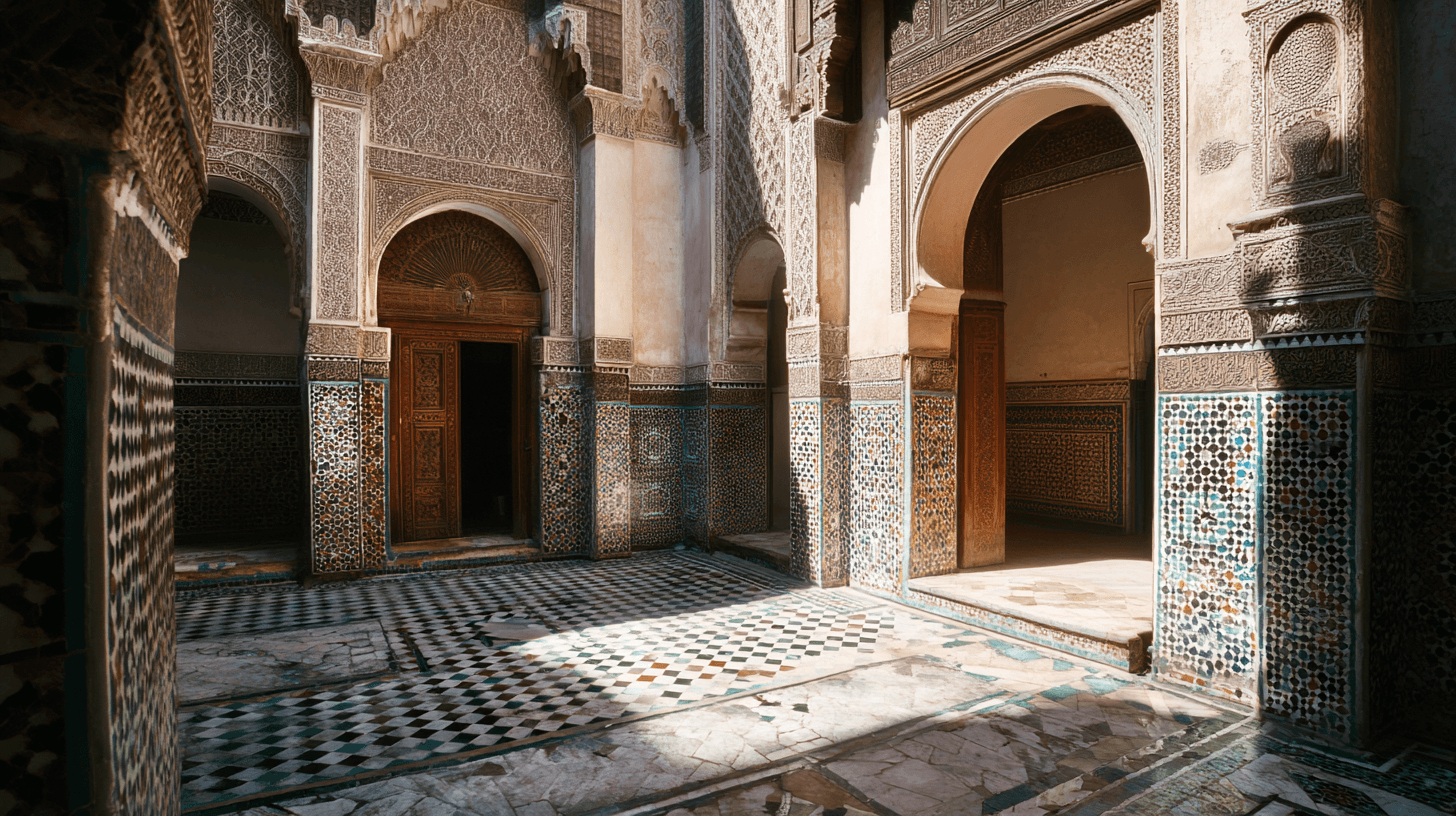
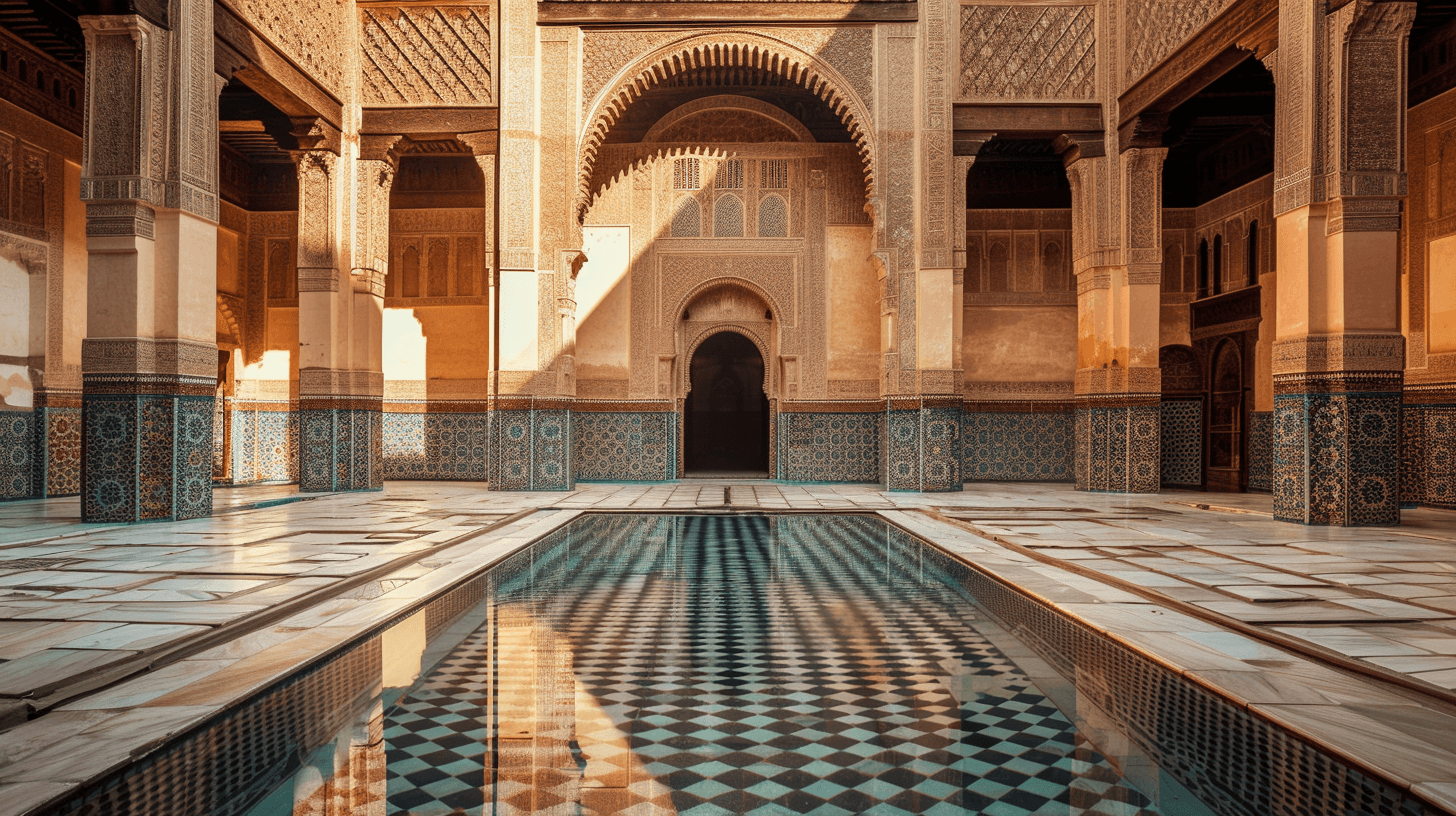
The building is a traditional dar, not large, arranged across three levels around a central light well. The restoration is careful — tadelakt walls in muted earth tones, zellige in the courtyard, carved cedarwood on the upper floors. The rooms are small, which works. Perfume is intimate. You move from room to room the way you move through notes in a composition: base, heart, top.
Each room focuses on a different raw material or technique. The distillation room shows copper alembics — still used in the Dadès Valley during rose harvest. The amber room explains the difference between real amber (fossilised resin, rare, expensive) and the synthetic amber that fills every souk stall in the medina. That distinction alone is worth the visit.
03
Visiting
The museum is small — 45 minutes is enough unless you linger at the perfume workshop, where you can compose your own blend from Moroccan essences. The workshop is not a gimmick. Benchaâbane's team walks you through actual composition principles.
The ground-floor boutique sells the museum's own perfume line, plus single-origin essences (rose absolute, neroli, atlas cedar). The prices are fair — not medina-inflated — and the quality is verifiable because you have just seen the raw materials upstairs.
It is air-conditioned, which in a Marrakech summer is not a trivial detail.
Best Time to Visit
Mid-morning or late afternoon. It is air-conditioned — a legitimate refuge during summer afternoons in the medina. Less crowded on weekday mornings.
Getting There
From Jemaa el-Fna, walk north through the Mouassine quarter — about 8 minutes. Follow signs to the Mouassine Fountain, then look for Derb Cherif. A riad host or shopkeeper near the fountain will know it.
Local Tip
Small but beautifully curated. Workshop to create your own scent.
Common Questions
2 Derb Cherif, near the Mouassine Fountain in the northern medina. Look for the small sign — it is easy to miss.
About 45 minutes for the museum. Add 30-45 minutes if you do the perfume composition workshop.
Yes. The restored riad architecture alone justifies a visit, and the exhibition explains Moroccan botanicals in a way that changes how you see every herb stall in the souk afterward.
The ground-floor boutique sells the museum's own line of perfumes and single-origin essences (rose, neroli, cedar). Prices are fixed and clearly marked — no bargaining.
Walking Distance
Nearby
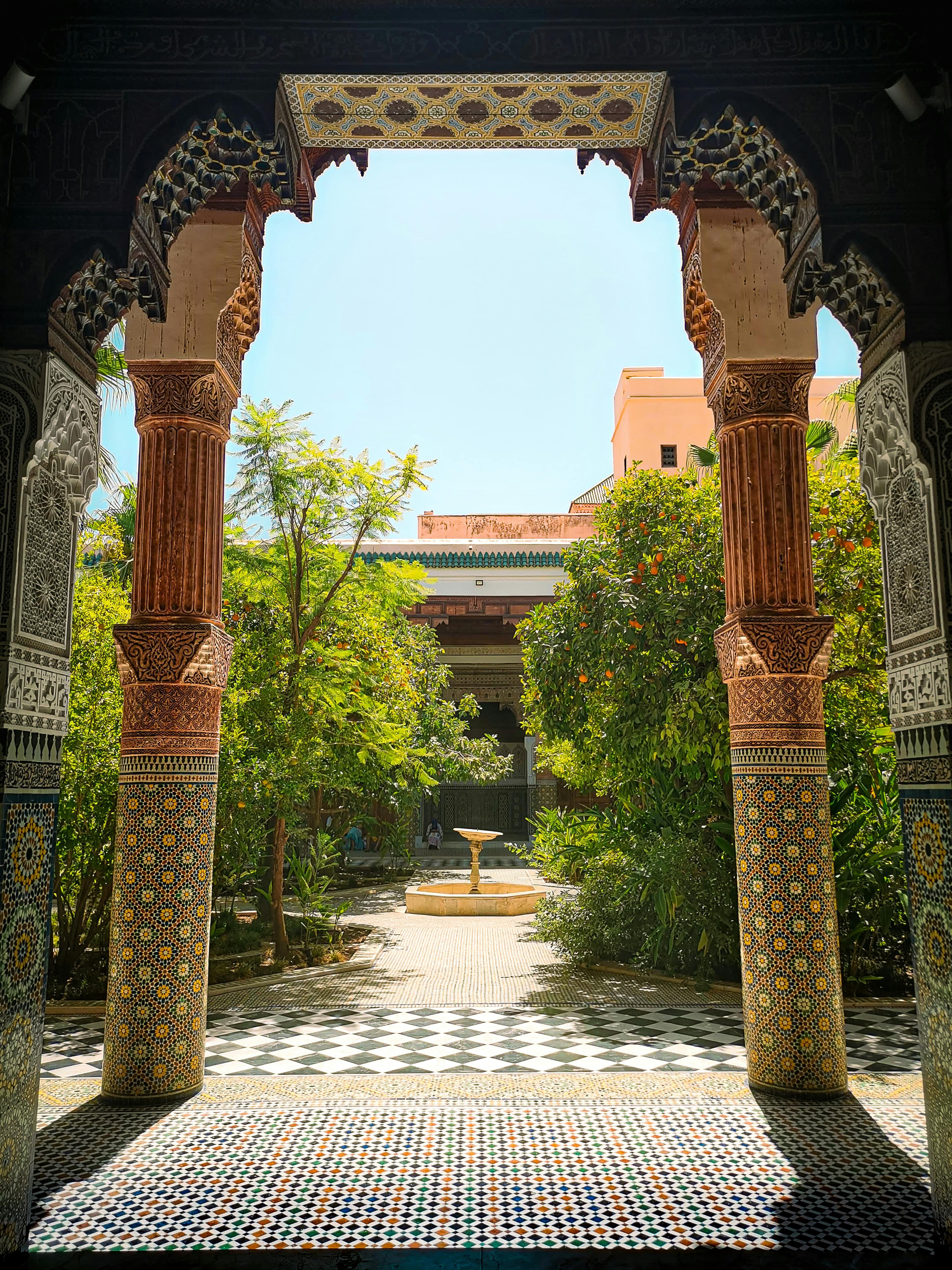
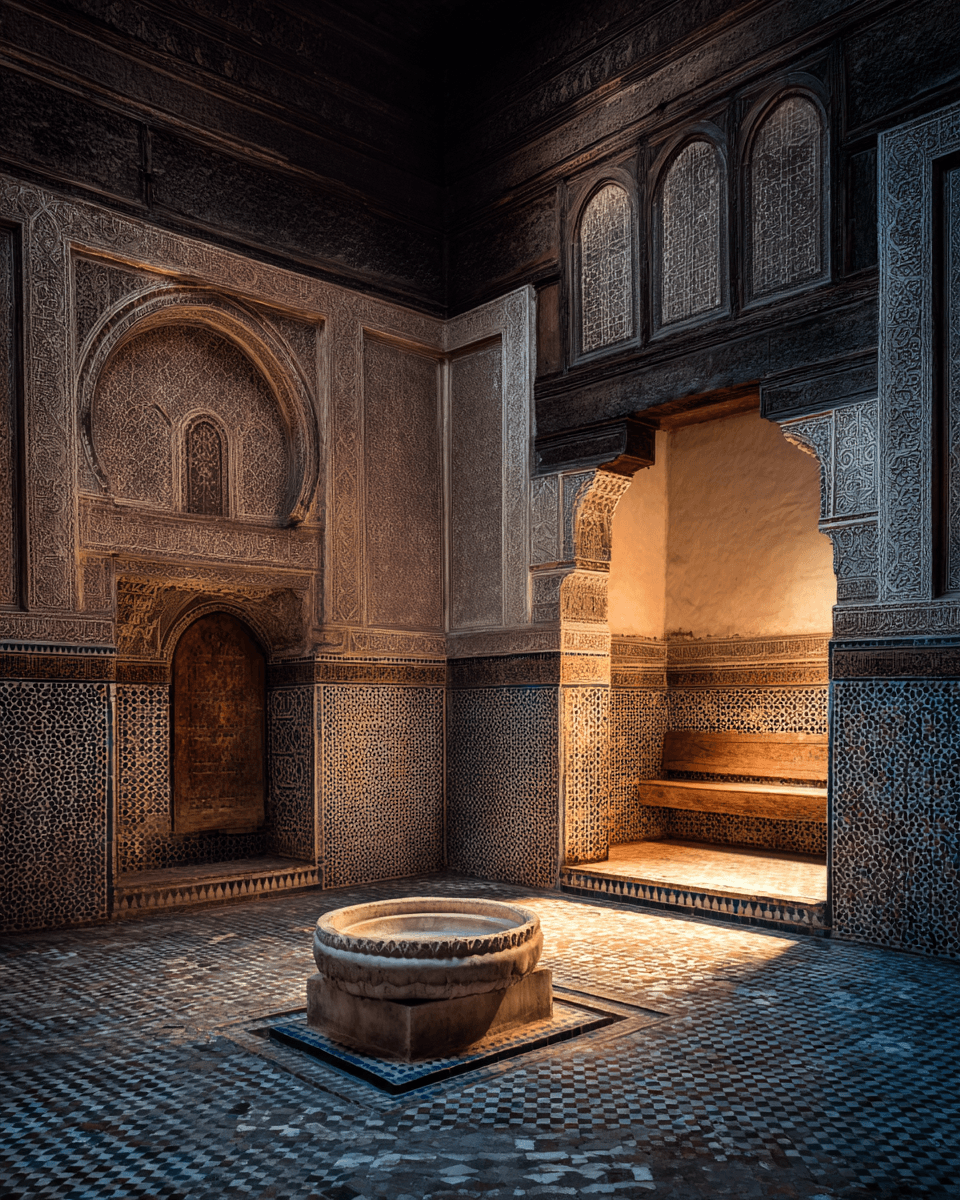
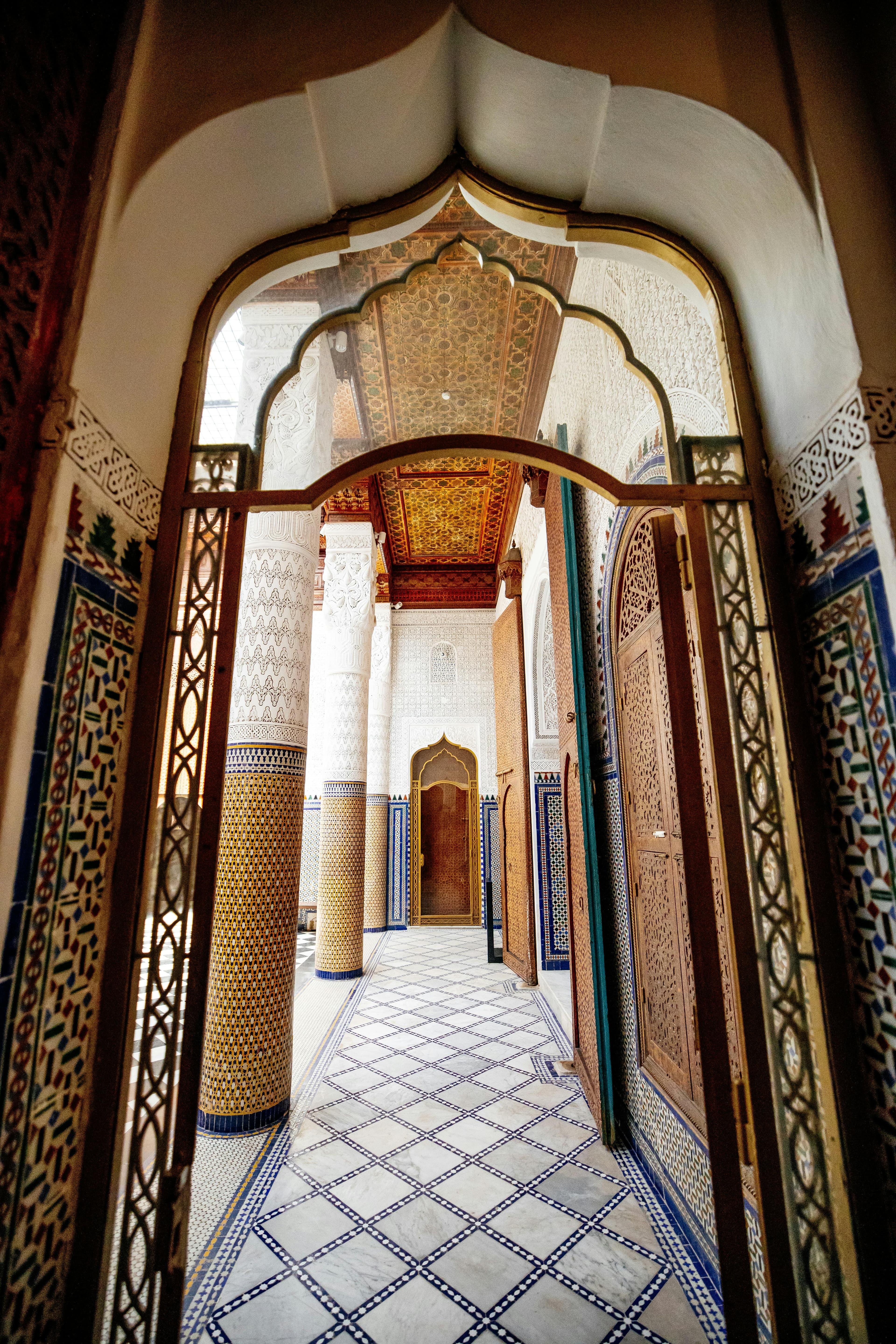
The perfume museum is a pause we recommend in the middle of a medina walk. The scent workshop resets the senses after the souk overload.
Tell us about your trip →Explore More
Related Stories
Discover the history and culture of Marrakech
Explore More
Related Journeys
Curated routes that pass through Marrakech
3 Days
Marrakech City Break
3 Days
3-Day Sahara Circle
4 Days
4-Day Essaouira & Coastal Villages
4 Days
4-Day Sahara & Valleys Journey
4 Days
Toubkal Summit Trek
4 Days
Portuguese Coast
4 Days
Fes to Marrakech
4 Days
Marrakech to Fes
4 Days
Todra Gorge & Tinghir
4 Days
Majorelle & Marrakech Artists
5 Days
5-Day Erg Chigaga Desert Expedition
5 Days
Gnawa Festival Essaouira
5 Days
Casablanca to Sahara
5 Days
Saffron & Honey Trail
5 Days
Taznakht Rug Villages
5 Days
Morocco Wine Trail
5 Days
Dades & Todra Gorges
5 Days
Contemporary Art Morocco
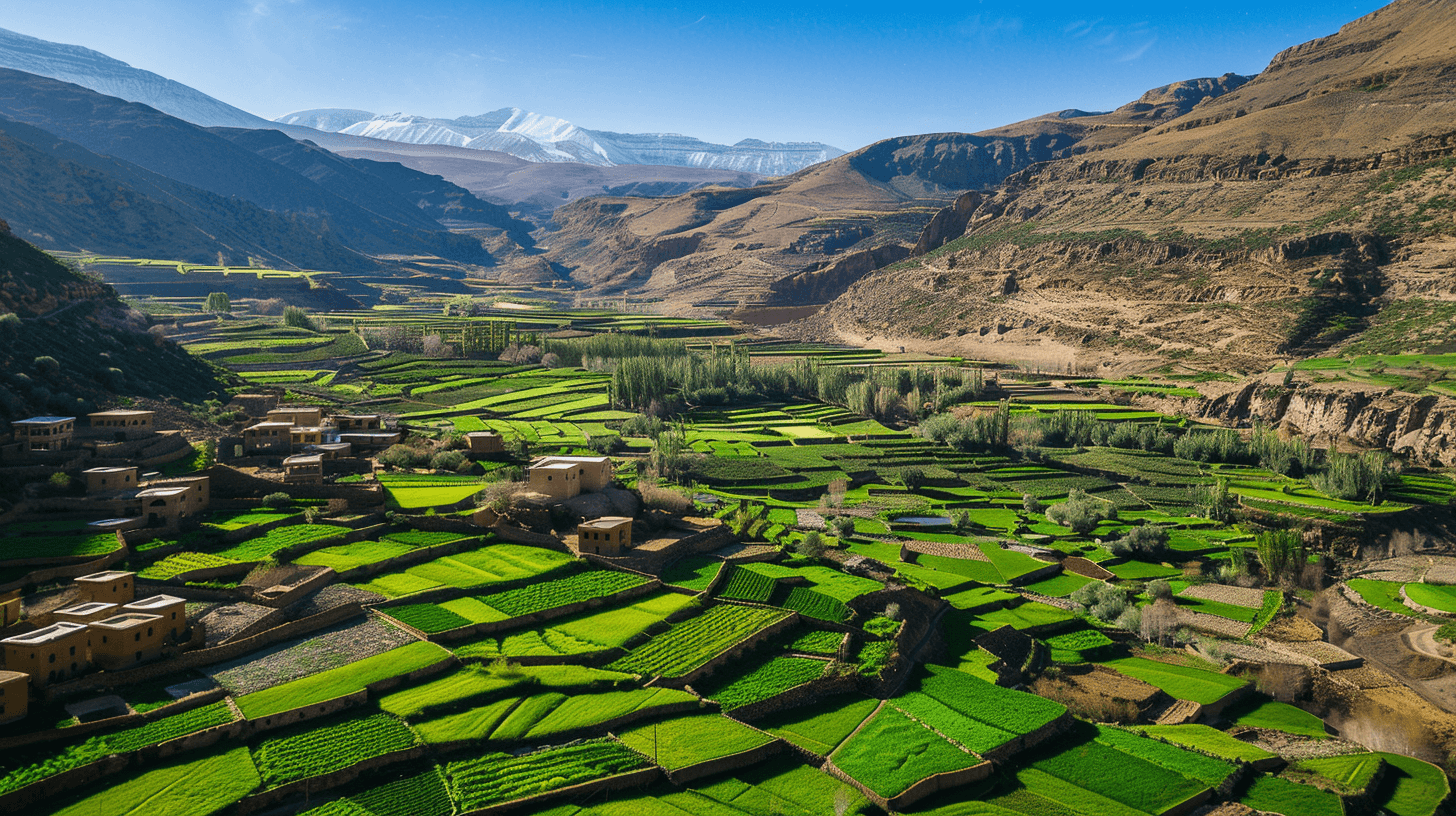
5 Days
Ait Bouguemez Valley Trek
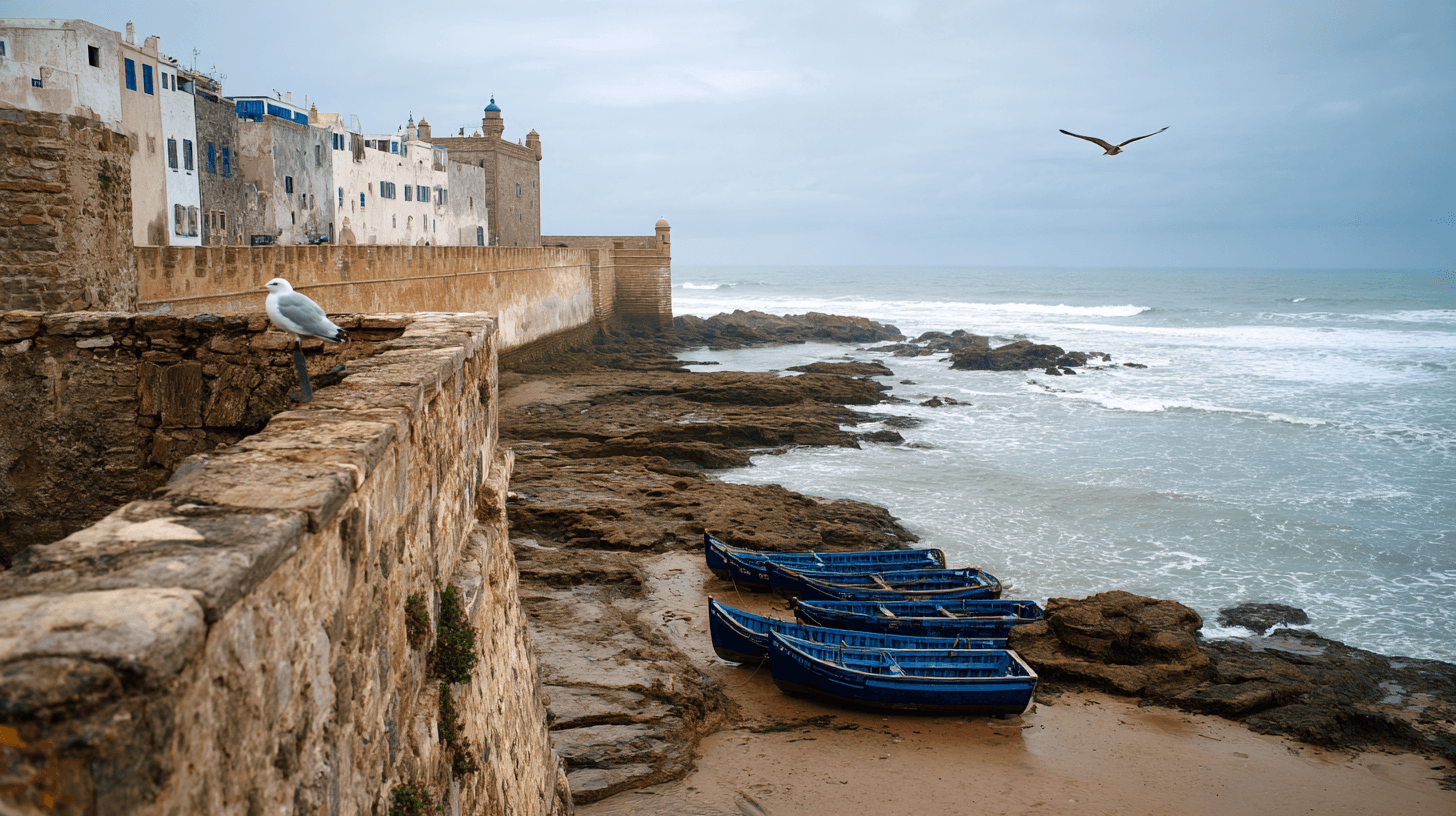
5 Days
First Time Morocco
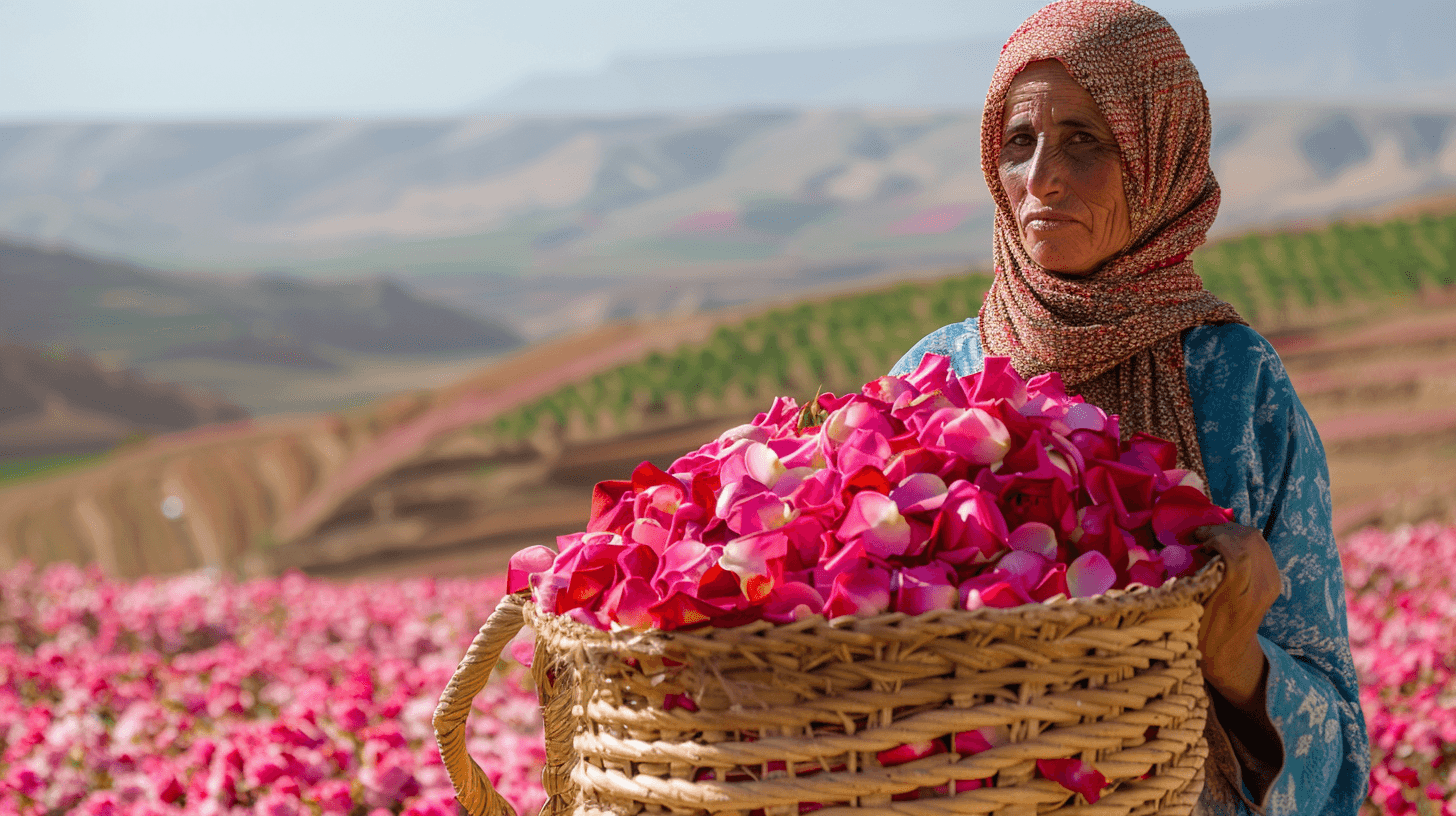
5 Days
Rose Festival Route
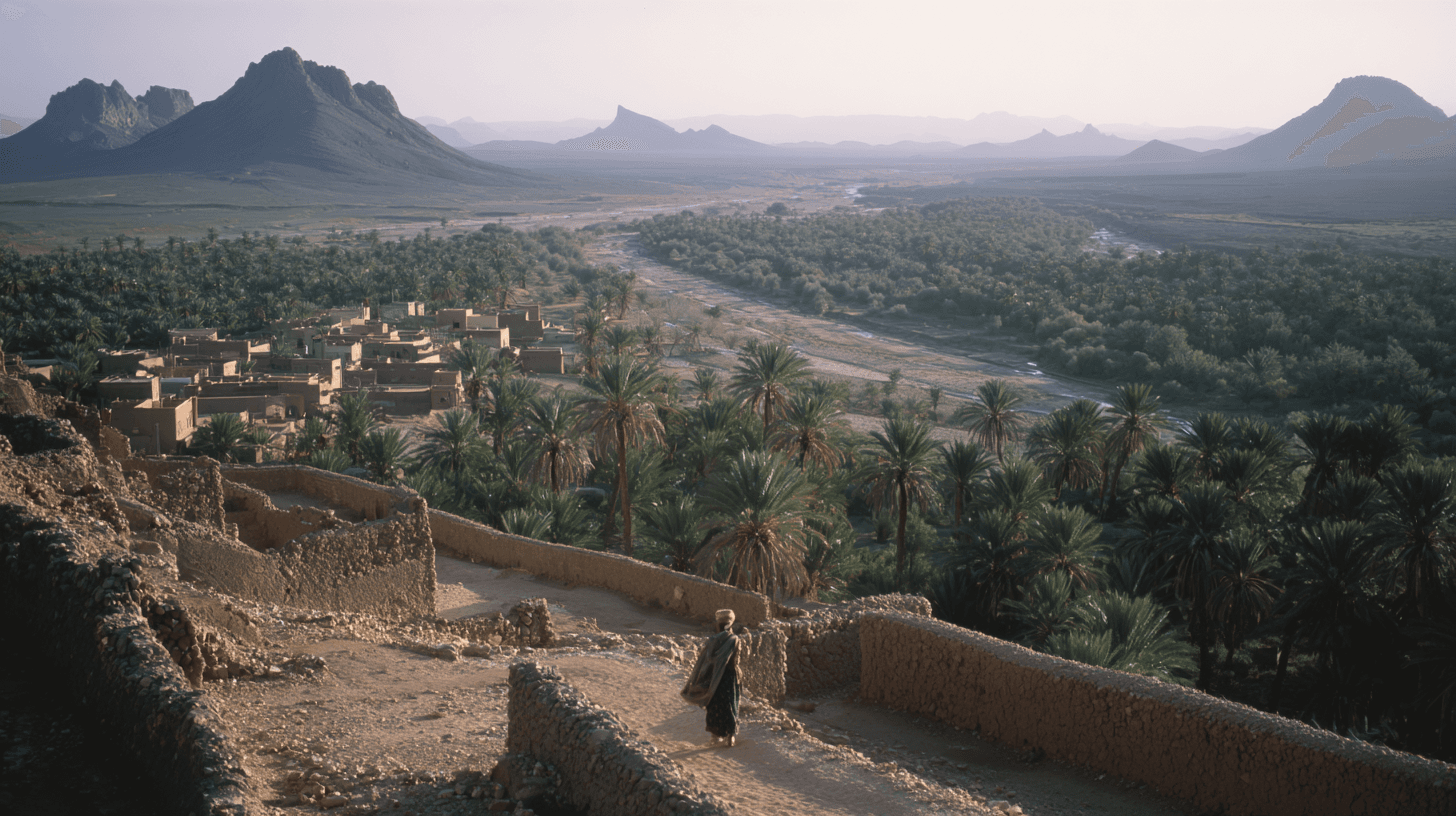
5 Days
Southern Oasis Route
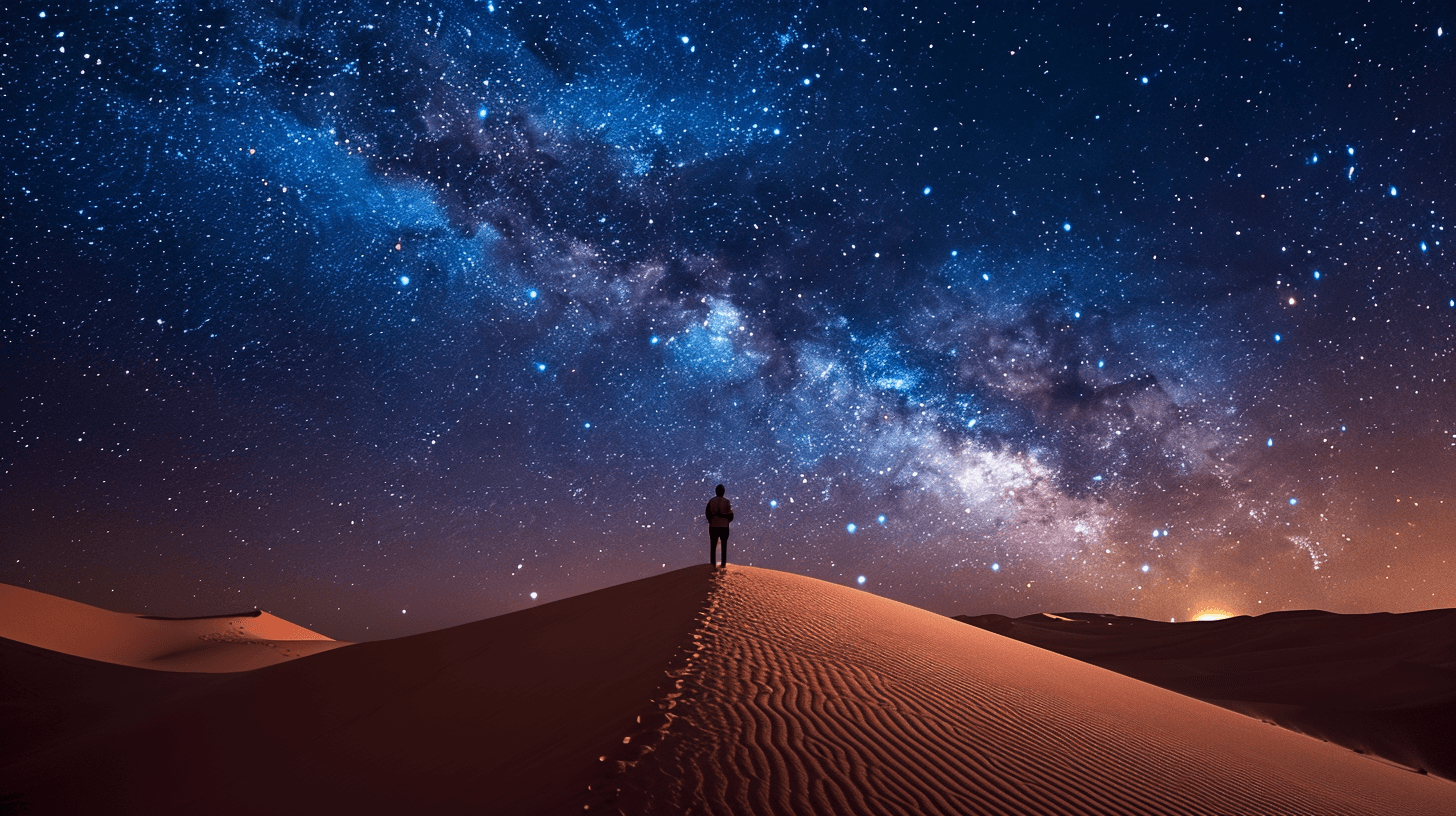
5 Days
Morocco Stargazing
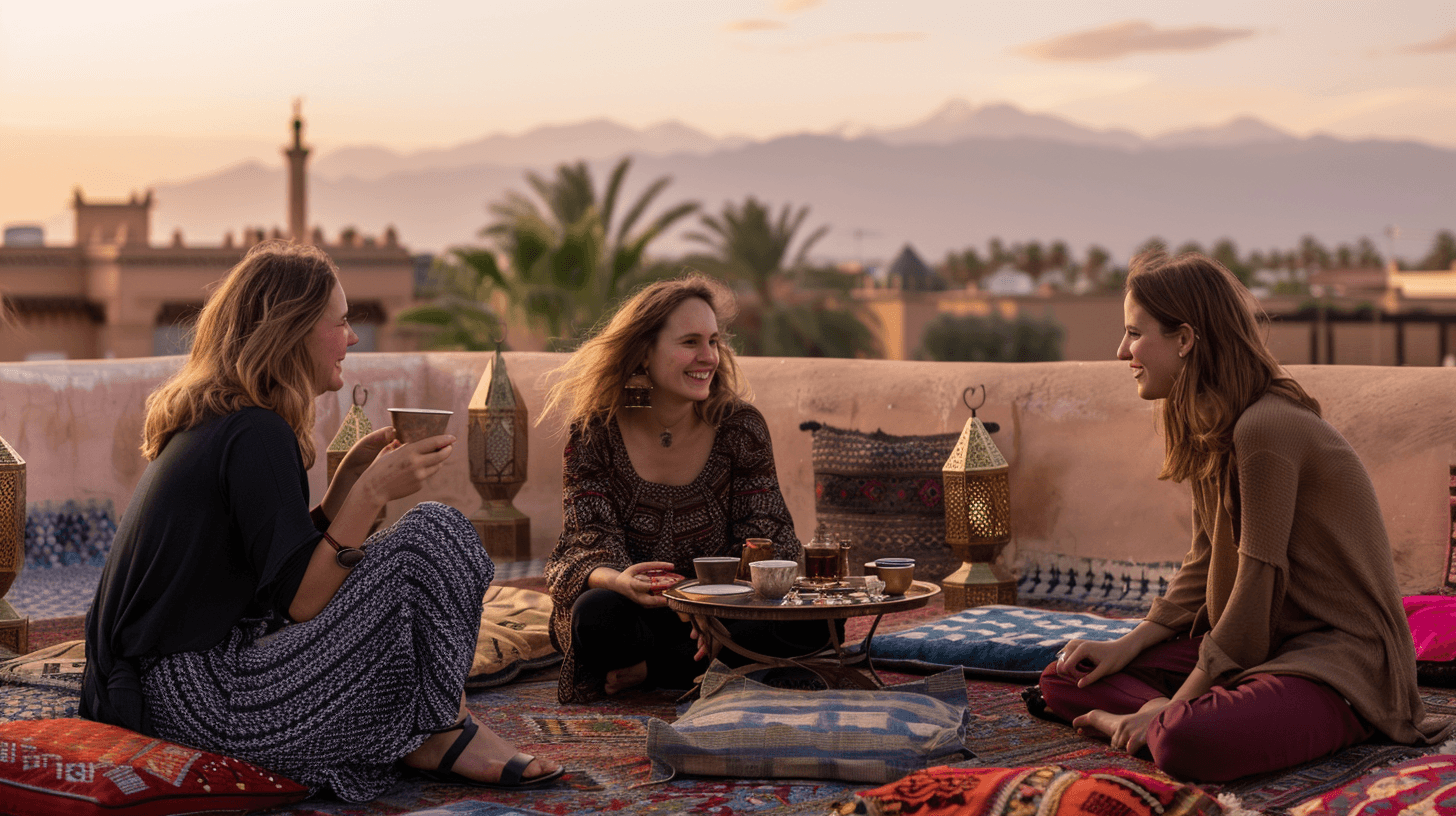
5 Days
Girls Trip Morocco
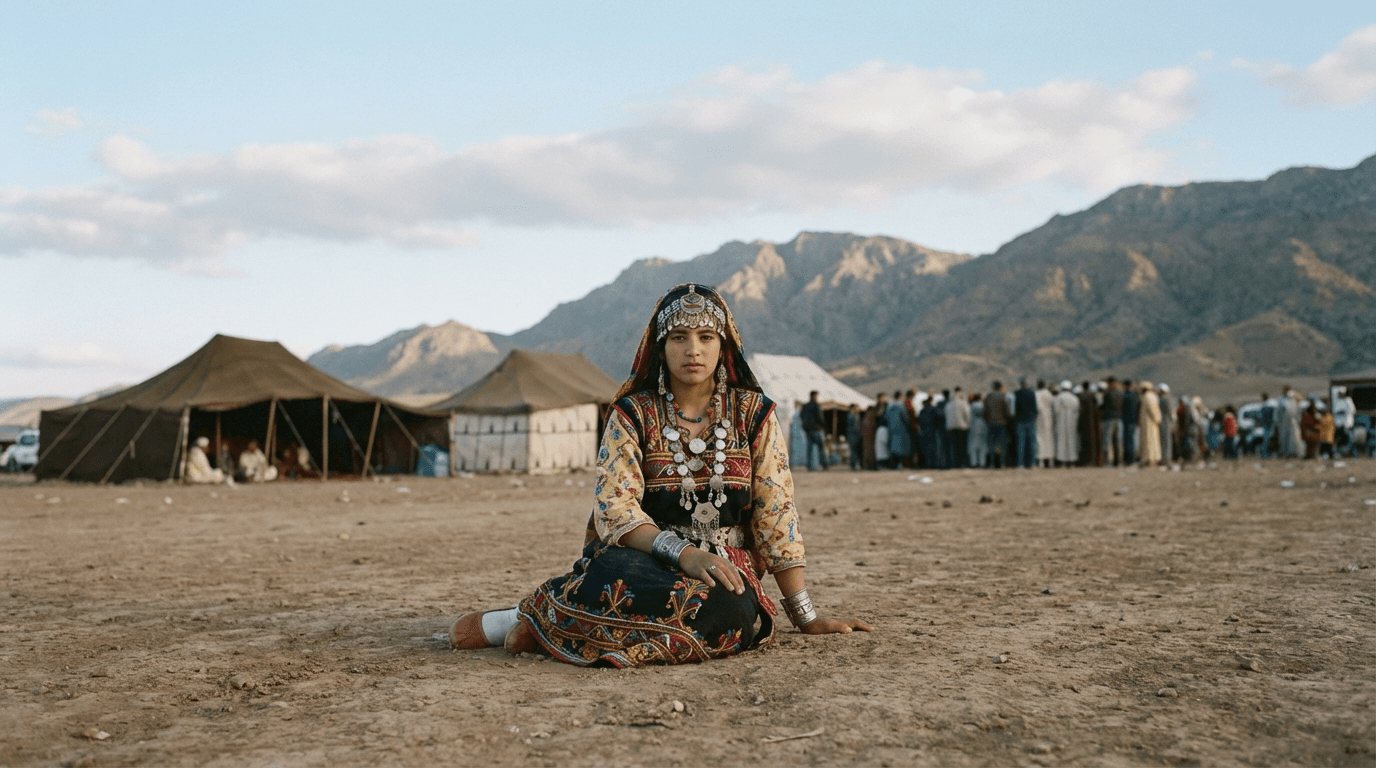
5 Days
Imilchil Marriage Festival
6 Days
6-Day High Atlas Trails
6 Days
Jebel Saghro Winter Trek
6 Days
Kasbahs & Valleys
6 Days
Lakes of Imilchil
6 Days
Morocco Wellness Retreat
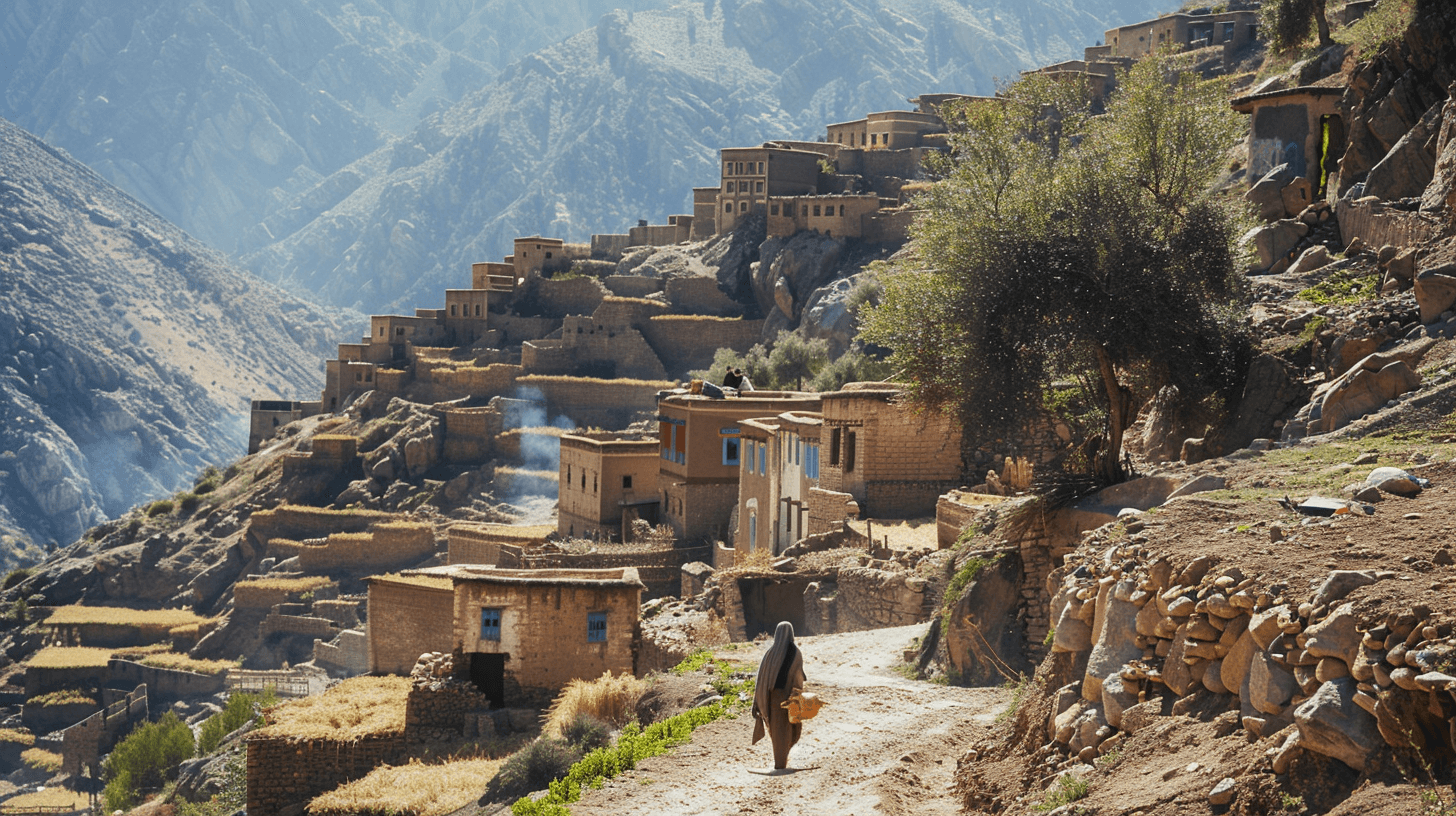
6 Days
Mountain Villages
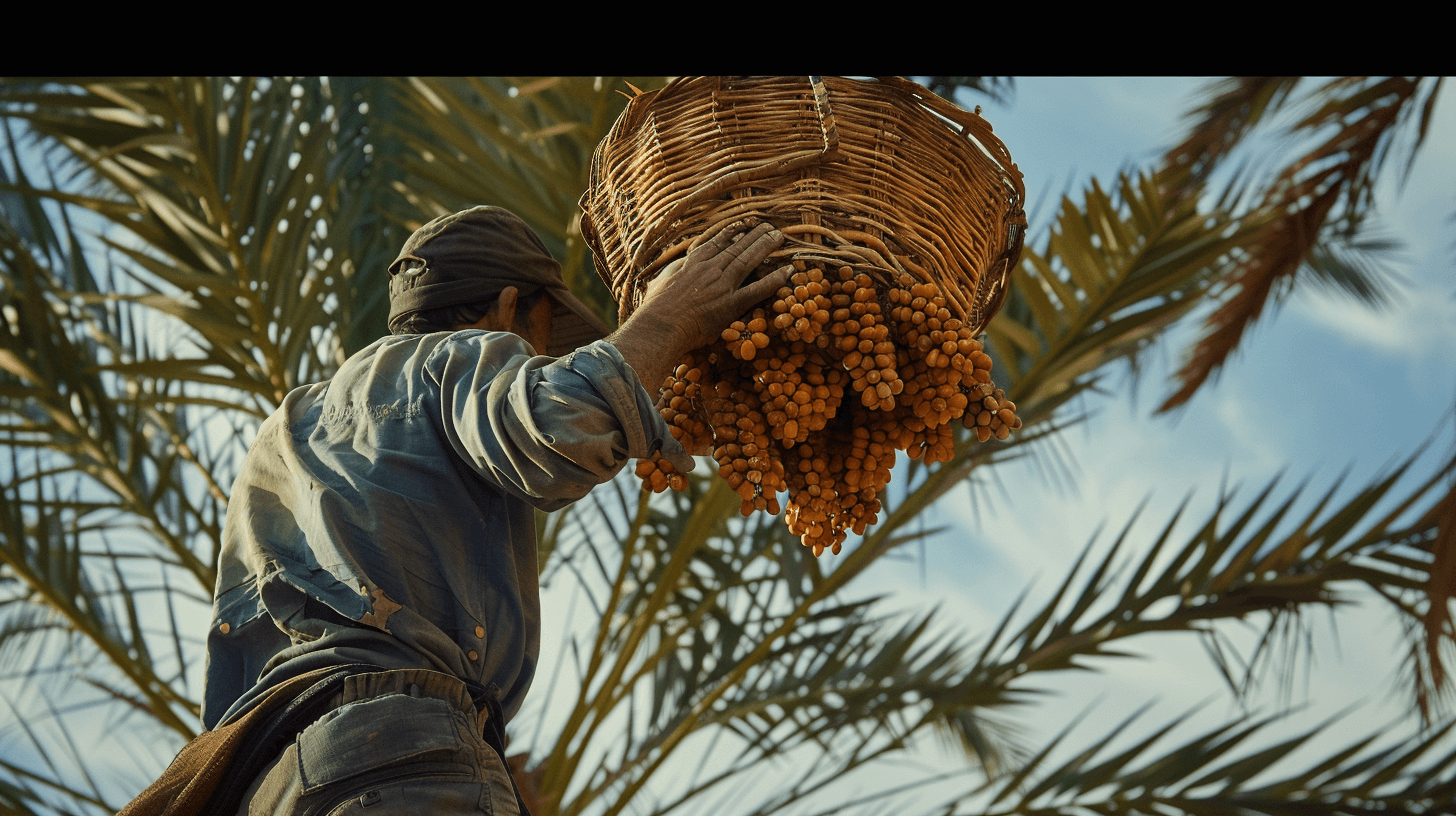
6 Days
Date Harvest Journey
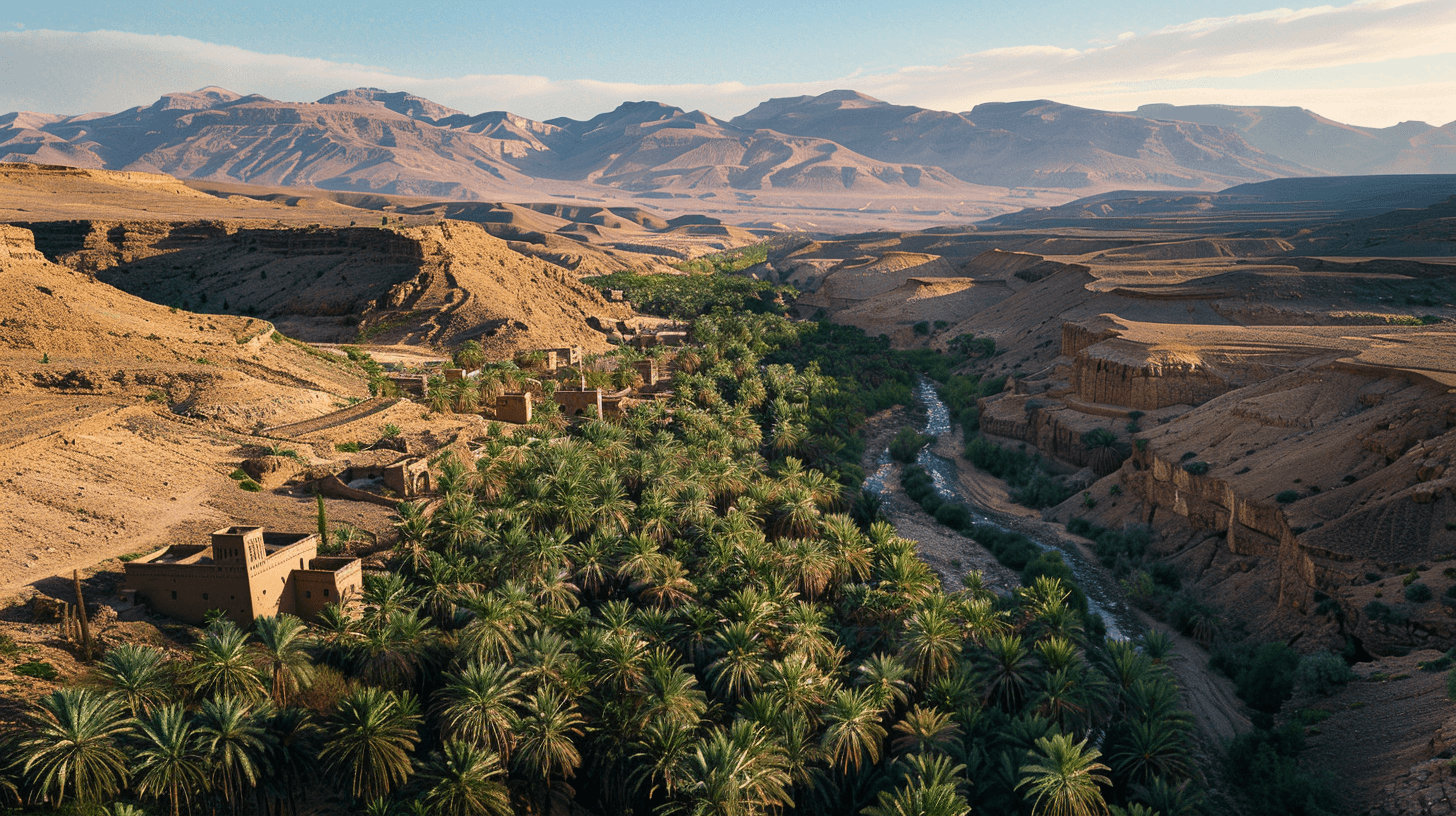
6 Days
Oasis Hopping
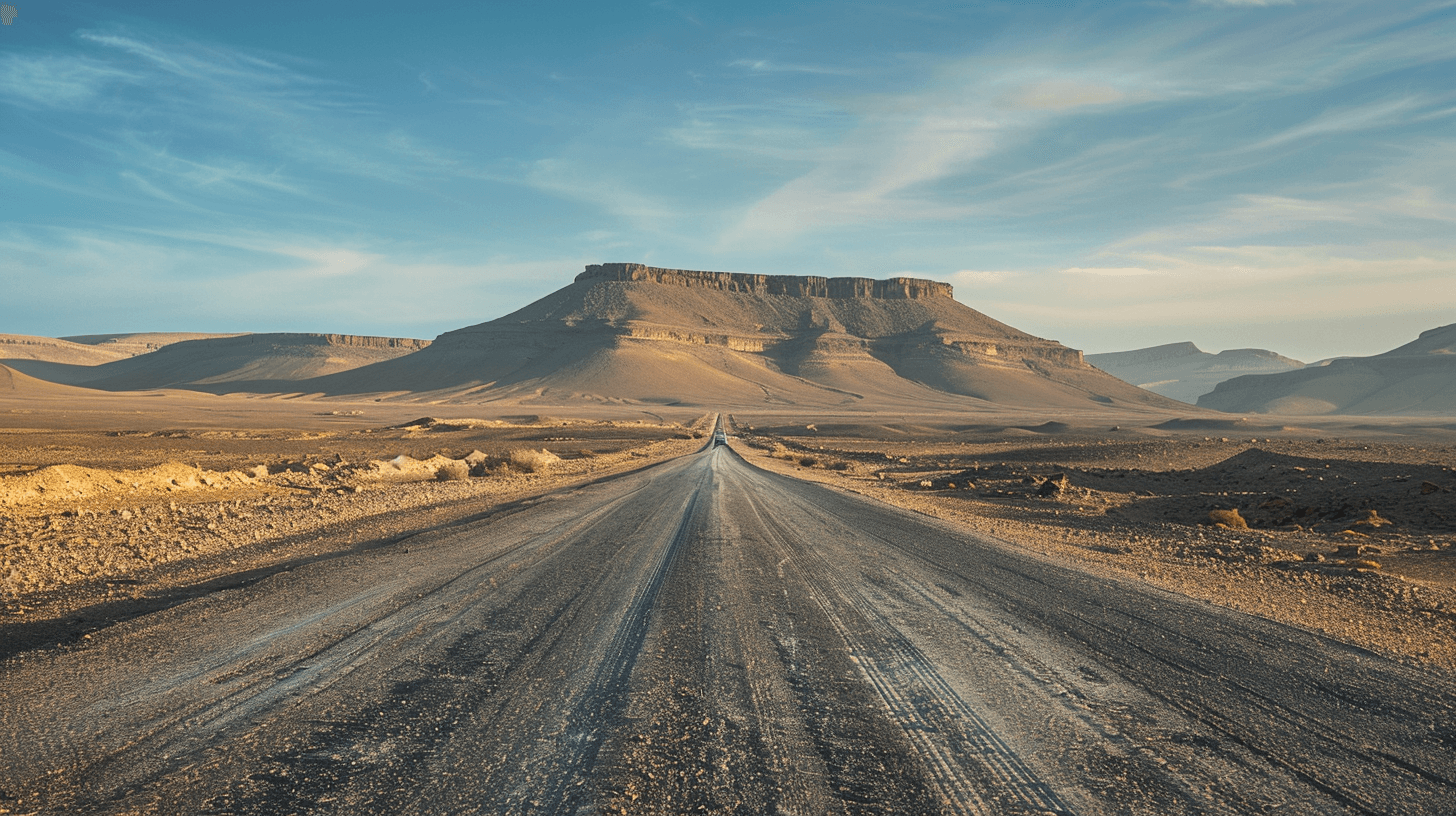
6 Days
Erg Chigaga to Taroudant
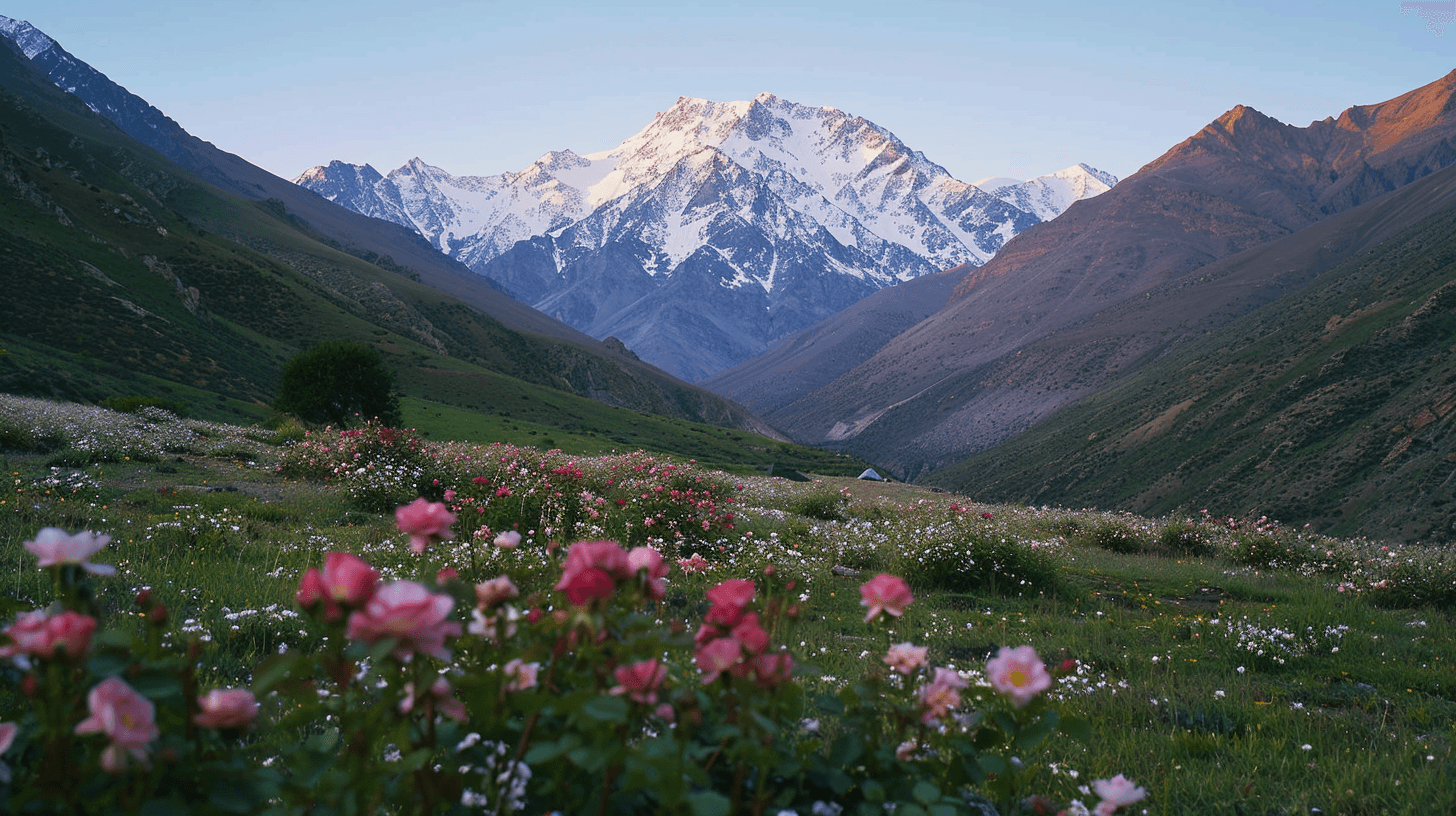
7 Days
M'Goun Massif Trek
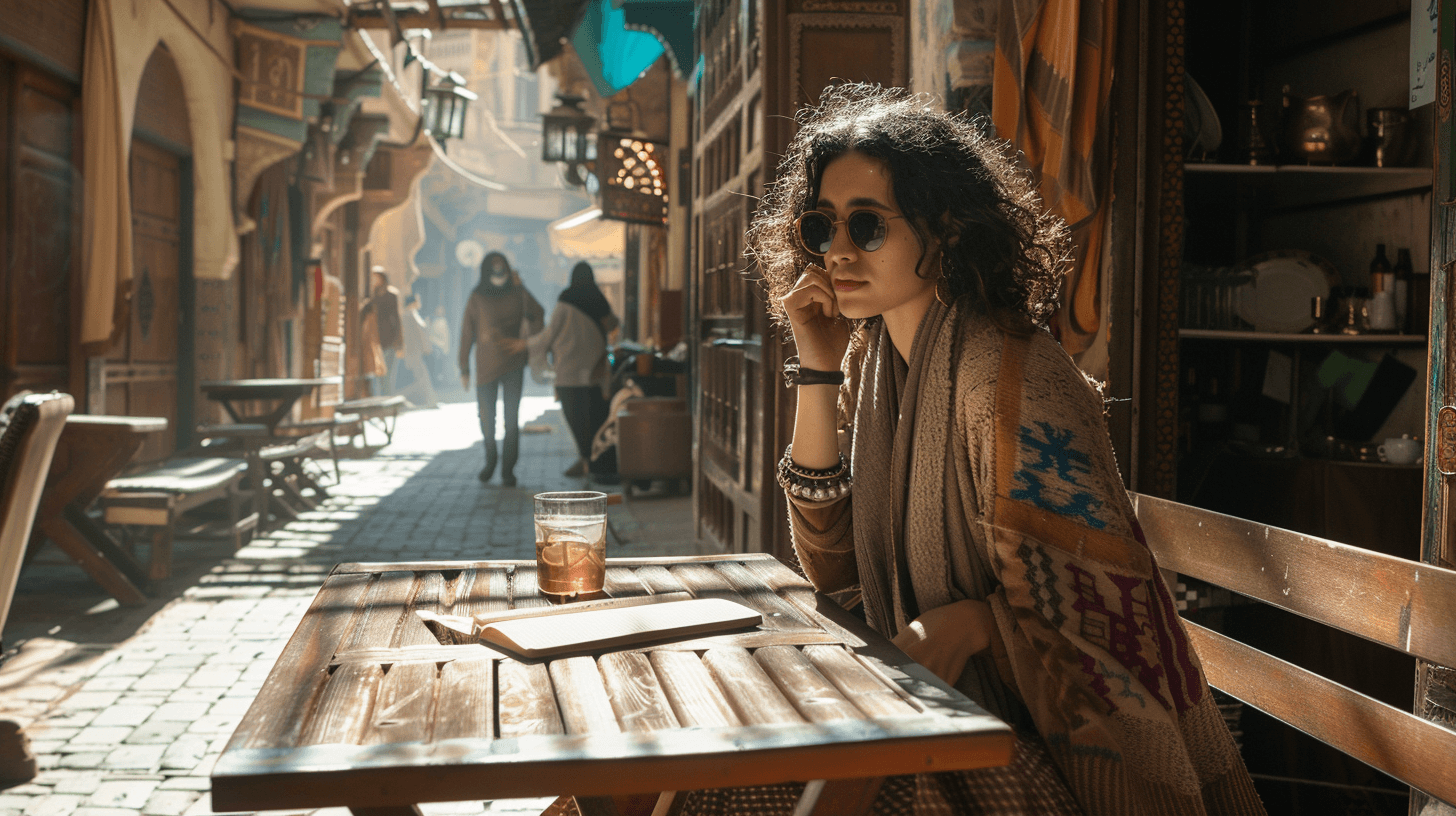
7 Days
Morocco Solo Journey
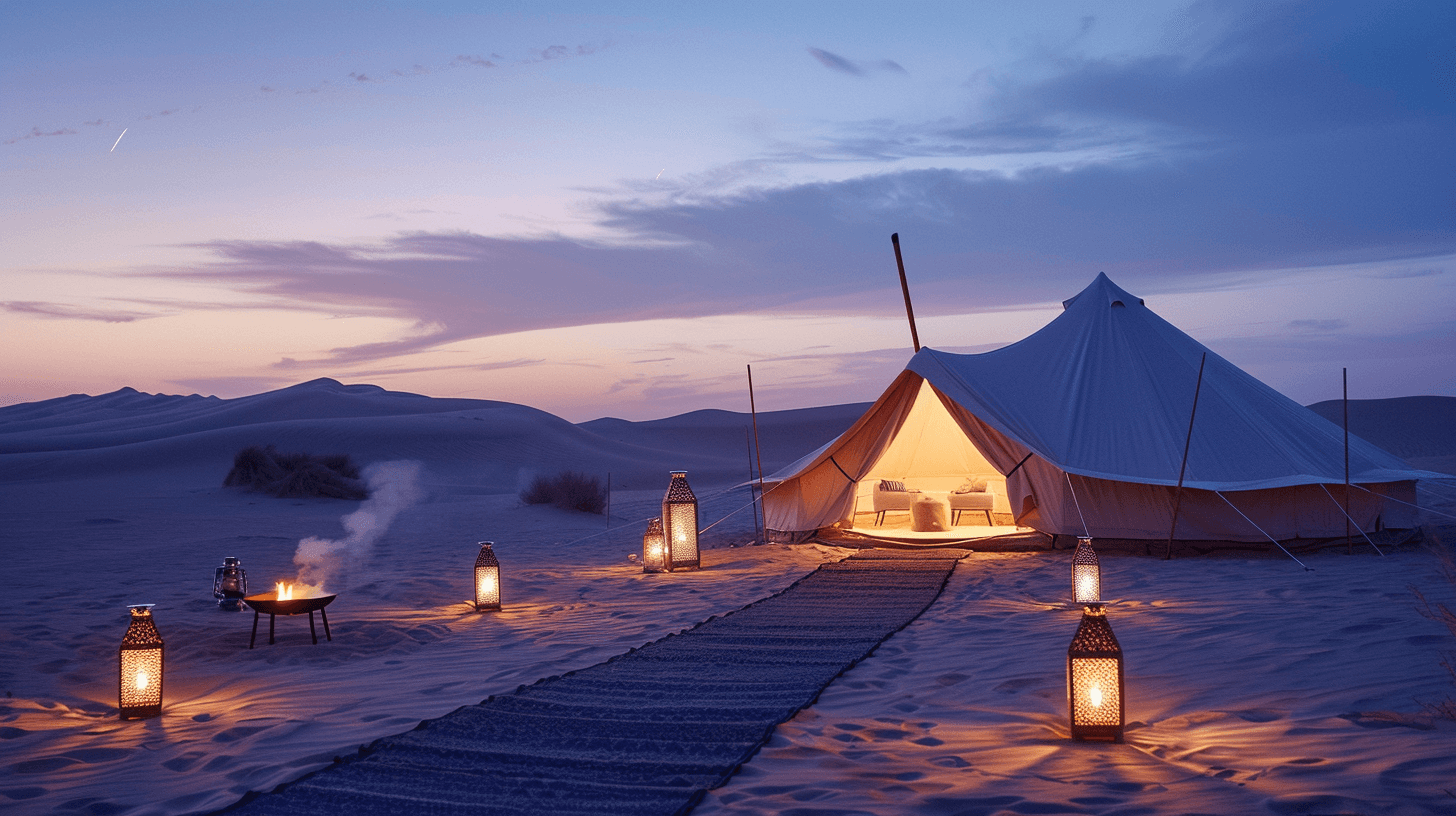
7 Days
Morocco Luxury Escape
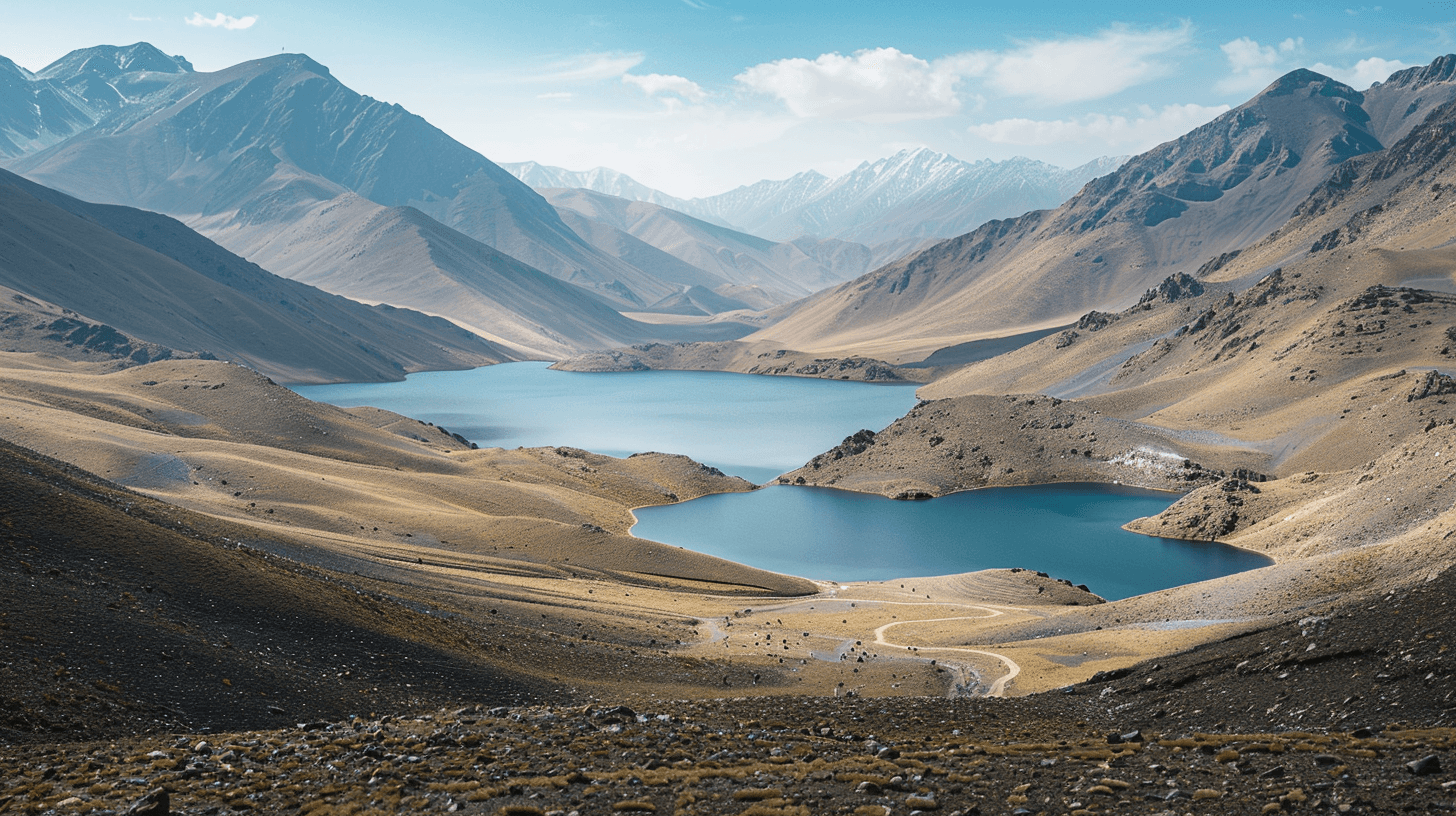
7 Days
Imilchil & the High Atlas
7 Days
Tangier to Marrakech
7 Days
Gorges to Desert Trek
7 Days
Morocco Film Locations
7 Days
Anti-Atlas Circuit

7 Days
Draa to Atlantic
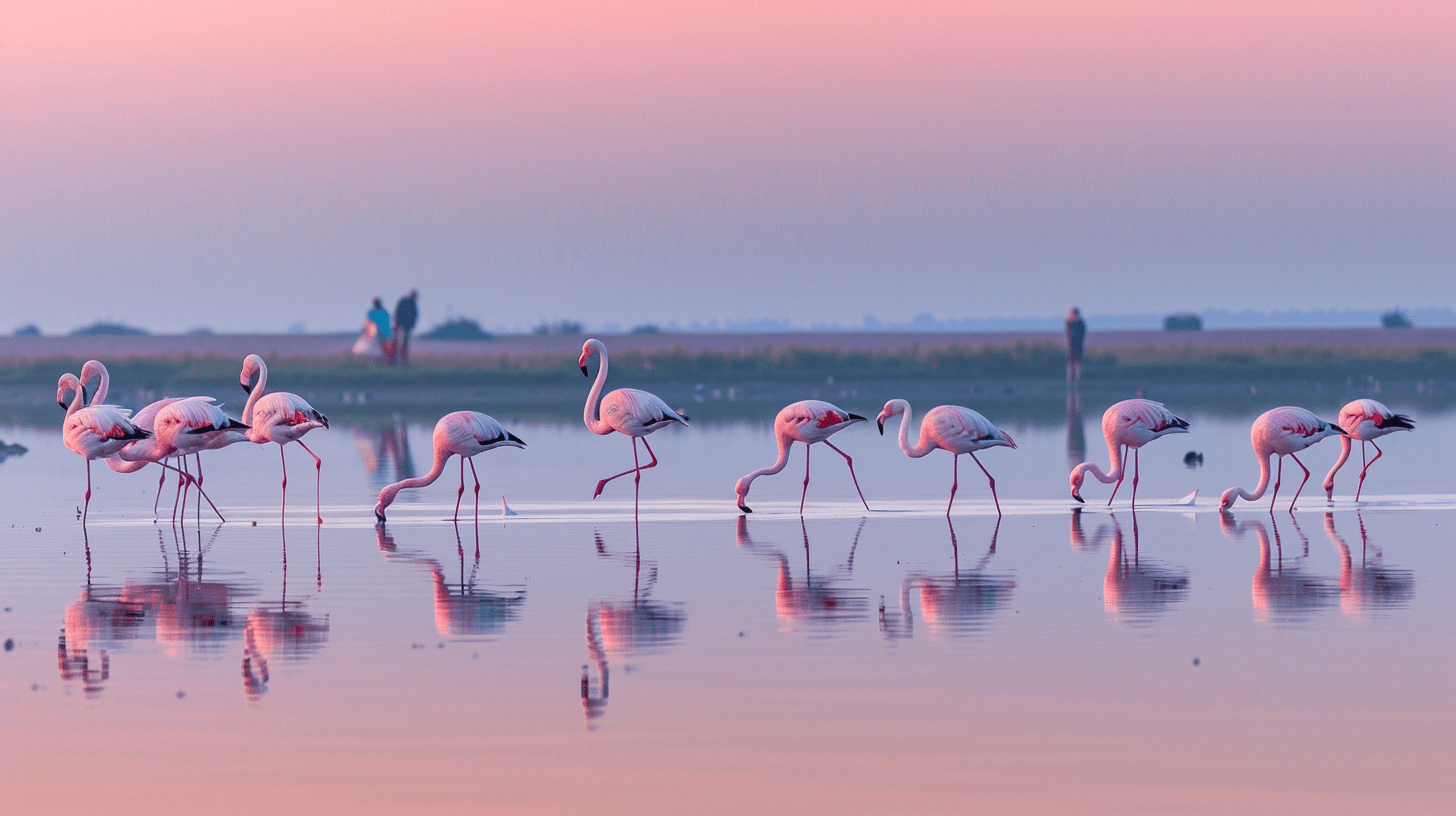
7 Days
Morocco Birdwatching
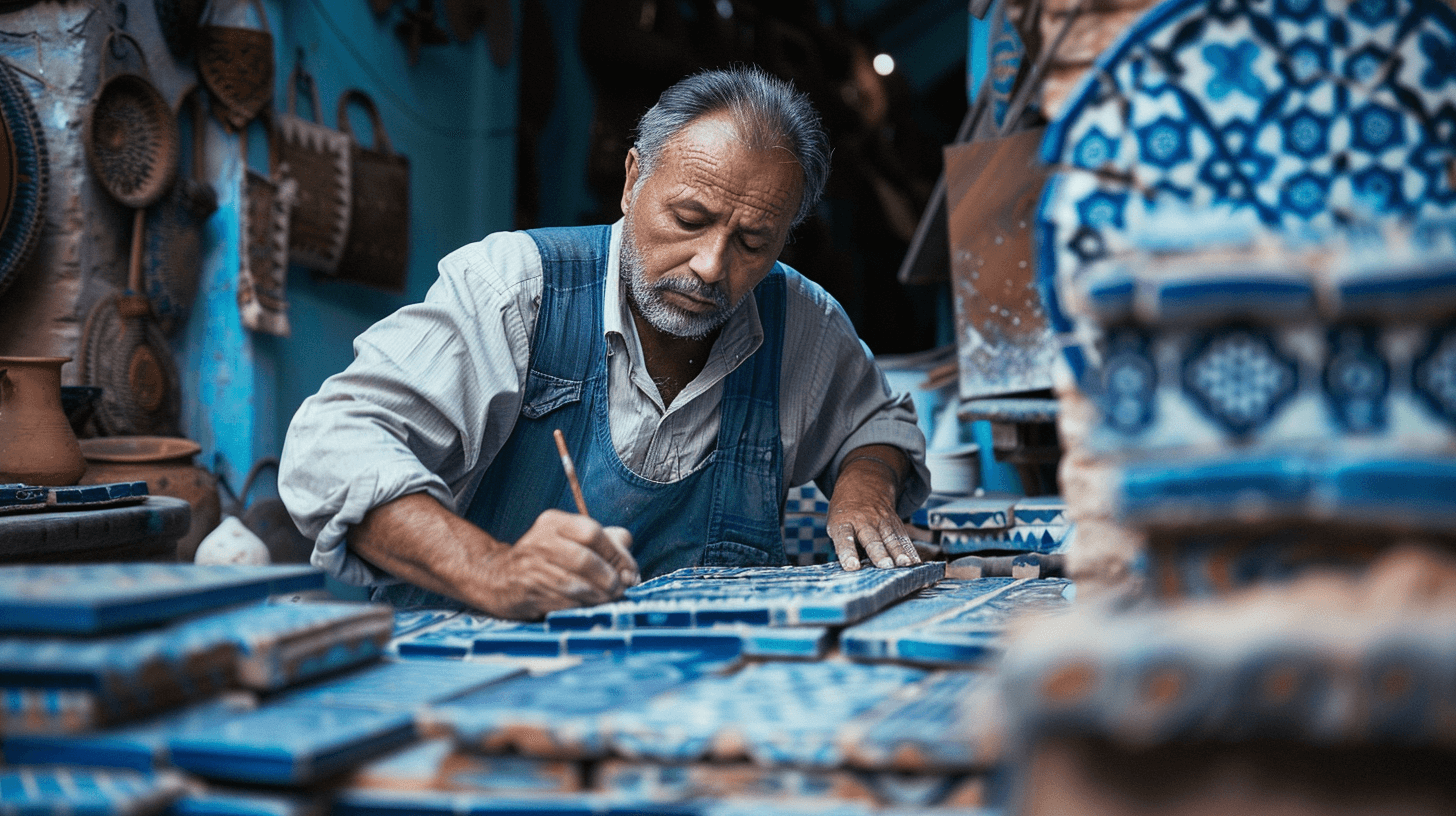
7 Days
Morocco Arts & Crafts
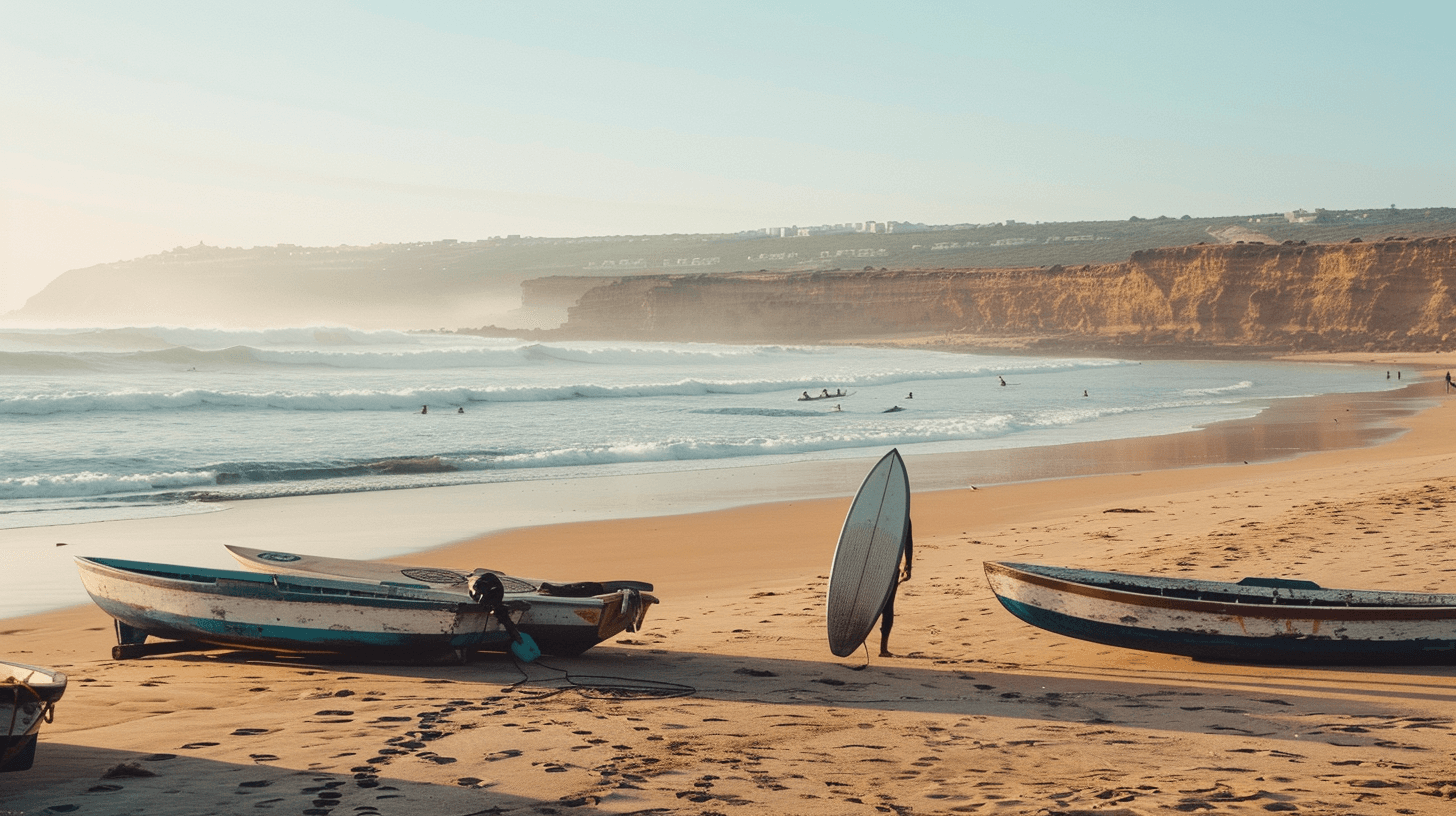
7 Days
Morocco Surf Trip
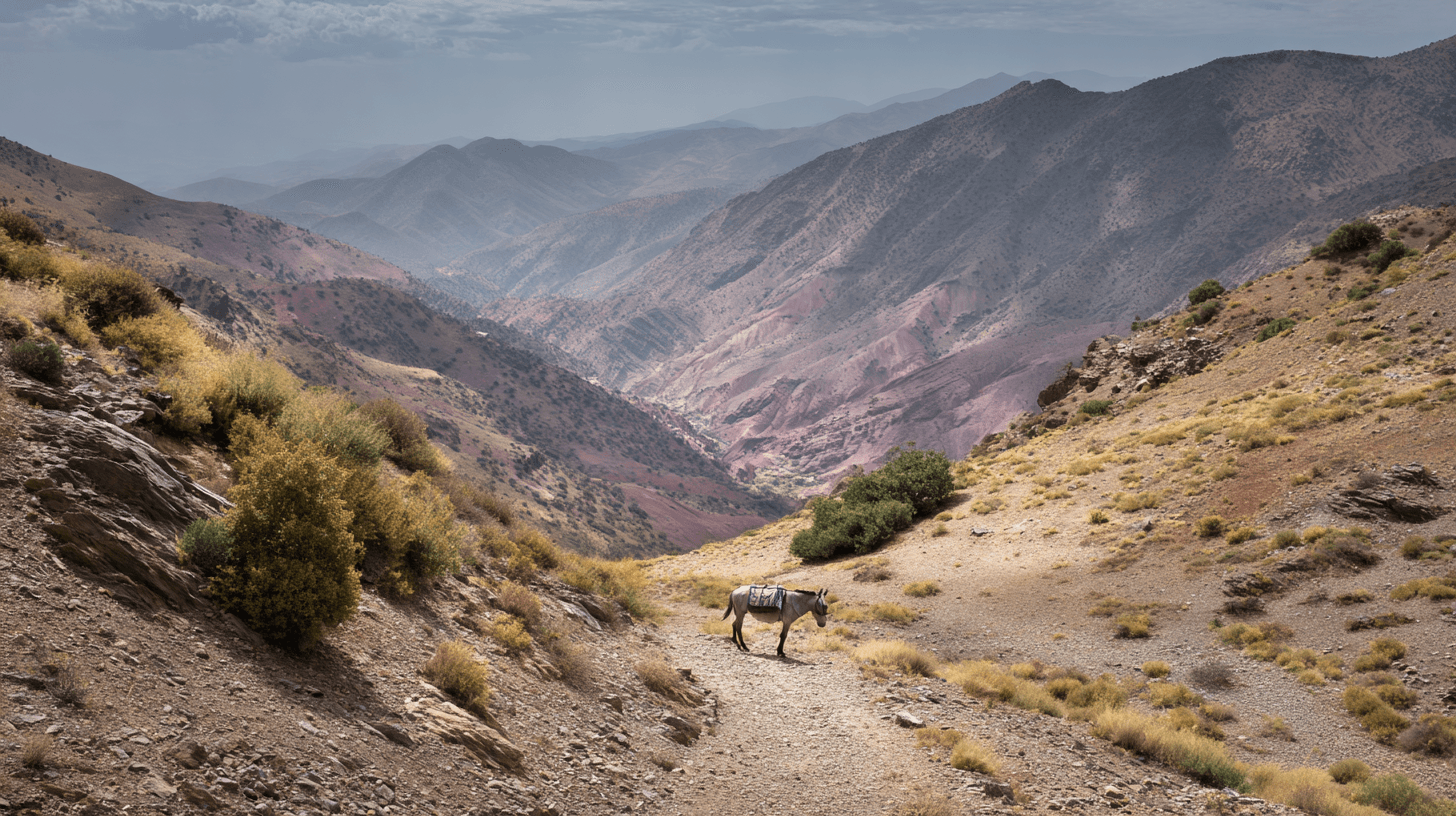
7 Days
One Week in Morocco
8 Days
Morocco Culinary Journey
8 Days
Morocco Family Adventure
8 Days
Morocco Through Painters' Eyes
8 Days
Morocco Trekking
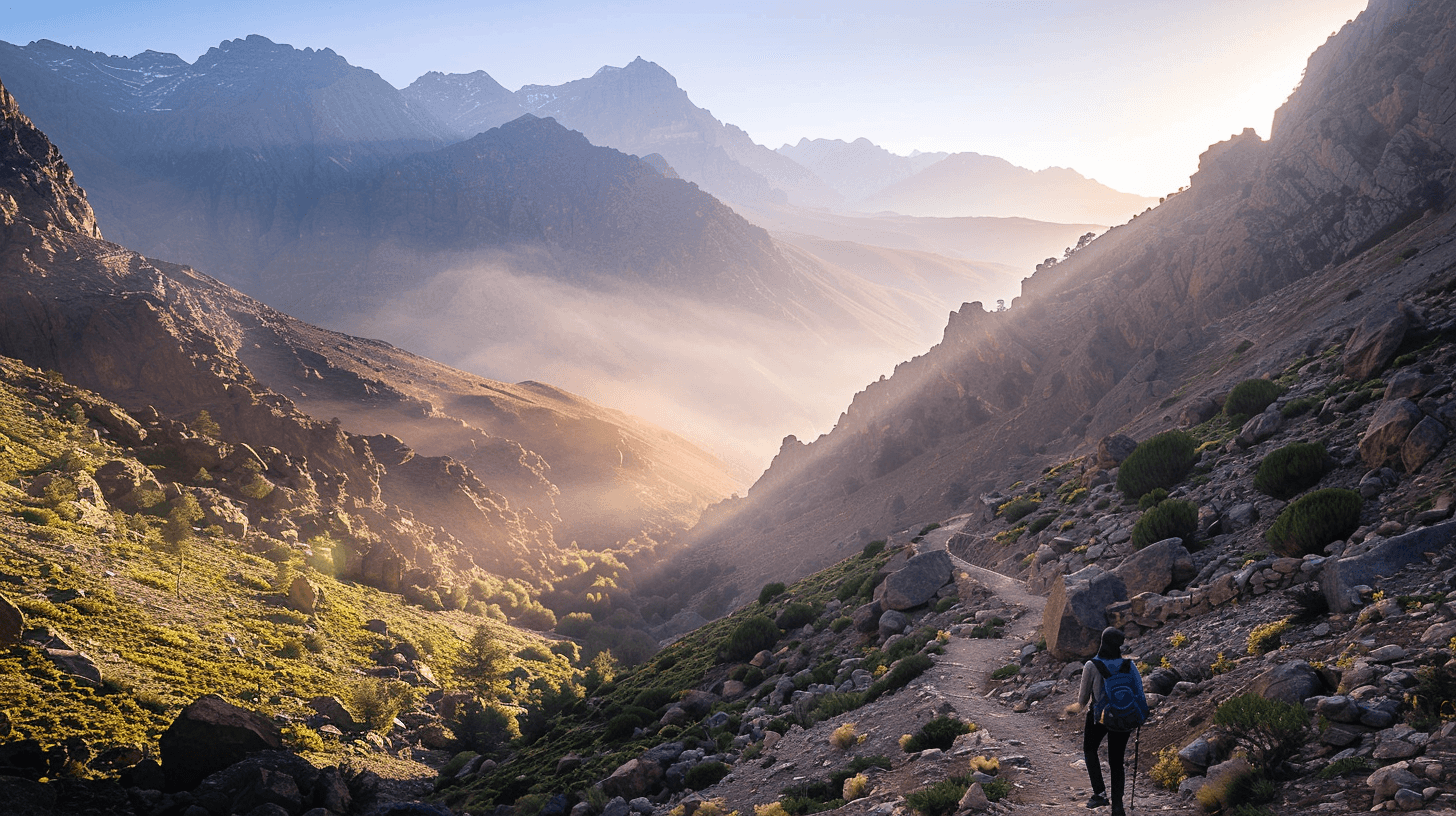
8 Days
Morocco Active Adventure
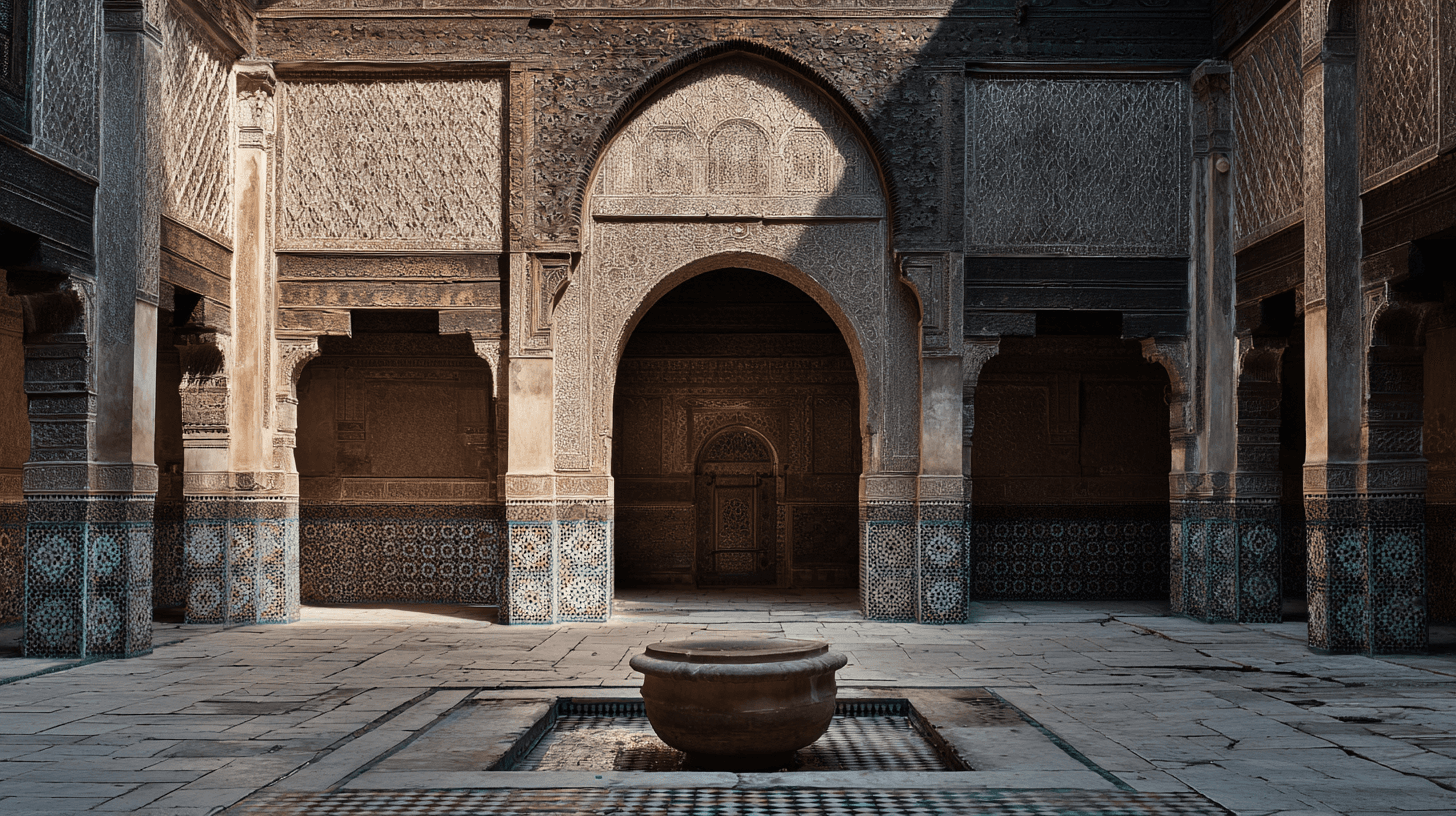
8 Days
8-Day Imperial Cities
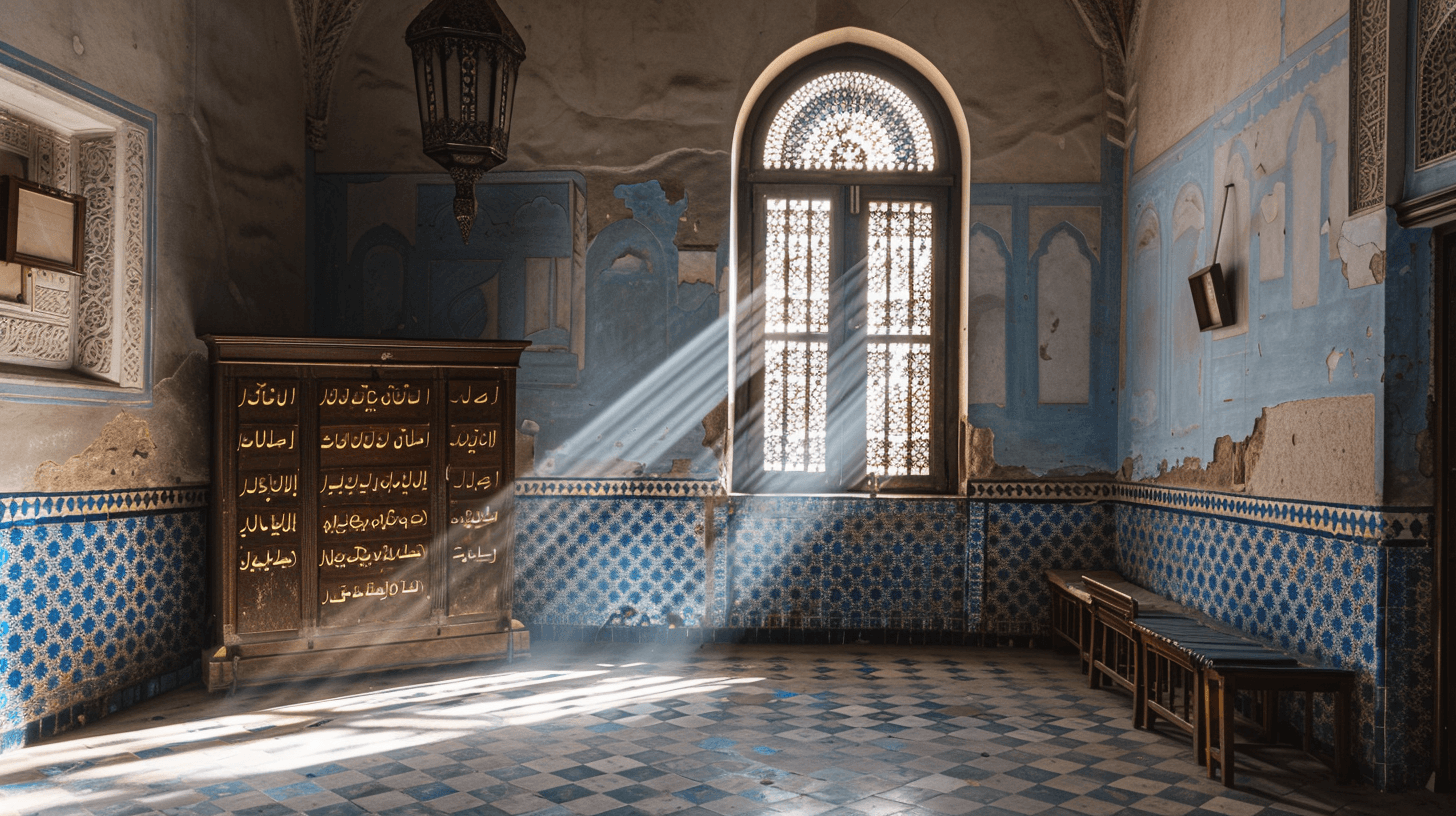
8 Days
Jewish Heritage of Morocco
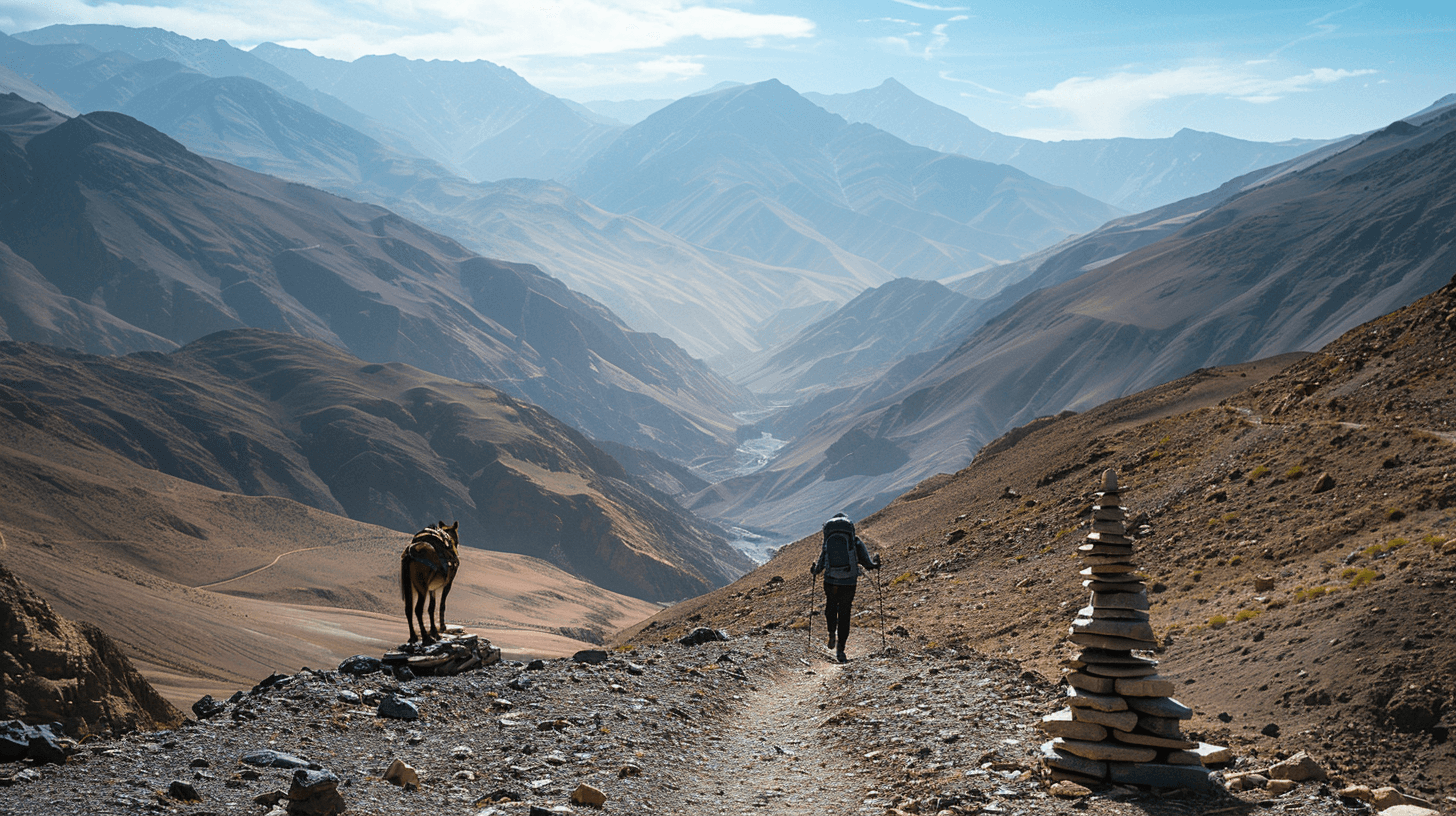
8 Days
High Atlas Traverse
8 Days
Atlantic Coast Road Trip
10 Days
10-Day Atlantic Coast Journey
10 Days
Morocco Honeymoon
10 Days
Morocco Relaxed Pace
10 Days
Complete Morocco
10 Days
Morocco Photography Journey
10 Days
Deep South Morocco
10 Days
Morocco Textile Trail
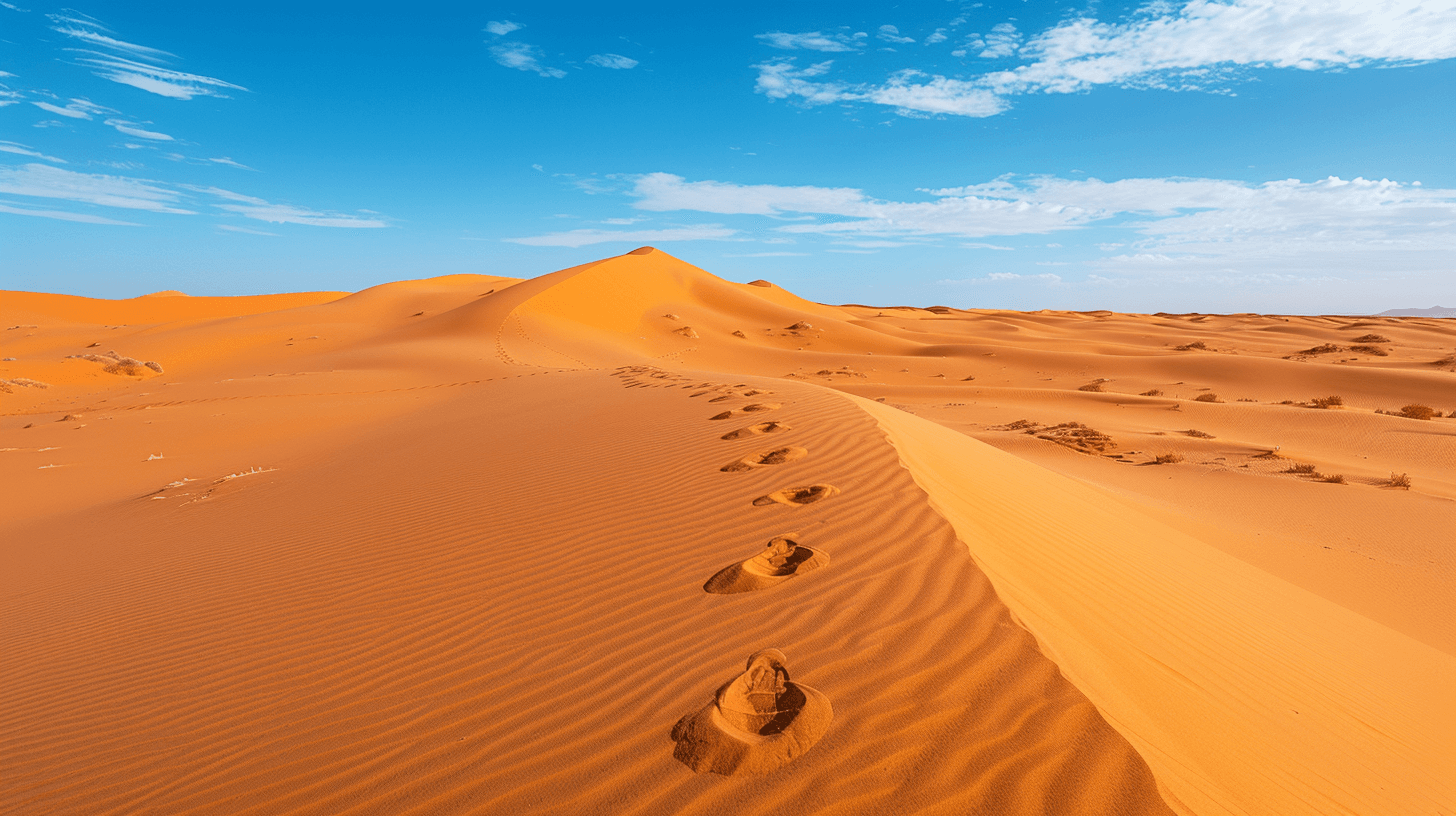
10 Days
Sahara to Sea
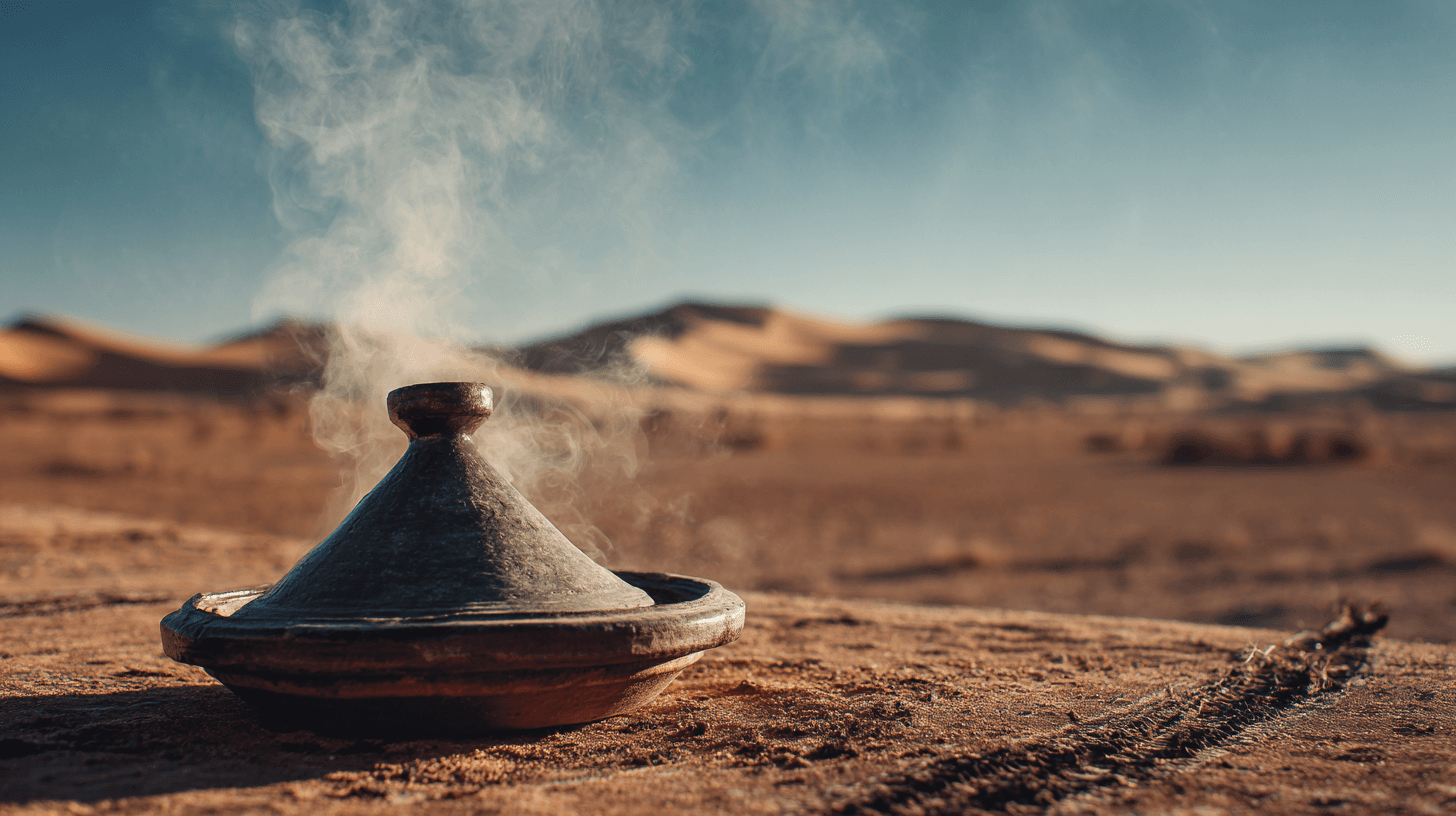
10 Days
10-Day Flavors of Morocco
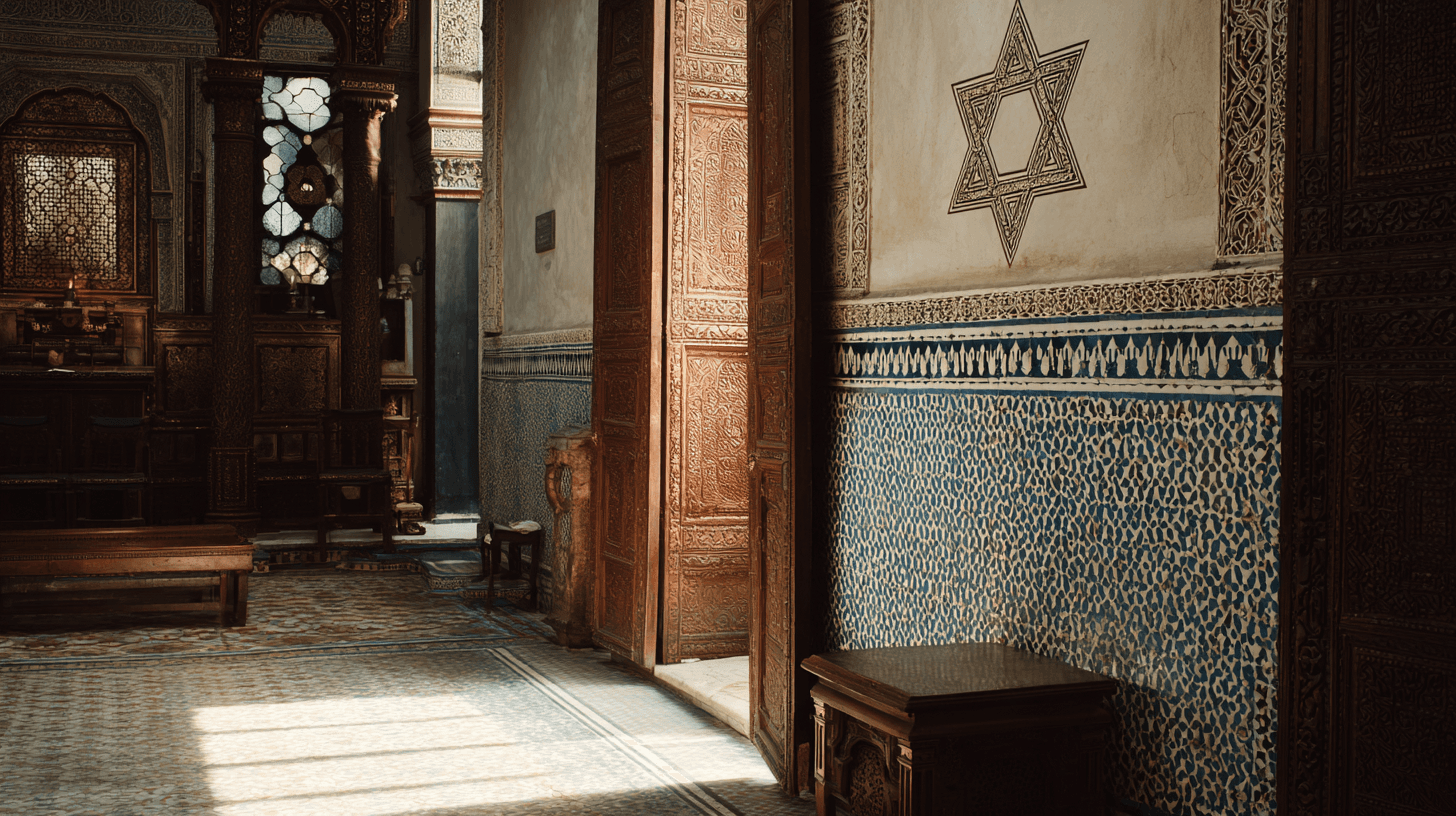
10 Days
The Mellah Route
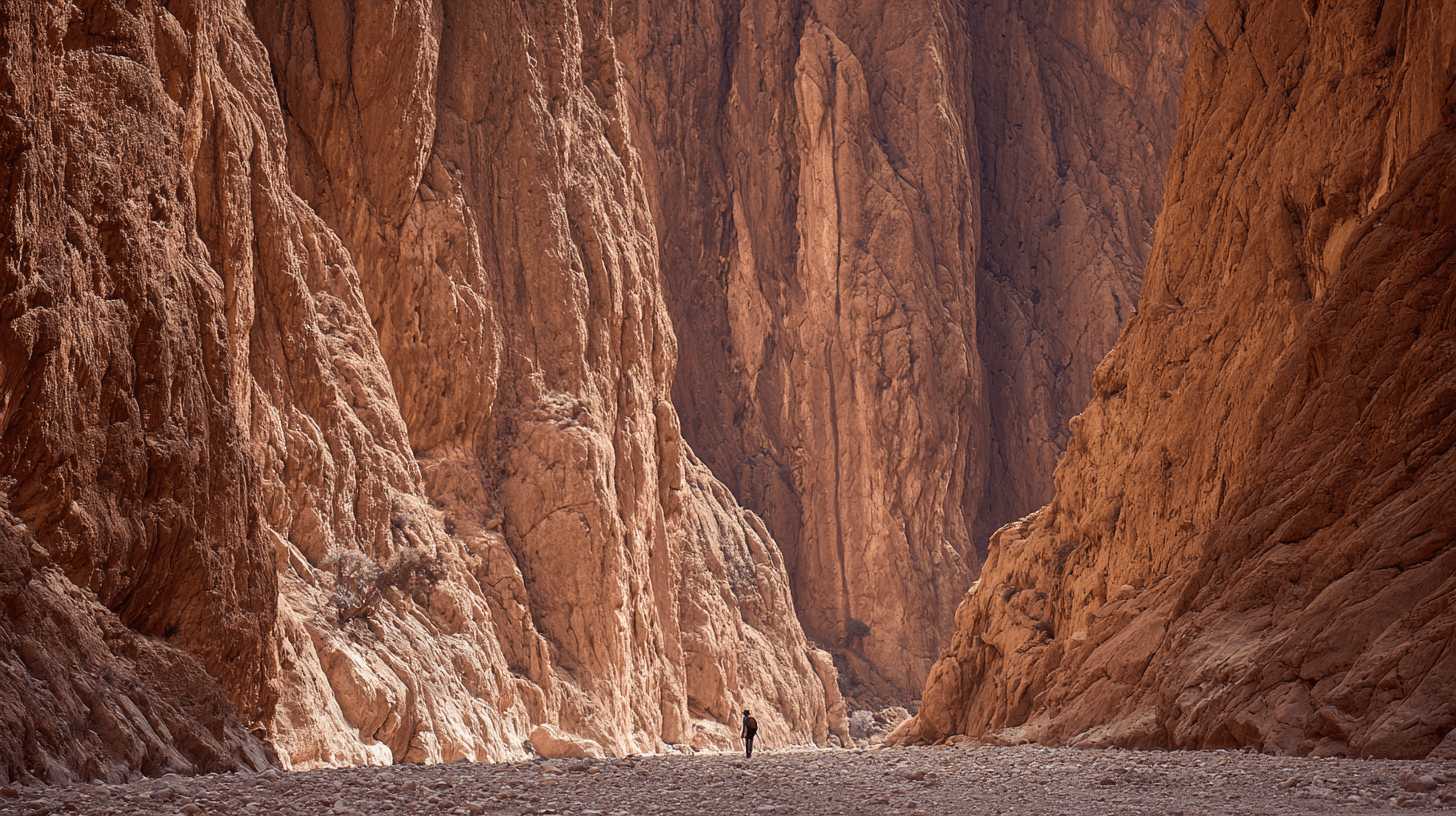
12 Days
12-Day Grand Tour - Eastern Arc
12 Days
12-Day Grand Tour - Western Arc
14 Days
Two Weeks in Morocco
14 Days
Morocco Border to Border
14 Days
Morocco Architecture Trail
21 Days
Morocco Grand Tour
Sources: Le Musée du Parfum official documentation